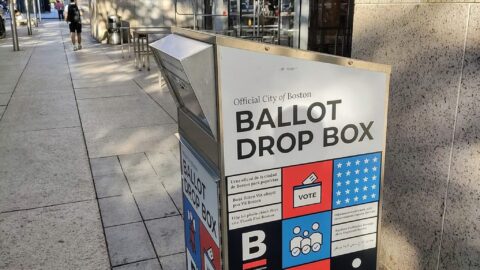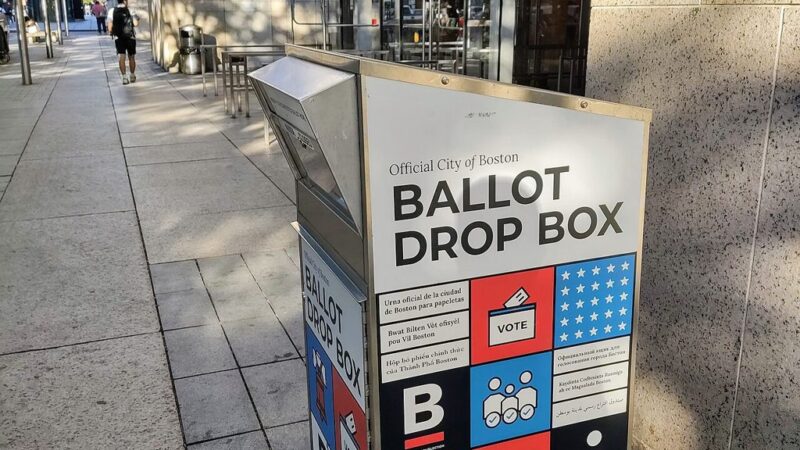
Seven days remain before the American midterm elections on November 3, and the final week has a calendar that campaigns ignore at their peril. Nearly 27 million Americans have already voted, running about 10 percent ahead of the 2022 pace, and the voters who remain are the ones campaigns must reach in the next seven days. In Virginia, early voting ends on Halloween. In Texas, four days of early voting remained after one week that produced more than 4 million ballots. In France, a pots and pans rally is planned for October 30, with further demonstrations on October 31. In India, Cyclone Arnab is expected to make landfall on October 28. In Canada, a European Union summit opens in Montreal on Thursday. And in Florida, the World Series could end on Tuesday night if Milwaukee beats Tampa Bay in Game 4. The final week is not a single event. It is a pileup of deadlines, and the campaigns, governments and teams that manage it best will be the ones that planned for it earliest.
The voters who have not voted yet
For American campaigns, the final week is about the remainder. The voters who have already voted cannot be persuaded, and the voters who wait until Election Day are different from those who voted early: more likely to decide late, more likely to be mobilised by final week events, and, in Texas, more likely to be Republican, according to analysts who note that Republicans have historically waited until Election Day. Campaigns that spend their final week persuading the already persuaded, or mobilising the already mobilised, waste their most valuable resource: time. The efficient final week targets the not yet voted, in the places where early voting is still open, with messages that acknowledge the deadline. It also prepares for Election Day itself, when turnout operations, poll monitoring and legal readiness matter as much as advertising.
Deadlines beyond the election
The final week’s other deadlines matter because they compete for attention. A cyclone landfall in India will dominate news in South Asia. A World Series clincher will dominate sports coverage in the United States. A Canada European Union summit will shape trade headlines. Campaigns that ignore those competing stories will find their messages drowned out, while campaigns that time their announcements around them will find an audience that is already paying attention. The final week election calendar shows a race in which the electorate has already moved substantially, with 26.85 million ballots cast by October 25. The next seven days will decide the rest, and the campaigns that understand the calendar, the remainder and the competition for attention will be the ones that finish strongest. The others will learn, on November 3, that seven days is both a long time and no time at all.