Pakistan and Afghanistan Trade Deadly Border Fire as Crossings Shut and Qatar Announces Ceasefire
Afghan forces opened fire on Pakistani border posts late Saturday, and Pakistan retaliated with gun and artillery fire, in the heaviest direct military confrontation of the current escalation cycle between the two neighbors. According to reporting on the clashes, intermittent gunfire continued in the Kurram area on Sunday, while casualty claims from both sides remain unverified.
Afghanistan’s Ministry of Defence said its action was retaliation for alleged Pakistani airstrikes inside Afghanistan earlier in the week, strikes Islamabad has not officially acknowledged. Pakistani security officials said several Afghan border posts were destroyed. Each side insists it is responding to the other, and no independent casualty count exists.
Border crossings shut, hundreds stranded
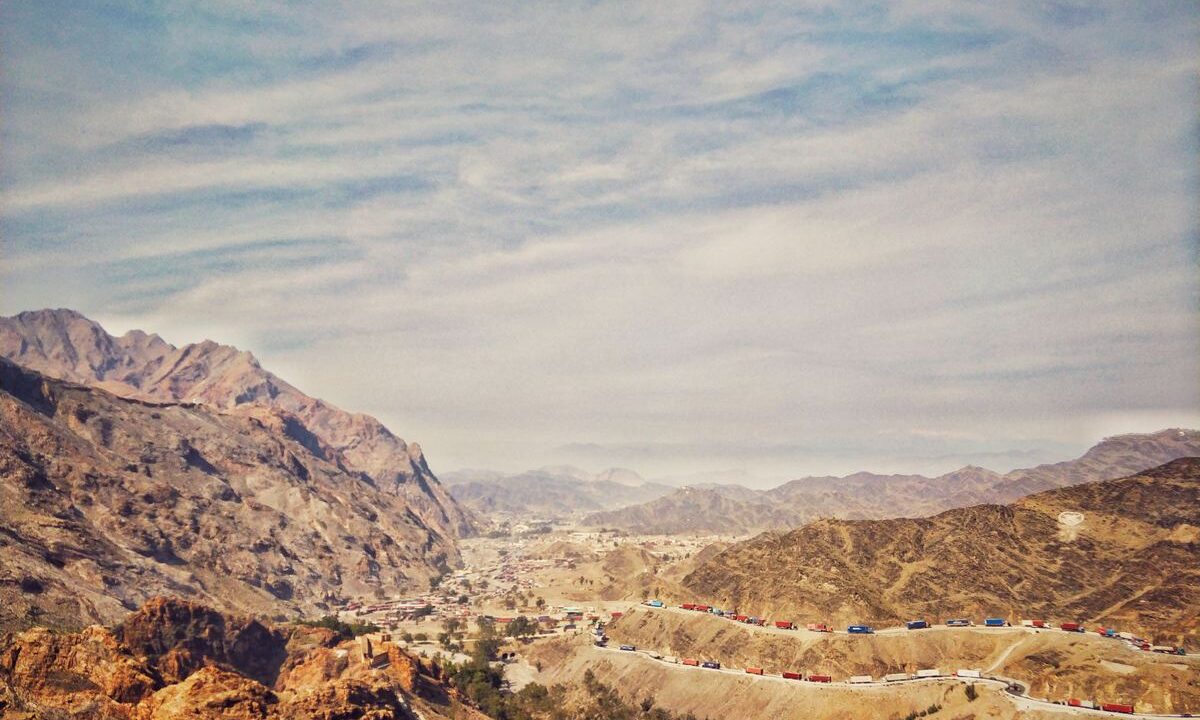
The fighting shut the two main crossings, Torkham and Chaman, on Sunday, along with Kharlachi, Angoor Adda and Ghulam Khan. Hundreds of passengers, dozens of cargo trucks and medical patients were left stranded. The closures hit trade in agricultural products, medicines and construction materials, and disrupted access to hospitals and schools for border communities already under strain.
The clashes follow a September diplomatic initiative involving Türkiye and Qatar that had sought to ease tensions, and an October 5 round of the Moscow Format Consultations that closed without a joint statement. At the heart of the friction is the Tehreek-e-Taliban Pakistan, which Islamabad accuses Kabul of sheltering, a charge the Taliban government rejects.
A ceasefire, and what comes next
Qatar’s foreign ministry announced a ceasefire between Pakistan and Afghanistan. Pakistan’s Prime Minister Shehbaz Sharif, in a call with his Malaysian counterpart Anwar Ibrahim, said Pakistan had agreed to the ceasefire at Afghanistan’s request while demanding tangible action against militant groups. Afghanistan’s Taliban spokesman Zabihullah Mujahid said Sunday there was no threat in any part of Afghanistan’s territory.
Whether the truce holds is an open question. Pakistan’s defense minister has bluntly described the confrontation as open war, and eight months of strikes, skirmishes and failed mediation have settled into a grinding pattern. The region has seen how quickly border violence can escalate, from health emergencies straining fragile systems to conflicts that spill across villages. For now, diplomats in Doha are watching the border, and the world is watching the peacemakers for any sign the guns stay silent.