The most chilling detail in Friday’s Hebron checkpoint shooting is the one about the road not taken. The Israeli military says the two gunmen had planned a larger attack on Route 35, a major West Bank artery, but opened fire at the checkpoint instead after apparently changing plans. A large ammunition cache found in their vehicle suggests what might have been.
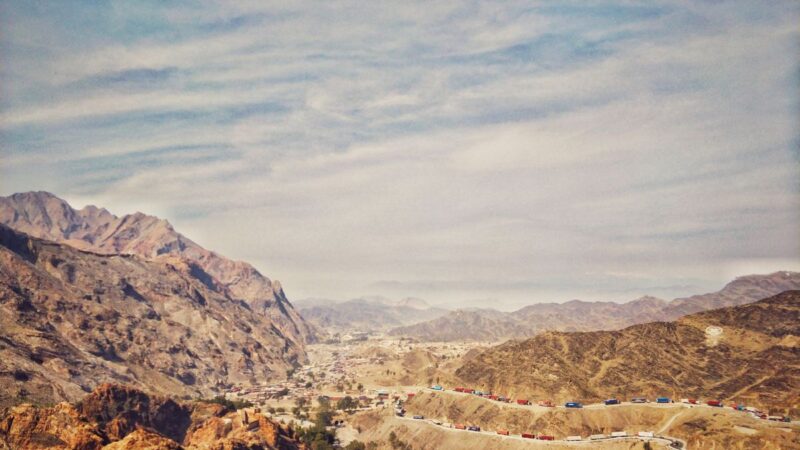
Route 35 runs through the hills south of Jerusalem, serving both Israeli settlements and Palestinian communities. An attack on civilian traffic there would have been devastating, and the military’s assessment is that only the gunmen’s decision to engage the checkpoint first prevented a worse outcome. The checkpoint, designed as a defensive position, became the tripwire.
The plot that failed
Failed plots reveal as much as successful ones. The quantity of ammunition indicates planning, logistics and intent well beyond a spontaneous attack. Investigators will now work backward: where the weapons came from, who else knew, and whether the cell was part of a larger network. The ongoing searches and the lockdown preparations are part of that backward trace.
The timing, four days before Israel’s general election, guarantees the foiled plot will dominate the campaign’s final stretch. Security services rarely get credit for attacks that do not happen, but the political class will certainly claim the lesson: vigilance worked, this time.
The road ahead
Route 35 will see heightened security for weeks, and the West Bank faces closures that will affect millions. Our earlier world coverage has the full account of the attack, with more on the regional security picture. BBC reporting has the latest on the investigation.
For the residents of Hebron, the lockdown is the latest disruption in a life defined by them. Shopkeepers, students and workers will bear the economic cost of the closure, as they have borne the cost of every previous one. The security logic is clear; the human cost is counted in livelihoods.