Kenya’s health ministry confirmed the country’s second case of Ebola on 14 October: a 39-year-old man who fell ill while already in quarantine as a close contact of the first case. Officials say the early detection shows the containment strategy is working — the two cases are linked, with “no evidence of spread in the wider community”.
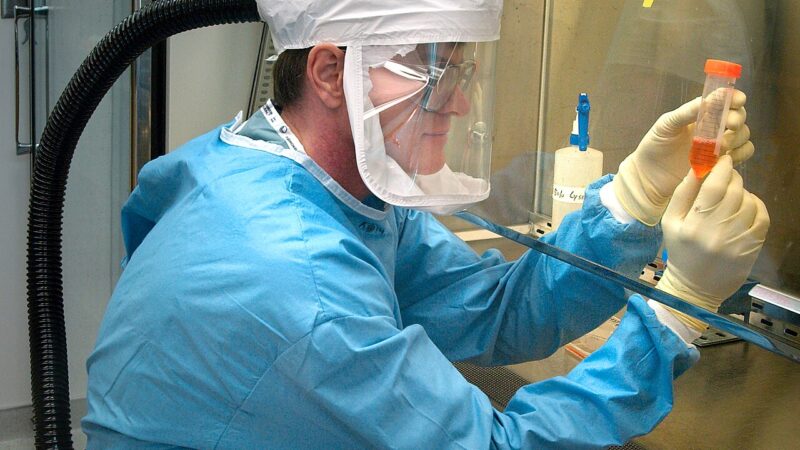
He developed fever, fatigue and joint pain on 13 October while under daily monitoring; staff isolated him at once and samples tested positive at both the National Virology Reference Laboratory and the KEMRI-CDC laboratory. He is now in a designated treatment centre receiving supportive care. The first patient, a 40-year-old Kenyan who had been living in the Democratic Republic of Congo, arrived in Nairobi on 3 October and died on 5 October — Kenya’s first-ever recorded Ebola infection.
No evidence of spread in the wider community
Contact tracing for the first case has identified 128 people who may have been exposed. Of these, 113 had been traced by 13 October: 108 are in quarantine in Kenya, undergoing daily clinical checks and temperature screening for 21 days from their last possible exposure, while five are abroad and their host countries’ authorities have been notified. The search for the remaining 15 contacts is continuing.
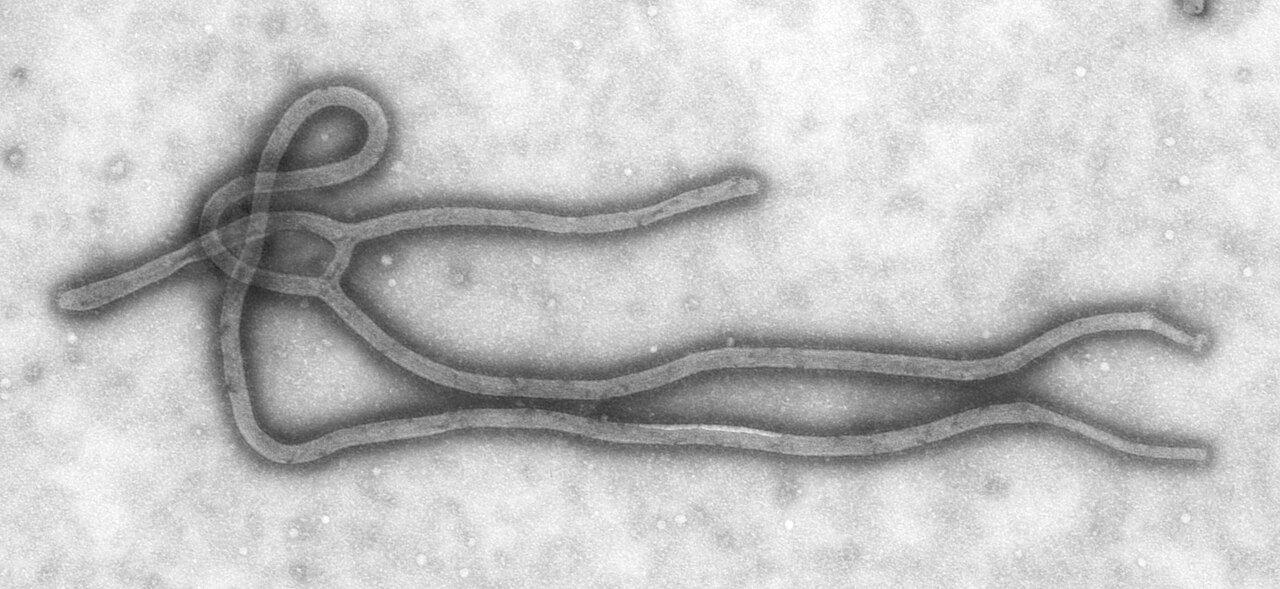
The first case has put cross-border health screening under scrutiny. The patient travelled by road from the DRC through Uganda — a border that had been closed since May — and flew on to Nairobi undetected, and an investigation by the Africa Centres for Disease Control and Prevention found missed opportunities to spot the infection. Ebola spreads through direct contact with the bodily fluids of infected people and can cause fever, vomiting and diarrhoea.
A strain with no approved vaccine
The outbreak in the DRC is caused by the rare Bundibugyo strain of the virus, for which no approved vaccine or specific treatment is currently available — a sharp contrast with the Zaire strain, for which effective vaccines were deployed in past outbreaks. With more than 9,000 confirmed infections and over 4,381 deaths, it is the DRC’s largest Ebola outbreak on record and the second-largest globally. The epidemic now sits atop Africa’s already heavy disease burden, and experimental treatments face the same strict ethical review as any trial conducted during a crisis.
That the second infection was caught inside quarantine matters: isolation at the first sign of symptoms improves recovery chances and cuts transmission risk, the ministry says. For travellers and border authorities, the lesson of this week is that a system monitoring known contacts daily can catch an outbreak before it escapes the room it started in.