
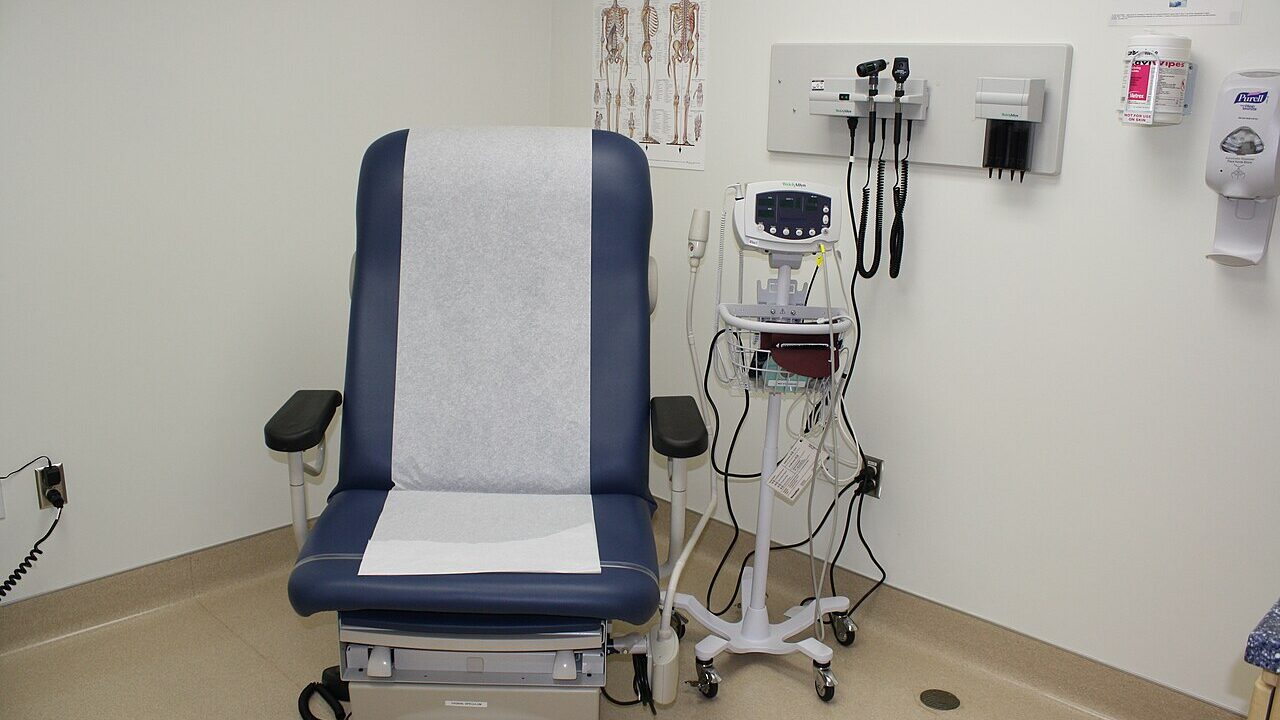
An empty ambulatory clinic room — couch, monitor, neatly parked equipment — is where most non-communicable disease care either happens reliably or does not happen at all.
Africa CDC’s strategic emphasis on integrated health systems recognises that hypertension, diabetes and kidney disease are managed in thousands of ordinary appointments, not in flagship hospitals. The clinic pictured could be anywhere, which is the point: blood-pressure control at population scale is a triumph of scheduling, drug supply and follow-up rather than discovery. Featuring Desk examines the unglamorous metrics — controlled readings, retained patients, stocked shelves — that determine whether the burden described by researchers this week bends downward or keeps rising.
Why this belongs on the Health front is that the distance between a finding and a treatment is where most harm and most hope both live. Featuring Desk will follow this story through replication, guidance and clinic reality, and will say plainly if the promising result fades — because a health desk that only reports beginnings eventually misleads the readers who trusted it most.
What to watch next is not another statement but a verifiable step: a published document, a dated fixture, a figure restated by its original publisher or a follow-up study that other specialists can inspect. Until that step appears, this account stands as the desk’s best verified summary, with company, campaign and researcher claims labelled as claims and official positions attributed to the offices that issued them.
Reporting note: this Featuring Desk account is original writing based on the reputable sources cited in the desk’s research for 9–10 October 2026, checked against at least two reputable signals wherever available. Figures and claims attributed to companies, campaigns, agencies or researchers are labelled as such in the text; developing details will be updated and corrected under our Corrections policy.
One discipline helps with health stories of this kind: never let a relative claim travel without its absolute companion. A doubled risk of something rare may still be rare; a modest percentage applied to a common condition may affect millions. This account has therefore kept denominators, populations and timeframes attached to the findings it reports and will add the absolute figures whenever the underlying papers or agencies publish them in usable form. Readers deserve arithmetic, not atmosphere, from a health desk.