
Tesla and SpaceX fell up to 9 percent on Thursday, wiping out over $420 billion in cumulative market capitalization, in a rout that showed how far the selling had spread beyond chip stocks. The two companies, both associated with Elon Musk, were among the hardest hit names in a market that punished the largest and most richly valued companies first. Tesla stock fell 9.71 percent to 347.80 dollars, and the combined loss across the two companies was one of the largest single day destructions of value for any corporate group in the session.
Why it matters
The Tesla decline fits the pattern of the day. The company is valued as a technology company as much as an automaker, and its shares move with the same forces that move the chip makers: expectations about artificial intelligence, about autonomous driving, and about the growth of new technologies. When investors decided that the AI buildout would slow, they sold the companies whose valuations depend on it, and Tesla, whose market value rests on promises about the future as much as on the cars it sells today, was an obvious target. The 9.71 percent fall is a measure of how much of that value is expectation.
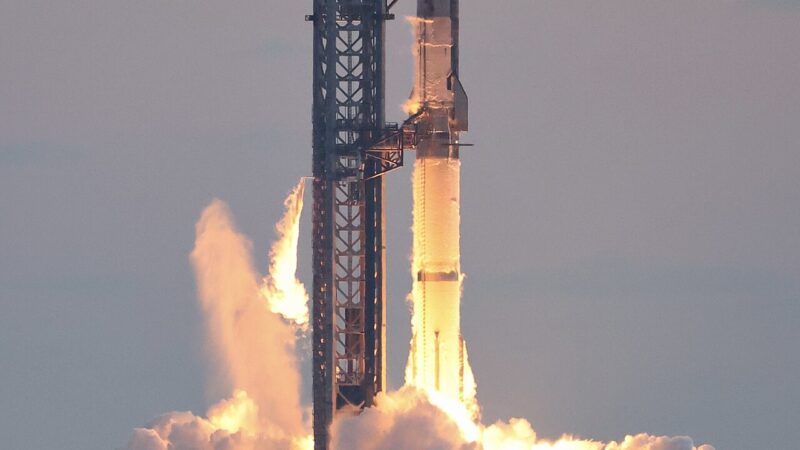
SpaceX is not publicly traded, but its valuation is tracked closely, and the 420 billion dollar figure captures the combined market judgement about the Musk enterprises. The company value rests on its rockets, its satellite internet business, and its position as the dominant private space company in the world, and none of those businesses changed on Thursday. What changed was the price investors were willing to pay for growth, and for risk, and SpaceX, like Tesla, is a bet on both. A day that reprices risk will reprice SpaceX, even if its rockets keep flying.
What happens next
The scale of the loss is worth pausing over. Four hundred and twenty billion dollars is more than the entire market value of most countries largest companies, and it vanished in a single trading session, not because the businesses failed, but because the market changed its mind about what they are worth. That is the nature of a valuation driven by expectations: it can rise faster than any business can grow, and it can fall faster than any business can shrink. The companies are the same as they were on Wednesday. The prices are not.
What happens next will depend on whether the market steadies or falls further. Tesla will report its own numbers in due course, and SpaceX will continue to launch rockets, and the businesses will be judged on their results rather than on the mood of a single day. But Thursday showed that the Musk enterprises, like the chip makers, are hostages to the market narrative about technology, and that a narrative can change in hours. The 420 billion dollar loss is a number that will be quoted for years, as a measure of a day when the market decided, all at once, that the future was worth less than it had thought the day before.