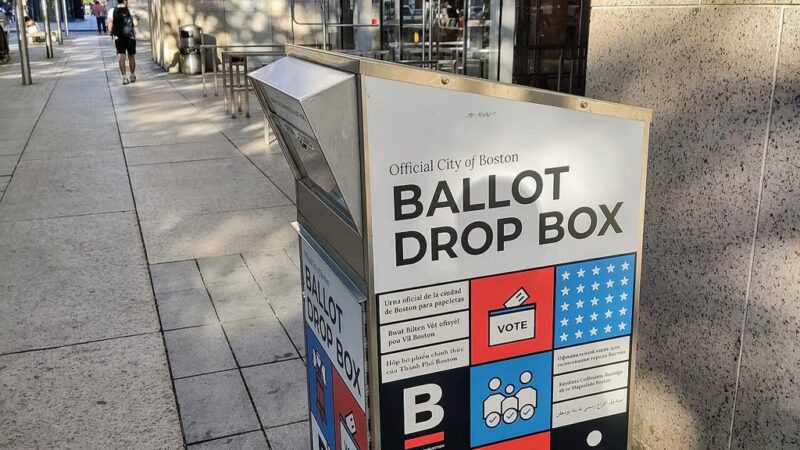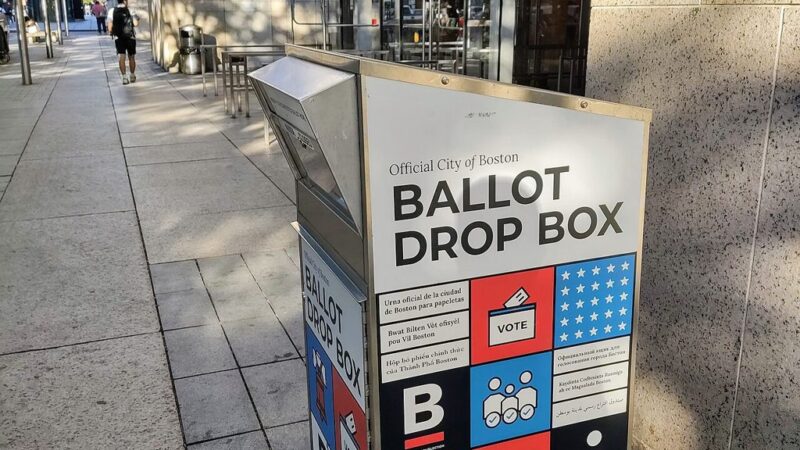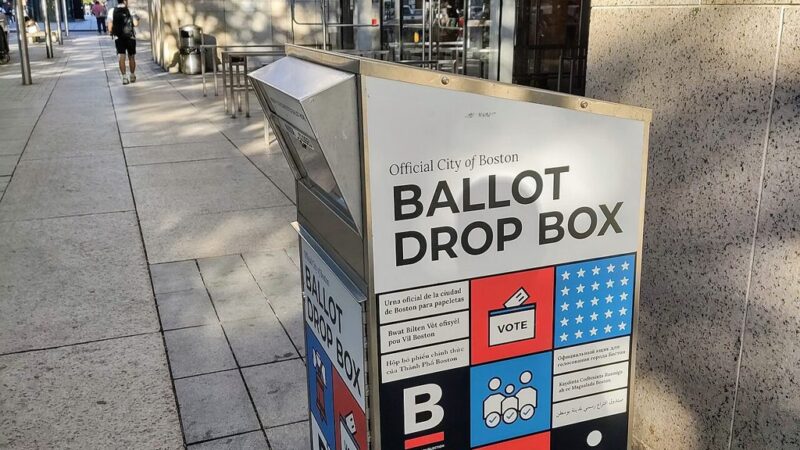
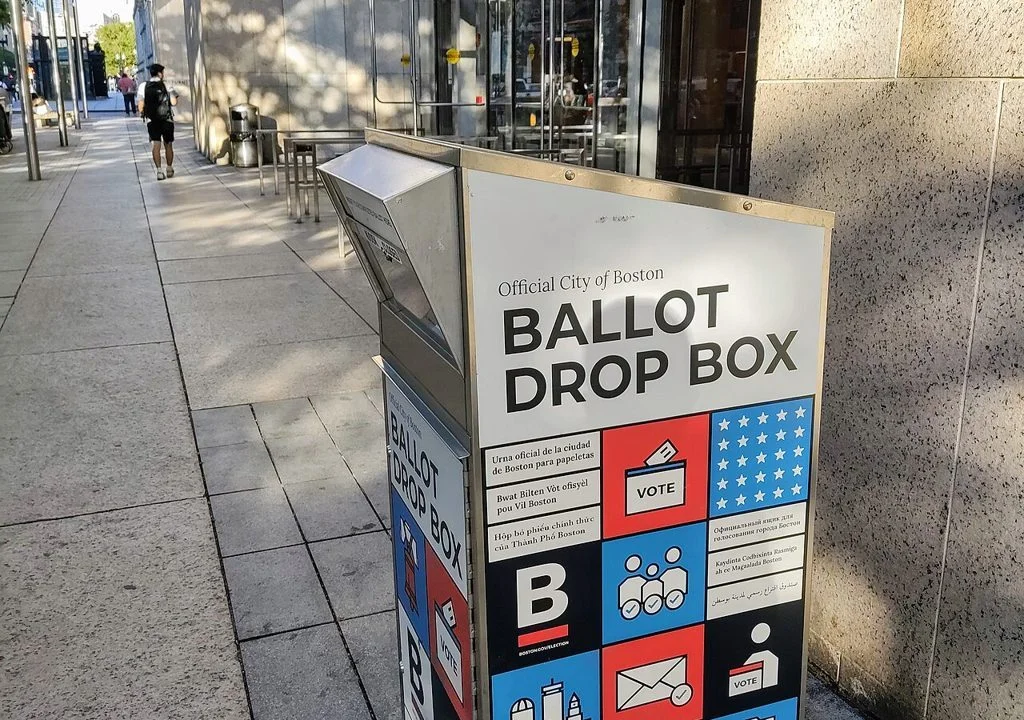
The final week of the midterm campaign is not a single event. It is a sequence of deadlines, and voters who understand that sequence are more likely to have their ballots counted than voters who treat Election Day as the only date that matters. Early voting ends in many states on October 30, including Georgia, where officials recorded 2,452,000 in-person ballots as of Tuesday afternoon. Absentee ballot request and return deadlines fall in the same window in several states. Election Day is Tuesday, November 3. Each of those dates is a deadline, and each missed deadline is a vote that does not count.
Nationally, trackers put early voting somewhere between about 30 million and more than 34 million ballots, depending on which states are counted, with the pace running ahead of 2022. Texas logged nearly 4.5 million ballots in its first seven days of early voting. North Carolina’s early total reached 1.7 million, with in-person voting up 42 percent while mail ballots fell about 34 percent. Harris County in Texas reported more than 700,000 early ballots and expanded operations to handle demand. Those figures describe participation, not results, and they will keep rising through the final days of early voting as campaigns push supporters to vote before Election Day.
What voters should check this week
First, check whether early voting is still open in your state, and where to vote, because early voting locations often differ from Election Day polling places. Second, check absentee deadlines carefully: in some jurisdictions, completed absentee ballots must be received by a specific date and time, not merely postmarked by then, and military and overseas voters may have different rules. Third, check identification and registration requirements before arriving, because a problem discovered at the polling place is harder to fix than a problem discovered at home. Election officials in Georgia reported no major glitches so far, but that record depends on voters arriving prepared as well as on systems working smoothly.
Campaigns will spend the final week trying to mobilise their supporters, with rallies, advertising and get out the vote operations designed less to change minds than to make sure supporters who already intend to vote actually do so. Voters should expect more messages, not fewer, and should treat claims about early leads with caution: early totals show who has participated, not who will win, and party registration data does not reveal vote choice. Election experts warn that early leads are not decisive, because late and Election Day voters can change outcomes in close races.
The simplest advice for the final week
Reports of the surge describe a national pace above 2022, and Featuring Desk’s earlier account of the final week calendar laid out the same sequence a day earlier in the campaign. The advice has not changed, because the calendar has not changed: confirm where and when to vote, confirm any absentee deadline, and vote before that deadline passes. In a midterm decided by narrow margins in several states, the voters who check the calendar will be the voters whose ballots are counted.