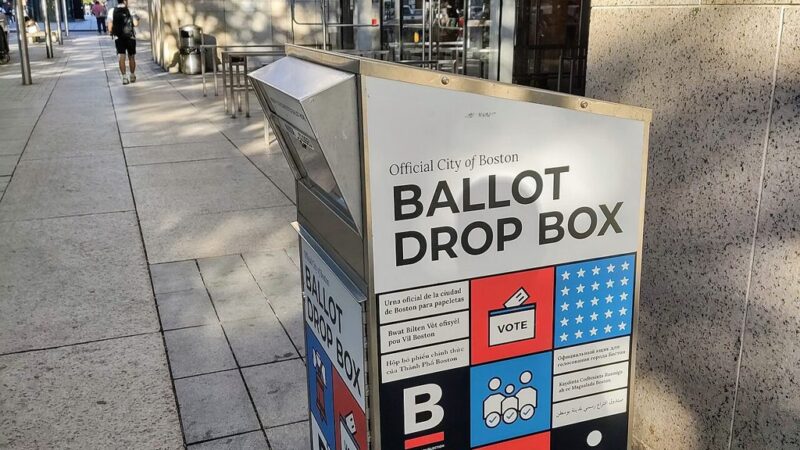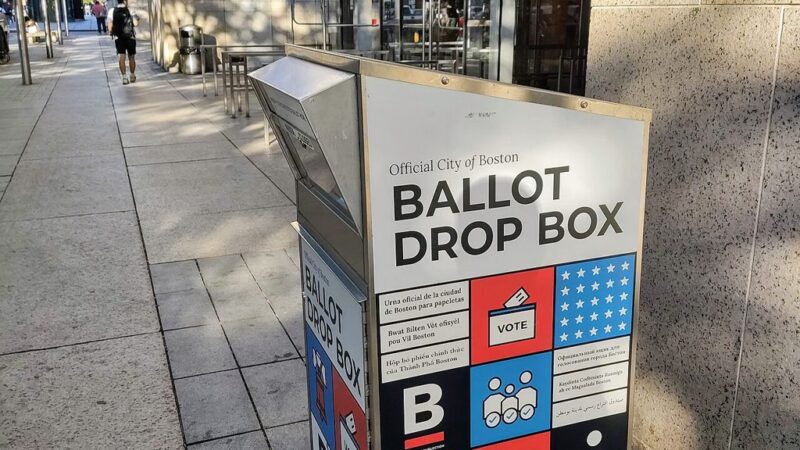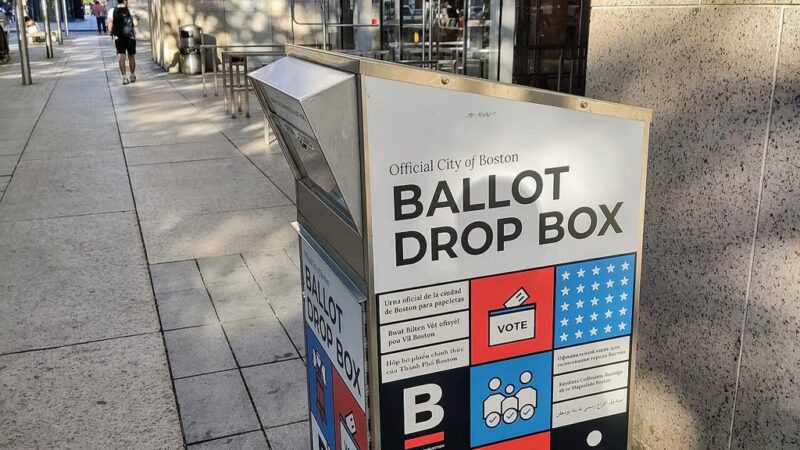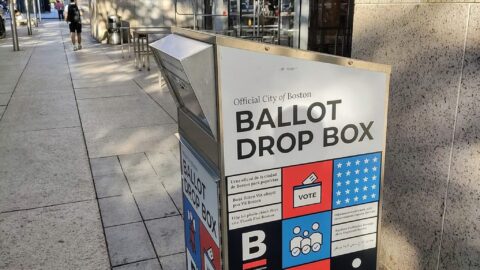

Early voting in Ohio tells a quieter story than Texas or Georgia, but it may be just as important for the House. Nearly 1.5 million Ohioans had voted by Friday, October 30, with 906,992 voting in person and 579,898 by mail, already more than early voting in past governor elections, according to local reporting cited in national early voting coverage. Ohio is not only a Senate battleground, where Sherrod Brown leads Jon Husted in final polls. It is also a state with multiple competitive House races, where early voting totals in suburban counties can signal which way the House map is moving.
Ohio early voting pattern differs from Texas, where early voting ended on October 30 with more than 7.7 million ballots, and from North Carolina, where early voting closed on Saturday at 2,816,821 ballots. Ohio early voting continued into the final weekend in many counties, giving voters more time and giving campaigns more data to chase. The mix, about 61 percent in person and 39 percent by mail in the Friday figures, reflects a state where in person early voting remains the dominant early method, even as mail voting grows. That mix matters for counting: in person early ballots are typically counted quickly, while mail ballots, especially those arriving close to Election Day, can take longer.
Nationally, early voting passed 53 million, with about 29 million in person and about 23 million by mail, against 45.9 million in all of 2022. Ohio contribution to that total is modest compared with Texas, but its rate of increase, above past governor election totals, shows the same engagement surge. Voters in Ohio, like voters elsewhere, are choosing to vote before Election Day in larger numbers, a habit that changes campaign strategy: candidates must peak earlier, advertise earlier, and organise turnout over weeks rather than a single day.
House races behind the Senate headline
House races behind the Senate headline deserve attention in Ohio, because Democrats need a net gain of three House seats nationally for a majority, and Ohio suburban districts are among the seats that could provide those gains. Early voting in suburban counties, where college educated voters and women voters have shifted toward Democrats in recent cycles, will be watched closely on Tuesday night, not for a final result, but for a signal about whether the suburban shift continues. A strong early vote in those counties, combined with a Brown lead in the Senate race, would suggest a Democratic leaning night in Ohio. A weak early vote would suggest the opposite.
The Ohio early voting totals should not be read as a partisan result, for the same reason no state early total should. Party registration, where published, shows Democrats ahead nationally among early voters, but Ohio unaffiliated voters and late deciders complicate any reading. What the 1.5 million figure proves is that Ohioans turned out early in record numbers for a midterm, and that the state election system processed that vote without the large scale failures that would undermine confidence. That administrative success matters for legitimacy, whatever the result.
Tuesday in Ohio
Tuesday in Ohio will add Election Day voters to the early total, and the final turnout may exceed past midterms by a clear margin. The Senate race, where Brown leads by five points in one poll and two points in another, will be close enough that the count may take time. The House races, where early voting signals are less clear, may take longer. Ohio voters have already made their first statement, by voting early in record numbers. Tuesday will complete the statement, and the country will read Ohio, as it has in many cycles, as a bellwether for the national mood.