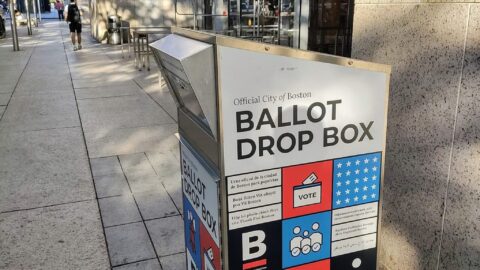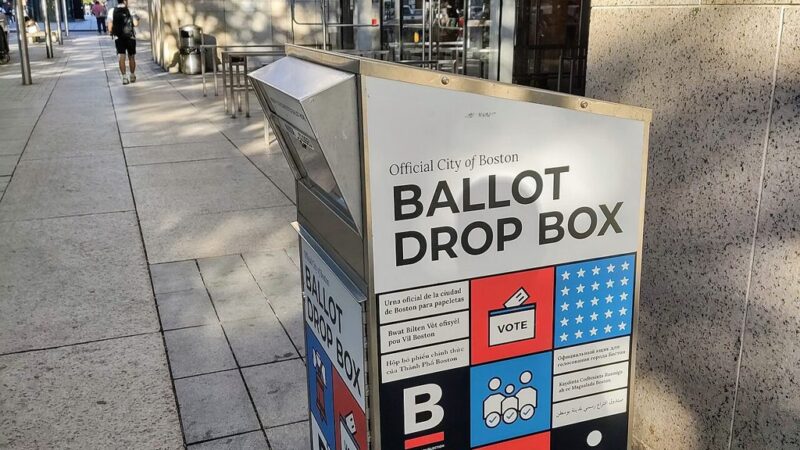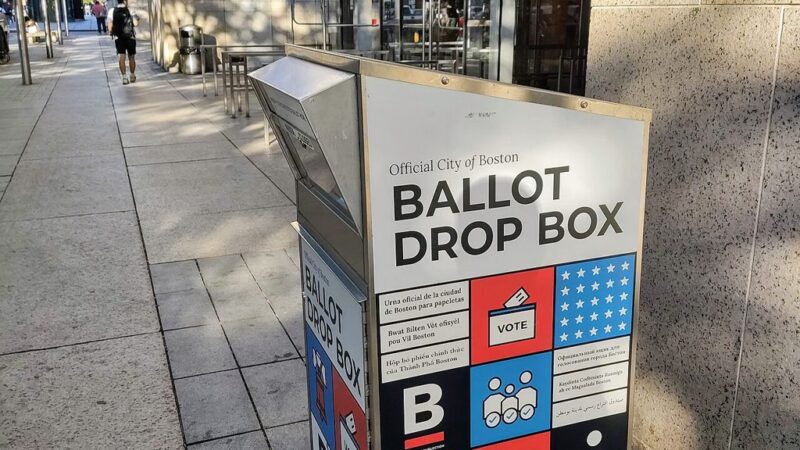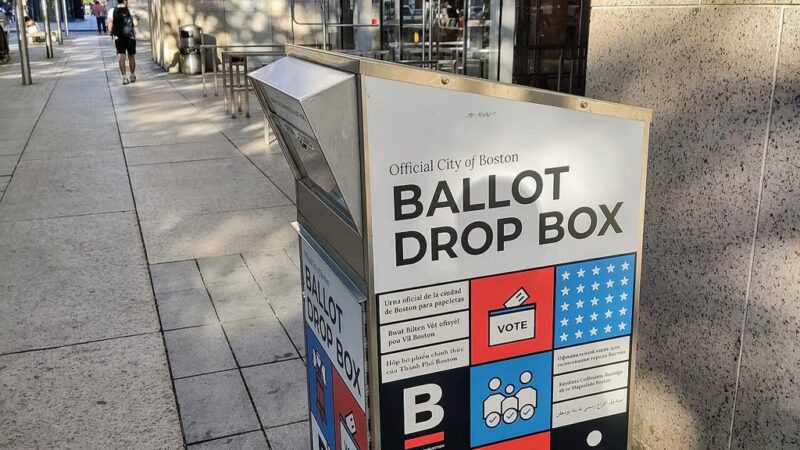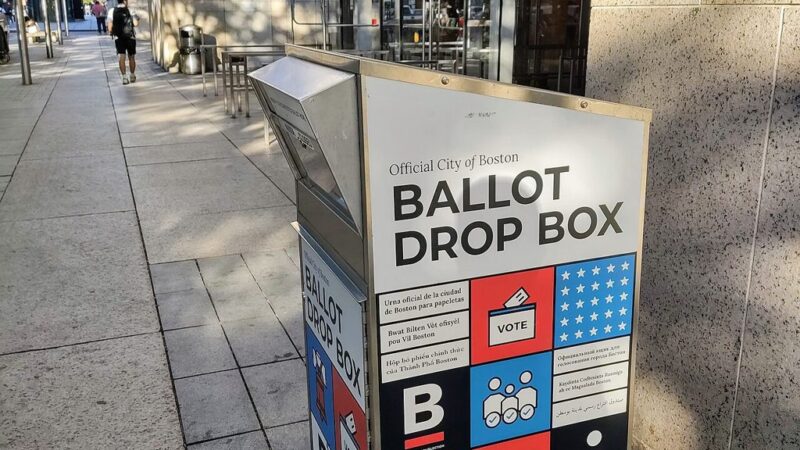
More than 51 million ballots have already been cast in the United States midterm elections, a record for a midterm, and a figure that says as much about how Americans vote as about who they will vote for. The total, compiled by researchers at the University of Florida’s Election Lab and reported as the campaign entered its final weekend, surpasses the nearly 46 million ballots cast before Election Day in 2022, the previous midterm, and it was reached with Election Day itself still to come.
A record early total does not, by itself, predict a record overall turnout, because early voting can substitute for Election Day voting, rather than adding to it. A voter who casts a postal ballot on Saturday is a voter who will not queue on Tuesday, and a campaign that banks early votes is a campaign that can spend Tuesday chasing voters who have not yet voted, rather than reminding supporters who already have. The record therefore describes a shift in when Americans vote, as much as a shift in whether they vote, and that shift has been driven by expanded early in person voting, by postal voting, and by campaigns that invest heavily in banking votes early.
What the record does signal is engagement. Midterm elections, which lack a presidential race at the top of the ballot, typically draw fewer voters than presidential elections, and a record early total suggests that voters, campaigns and media are treating this midterm as consequential, not routine. The stakes, 35 Senate races and all 435 House seats, with control of Congress at issue, have given voters a reason to vote early, and campaigns a reason to ask them to.
Reading the record carefully
Careful readers will note what the record does not show. It does not show who voted, in party terms, because not every state records party when a ballot is returned, and because registration is not a vote. It does not show how early voters voted, because ballots are secret, and early totals count ballots, not choices. And it does not show whether Election Day will add a surge, or a trickle, because that depends on weather, on local races, and on whether campaigns succeed in turning out voters who have waited until Tuesday.
Analysts therefore treat the early record as a participation signal, not a prediction. A high early total, combined with high Election Day turnout, would produce a high overall turnout, which would be a story in itself. A high early total, followed by a quiet Election Day, would produce a normal overall turnout, achieved earlier than usual, which is a story about convenience, not about enthusiasm. The difference will only be known after Tuesday’s polls close, and after postal ballots that arrive by state deadlines are counted.
Why campaigns bank votes early
Campaigns bank votes early for a practical reason: certainty. A vote cast is a vote that cannot be lost to bad weather, illness, a long queue, or a last minute change of mind, and a campaign that knows who has voted can focus its final days on voters who have not, rather than on supporters who already have. That efficiency is why both parties, regardless of their views on postal voting in the abstract, invest in early voting operations in practice, and why the early total has grown from cycle to cycle, as those operations have become more sophisticated.
The 51 million figure is therefore both a record and a routine: a record for a midterm, and a routine consequence of a voting system that increasingly allows Americans to vote before Election Day. What matters now is not whether the record will be broken again, but whether the voters behind it, early and on the day, will produce a Congress that reflects the country that voted, in all its diversity, and in all its disagreements.