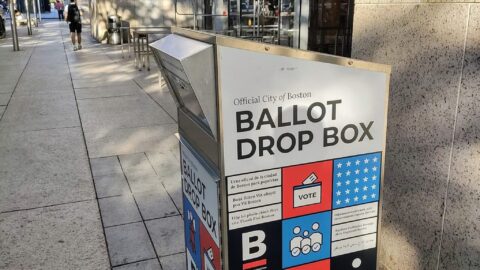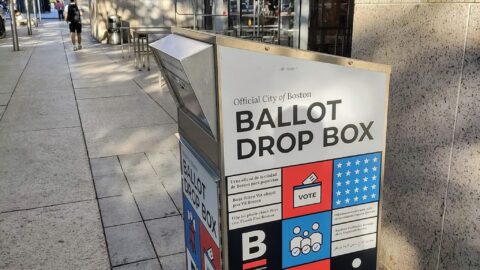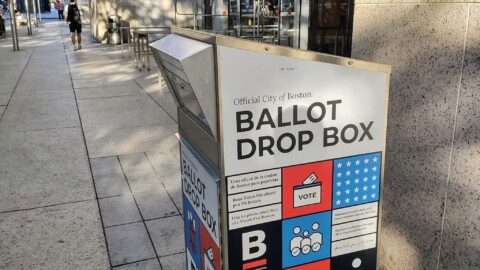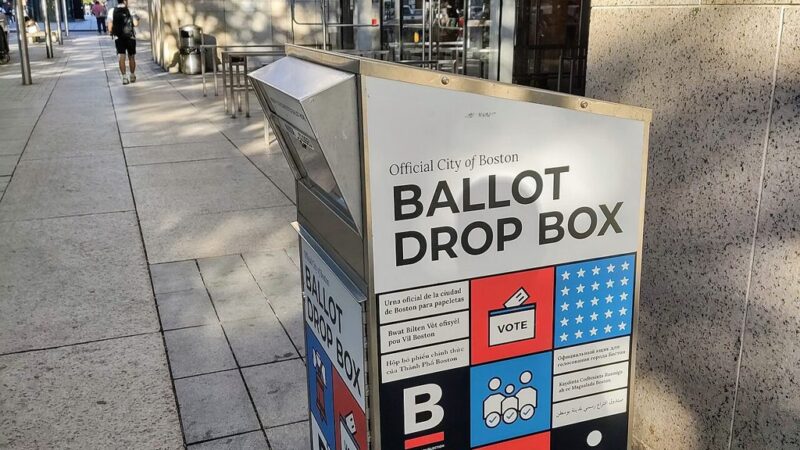
The 2026 midterms are often described as a national election, but they will be decided as a collection of local ones, on a map where most seats are safe and a handful decide everything. All 435 seats in the House of Representatives are on the ballot on Tuesday, November 3, along with 35 of the 100 Senate seats, and the results will set the tone for the final two years of President Donald Trump’s presidency. The national polls and the national early vote totals tell one story; the map tells another, more precise one, about where campaigns are spending their final weekend and why.
The Senate map is the narrower contest. Thirty five races, spread across states with very different politics, will determine whether Democrats can take control from Republicans, and Alaska has become the emblem of that fight, with a same name candidacy, a federal criminal investigation and a certification dispute all converging in a single race. Kansas, where Republican Senator Roger Marshall faces a tough re-election fight and advance ballots ran around two thirds ahead of 2022 last week, is another state where the Senate map and the turnout surge intersect. President Trump returns to the campaign trail on Sunday in Kansas and Iowa, a choice that reveals where his campaign believes the Senate will be won or lost.
The House map and the polling lead
The House map is broader and, on current polling, more favourable to Democrats. The RealClearPolling national congressional ballot average puts Democrats ahead by 51.4 percent to 43.2 percent, an 8.2 point lead, and an Economist/YouGov survey found 44 percent of registered voters expect Democrats to control the House after the election, against 31 percent who expect Republicans to retain it. National ballot polls do not decide individual districts, and an 8.2 point national lead can coexist with narrow losses in the districts that decide the majority, but the direction is consistent: Democrats enter the final weekend ahead in the national mood, if not yet in the seats that count.
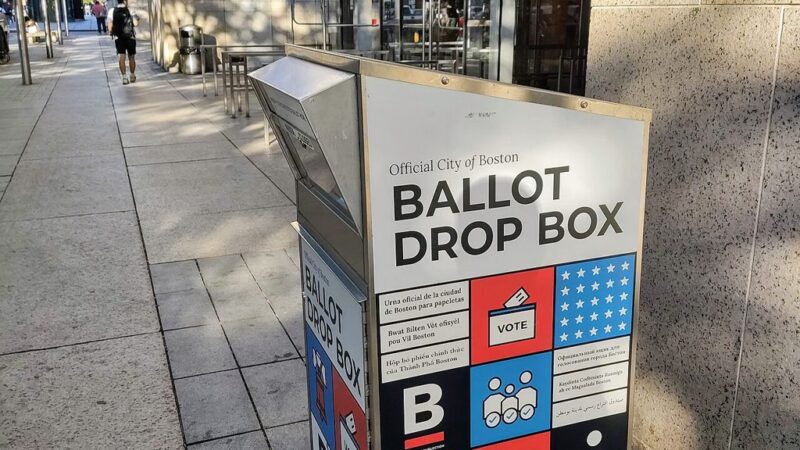
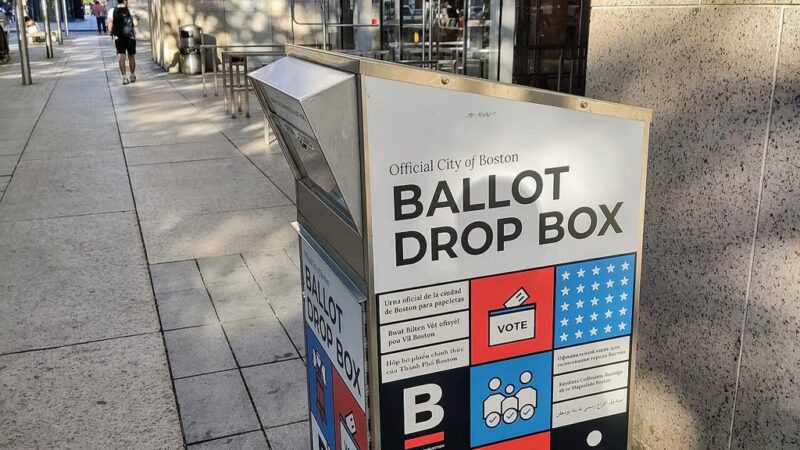
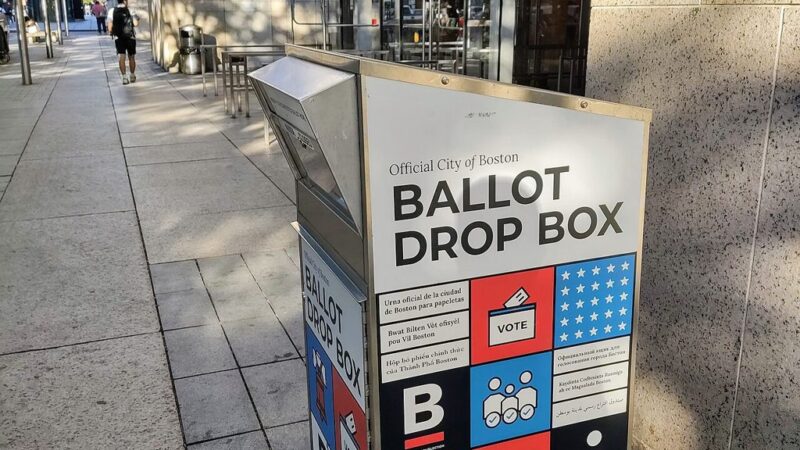
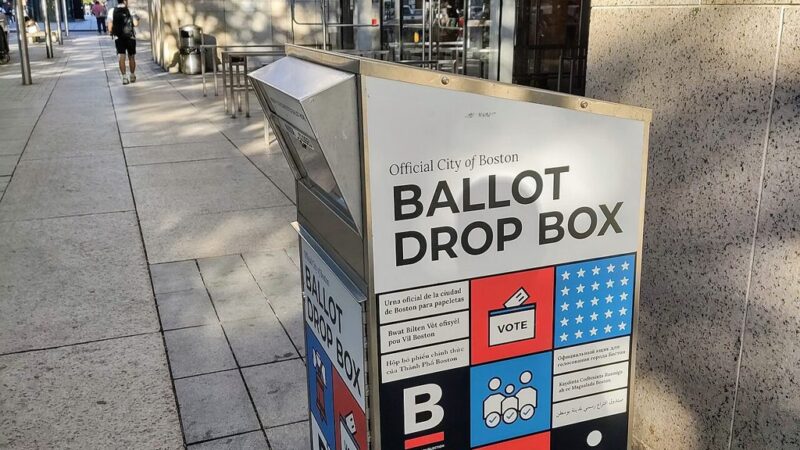
Early voting adds a further layer to the map. More than 49 million ballots have already been cast, a midterm record, with Texas above six million, Georgia breaking its midterm record and South Carolina passing its entire 2022 early total. In states that publish party registration, registered Democrats account for about 44 percent of early ballots, Republicans about 31 percent and unaffiliated voters about 25 percent, but those figures describe timing, not outcome, and Election Day voting still lies ahead. The Democrats lead national polls as the campaign enters its final days, with more than 43 million early votes counted in an Associated Press analysis released Friday, nearly 10 million more than at the same stage in 2022.
What the map means for the final weekend
The final weekend campaign is therefore fought in two modes at once: nationally, through rallies, polls and early vote headlines, and locally, through district by district mobilisation in the states and seats that will decide control. Trump is not scheduled to travel on Saturday, when politics, Halloween and college football collide across the country, and returns on Sunday in Kansas and Iowa, two states where the Senate map is live. Democratic campaigns, meanwhile, are focused on turning their early vote advantage into Election Day turnout, and on chasing the tens of millions of mail ballots still outstanding.
By Tuesday night, the map will have resolved into a House majority and a Senate majority, and the national polls and early totals will be judged against those results. A Democratic House majority with a Republican Senate, a Democratic sweep of both chambers, or a Republican hold in both, each produces a different final two years for the Trump presidency, from investigations to legislation to confirmations. The map, not the national mood, will decide which one happens, and the final weekend is the last chance for campaigns to move the handful of seats that make the difference.