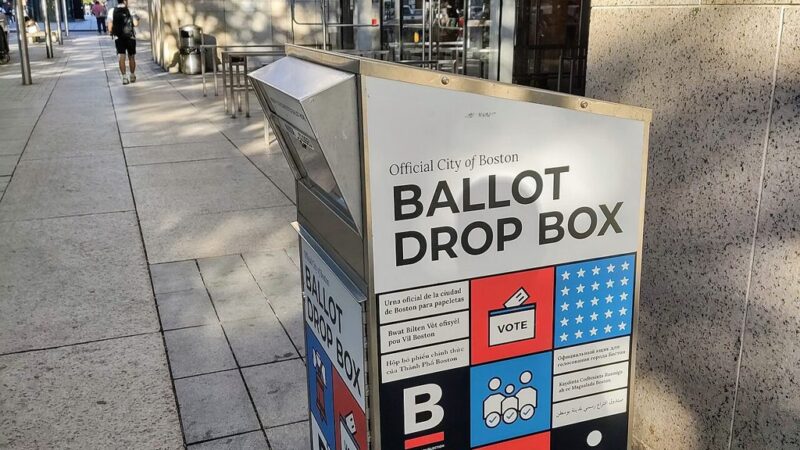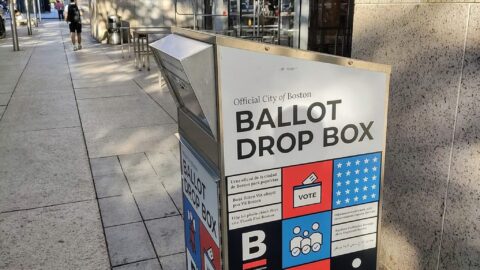

California voters decide 14 ballot measures alongside congressional races on Tuesday, according to midterm voting guides, a reminder that Election Day is about state and local policy as well as about control of Congress. Ballot measures allow voters to decide directly on issues that legislatures may avoid or deadlock on, from taxes and housing to criminal justice and environmental policy. In California, where direct democracy is well established, those measures can have larger practical effects on daily life than the congressional races that dominate national coverage.
The number 14 also shows why sample ballots matter. A voter who arrives at a polling place without reviewing the measures will face a long ballot, with complex wording and with arguments for and against each proposal that cannot be absorbed in the voting booth. State election offices publish voter guides and sample ballots in advance for that reason, and voters who review them beforehand can vote more thoughtfully and more quickly, reducing queues for everyone behind them.
Why measures matter nationally
Ballot measures matter nationally for two reasons. First, California is the largest state, so a measure that passes there can influence policy debates in other states, as legislators elsewhere watch whether voters accept a new tax, a new regulation, or a new spending commitment. Second, measures reveal voter preferences more directly than candidate races, because they are not filtered through party labels or candidate personalities. A voter who splits a ticket, voting for one party’s candidate but for the other party’s position on a measure, shows a nuance that candidate results alone hide.
The how to vote guide published before Election Day notes that sample ballots and voter guides list candidates and state or local questions, and that every Senate and governor race has its own page in midterm guides, with California’s measures listed separately. That structure is the right way to prepare: candidates first, measures second, and local questions last, with time to read each measure’s official summary before voting.
How to approach a long ballot
Read the official summary for each measure, check who supports and opposes it, and decide in advance, rather than in the booth. Note that a yes vote on a measure may mean approving a change, while a no vote may mean keeping the current law, but wording varies, so the summary, not the headline, is the reliable guide. California’s 14 measures will take time to decide, and that time is best spent before Tuesday, not while standing in a queue that is already long.