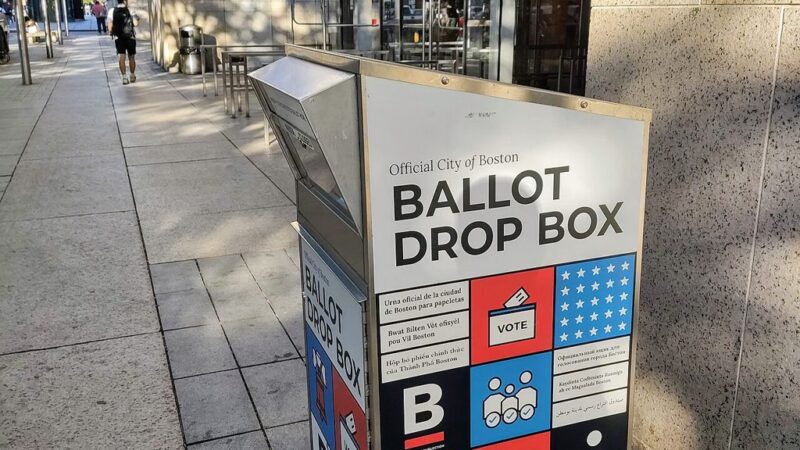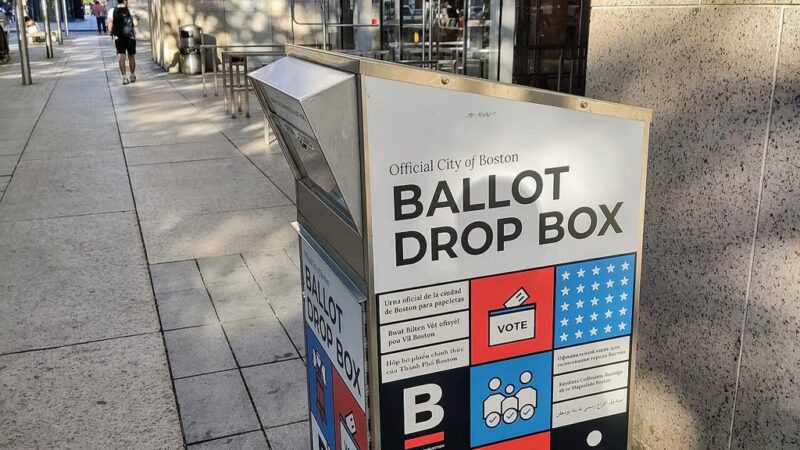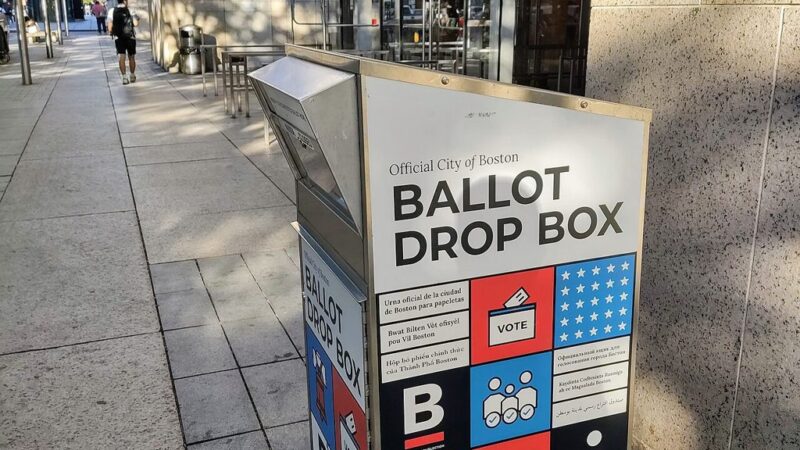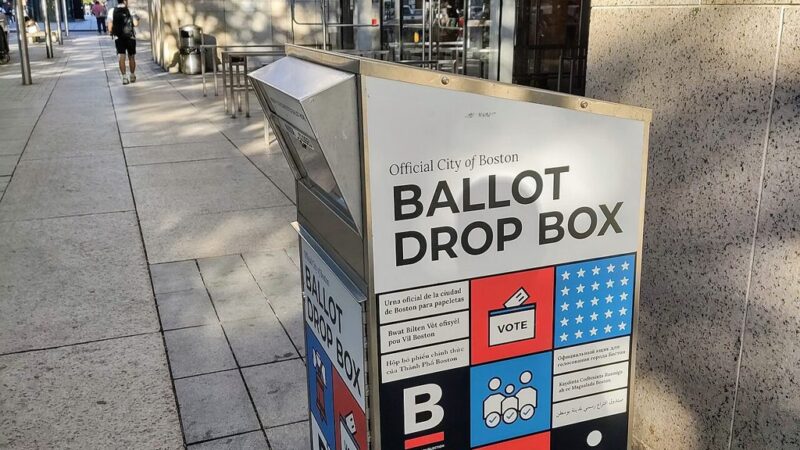
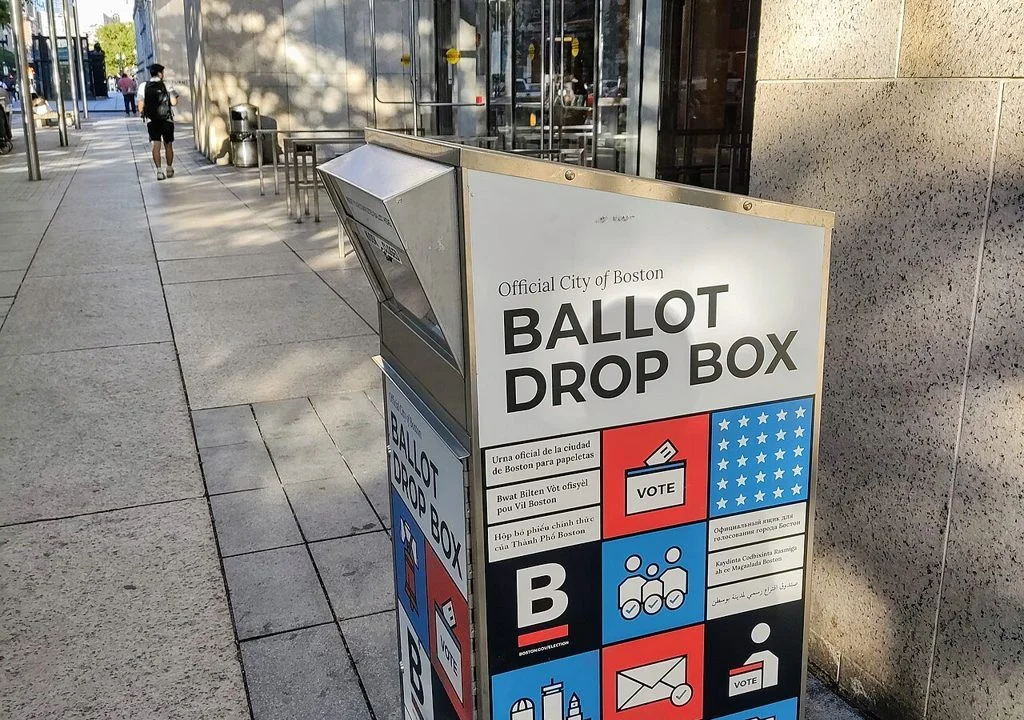
Five days before Election Day, the ballot itself deserves as much attention as the candidates on it. There are 58 ballot measures on Tuesday, November 3, across 24 states, on topics including life, voter identification, election integrity, taxes, sports participation rules and protections for children, among others. Those measures will decide laws directly, without a legislature in between, and their wording, often dense or misleading, can determine the outcome as surely as the underlying issue.
The scale of the ballot measure election is easy to overlook in a campaign dominated by Senate and House races, but it should not be. A ballot measure, once passed, becomes law, and it is often harder to amend than a statute passed by a legislature. Voters who study the candidates but not the measures are therefore deciding only half the election. State by state guides from nonpartisan sources, and sample ballots published by election offices, exist precisely to help voters navigate measures whose wording can obscure their effect.
Two measures that illustrate the problem
California’s Proposition 3, which would extend a tax on high incomes, and Proposition 39, on voter identification and citizenship verification, illustrate how a single state’s ballot can contain measures that pull in different directions, and how advocacy groups can support one and oppose another on the same ballot. A voter who follows a single group’s recommendations without reading the measures may find herself voting for a tax extension she opposes, or against an identification rule she supports, simply because she followed a slate rather than the text.
The early vote tracker shows 38.9 million ballots already cast, and many of those voters have already decided the measures as well as the candidates. For the voters who have not yet cast a ballot, the remaining five days are the time to read the measures, not only the candidate guides. A measure’s title is not its effect, and its summary, written by officials, is not a substitute for its text.
How to vote the measures well
Three steps help. First, read the full text or a nonpartisan summary of each measure on your ballot, not only its title. Second, check who supports and opposes it, and why, because the coalition behind a measure often reveals its likely effect better than its wording. Third, decide each measure on its own merits, rather than voting a straight slate, because measures on the same ballot frequently point in different directions. The candidates will govern for two or six years. The measures, in many cases, will govern for much longer. They deserve the same care.