The Federal Aviation Administration halted all departing United States flights for about four and a half hours on Friday, in a ground stop that exposed the fragility of the air traffic system. More than 13,000 flights were affected, about 8,600 Friday flights were canceled, and the disruption spilled into Saturday as airlines struggled to reset schedules, crews and aircraft.
Why it matters
The four hours began at 3:53 in the afternoon Eastern Time, when more than 3,500 planes were already airborne. The stop did not bring those planes down, but it froze everything on the ground, and the airports filled with passengers who had nowhere to go. The departure boards turned red city by city, and the system that moves millions of people a day simply stopped.
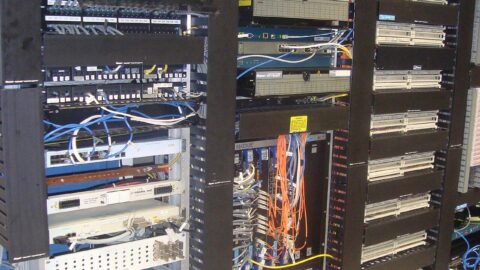
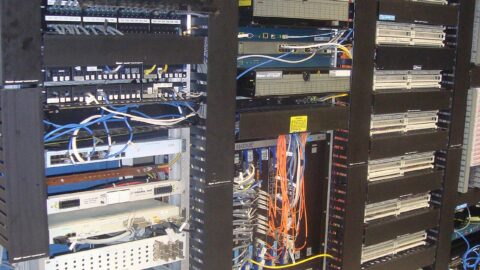
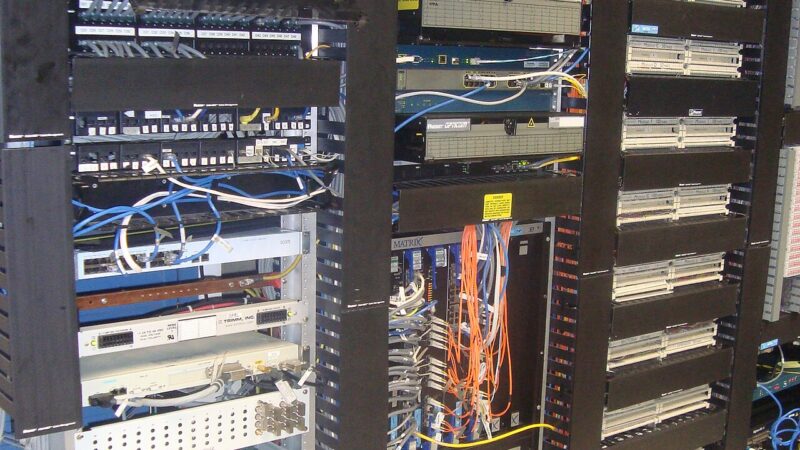
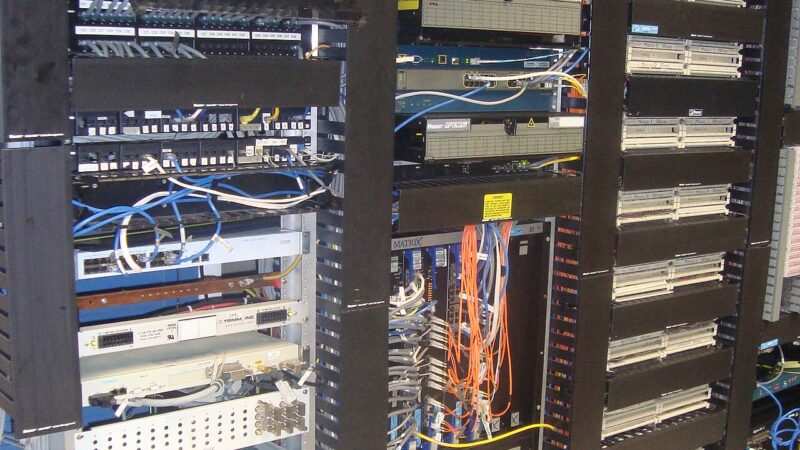
The cause was old equipment, not an attack. Transportation Secretary Sean Duffy said excessive data volume on switches and routers in the aging air traffic control system led to unstable data transmission. The Department of Homeland Security said there is currently no evidence of a cyberattack or deliberate sabotage, and President Trump pointed to aging, damaged infrastructure.
What happens next
The human story is the passengers. Families missed weddings and funerals, business travelers missed meetings, and crews timed out under federal rest rules, which meant Saturday flights were short of staff before they began. The backlog of a lost evening cannot be cleared in a morning, and the weekend became a test of patience for everyone who flies.
For now, the system is moving again and the inquest is starting. The ground stop has revived calls to rebuild air traffic control, and the debate will be about money and timelines. The four hours America stopped flying will be remembered as the day the country learned how fragile its skies have become.
The four hours also revealed how much the country takes flying for granted. Millions of people board planes every day without thinking about the system that guides them, and the ground stop was a reminder that the system is run by people and machines that can fail. The passengers who slept in airports on Friday will remember the night, and the airlines will remember the cost. The rebuild debate is about equipment and money, but it is also about whether the country values the system enough to fix it before it fails again.