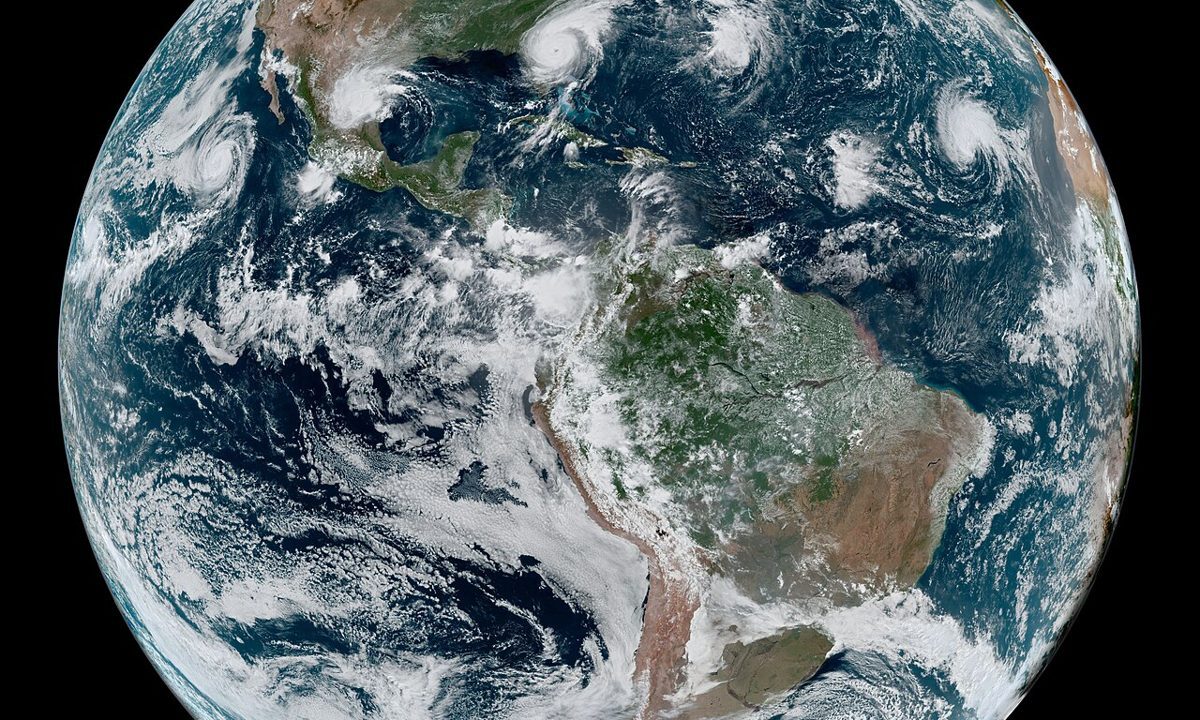
Arnab’s warning grid moved more than 100,000 people before landfall, and its inland phase is now teaching the system the harder lesson: how to warn river communities after the rain. The coastal evacuation was a success of forecasting, communication and logistics, with early warnings, a clear surge path, and a population that responded. The inland phase is a different kind of warning problem, because the danger arrives later, in places that were never evacuated, and the message must reach people who believe the storm has already passed.
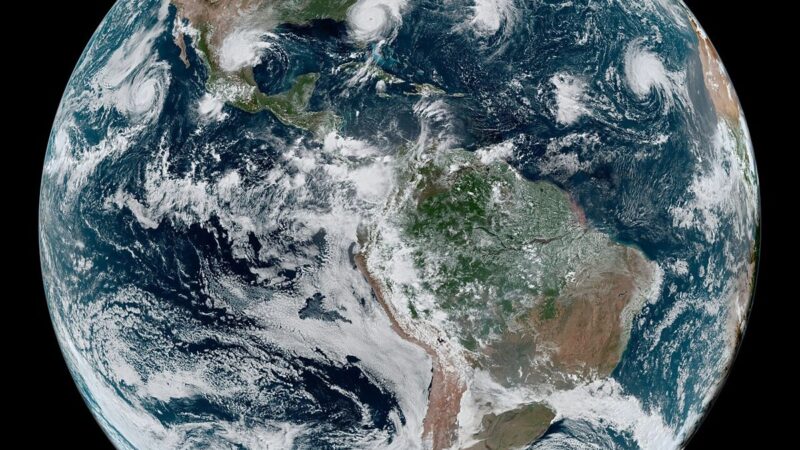
The technology behind the warning grid is a chain: satellite observation, numerical weather prediction, river level monitoring, and communication to officials and the public. Each link worked for the coastal phase. Satellites tracked the storm, models predicted its landfall, and warnings reached the surge path in time for evacuation. The inland phase tests the later links: river gauges that must report rising levels in real time, models that must predict flood peaks hours or days ahead, and communication that must reach inland villages, not only coastal districts.
The inland warning gap
The inland warning gap is partly technological and partly human. Technologically, river monitoring is sparser than coastal monitoring, because rivers are numerous and gauges are expensive to maintain. Humanly, inland residents are less accustomed to cyclone warnings, because they associate cyclones with the coast, and they are therefore less likely to act on a warning that arrives after the rain has stopped. Closing that gap requires both more gauges and better messages: warnings that explain, in plain language, that a river can rise after the rain, and that a road can flood even on a sunny day.
The next alert system must also cover the return phase. People who have evacuated and returned home are a particularly vulnerable group, because they have already experienced the storm and may assume the danger is over. Warnings that reach them must be specific: which river, which crossing, which village, and by when. General warnings about heavy rain are less effective than specific warnings about a river level at a named gauge, and the technology to provide those specifics exists, if it is deployed widely enough.
What Arnab will change
Arnab will change the next warning system in three ways: more river gauges in cyclone prone catchments, clearer inland messages that explain the delay between rain and flood peak, and warnings that continue after landfall rather than ending with it. The warning grid that moved 100,000 people before landfall proved the coastal system works. Its inland test will determine whether the next cyclone’s warning system protects river communities as well as coastal ones.
Technology alone does not save lives. Warnings save lives when people understand them, trust them and act on them, and Arnab’s inland phase is a reminder that understanding, trust and action must be built for rivers as well as for coasts. The next alert will be judged by whether it does that, and the work to build it should begin now, while Arnab’s lessons are still fresh.