
Romania’s government-formation negotiations have dominated domestic television debate, with party conditions, rival scenarios and even the prospect of snap elections argued nightly in public.
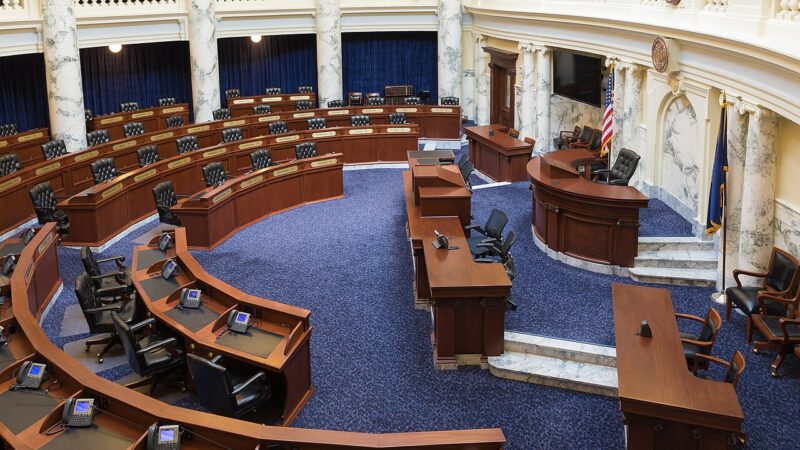
Romanian coverage of the 9 October cycle describes talks between the designated prime minister and the PSD, PNL and UDMR, alongside court and fiscal controversies competing for the same airtime. Coalition formation conducted through television creates its own incentives: leaders negotiate simultaneously with partners and with audiences. Featuring Desk uses the Warsaw palace image as a reminder that this is a European genre, not a Romanian exception — and explains how to read formation talks without mistaking each day’s leak for a final arithmetic.
Why this belongs on the Politics front is that somebody must eventually vote, sign, fund or block the thing being discussed. Speeches are cheap precisely because consequences are itemised later, in budgets and court lists. Featuring Desk will track this story to the vote, the signature or the quiet abandonment — each of which is a result, and only one of which tends to get a press conference.
What happens next will be reported here rather than trailed. If the expected document, result or ruling slips, the delay itself is information and will be treated as such. Readers returning to this story should check the date at its head and any correction note at its foot before citing it, because a features-led desk updates in the open and expects to be read that way.
Reporting note: this Featuring Desk account is original writing based on the reputable sources cited in the desk’s research for 9–10 October 2026, checked against at least two reputable signals wherever available. Figures and claims attributed to companies, campaigns, agencies or researchers are labelled as such in the text; developing details will be updated and corrected under our Corrections policy.
One discipline helps with stories of this kind: keep three ledgers. The first records what was actually said or signed. The second records what officials and opponents claim it means. The third, usually empty on the first day, records what was then done. Featuring Desk maintains all three for this story and will promote material between ledgers only when evidence — a text, a vote, a filing, a dated act — justifies the move. Most political disappointment lives in the quiet gap between ledger one and ledger three.