NASA and the Department of Energy have signed a memorandum on space nuclear power and propulsion, effective 1 November, formalising cooperation from research to launch operations.
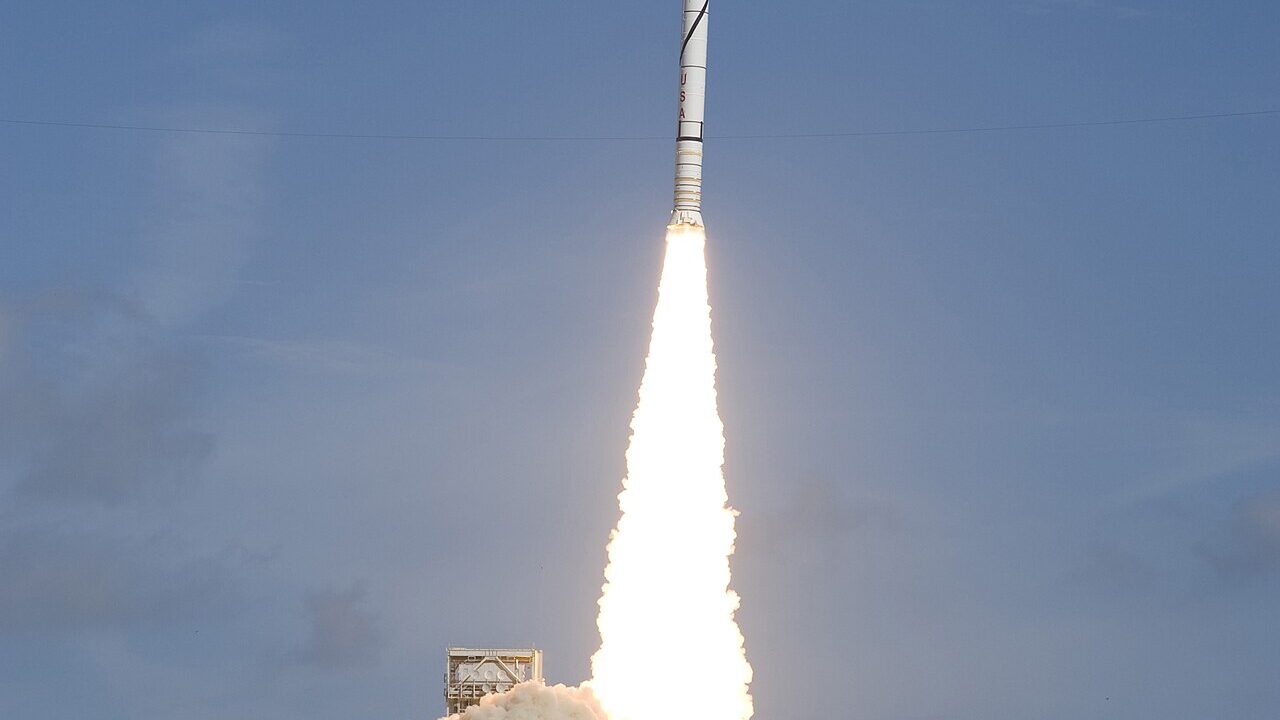
Announced on 8 October by Administrator Jared Isaacman and Energy Secretary Chris Wright, the agreement backs a launch-ready lunar surface reactor by 2030 and a fission-powered interplanetary craft targeted for December 2028. A rocket lifting off, pictured here, is the visible tip of paperwork about fuel, testing and safety cases. Featuring Desk explains why steady nuclear power changes what missions can attempt far from the Sun — and why only one United States fission reactor has flown since 1965.
Why this belongs on the Science front is that a result earns its headline by surviving other people’s attempts to break it. Featuring Desk will follow this story through replication, data release and the first independent uses of the method or mission, and will distinguish carefully between what the original team showed, what commentators inferred and what nobody knows yet. That patience is the entire product.
What to watch next is not another statement but a verifiable step: a published document, a dated fixture, a figure restated by its original publisher or a follow-up study that other specialists can inspect. Until that step appears, this account stands as the desk’s best verified summary, with company, campaign and researcher claims labelled as claims and official positions attributed to the offices that issued them.
Reporting note: this Featuring Desk account is original writing based on the reputable sources cited in the desk’s research for 9–10 October 2026, checked against at least two reputable signals wherever available. Figures and claims attributed to companies, campaigns, agencies or researchers are labelled as such in the text; developing details will be updated and corrected under our Corrections policy.
One discipline helps with science stories of this kind: ask what observation would embarrass the claim. Every strong result in this account survives that question in principle — there is a measurement, a replication or a mission milestone that could weaken it — and the desk regards that vulnerability as the finding’s credential rather than its flaw. Featuring Desk will report the embarrassing observation with the same prominence if it arrives, because a science section that only celebrates is merely a fan club with footnotes.