The 2026 Nobel Prize in Physics has been awarded to Francis Halzen for decisive contributions to the IceCube Neutrino Observatory and the discovery of high-energy neutrinos from space.
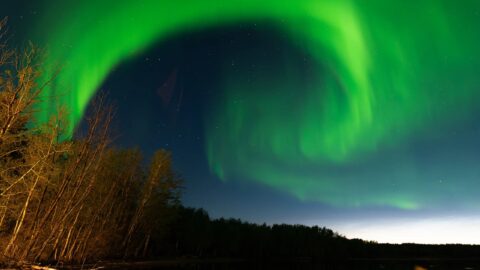
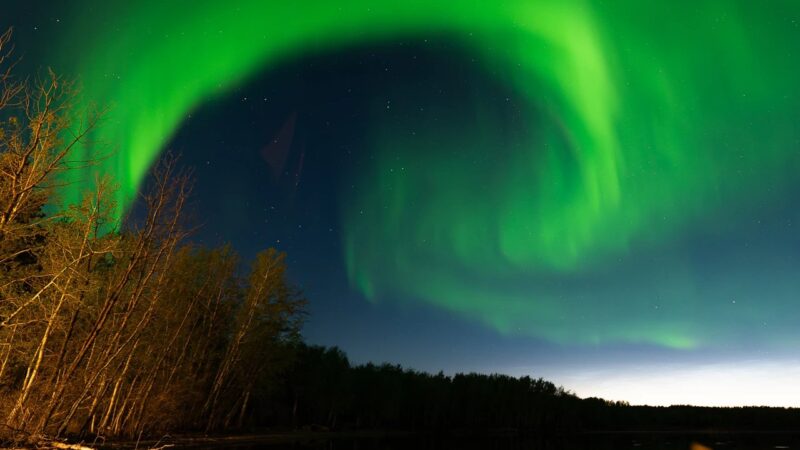
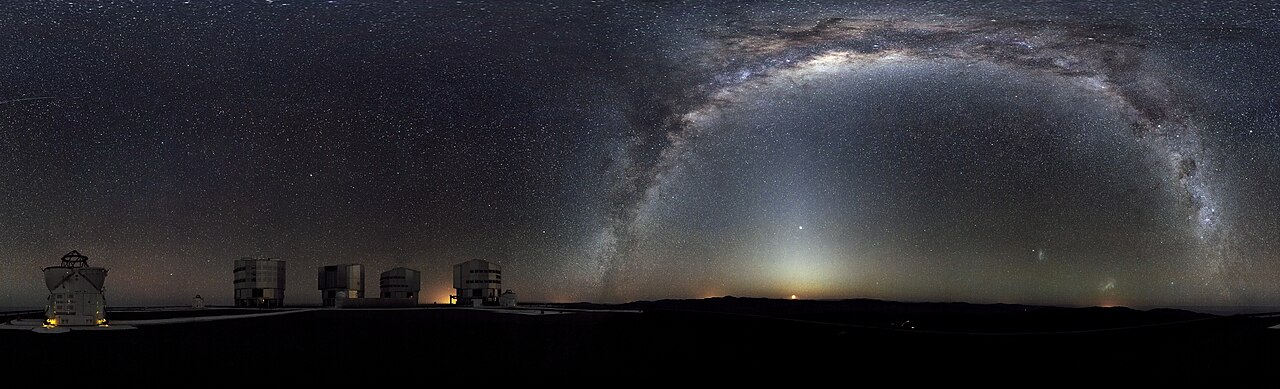
IceCube turns a cubic kilometre of Antarctic ice into a telescope for particles that pass through almost everything, including the Earth. The southern-sky panorama pictured here — observatories under the Milky Way — evokes the extreme, dark clarity such work requires. Britannica and Nobel roundups frame Halzen’s prize as recognition of a decades-long bet that the least interactive particles would carry the most violent news from distant accelerators. This science feature explains what a cosmic neutrino can tell astronomers that light cannot.
Why this belongs on the Science front is that a result earns its headline by surviving other people’s attempts to break it. Featuring Desk will follow this story through replication, data release and the first independent uses of the method or mission, and will distinguish carefully between what the original team showed, what commentators inferred and what nobody knows yet. That patience is the entire product.
What to watch next is not another statement but a verifiable step: a published document, a dated fixture, a figure restated by its original publisher or a follow-up study that other specialists can inspect. Until that step appears, this account stands as the desk’s best verified summary, with company, campaign and researcher claims labelled as claims and official positions attributed to the offices that issued them.
Reporting note: this Featuring Desk account is original writing based on the reputable sources cited in the desk’s research for 9–10 October 2026, checked against at least two reputable signals wherever available. Figures and claims attributed to companies, campaigns, agencies or researchers are labelled as such in the text; developing details will be updated and corrected under our Corrections policy.
One discipline helps with science stories of this kind: ask what observation would embarrass the claim. Every strong result in this account survives that question in principle — there is a measurement, a replication or a mission milestone that could weaken it — and the desk regards that vulnerability as the finding’s credential rather than its flaw. Featuring Desk will report the embarrassing observation with the same prominence if it arrives, because a science section that only celebrates is merely a fan club with footnotes.