

One issue that resonates with many North Fork parents is the loss of control over decisions involving their children once they turn 18. While we may know better, an 18-year-old is generally considered an adult under New York law.
Many are just beginning their journey into adulthood, whether they are starting advanced training, heading off to college or beginning a job near or far from home. Yet parents’ rights change suddenly when their children turn 18, and they no longer have complete access to their children’s financial, educational and health records — even if they are still paying the bills.
Prepare for the unexpected
It’s a scary thought, but your child may someday be in a situation in which they cannot make decisions for themselves. An accident, illness or even excessive drinking or drug use could leave them incapacitated. That is why it is important to establish a parent’s legal authority to act on an adult child’s behalf before an emergency occurs.
To create that authority, you would enlist the help of an attorney to put a health care proxy and power of attorney in place once your child turns 18. You might also consider having an attorney prepare a will and/or revocable trust.
Health care proxy
A health care proxy is a document that appoints someone you trust — known as an “agent” — to make medical decisions for you if you are unable to make them yourself. These decisions can include whether to terminate life support or artificial nutrition and hydration, so it is important to choose someone you literally trust with your life.
Young adults should sign a health care proxy appointing a parent or another trusted adult to make medical decisions for them if they are unable to do so. A health care proxy should also include privacy, or HIPAA, language allowing doctors to disclose medical information to the parent or other designated agent.
For example, John and Mary’s son, Mike, is taken to the emergency department at Peconic Bay Medical Center after hitting his head in a boating accident. He is unconscious and unable to speak for himself.
John and Mary need information about what happened, including whether Mike may have consumed alcohol or other substances. They also know his medical history and the medications he is taking, information that could affect how doctors treat him and potentially save his life.
Durable power of attorney
A durable power of attorney is a legal document in which you, known as the “principal,” give another person, known as the “agent,” the authority to act on your behalf in managing your affairs.
These powers can be extremely broad, allowing the agent to invest assets, sign contracts and handle other financial or legal matters. You determine the scope of the authority you wish to grant.
A young adult should have a durable power of attorney appointing a parent or another trusted adult to act as an agent in legal and financial matters if the young adult is unavailable or mentally or physically incapable of handling those matters.
For example, Tracey and Kieran’s daughter, Frances, plans to attend Stony Brook University after completing a year abroad in Australia. She intends to rent an apartment near campus with friends when she returns.
Her friends tell her she must sign the lease immediately or they will lose the apartment. In addition, $5,000 must be transferred from Frances’ savings account to her checking account to cover the security deposit.
Because Frances signed a durable power of attorney naming Tracey and Kieran as her agents, they can sign the lease and transfer the funds while she is out of the country.
Will and/or revocable trust for an adult child
If an adult child is fortunate enough to have substantial assets at age 18, they should have a will and/or revocable trust directing where those assets should go if they die.
Under New York law, if someone dies leaving only parents and no spouse or children, the parents inherit the child’s assets. While inheritance would understandably be the last thing on a grieving parent’s mind, those assets could unintentionally increase the size of the parent’s taxable estate and disrupt an otherwise carefully considered estate plan.
Before your child begins the next chapter of adulthood, making sure these documents are in place can provide peace of mind and protect both your child and your family if the unexpected happens.
Ms. Marcin is a partner at Rivkin Radler LLP, where she concentrates in trusts, states and tax law.
The post Guest Column: Preserving parental decision-making rights appeared first on The Suffolk Times.
24World Media does not take any responsibility of the information you see on this page. The content this page contains is from independent third-party content provider. If you have any concerns regarding the content, please free to write us here: contact@24worldmedia.com
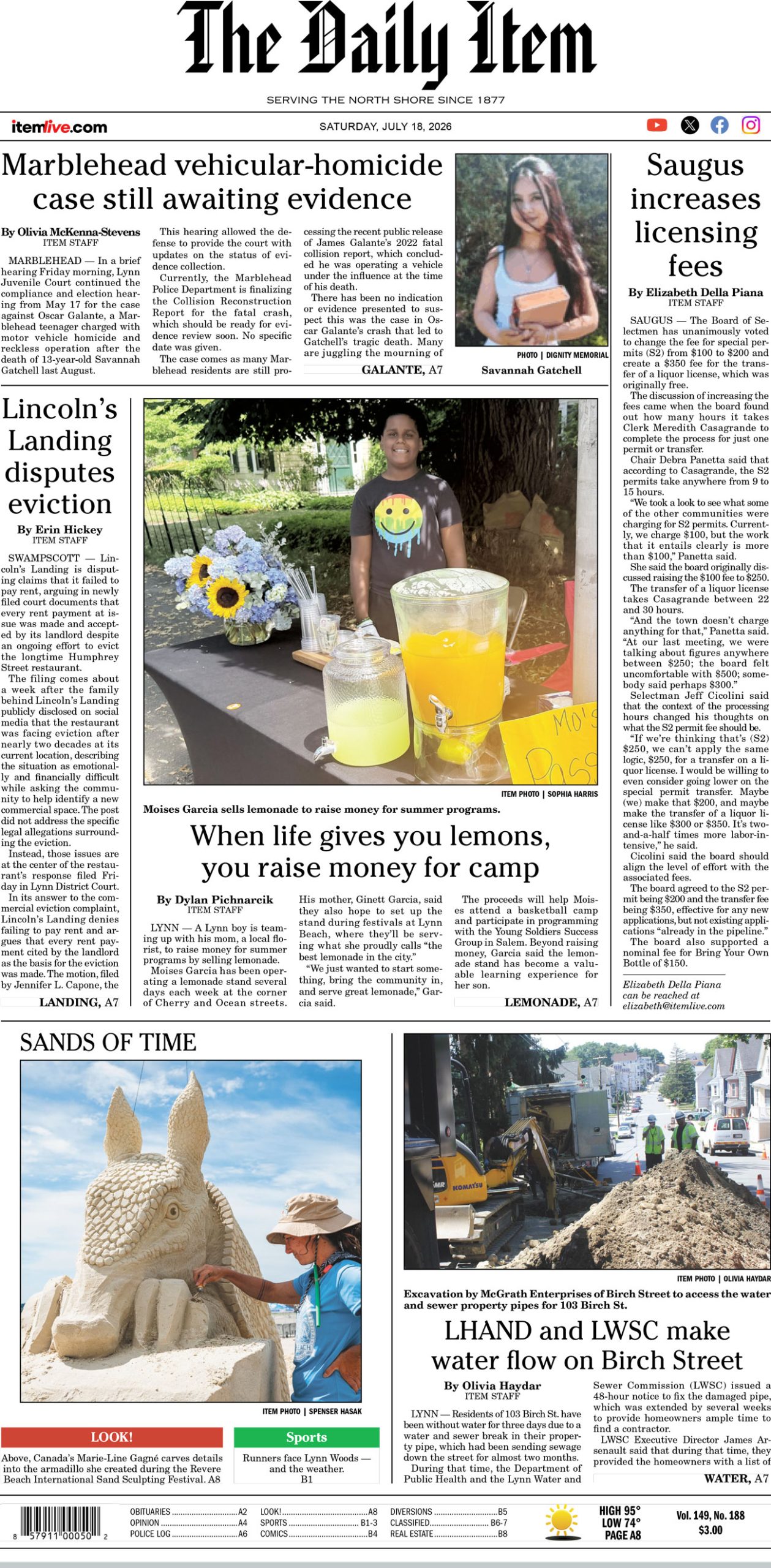
The post Today’s page 1: 7-18-26 appeared first on Itemlive. Source...

LYNN — Residents of 103 Birch St. have been without water for three days due to a water and sewer break...
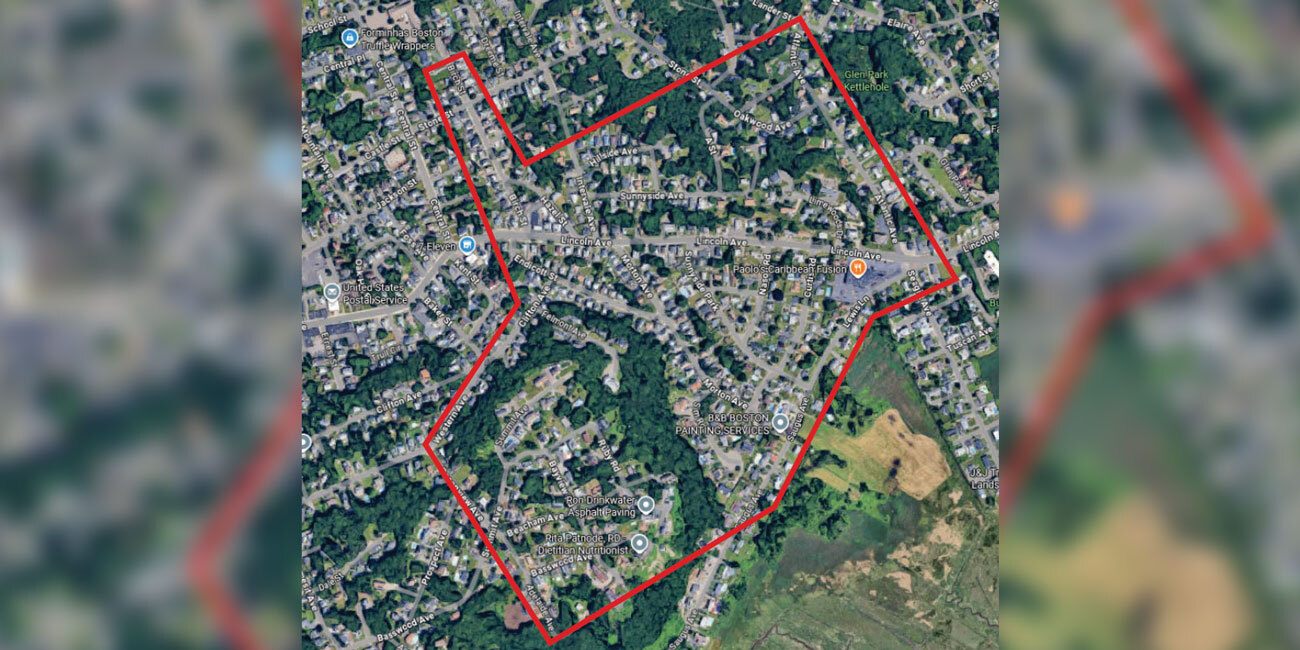
SAUGUS — The Town of Saugus is alerting residents that work will begin on Monday, July 20, to collect...

All address information, particularly arrests, reflects police records. In the event of a perceived...

SWAMPSCOTT — Lincoln’s Landing is disputing claims that it failed to pay rent, arguing in newly filed...

MARBLEHEAD — In a brief hearing Friday morning, Lynn Juvenile Court continued the compliance and...

Saugus increases licensing fees – Itemlive

When life gives you lemons, you raise money for camp

North Fork nature and art highlighted once again in the Bird Song Project

Pappathanasi, Gable score at Tedesco

Team of the Week – Lynnfield 12-year-old All-Stars

Runners face Lynn Woods — and the weather

Pickleball League still a smash hit

‘Bring back Claudio’s’: Amalfi signs disappear as closure reignites debate over Greenport landmark

New Discover Long Island boss Wyman sees year-round tourism opportunity for East End

Daughter donates grief care packages to PBMC a year after dad Peter Sultan’s tragic death

Today’s page 1: 7-17-26

Lynnfield ends 17-year drought, beats Peabody West