Four crew members have returned to Earth after almost eight months aboard the International Space Station, splashing down in the Pacific off Los Angeles aboard a SpaceX Crew Dragon on 8 October.
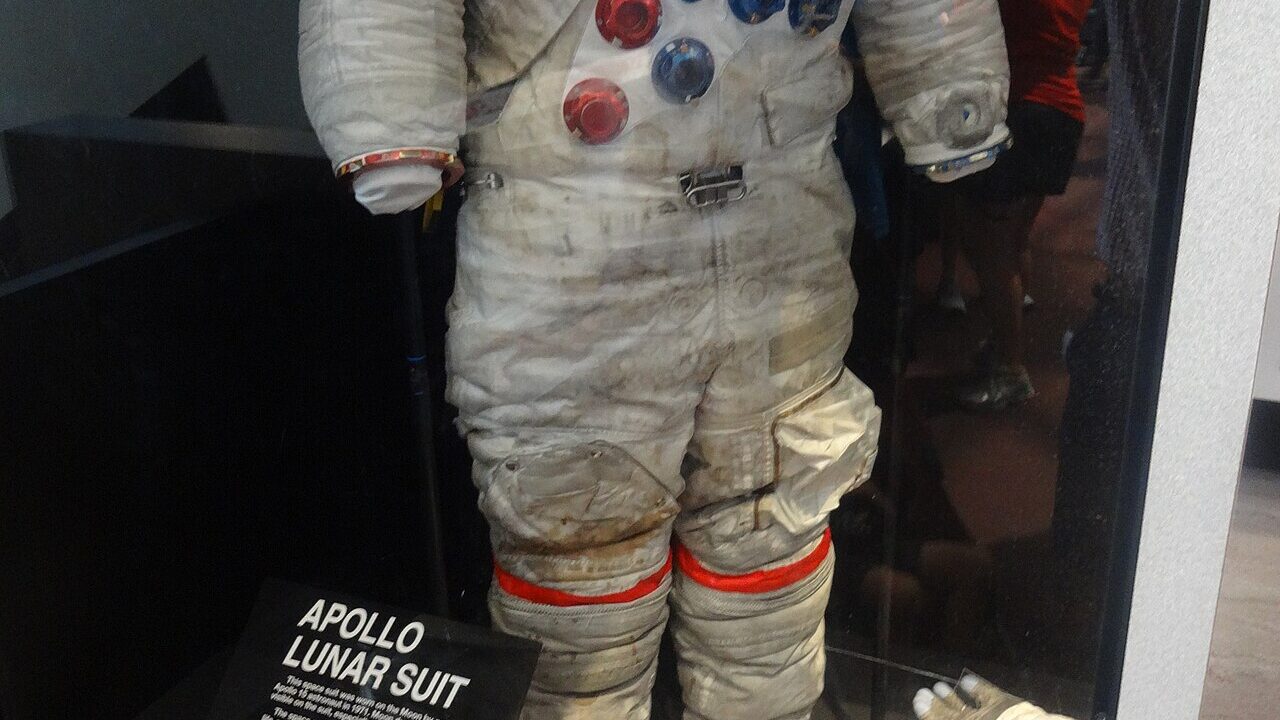
NASA reporting describes Commander Jessica Meir, Pilot Jack Hathaway, European Space Agency astronaut Sophie Adenot and Roscosmos cosmonaut Andrey Fedyaev completing dozens of experiments on stem cells, crystal growth and bone loss, with Meir logging four spacewalks. The preserved Apollo spacesuit pictured here connects their routine return to the programme’s long apprenticeship. Featuring Desk’s science desk follows the samples rather than the splashdown: a mission’s scientific life properly begins when its data reach laboratories on Earth.
Why this belongs on the Science front is that a result earns its headline by surviving other people’s attempts to break it. Featuring Desk will follow this story through replication, data release and the first independent uses of the method or mission, and will distinguish carefully between what the original team showed, what commentators inferred and what nobody knows yet. That patience is the entire product.
What happens next will be reported here rather than trailed. If the expected document, result or ruling slips, the delay itself is information and will be treated as such. Readers returning to this story should check the date at its head and any correction note at its foot before citing it, because a features-led desk updates in the open and expects to be read that way.
Reporting note: this Featuring Desk account is original writing based on the reputable sources cited in the desk’s research for 9–10 October 2026, checked against at least two reputable signals wherever available. Figures and claims attributed to companies, campaigns, agencies or researchers are labelled as such in the text; developing details will be updated and corrected under our Corrections policy.
One discipline helps with science stories of this kind: ask what observation would embarrass the claim. Every strong result in this account survives that question in principle — there is a measurement, a replication or a mission milestone that could weaken it — and the desk regards that vulnerability as the finding’s credential rather than its flaw. Featuring Desk will report the embarrassing observation with the same prominence if it arrives, because a science section that only celebrates is merely a fan club with footnotes.