

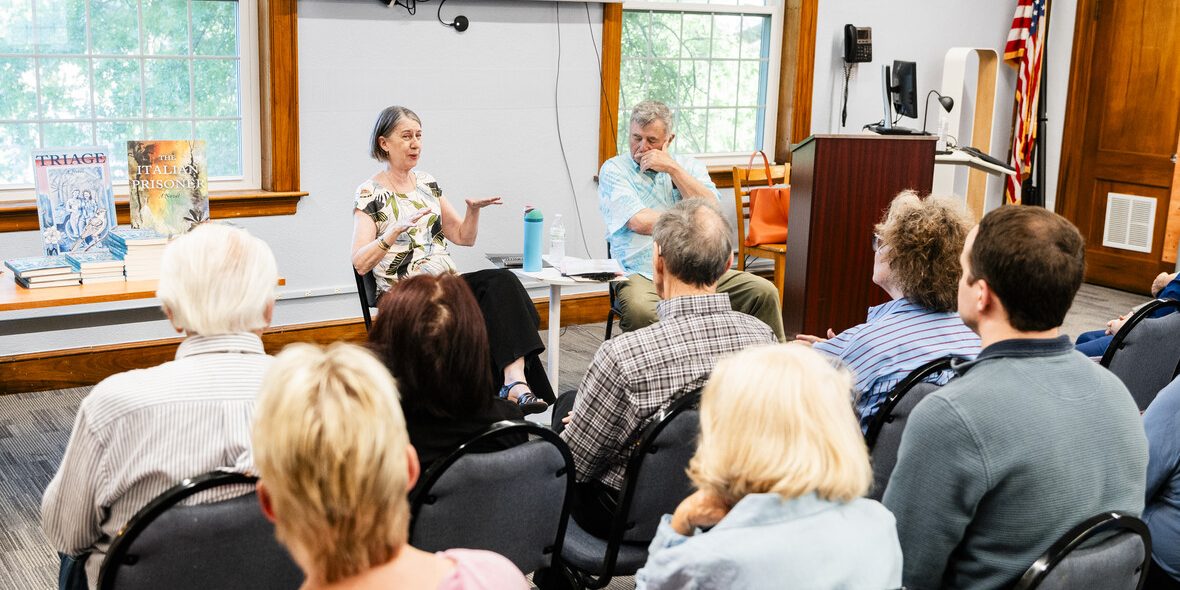
SWAMPSCOTT — Local author Elisa Speranza’s latest novel shines a light on a group she believes history has largely overlooked: the tens of thousands of American nurses who served during World War II.
Speaking at the Swampscott Public Library, the Swampscott and Lynn native discussed “Triage,” a historical fiction novel inspired by the experiences of military nurses and the lasting effects of war long after the fighting ends.
“There were 70,000 American nurses that served in World War II, and 222 of them died,” Speranza said. “But you don’t hear much about them … they never got their due.”
Speranza said one reason the nurses’ stories have been overlooked is that many returned home to a society that did not view them the same way it viewed male veterans. Although Army nurses served as commissioned officers and often worked close to the front lines, they were rarely recognized alongside the soldiers they treated and were often excluded from veterans’ organizations after the war.
That absence from the historical record became the driving force behind the novel, which follows Laura, a former Army nurse struggling with grief, trauma, and guilt in the years after the war.
The character holds a personal connection for Speranza. Laura is named for her late sister, and Speranza said she drew on conversations with nurses while developing the story, including her sister Helen Tieger, who serves on Swampscott’s Board of Health, and medical professionals who worked through the COVID-19 pandemic.
Their experiences helped shape a novel that explores not only active service in times of crisis, but also the emotional toll that can linger long after the experience has passed.
Introducing Speranza, local historian Len Cawley traced her career through journalism, development work, and fiction writing, though Speranza noted her very first job was just a few floors down in the Children’s Room at the public library.
“This is the point where I’d say, ‘Elisa, you’ve come a long way,’” Cawley joked. “But apparently, she hasn’t.”
Speranza explained that “Triage” grew out of research she conducted while writing her first novel, “The Italian Prisoner.” As she sifted through wartime letters, journals, and memoirs, she became increasingly interested in the stories of military nurses, many of whom received little recognition despite serving near active combat zones.
“Research is my favorite part of writing,” she said. “It’s a slippery slope, because you can just spend hours and hours looking up all kinds of information.”
Her research eventually took her to Italy, where she visited battlefields and military cemeteries connected to the Allied campaign. One stop at the Sicily-Rome American Cemetery introduced her to the story of military nurse Ellen Ainsworth, who died at Anzio after saving the lives of 24 soldiers. Ainsworth, who also appears as a character in the book, is buried in a cemetery honoring the “sons” of the United States.
Experiences like that reinforced Speranza’s belief that nurses have often been overlooked in traditional accounts of World War II.
“That’s what inspired me,” she said. “They seem to have been written out of history, and I wanted to write this story.”
The discussion also touched on themes of trauma, mental health, resilience, and friendship. Although “Triage” is set in the 1940s and 1950s, Speranza said many of its central questions remain relevant.
“I think when you read the book, you’ll see there are a lot of echoes in what we’re going through today,” she said.
Among the lessons she hopes readers take from the novel is the importance of maintaining close relationships during difficult times.
“The saving grace of female friendships really resonates for me,” Speranza said. “I think that’s a kind of solace and resource when times are tough.”
Following the discussion, Speranza answered questions from audience members about historical fiction, research, and publishing. She also shared that she is at work on another historical novel, this one set in Lynn in 1962 — another chapter of local history that she believes deserves a wider audience.
24World Media does not take any responsibility of the information you see on this page. The content this page contains is from independent third-party content provider. If you have any concerns regarding the content, please free to write us here: contact@24worldmedia.com
SWAMPSCOTT — Local author Elisa Speranza’s latest novel shines a light on a group she believes...

Brakeyshia Samms On June 19, 1865, enslaved people in Texas belatedly learned that they were free, an...
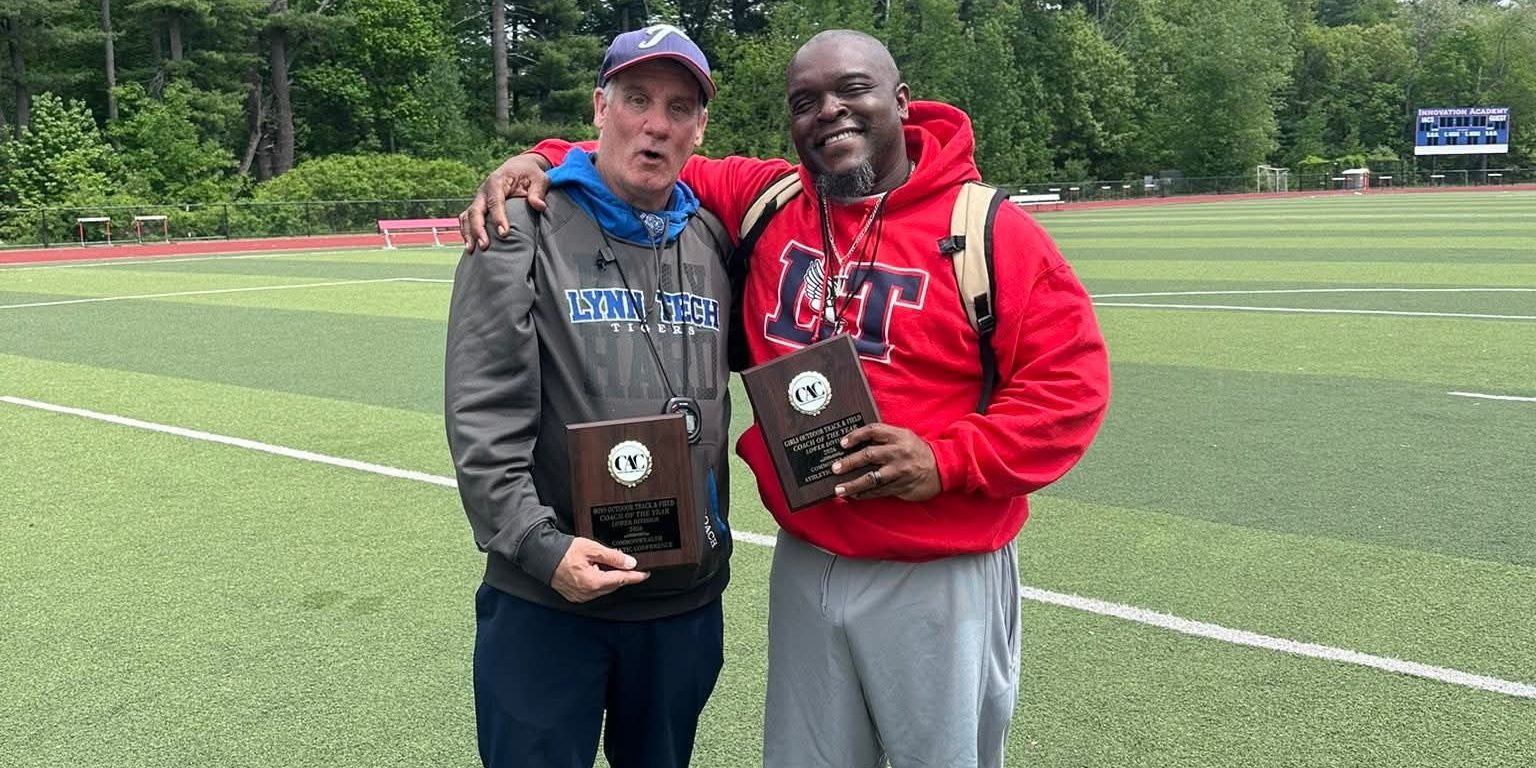
LYNN — The Lynn Tech boys and girls track and field teams delivered outstanding seasons, led by boys...

To the editor: I am writing to express my support for Zosia VanMeter in the upcoming election for the 9th...
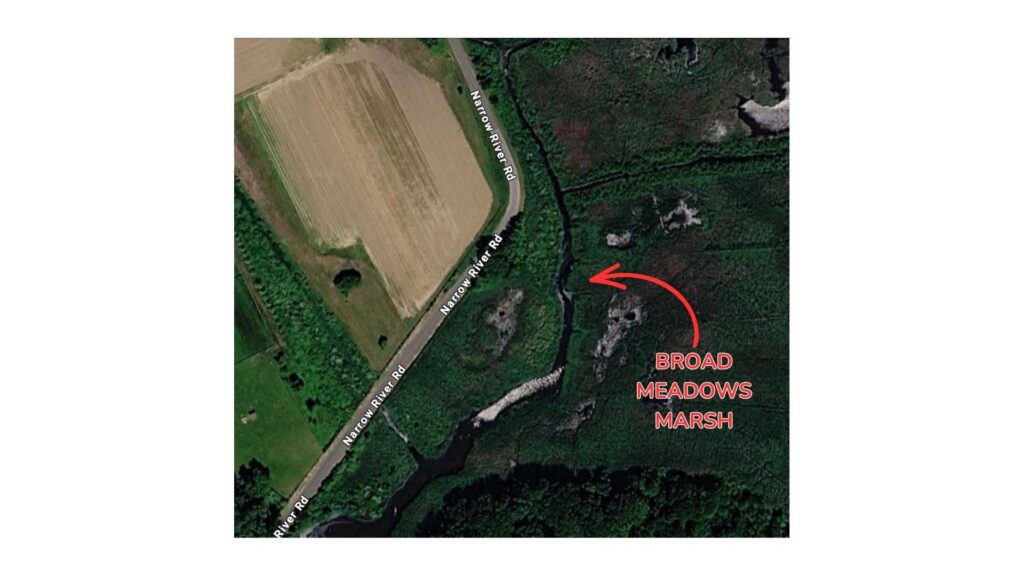
Southold officials moved Tuesday to seek a $500,000 grant for upgrades to a vulnerable Orient waterway...

GIRLS Dunn Division championMarblehead Lynch Division championSwampscott Player of the YearNikki Carr –...

Krause: Every dog has its day
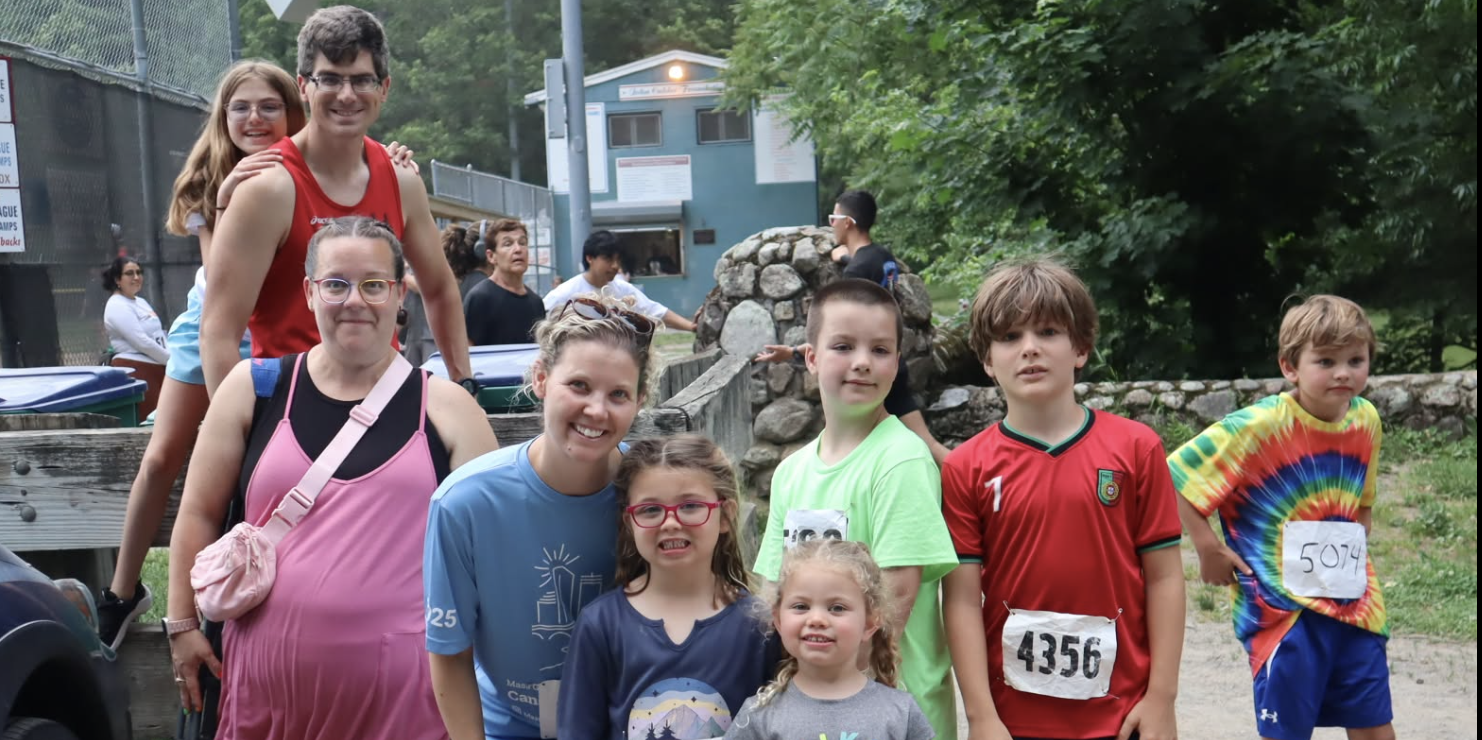
130 runners take on Lynn Woods

Greenport Fire Department memorial service set for Sunday
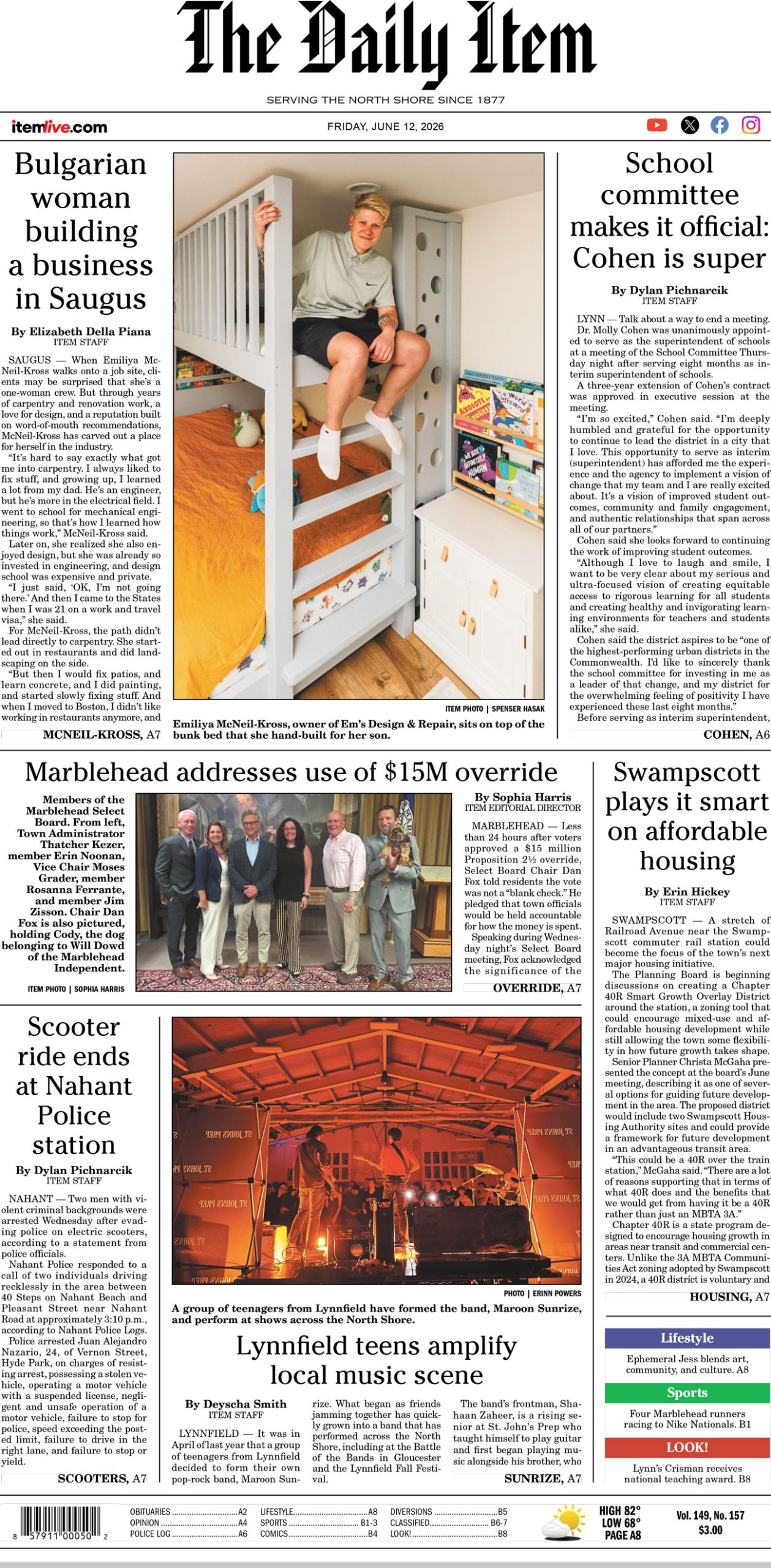
Today’s page 1: 6-12-26
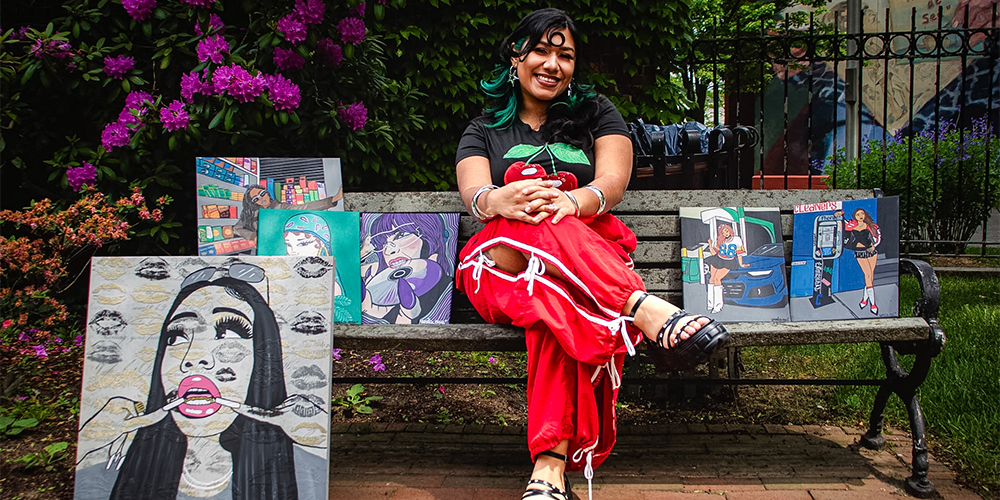
Lynn’s Ephemeral Jess blends art, community, and culture
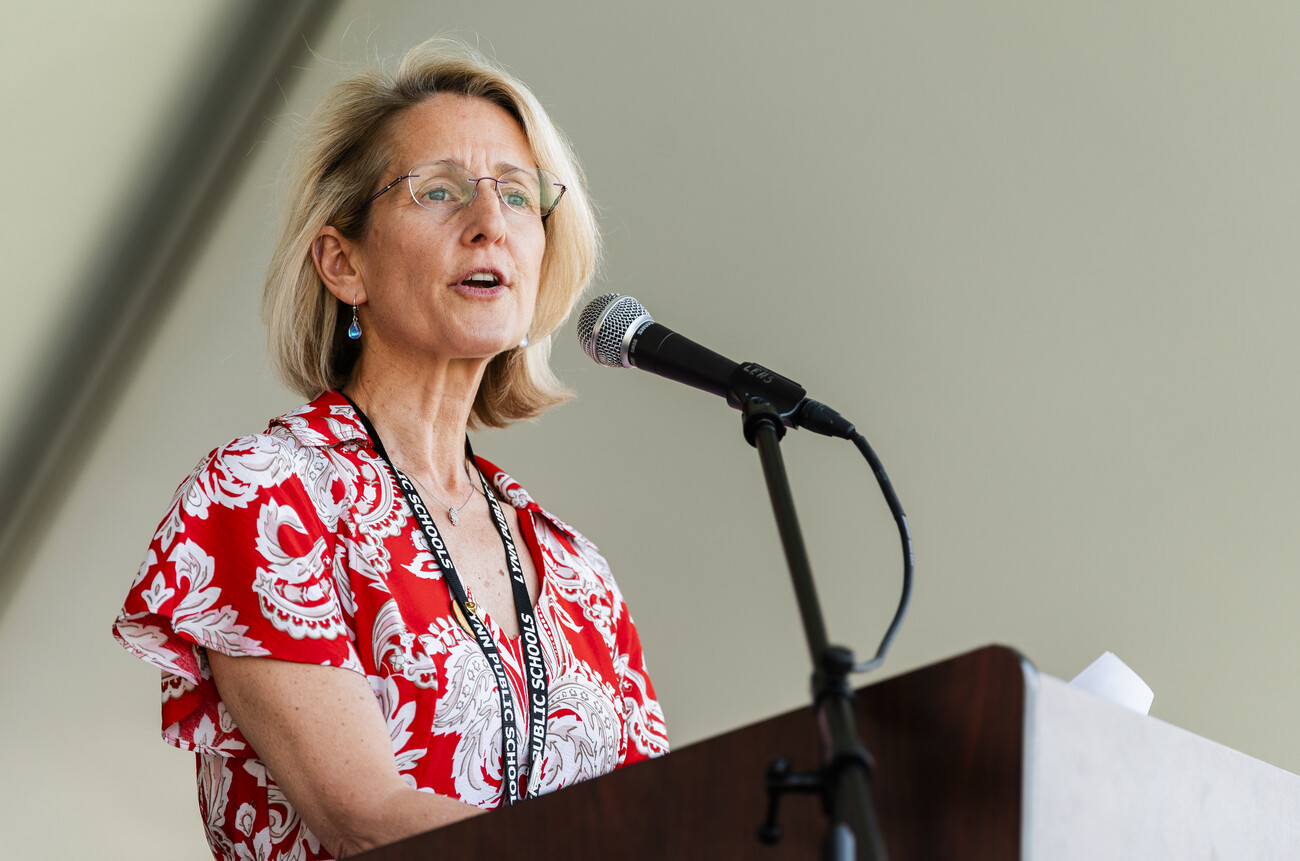
School Commitee makes it official: Cohen is super
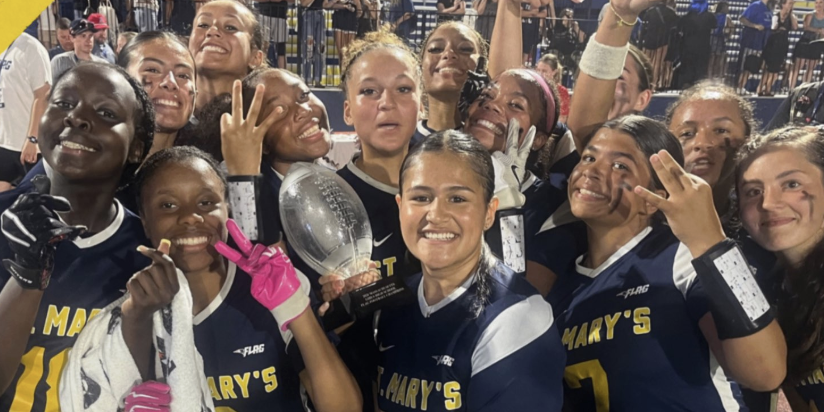
St. Mary’s, 18-0, stands alone for third straight season

VFW to host America’s 250th Celebration

LTTE: Local representatives ignored voters on legislative audits

Bulgarian woman building a business in Saugus

Beth Anderson: Banning cell phones in our schools had a postivie impact on teaching and learning

Lynn’s Crisman receives national teaching award