


Brakeyshia Samms
On June 19, 1865, enslaved people in Texas belatedly learned that they were free, an event that is still commemorated as Juneteenth. It is a day for reflection, resilience, and recognition of Black Americans’ enduring fight for equality. But if Juneteenth is to mean anything beyond symbolism, it must also be a call to confront the policies that continue to shape racial inequities today.
One of the most powerful drivers of that inequity is our tax system. The rules that govern who pays, who benefits, and how governments raise revenue are deeply intertwined with the nation’s history of racial exclusion. And today, those rules continue to disadvantage Black households in ways that echo past injustices.
Consider the current moment. States across the country are deciding whether to align their tax codes with recent federal tax changes from President Donald Trump’s “One Big Beautiful Bill Act” through an approach known as conformity.
These decisions, often framed as administrative or budgetary, carry real racial equity consequences. When states conform to certain provisions of this bill, they are effectively doubling down on policies that transfer wealth away from low- and moderate-income families, and away from Black communities.
At the same time, many states are grappling with reduced federal support for essential programs, including Medicaid and nutrition assistance (SNAP). These programs are lifelines for millions of families, including a disproportionate share of Black households.
Over the past two decades, states have repeatedly cut personal and corporate income taxes, shrinking the few progressive elements of their tax systems. To make up the difference, they have leaned more heavily on sales taxes, as well as fines and fees — revenue sources that take a larger share of income from those who have the least. Black households, who on average earn less and hold less wealth due to systemic barriers, are more likely to feel this shift.
The result is a quiet but profound injustice: Families struggling to make ends meet are paying higher effective tax rates than profitable corporations and wealthy investors. In some cases, the contrast is stark. While low-income households often pay double-digit shares of their income in state and local taxes, some large corporations pay little to nothing, even in years of record profits.
This is not accidental. It is the predictable outcome of policy choices.
Juneteenth invites us to ask what freedom truly looks like in 2026. It is not just the absence of legal bondage. It is the presence of economic security — the ability to afford housing, access health care, build wealth, and pass opportunity on to the next generation. By that measure, the promise of freedom remains unfulfilled for too many Black Americans.
But if policy helped get us to where we are today, it can also be part of the solution.
States have options. They can choose to decouple from costly federal corporate tax breaks and personal income tax breaks that drain revenue while offering little benefit to those who need it most. They can adopt more equitable revenue strategies, such as taxing income from wealth more effectively. They can use policy tools like worldwide combined reporting to close corporate tax loopholes that allow profits to disappear offshore. And they can invest in property tax reforms that protect low- and moderate-income families.
These are not radical ideas. They are practical steps toward a tax system that asks more of those who are most able to afford it, and reinvests in communities that have long been left behind.
Juneteenth is often described as a celebration of delayed justice. But it should also be a reminder that justice delayed is justice denied. The inequities embedded in our tax system will not correct themselves. They require intentional action, guided by a clear understanding of who benefits and who bears the cost.
If we are serious about honoring the legacy of Juneteenth, we must move beyond commemoration to transformation. That means building a tax system and an economy that works for everyone, not just the privileged few.
Brakeyshia Samms is a senior analyst at the Institute on Taxation and Economic Policy. This column was produced for Progressive Perspectives, a project of The Progressive magazine, and distributed by Tribune News Service.
24World Media does not take any responsibility of the information you see on this page. The content this page contains is from independent third-party content provider. If you have any concerns regarding the content, please free to write us here: contact@24worldmedia.com
Brakeyshia Samms On June 19, 1865, enslaved people in Texas belatedly learned that they were free, an...

LYNN — The Lynn Tech boys and girls track and field teams delivered outstanding seasons, led by boys...

To the editor: I am writing to express my support for Zosia VanMeter in the upcoming election for the 9th...
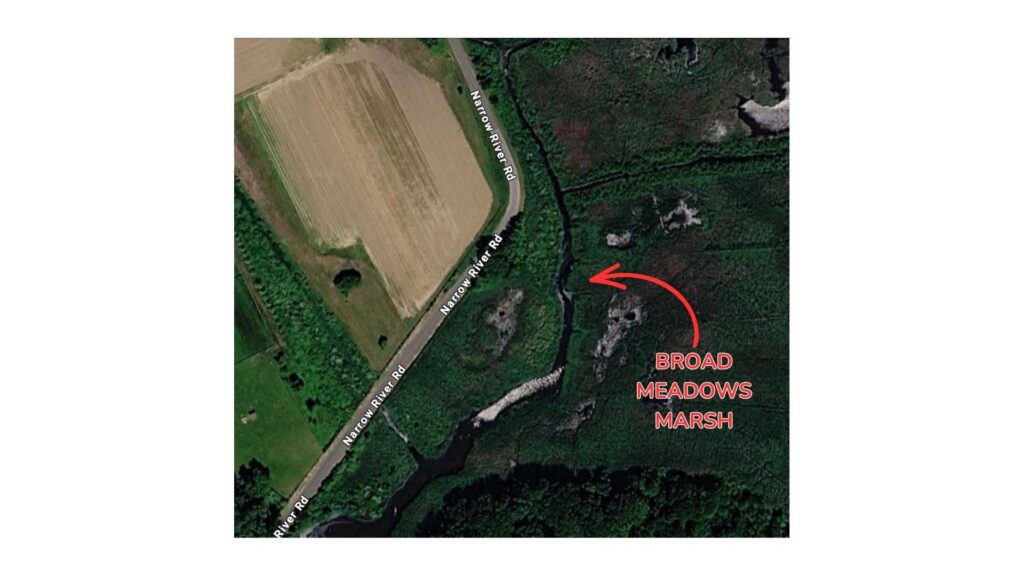
Southold officials moved Tuesday to seek a $500,000 grant for upgrades to a vulnerable Orient waterway...

GIRLS Dunn Division championMarblehead Lynch Division championSwampscott Player of the YearNikki Carr –...

It’s unusual to be rooting for other teams this time of the year. Usually, either the Celtics or...

130 runners take on Lynn Woods

Greenport Fire Department memorial service set for Sunday
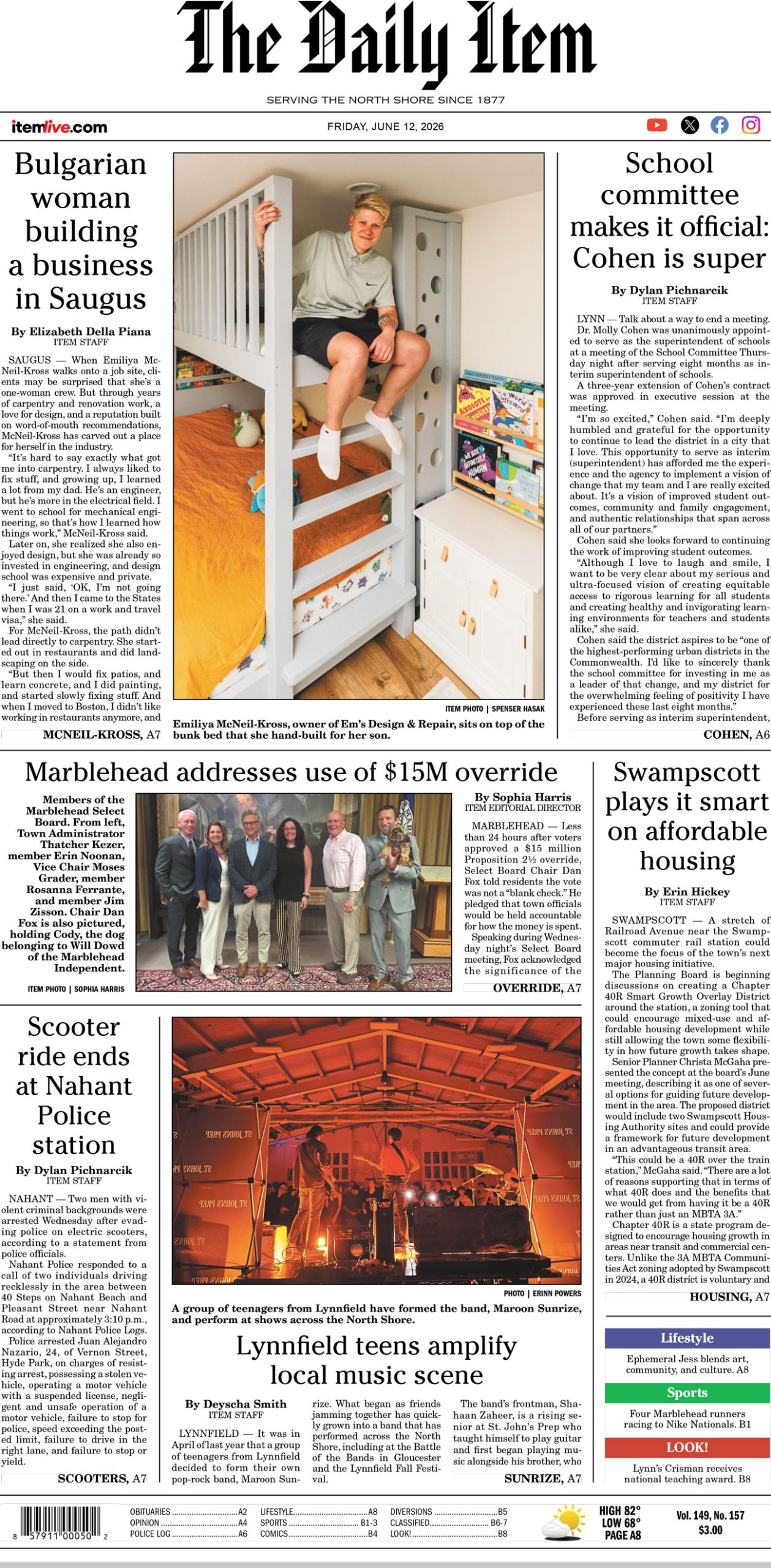
Today’s page 1: 6-12-26
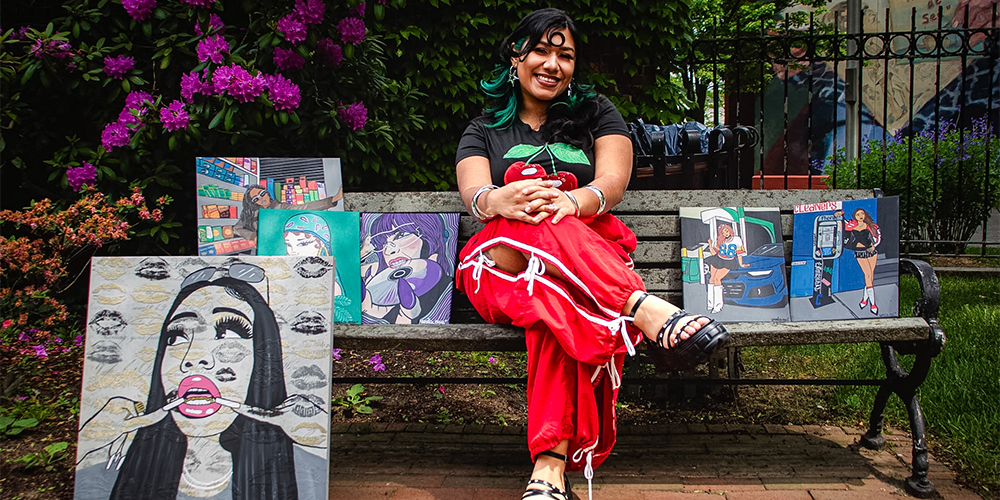
Lynn’s Ephemeral Jess blends art, community, and culture
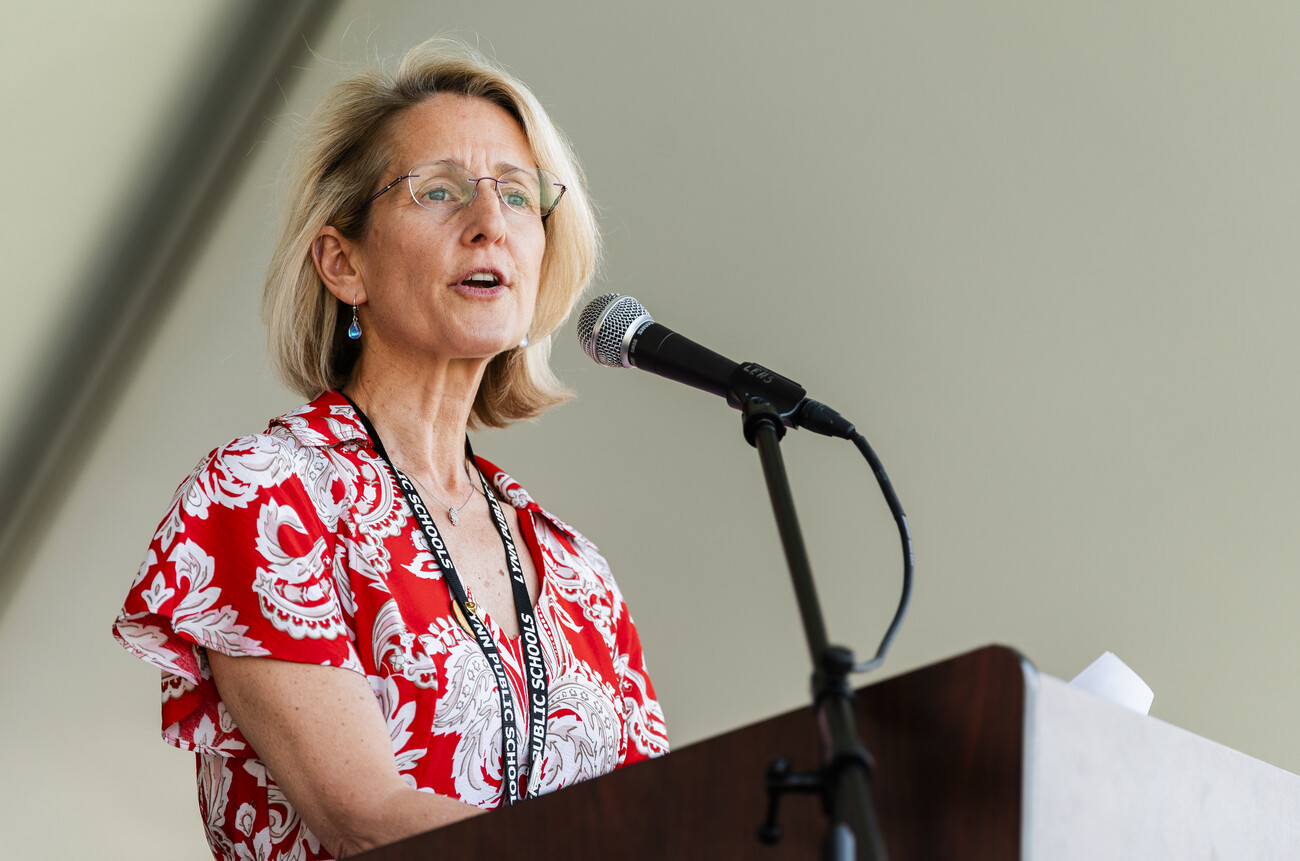
School Commitee makes it official: Cohen is super

St. Mary’s, 18-0, stands alone for third straight season

VFW to host America’s 250th Celebration

LTTE: Local representatives ignored voters on legislative audits

Bulgarian woman building a business in Saugus

Beth Anderson: Banning cell phones in our schools had a postivie impact on teaching and learning

Lynn’s Crisman receives national teaching award

Police Logs: June 10, 2026