

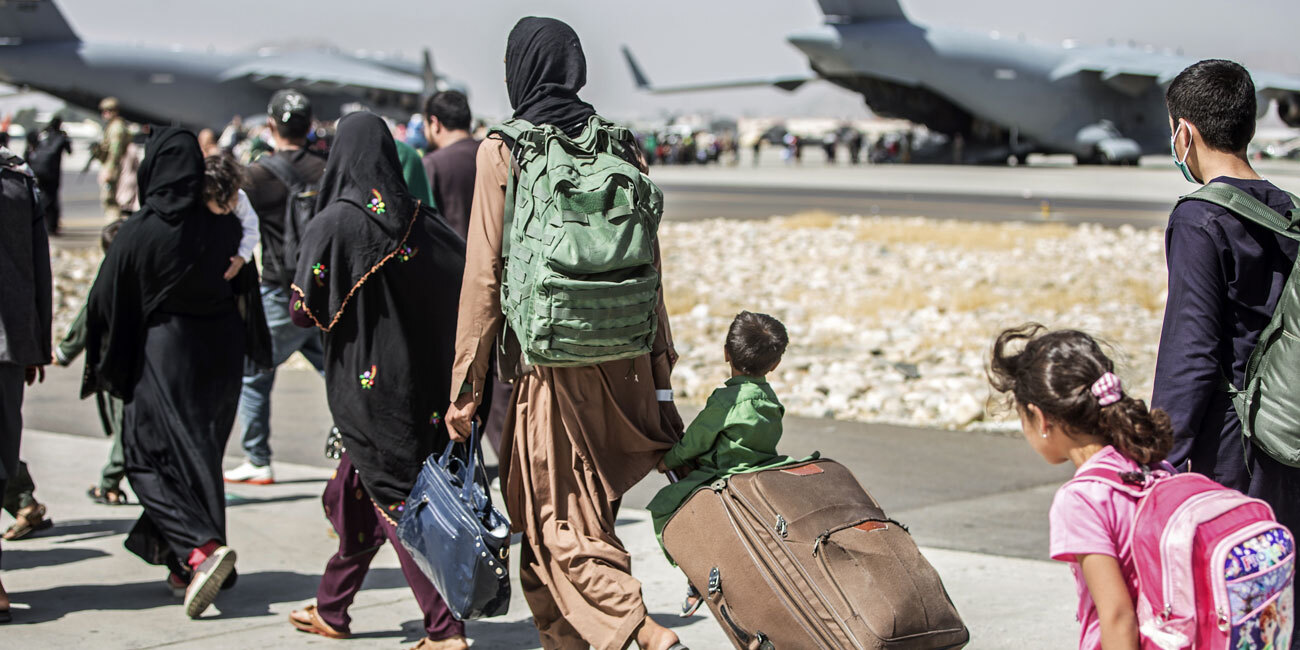
MARBLEHEAD — The gunfire outside Kabul airport was so loud that a little girl began screaming.
Thousands of desperate Afghans pressed against the gates of Hamid Karzai International Airport in August 2021, shoving forward as American troops struggled to maintain control during the final days of the U.S. withdrawal from Afghanistan. Above the crowd, warning shots cracked through the night sky.
A father trapped in the chaos clutched his 3-year-old daughter in one arm and his cellphone in the other while trying to force his way toward an airport gate.
Then he did the only thing he could think of to calm her.
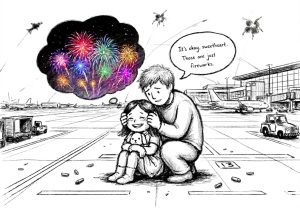
“Remember the wedding we went to with all the fireworks?” he asked.
The girl nodded through tears. “There’s a wedding inside,” he told her. “Those are fireworks. Clap for the celebration.”
The child smiled and began clapping happily at the sound of gunfire.
“That moment will stay with me forever,” the father later wrote.
Hours later, the family boarded one of the final American evacuation flights leaving Kabul — the culmination of a frantic, days-long rescue effort involving Veterans, congressional staffers, military personnel, and private citizens stretching from Afghanistan to California to the Marblehead Post 2005 of the Veterans of Foreign Wars.
The Afghan family requested anonymity because relatives remain trapped under Taliban rule.
Their ordeal began on Aug. 10, 2021, when the father arrived at work in Kabul to find colleagues sitting silently in shock.
“The Taliban were advancing rapidly toward Kabul and were expected to seize the capital within days,” he wrote in a firsthand account. “Everyone, myself included, sat frozen, imagining arrest, prison, or being shot in the street.”
For years, the family had worked alongside the United States military and government. One brother — now living in Louisiana — had served as a translator and interpreter embedded with American forces during the war before immigrating to the United States years earlier.
His younger brother, the father trapped in Kabul with his wife and daughter, worked in intelligence support tied to the U.S. Department of Defense and the U.S. Embassy.
Both men understood exactly what a Taliban takeover would mean.
“We were interviewing and investigating Taliban operators on a daily basis,” the former interpreter said. “They knew us by our first and last names.”
He recalled Taliban prisoners pointing to the laces on American military-issued boots and warning interpreters they would one day hang them with those same laces.
“And actually,” he said quietly, “they did that.”
The father later wrote that after Kabul began collapsing, he and his family lived “in constant terror, unable to sleep, waiting for a knock on the door.” Every hour brought new rumors of Taliban checkpoints, disappearances, and executions of people connected to the former Afghan government or the United States.
As Kabul spiraled toward collapse, the father took his wife and daughter to the airport alongside thousands of other Afghans desperate to escape before the Taliban arrived.
“More than 20,000 desperate people surrounded the gates,” he wrote. “It was impossible to get close enough to speak to anyone.”
Families slept in the dirt outside the airport for days, hoping American soldiers might eventually allow them through.
After hours standing in the rain and cold with no progress, the family returned home, planning to try again the next morning.
“That next day never came the way we hoped,” the father wrote.
Then, on Aug. 15, 2021, Kabul fell.
“Overnight, they set up dozens of checkpoints and took control of the civilian side of the airport,” the father wrote. “Hope seemed lost.”
His Special Immigrant Visa application — filed because of his work with the U.S. government — was still pending, leaving the family with no guaranteed way out of the country.
Inside the United States, the interpreter in Louisiana stayed on the phone with his brother almost constantly, searching for any possible way to get the family out.
“He immediately reached out to everyone he knew,” the father wrote. “But no one had contacts on the ground in Kabul.”
The interpreter called former military colleagues, Veterans, government contacts, and friends across the country. He contacted generals, admirals, and former soldiers — anyone who might know someone capable of helping people inside Kabul.
“After probably going through a list of 80 different people,” he said, “nobody was able to assist.”
Then one former Army linguist in California, Anthony Shah, suggested another name: Ronny Knight.
Knight, commander of the Marblehead VFW post, had worked alongside Afghan interpreters during his own service in Afghanistan, supervising linguist operations for the U.S. military.
“When Afghanistan was falling, somebody reached out to me asking if I remembered the translator,” Knight said. “And I said, ‘Oh Jesus, don’t tell me.’”
Knight learned the interpreter’s brother was trapped in Kabul with his wife and daughter while Taliban fighters searched for people connected to the United States.
“The Taliban had his name,” Knight said. “They were hunting him.”
Knight had supervised Afghan linguists during his own service in Afghanistan and immediately recognized the danger.
“This guy worked for the U.S. Embassy and couldn’t get out,” Knight said. “That’s what disappointed me.”
Sitting at his kitchen table on a Saturday morning, Knight reached out to contacts connected to U.S. Rep. Seth Moulton, the Massachusetts Democrat and Marine Veteran who had repeatedly warned the Biden administration about the dangers facing Afghan allies during the withdrawal.
Moulton said his office had already spent months sounding alarms about the evacuation effort.
“My team and I have been helping people get out of Afghanistan for years,” Moulton said. “This is all about saving lives — allies who fought alongside us, who risked their lives not just for Afghanistan but for the United States of America.”
Moulton, who traveled to Kabul during the withdrawal alongside a Republican congressman to assess conditions firsthand, said his office had become critically involved in helping Afghan translators and allies long before the final collapse.
“We had no idea in Congress what was actually going on,” Moulton said, explaining his reason for going to Kabul. “We were getting fed inaccurate information.”
Moulton said the evacuation effort became uniquely personal for many Veterans and service members who had spent years working closely with Afghan interpreters and intelligence personnel.
“These aren’t just names or numbers,” he said. “These are personal relationships.”
By the time Kabul fell, Moulton’s office was inundated with requests.
Neesha Suarez, Moulton’s chief of staff, said the office received more than 5,000 requests for evacuation assistance within weeks. Veterans from across the country were calling desperately, trying to save interpreters and allies they had served beside overseas.
“Veterans were the first ones who said, ‘You don’t get it. I still have people there,’” Suarez said. “My team and I dropped everything for two and a half weeks.”
Suarez described congressional staffers operating almost entirely through text chains, WhatsApp messages, and military contacts while trying to navigate the chaos outside Kabul airport.
“There were hundreds of thousands of people waiting outside the airport trying to get in,” she said. “It was a nightmare.”
Then came the Abbey Gate bombing on Aug. 26, 2021, when a suicide attack killed 13 U.S. service members and roughly 170 Afghan civilians.
The Afghan family had been near the airport that same day.
“After Abbey Gate, I didn’t think anybody else was going to get through the airport,” Suarez said.
But shortly after, Moulton’s office received word from a military contact that one final group of evacuees might be able to enter through a less-publicized airport access point.
“It was our last chance,” Suarez said.
Late one evening, the interpreter finally received the call he had been waiting for.
“There’s a little-known gate,” he told his brother. “Be ready to leave immediately. Only two military flights remain.”
The father had 15 minutes to reach the airport.
Taliban checkpoints now control Kabul’s streets, making movement through the city almost impossible after dark.
So the family improvised.
The father’s younger brother — who remains trapped in Afghanistan with their mother today — assembled more than a dozen relatives and friends with vehicles to form a convoy through Kabul.
“At the first checkpoint, they barely searched us and waved us through,” the father wrote. “At the second checkpoint, the search was thorough.”
The family invented a story about a medical emergency near the airport and was allowed to continue.
When the convoy finally reached the airport, the family discovered thousands of people crushed against the gate.
Gunshots echoed through the crowd as guards fired warning shots into the air, trying to force people backward.
A military contact working with congressional staff instructed the family to identify themselves using a simple code phrase: “Tom Brady.”
The father pushed forward, carrying his daughter while speaking to his brother by phone. Somewhere beyond the barricades, American personnel were searching the crowd for the family.
Knight later said congressional staffers had even requested photographs of the family to help identify them amid the sea of people.
Then the little girl began crying.
“Remember the wedding we went to with all the fireworks?” her father asked.
“There’s a wedding inside,” he told her. “Those are fireworks.”
The child began clapping happily at the sound of gunfire.
Eventually, military personnel spotted the family and pulled them through the gate.
“For the first time in weeks,” the father wrote, “we could breathe.”
The family boarded a military evacuation flight carrying only the clothes they wore, passports, several documents, a phone charger, and about $300 in cash.
They were flown first to Qatar, then Germany, where they spent months awaiting final visa processing before eventually arriving in New Jersey.
Suarez and her colleagues spent nearly eight straight hours coordinating details among military personnel, congressional staffers, and Afghans hiding throughout Kabul to save the family.
“It took us like eight hours — a full day — of coordinating back and forth,” Suarez said.
Throughout the journey, the father said American personnel treated them “with kindness and respect,” feeding and housing exhausted families fleeing the Taliban.
Today, the brothers operate a home improvement business together in the United States.
The former interpreter said he originally arrived in America years earlier with only about $30 in his pocket before working his way from collecting shopping carts at Lowe’s to managing dozens of stores across multiple states.
“We are not a burden,” he said. “We are people who willingly accepted the values of this country and worked toward them.”
Knight said helping save one family gave many Veterans struggling with the withdrawal a sense that at least some good had come from America’s long war in Afghanistan.
“It gave me hope,” Knight said. “We were able to get a family out. We got them out for the right reasons.”
Years later, the family still avoids publicly identifying themselves because relatives remain in Afghanistan.
“We arrived as refugees with almost nothing, but we arrived alive and free,” the father wrote.
But the little girl who once clapped at gunfire outside Kabul airport now attends school safely in the United States.
“My daughter can now go to school without fear,” he said. “No one is hunting us. That is the gift the United States gave my family, and I will never be able to repay it.”
24World Media does not take any responsibility of the information you see on this page. The content this page contains is from independent third-party content provider. If you have any concerns regarding the content, please free to write us here: contact@24worldmedia.com
MARBLEHEAD — The gunfire outside Kabul airport was so loud that a little girl began screaming....
Sen. Brendan Crighton, Rep. Dan Cahill, Rep. Jenny Armini, Rep. Sean Reid, and Rep. Donald Wong proudly...

Many ceremonies have been canceled or moved indoors due to rain forecasts as communities across the area...
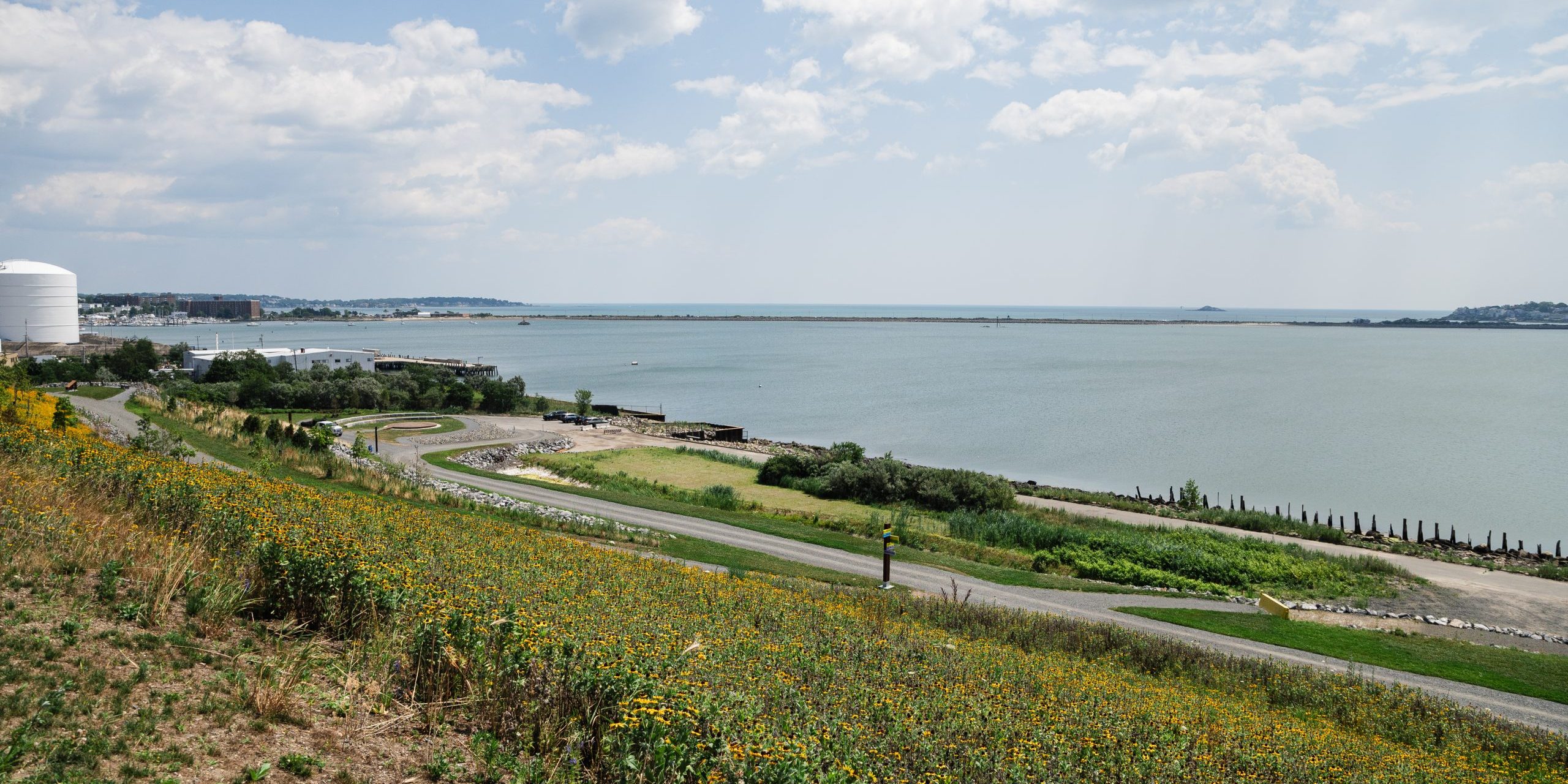
LYNN — Harbor Park, the 30-acre public space redeveloped last year at South Harbor, has won Project of...
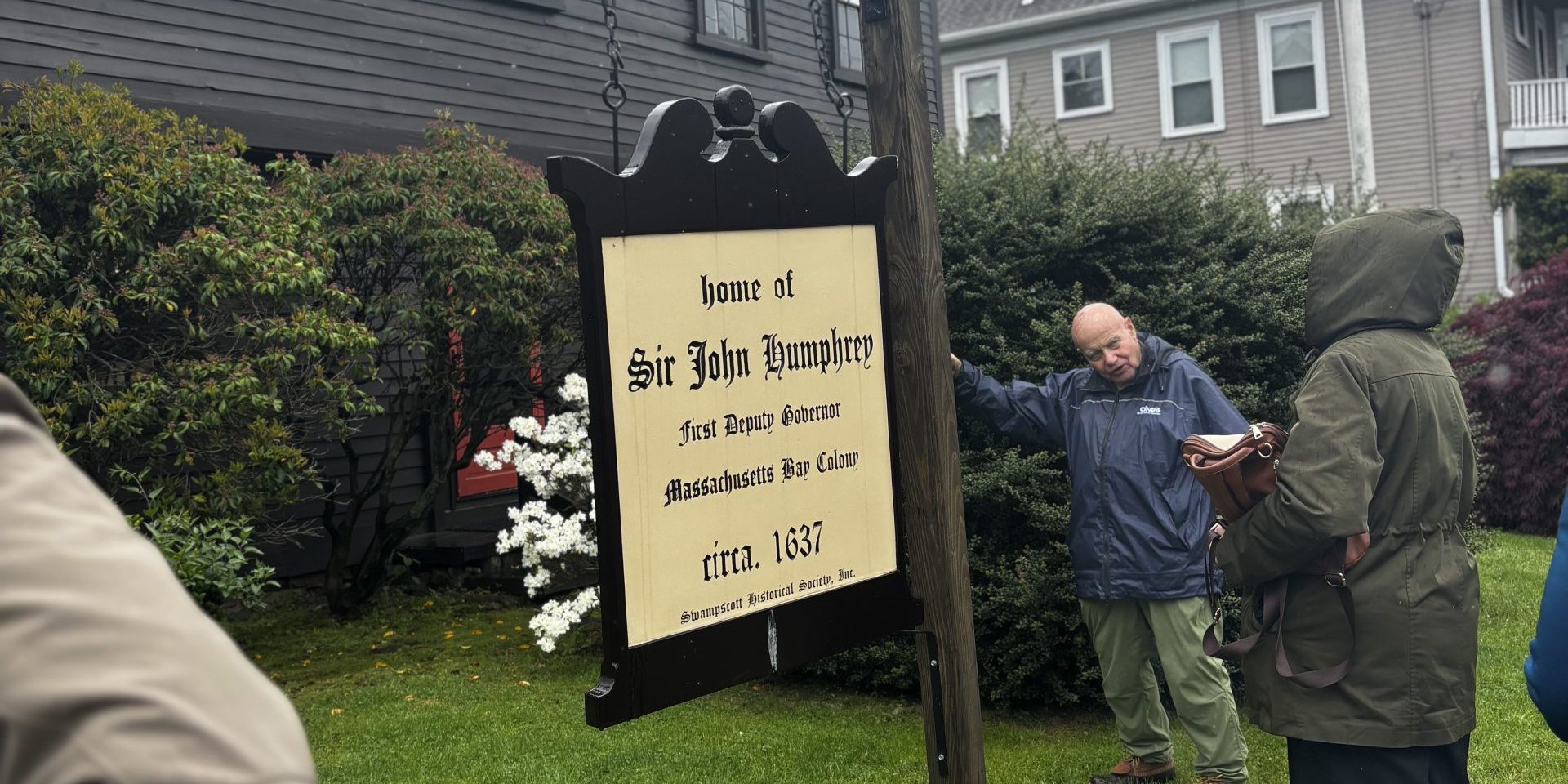
SWAMPSCOTT — The Historical Society opened the doors of the Sir John Humphrey House ahead of Memorial...

To the editor: “Take good care of the children.” Those were the last words Isaac Davis spoke to his...
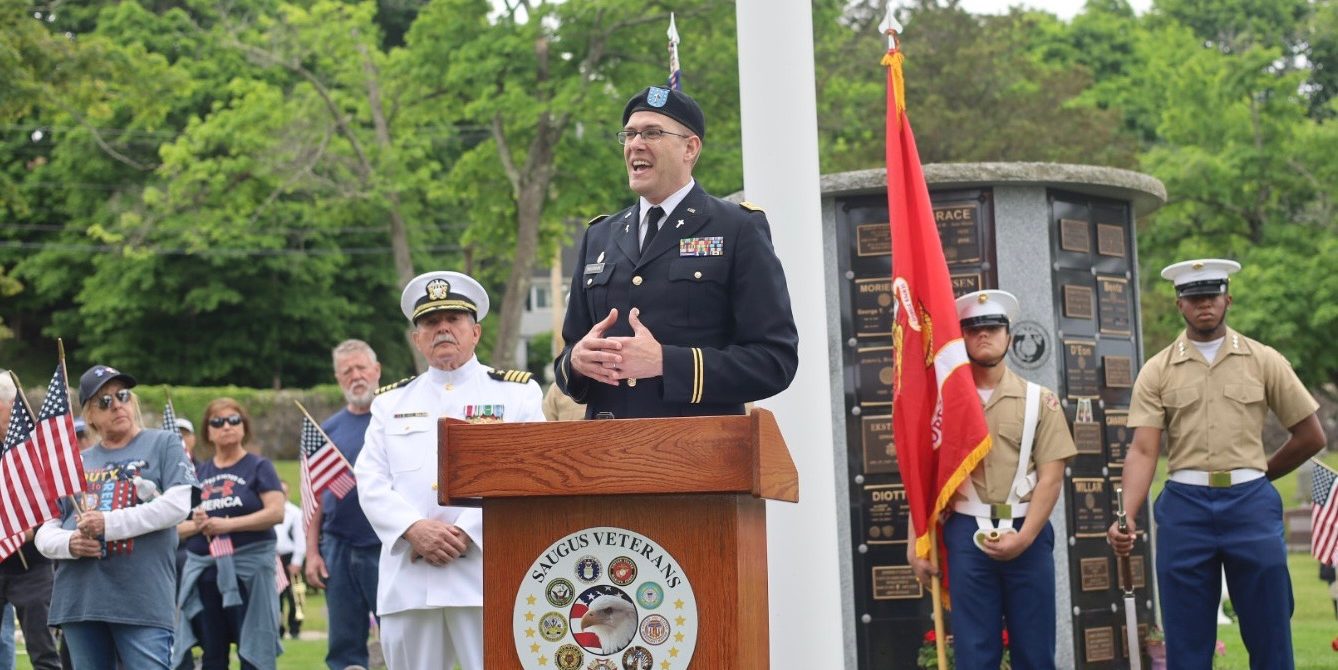
Saugus salutes sacrifice, service, and unity
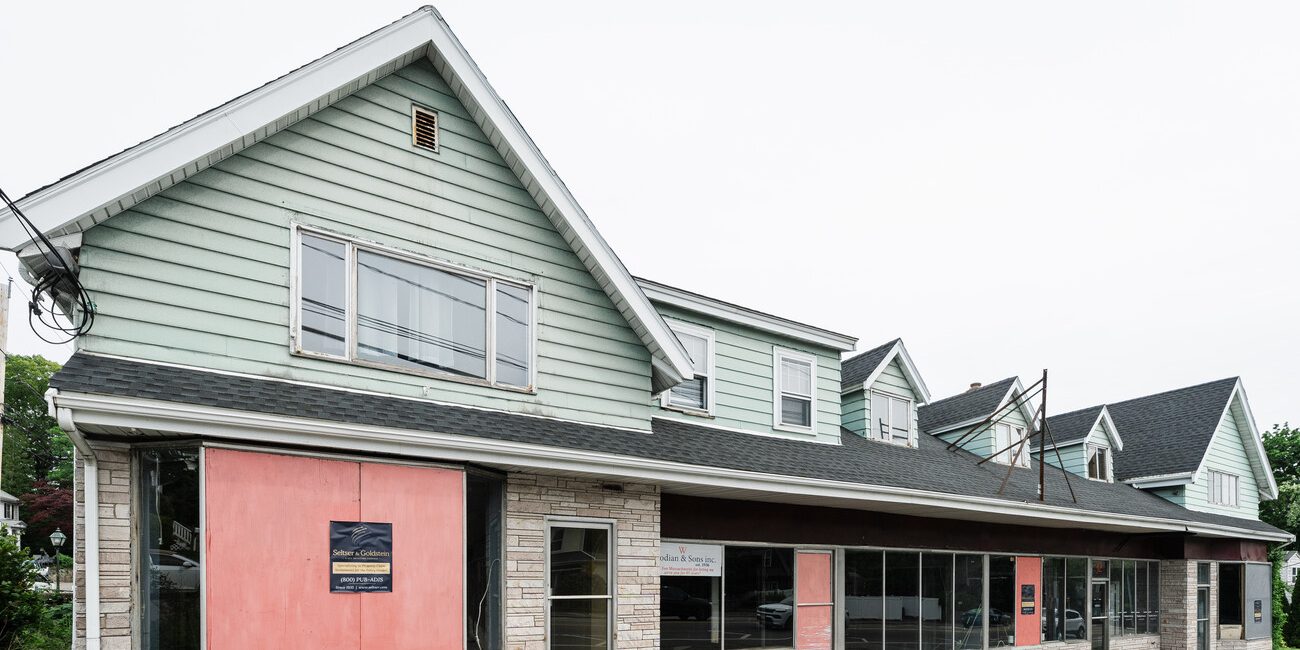
Long-abandoned Lynn property could get new life
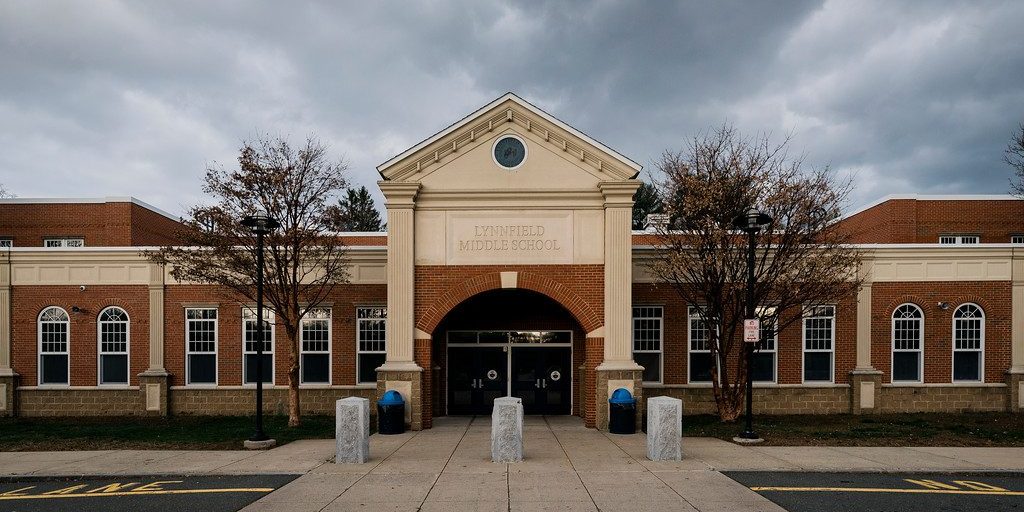
Public makes voices heard in Lynnfield
Lynnfield Schools unveils strategic plan focused on excellence, belonging, and future readiness
St. Mary’s cruises by Lynn Classical in Mullins final
Weekend roundup: Softball Spartans conquer in style

New faces for Peabody girls soccer, field hockey
Kids in Community Summer Camp is coming to Lynn

Northeastern Conference championship meet action-packed

Roundup: Highlights aplenty in Mullins tournament
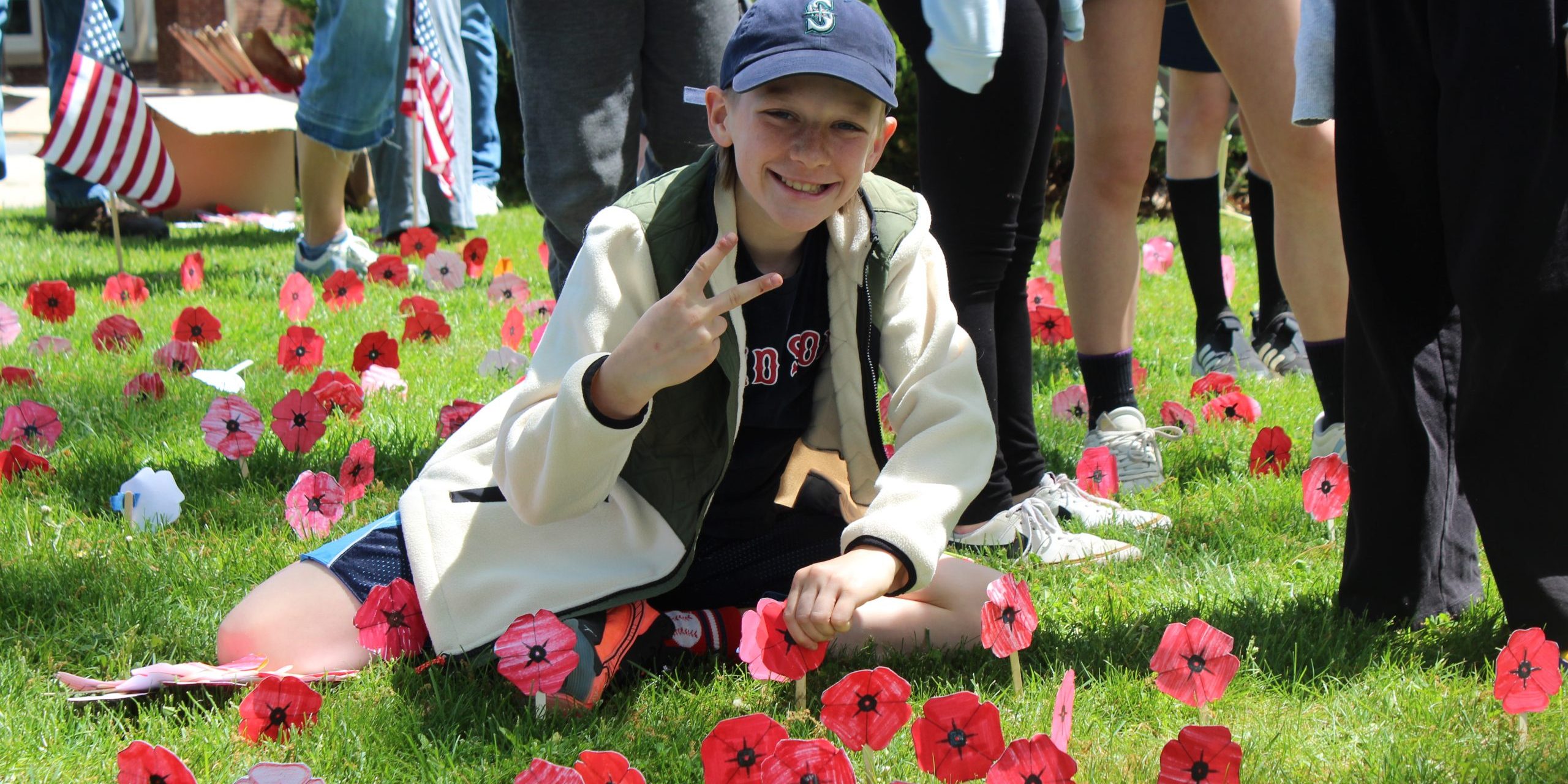
Marblehead students plant 1,800 poppies to honor veterans ahead of Memorial Day
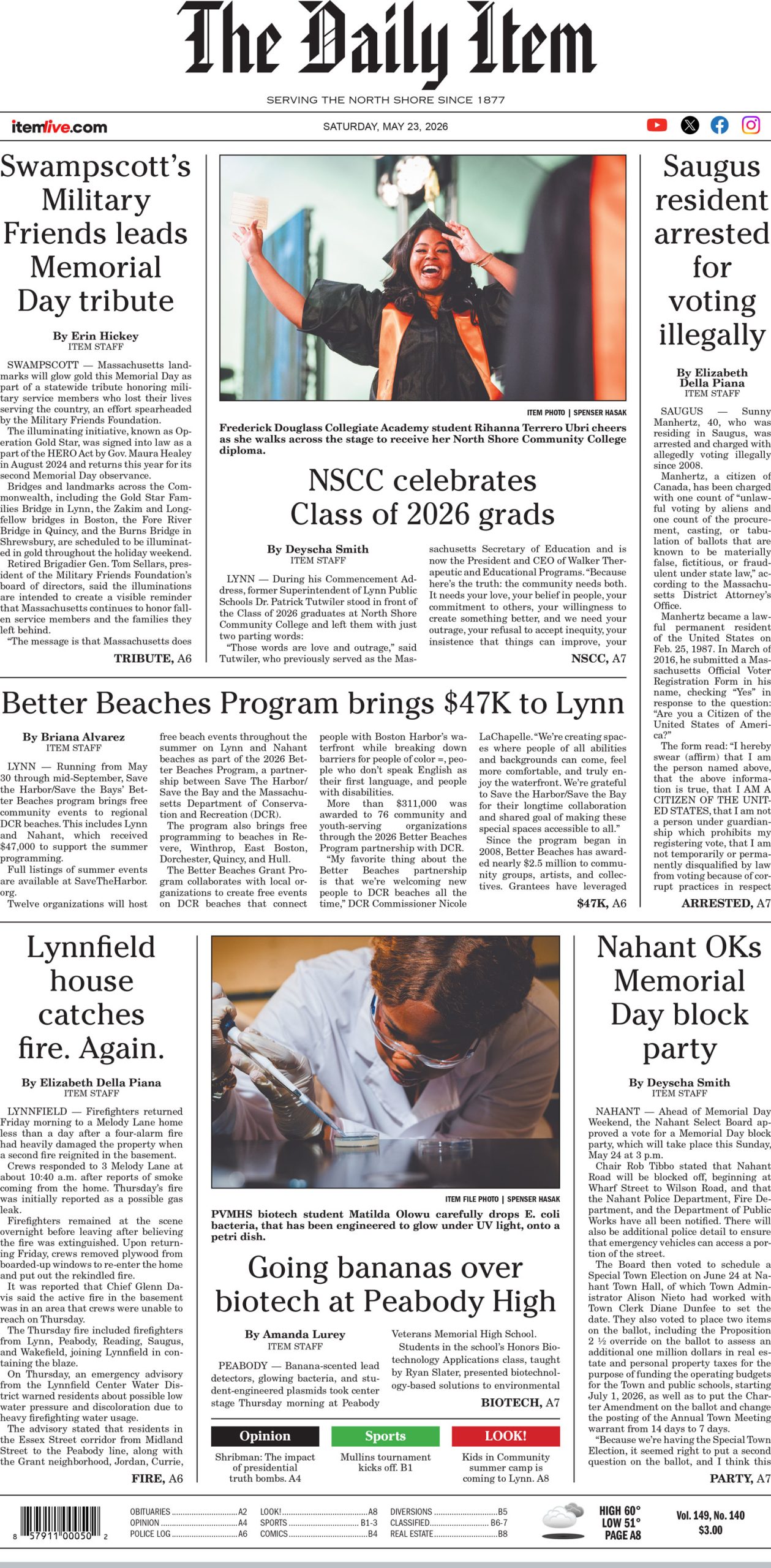
Today’s Page 1: May 23, 2026