

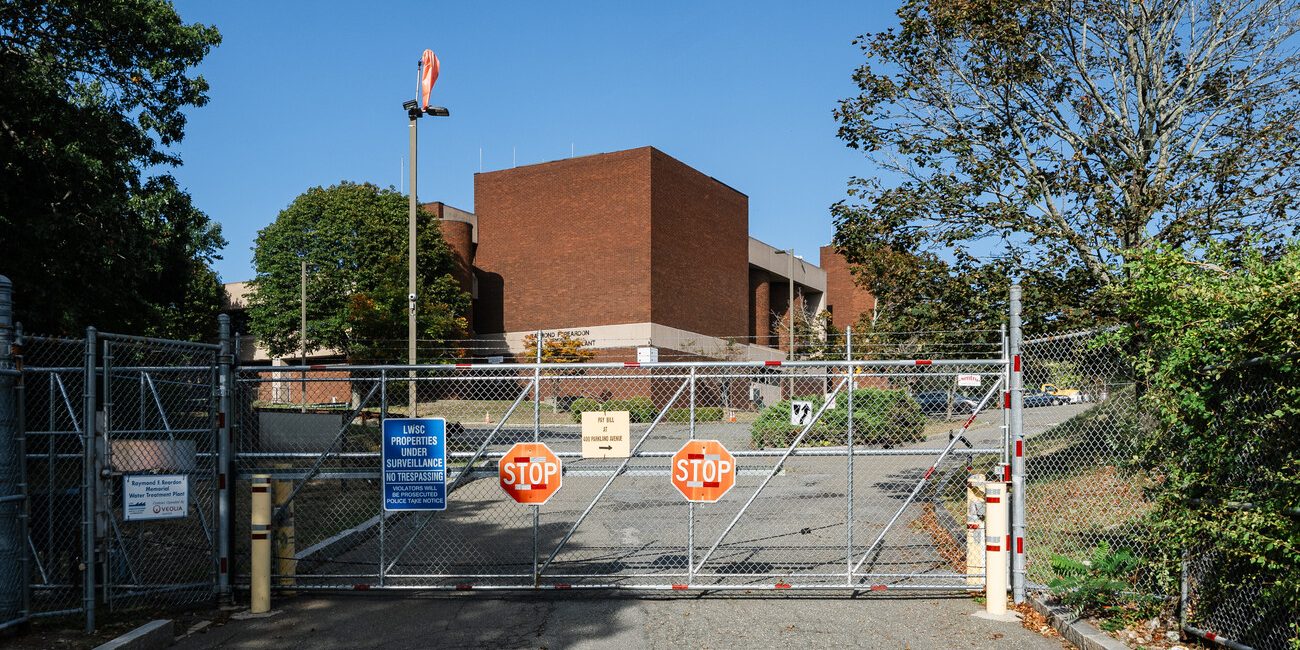
LYNN — The Lynn Water & Sewer Commission unveiled a proposed $39.97 million operating budget for fiscal year 2027, driven largely by escalating wastewater treatment costs, debt obligations, and infrastructure demands, during the meeting Monday evening.
Treasurer Ryan Boisselle presented the proposed FY27 operating budget of $39,974,156, describing it as “a 10.43% increase from last year,” representing an increase of $3.77 million over the prior fiscal year.
Boisselle said the largest factor behind the increase is the wastewater treatment plant contract, which he described as “the biggest single expense.” The Commission is budgeting approximately $1 million per month for wastewater treatment costs alone.
An additional financial pressure came from unexpected flow and load fees incurred this year.
Boisselle explained that “there was too much waste going to the plant,” which triggered additional charges totaling approximately $2.17 million.
“I think I’ve more than accounted for it in the budget, but I’d rather more than account for it than under-account for it, which is what happened last year,” he added.
Debt service costs are also climbing significantly. Boisselle said debt repayment obligations will increase by $737,000 in FY27, largely tied to major infrastructure projects, including the wastewater treatment plant and combined sewer overflow improvements.
“Currently in debt service repayment is both halves of the wastewater treatment plant, which was $74 million,” Boisselle said. “But that’s fully loaded in the schedules and all the phases of the CSO (combined sewer overflows).”
Despite the increase, Boisselle noted that some older debt obligations are beginning to roll off the books.
Boisselle said approximately $1.5 million in debt service obligations expired heading into the new fiscal year, helping offset some of the pressure from newer borrowing.
“Years ago, we were expecting to have some tougher times,” he said, adding that the phased structure of combined sewer overflow borrowing helped manage the financial impact over time.
On the revenue side, the proposal includes a 4% rate increase for customers. Under the first-tier usage block, which covers residential households and smaller businesses using between zero and 2,700 cubic feet quarterly, rates would rise from $13.92 to $14.48, an increase of 56 cents.
Boisselle emphasized that inflationary pressures continue to impact nearly every area of operations.
“As usual, fringe is up a little bit, health care premium, 5.9% increase, just insurance in general, more expensive vehicle insurance, chemicals at the treatment plant,” he said. “The increases are affected by the indices and CPI (consumer price index) and whatnot.”
Wastewater treatment costs have risen faster than originally anticipated under the long-term contract structure. Boisselle noted that the agreement initially projected annual increases of roughly 3%, except during the sixth year, when rates were expected to jump by approximately 11.5% as construction upgrades reached completion.
Instead, the Commission experienced a 19.4% increase last year.
“That was a bit of a jump,” Boisselle said.
Looking ahead, the Commission is assuming approximately a 5% increase in wastewater treatment costs for the coming fiscal year, though final figures will not be known until later this year.
The proposed budget also includes an aggressive capital improvement plan funded primarily through cash expenditures rather than borrowing. Boisselle said the Commission anticipates approximately $8.1 million in capital spending during FY27.
Projects include vehicle fleet replacement, design work associated with sewer infrastructure improvements, roof replacements at several facilities, and ongoing planning for future infrastructure needs.
Commissioners discussed several individual line items during the meeting, including roof repairs for the administration building, the low-service pump station, and the water treatment plant.
“We’ve got three roofs that need attention,” Andrew Hall, Lynn Water & Sewer Chief Engineer, said, noting all three facilities are nearing the end of their service life.
The budget also begins preparing for federally mandated lead service line replacement requirements.
Executive Director of the LWSC, James Arsenault, shared that the Environmental Protection Agency is requiring utilities to identify and remove lead lines throughout water systems.
“It’s going to be a big program,” Arsenault said. “We’re going to have to get rid of all of the lead from all of the intact units.”
Boisselle encouraged commissioners to review the proposal over the next month ahead of a scheduled June vote.
24World Media does not take any responsibility of the information you see on this page. The content this page contains is from independent third-party content provider. If you have any concerns regarding the content, please free to write us here: contact@24worldmedia.com
LYNN — The Lynn Water & Sewer Commission unveiled a proposed $39.97 million operating budget for...
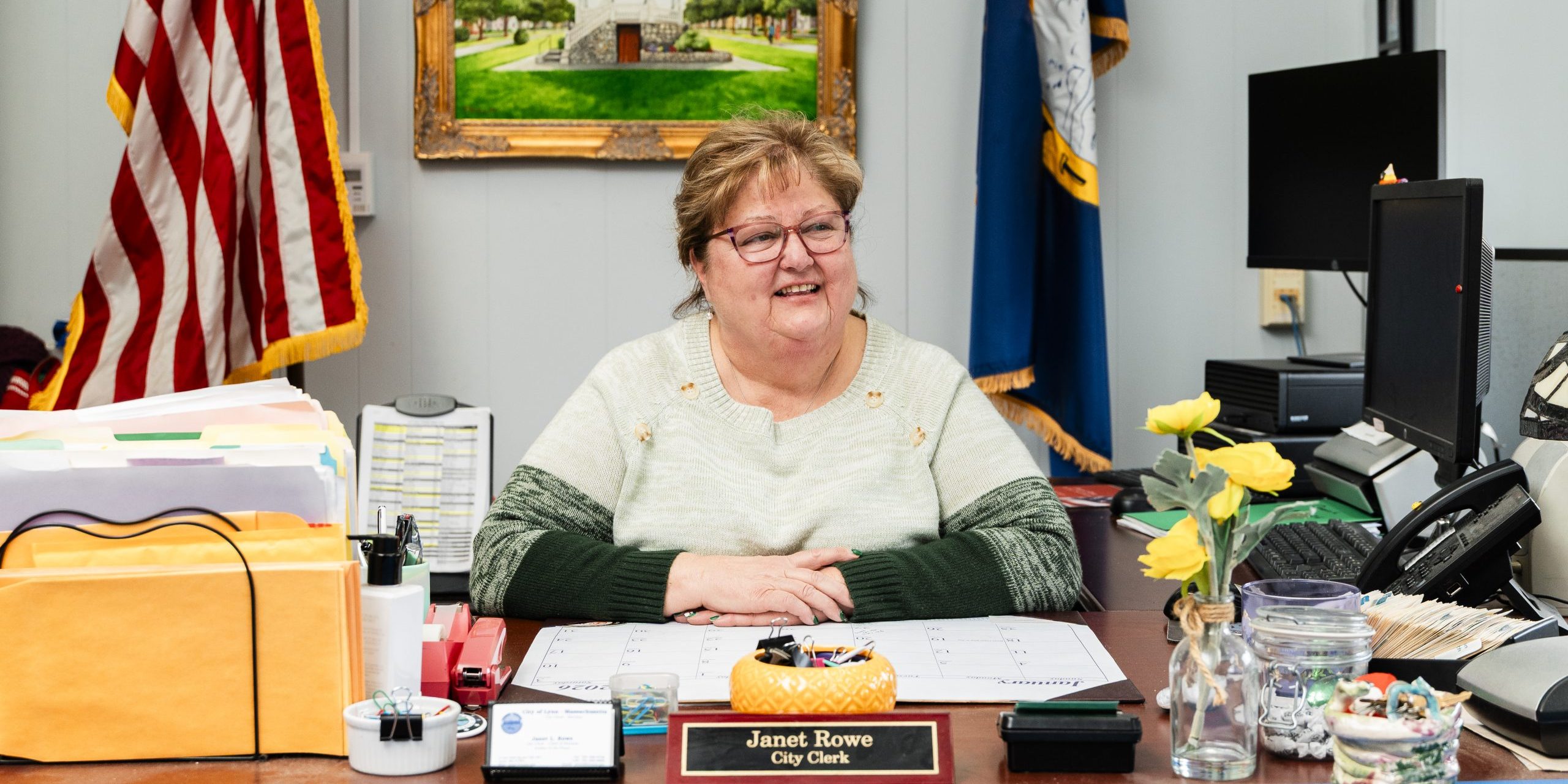
LYNN — Janet Rowe, who retired as Lynn City Clerk at the end of February, passed away over the weekend...

An 18-year-old college student died after an apparent drowning off Wades Beach on Shelter Island...

All address information, particularly arrests, reflects police records. In the event of a perceived...

DANVERS — Students from Essex North Shore Agricultural & Technical School earned top honors and...

PEABODY — Sixth-grader Sara Koteci won the Higgins Middle School essay contest, earning both a $100...

Hersh Goldman: Shavuot marks harvest season and a spirit of gratitude

Commentary: Is AI coming for your job? A bigger government can help.

Editorial: The DOJ’s Comey indictment goes way too far
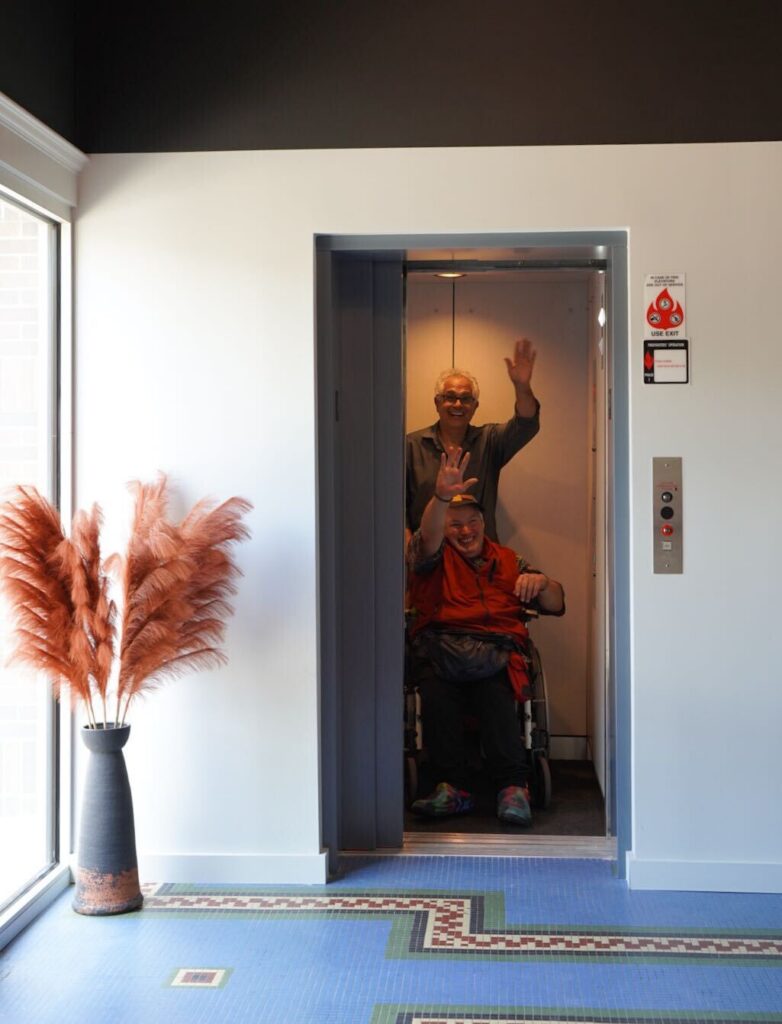
North Fork Arts Center reopens after $500K renovation, names new director
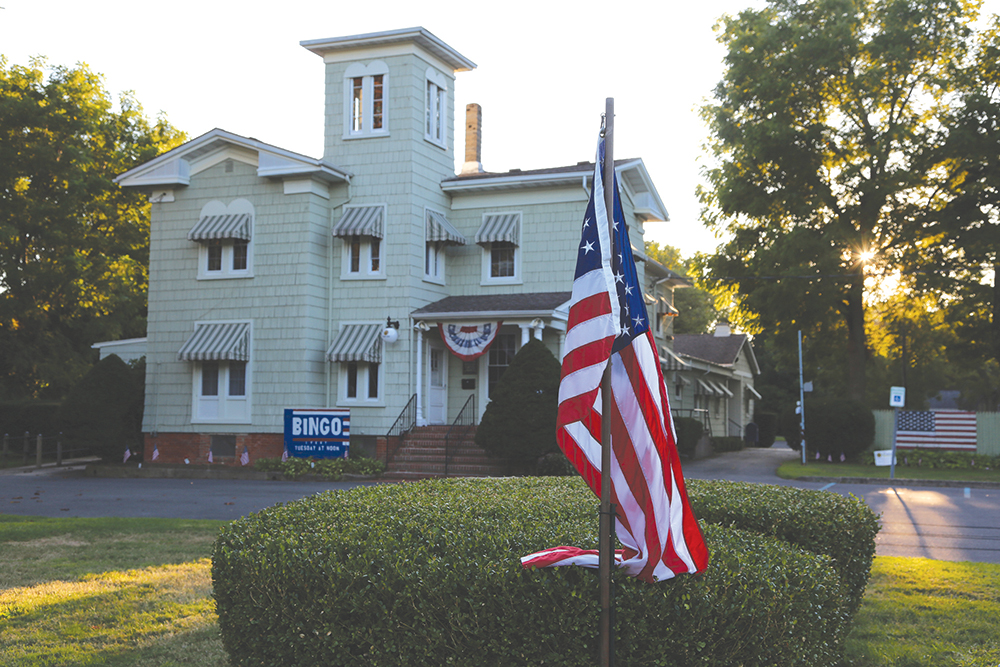
Southold American Legion upgrades post to attract younger members as Memorial Day nears

Lynn Council Vice President Hogan endorses Koh

Today’s page 1: 5-18-26

Daisy and Labradors are Swampscott’s most popular

Lynn looks to raise $65,000 for 4th of July fireworks
Police Logs: May 16, 2026

Nahant had a busy Saturday afternoon

Jason Bernard remembered in Peabody