

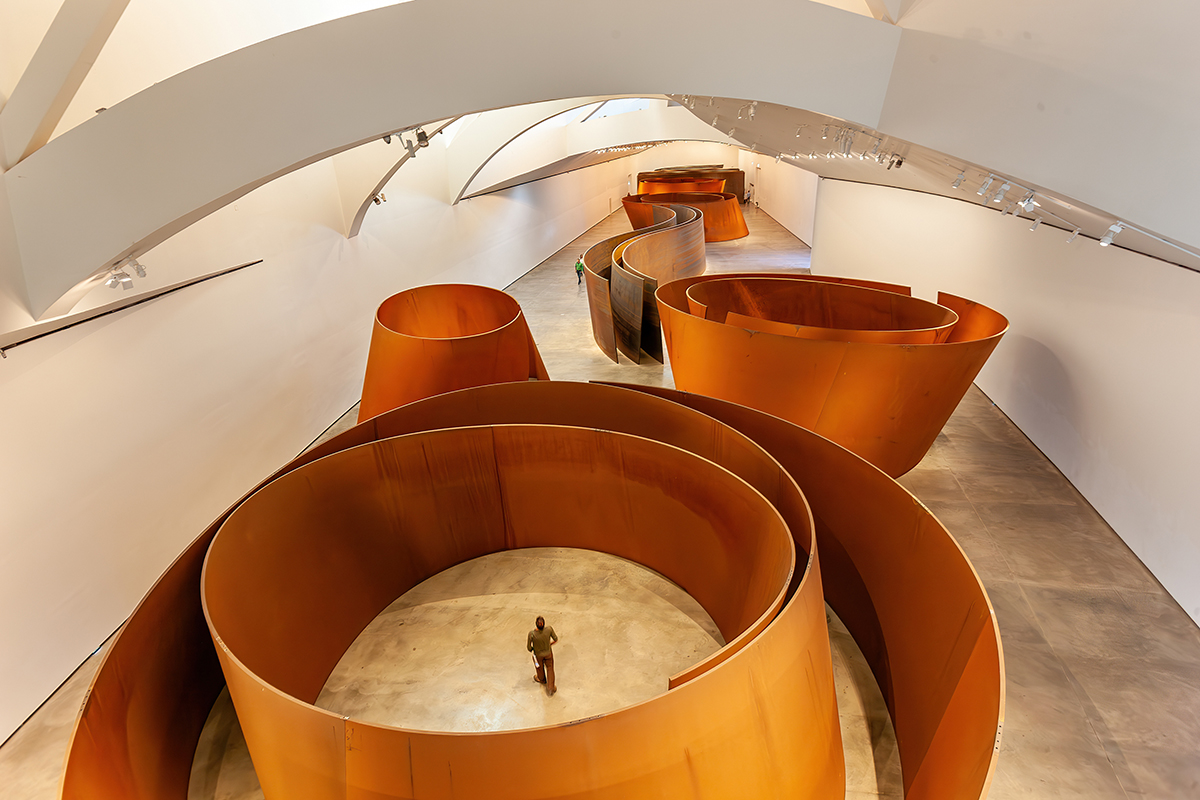

Sometime after the horror of Sept. 11, 2001, Richard Serra and his wife, Clara Weyergraf, fled New York City and moved to a house in Orient, at the far end of the North Fork.
Like a home Mr. Serra owned in Nova Scotia, it was away — away from crowds and away from the chatter that surrounded his life as one of the world’s most famous sculptors. Orient provided privacy and quiet — just what he and his wife were looking for.
The couple also loved the salt water on both sides of the North Fork, the abundant seafood and the farm-fresh fruits and vegetables they could pick up at any number of bountifully stocked farm stands.
“They loved being here,” said their friend, architect Richard Gluckman, who knew the Serras for many years and considered their friendship a great gift. “They were looking for a refuge after 9/11, and they found it.”
Mr. Serra died March 26 at his Orient home. He was 85. His death was covered by newspapers worldwide, including a feature length obituary in The New York Times that highlighted his most well-known works.
Interviews with a number of Orient residents show that some of his neighbors knew who he was and how famous he had become over his lifetime by producing massive works of art. They respected his privacy and let the couple be themselves on a property they later remodeled to include a studio with the help of Mr. Gluckman.
“But they were private people,” Mr. Gluckman said. “I had known him a long time. They came out after 9/11 and a few years later moved to Orient permanently. They loved it here. In Richard’s case, it was the relationship to the sea and the landscape.
“He appreciated the privacy he was allowed,” Mr. Gluckman added. “He was the consummate artist. It was his life. He was brilliant and rigorous. He was a friend, a mentor and a tutor.”
Mr. Serra’s most celebrated works “had some of the scale of ancient temples or sacred sites and the inscrutability of landmarks like Stonehenge,” The New York Times wrote. “But if these massive forms had a mystical effect, it came not from religious belief but from the distortions of space created by their leaning, curving or circling walls and the frankness of their materials.”
Some of his pieces were “assembled from giant plates of cold rolled steel made in mills more accustomed to fabricating the hulls of ships,” the story continued. “They were so heavy that they required permits to cross bridges and cranes with elaborate rigging to be set in place.”
Mr. Serra remained among the world’s best-known sculptors, who lived a private life in Orient, surrounded by sea and sky.
24World Media does not take any responsibility of the information you see on this page. The content this page contains is from independent third-party content provider. If you have any concerns regarding the content, please free to write us here: contact@24worldmedia.com

The post Today’s page 1: 7-2-26 appeared first on Itemlive. Source...
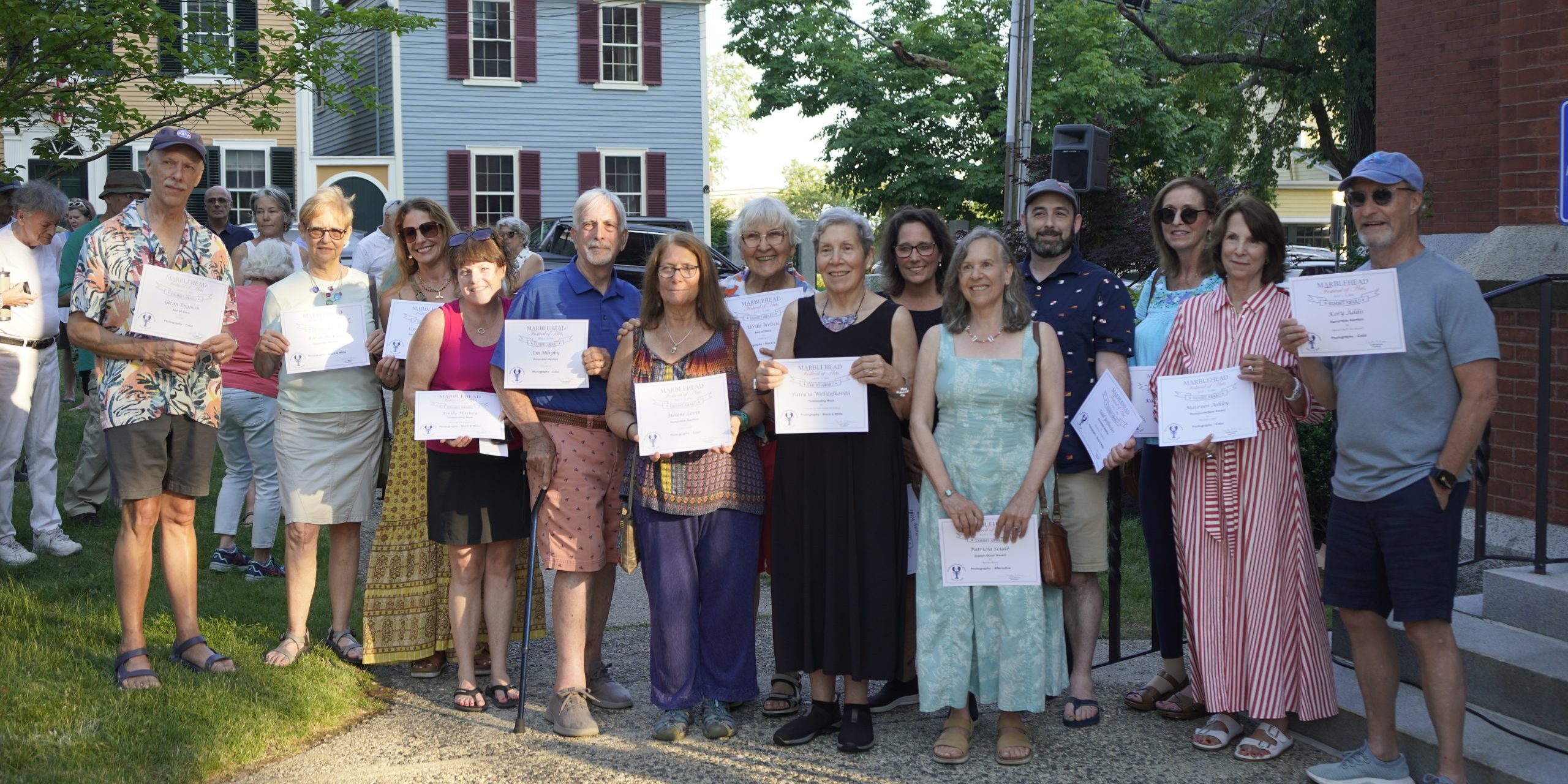
MARBLEHEAD — The sound of Abbott Hall’s bell chime at 6 p.m. on Wednesday not only signified the...
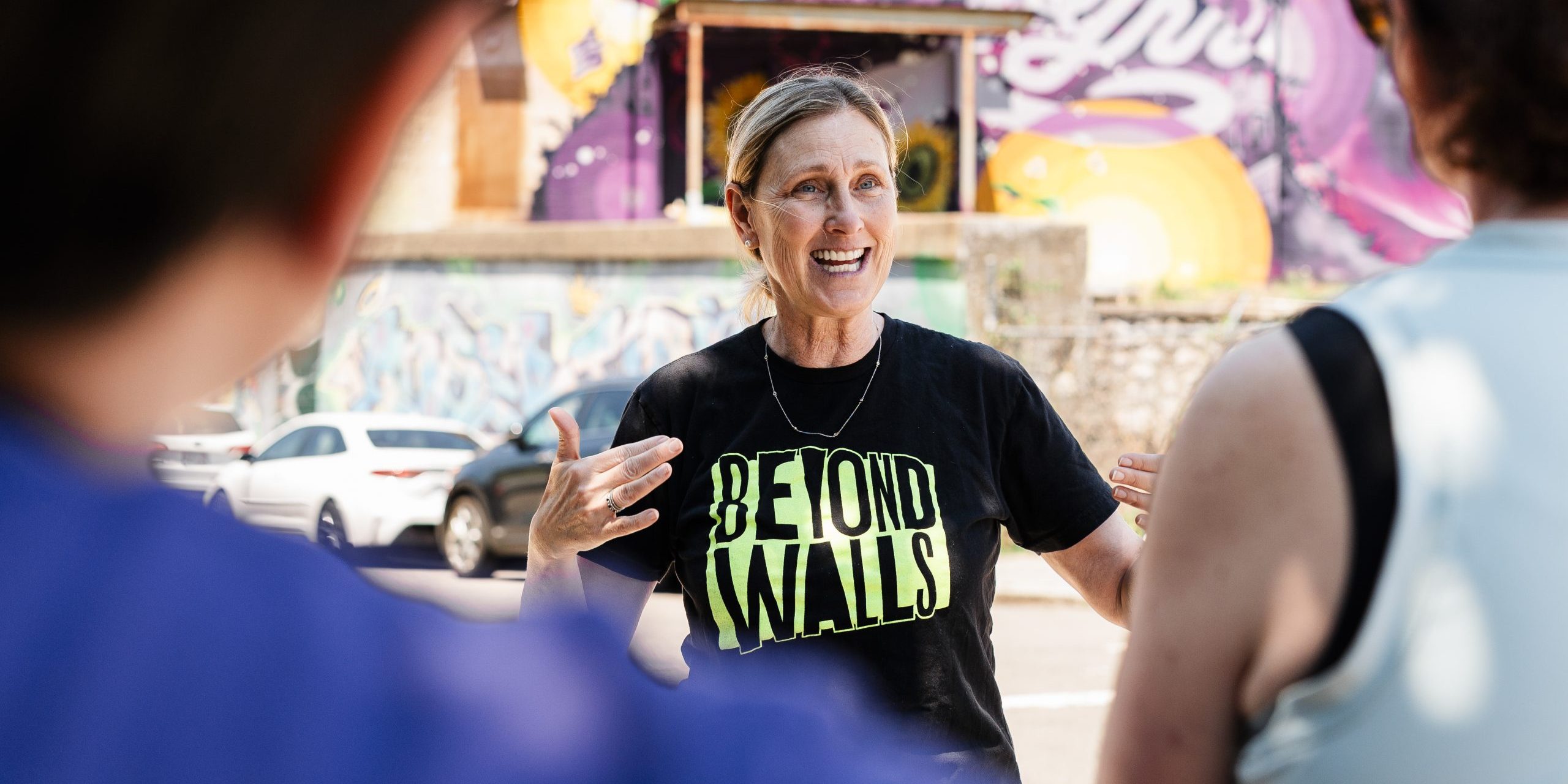
LYNN — Beyond Walls goes above and beyond when it comes to their Classroom to the Streets program. ...
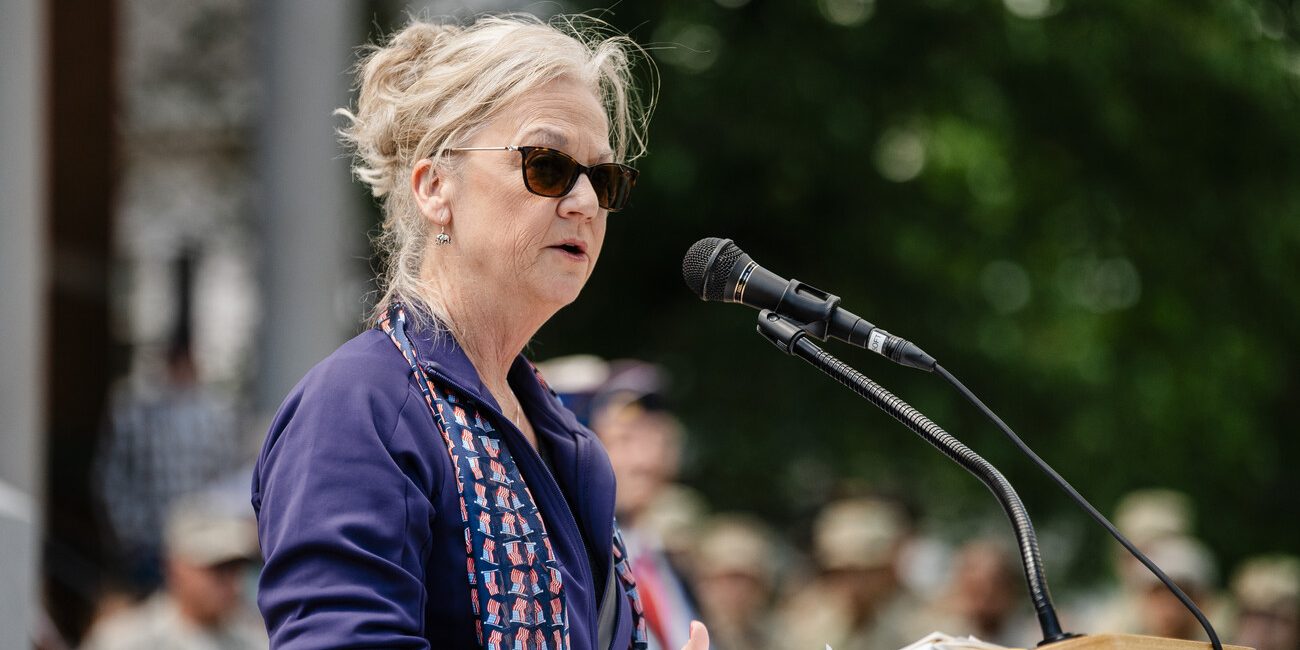
Following the State Ballot Law Commission’s June 26 ruling that lieutenant governor candidate Anne...

LYNN – U.S. Rep. Seth Moulton will join the annual reading of Fredrick Douglass’ speech, “What to...

All address information, particularly arrests, reflects police records. In the event of a perceived...

Former Lynnfield School Committee member cites concerns over identity listed in meeting agenda

Northshore Mall announces four new additions

Jim Walsh: Rising? Setting?

Msgr. Paul V. Garrity: Compassion or cruelty

Lynn and Swampscott issue beach advisory

Swampscott Garden Music Gathering continues to cultivate connections

Saugus home invasion suspects plead not guilty

$25K donation boosts Lynn Fireworks Fund

Nahant veterans feed a need
WHERE’S THE BEEF? – Itemlive

Lynn fights to increase immigrant legal aid
Southold issues stop-work order at controversial 6,000-hen egg farm