


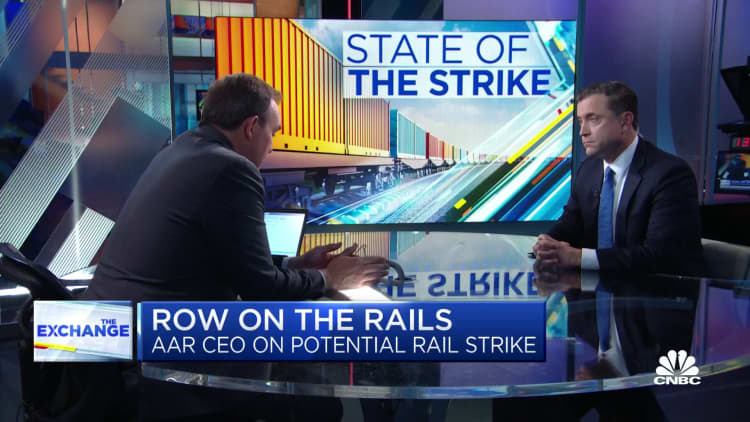
The alignment of the four unions that have voted not to ratify a labor deal has provided a clear timeline for strike prep plans among the freight railroads and with sensitive cargo including chemicals.
The Brotherhood of Railroad Signalmen (BRS) announced Tuesday it is extending its status quo period through December 8 to align with the BMWED (Brotherhood of Maintenance of Way Employees), SMART-TD, and the International Brotherhood of Boilermakers. If no agreement is reached by then, a coordinated strike could start on December 9. Railroad unions that voted for ratification have said they will not cross the picket lines and will support their fellow union workers, posing the risk of a nationwide freight rail shutdown.
According to federal safety measures, railroad carriers begin prepping for a strike seven days before the strike date. The carriers start to prioritize the securing and movement of security-sensitive materials like chlorine for drinking water and hazardous materials in the rail winddown.
Ninety-six hours before a strike date, chemicals are no longer transported. According to the American Chemistry Council, railroad industry data shows a drop of 1,975 carloads of chemical shipments during the week of September 10 when the railroads stopped accepting shipments due to the previous threat of a strike.
The Association of American Railroads would be expected to release its planning steps, similar to what it announced in September.
A new economic analysis released by the American Chemistry Council estimates that a rail strike would impact approximately $2.8 billion in chemical cargo that is moved weekly, with a month-long strike resulting in an overall hit to the economy of $160 billion, or one percentage point of GDP.
The ACC represents companies across industrial, energy and pharmaceutical sectors, among other manufacturing niches, including 3M, Dow, Dupont, Exxon Mobil, Chevron, BP and Eli Lilly.
If no agreement is reached between the four unions and rail carriers during cooling-off periods, there could be a strike or a lockout unless Congress intervenes using its power through the Constitution’s Commerce Clause. Under this clause, Congress would be able to introduce legislation to stop a strike or a lockout and to set terms of the agreements between the unions and the carriers.
One of the key points of negotiation for labor during this status quo period is asking for 56 hours of sick time based on an executive order for federal contractor benefits.
The Association of American Railroads provided CNBC with its leave policy explainer which was updated in mid-October. In a September report, the AAR quantified the impact of a strike on the supply chain and the U.S. economy at up to $2 billion a day.
24World Media does not take any responsibility of the information you see on this page. The content this page contains is from independent third-party content provider. If you have any concerns regarding the content, please free to write us here: contact@24worldmedia.com
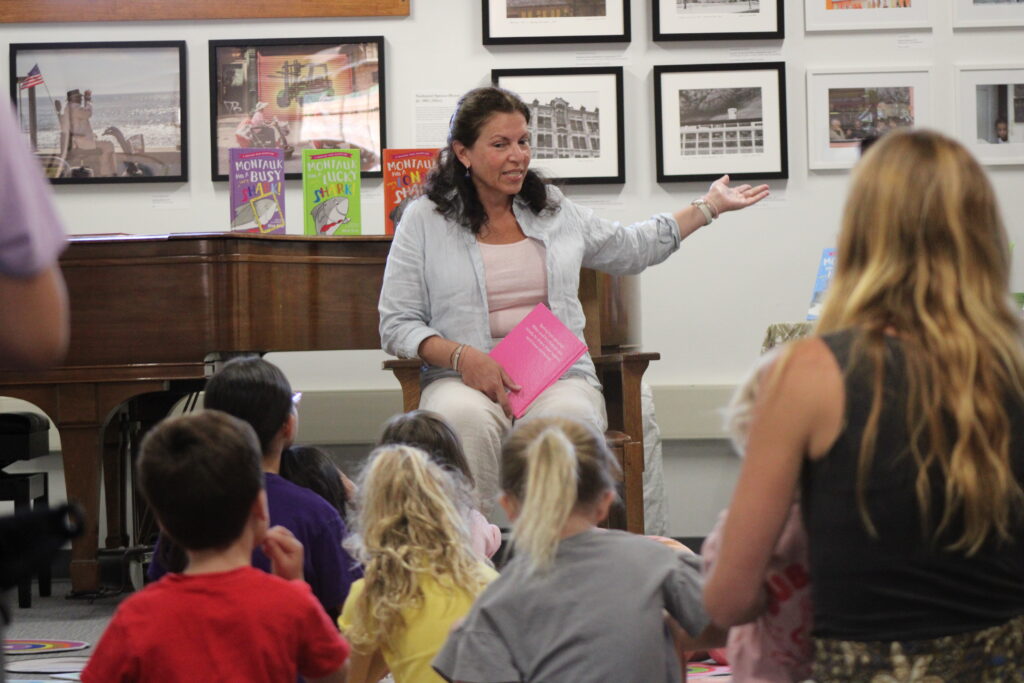
The Greenport Rotary continued its effort to promote reading for the hamlet’s youngest residents,...
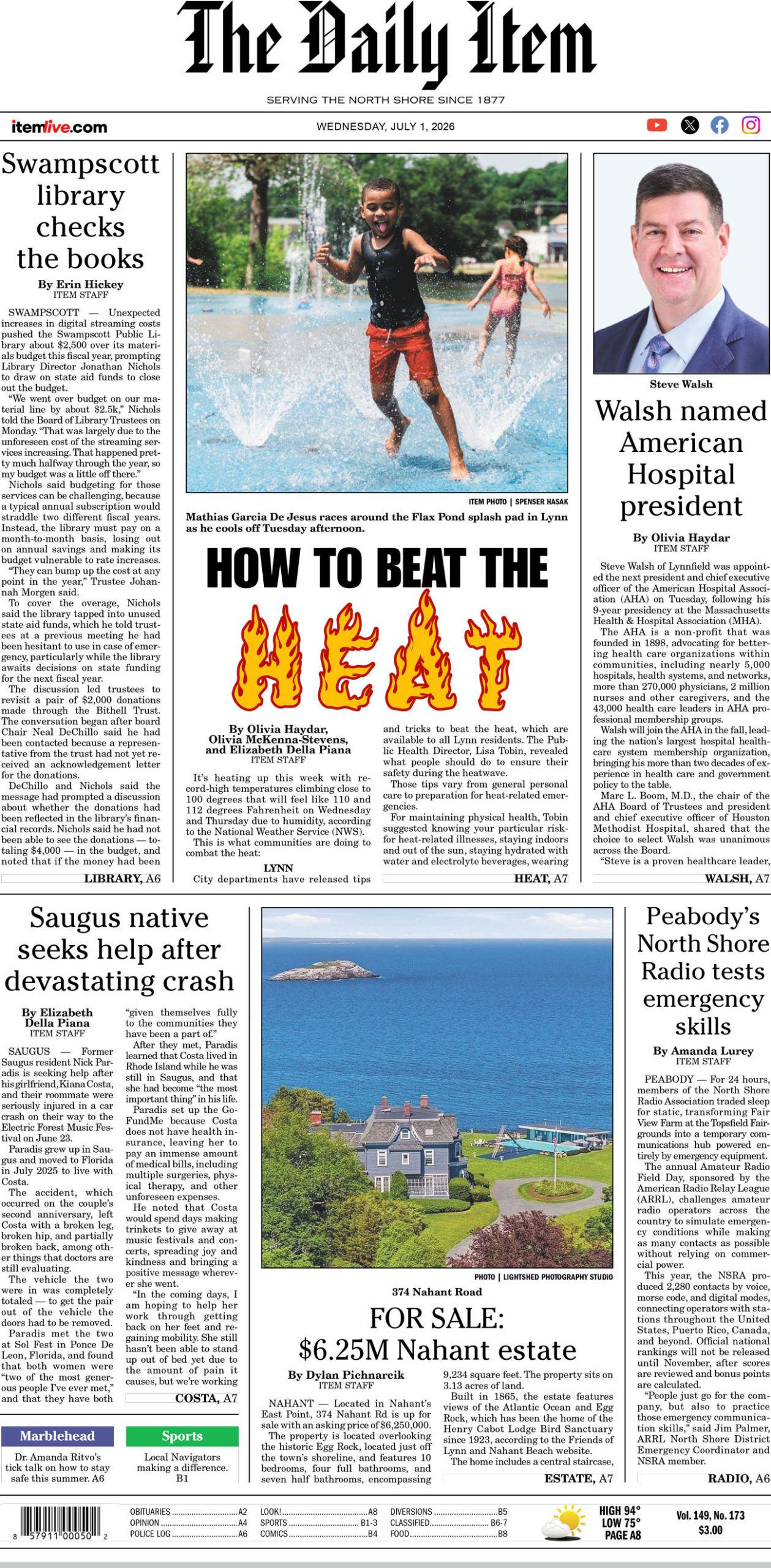
The post Today’s page 1: 7-1-26 appeared first on Itemlive. Source...

It’s heating up this week, with record-high temperatures climbing close to 100 degrees, feeling like...

All address information, particularly arrests, reflects police records. In the event of a perceived...

Steve Walsh of Lynnfield has been named the next president and chief executive officer of the American...

LYNN — The weather has been hot at Gannon Municipal Golf Course — and so has the shooting. Winning a...
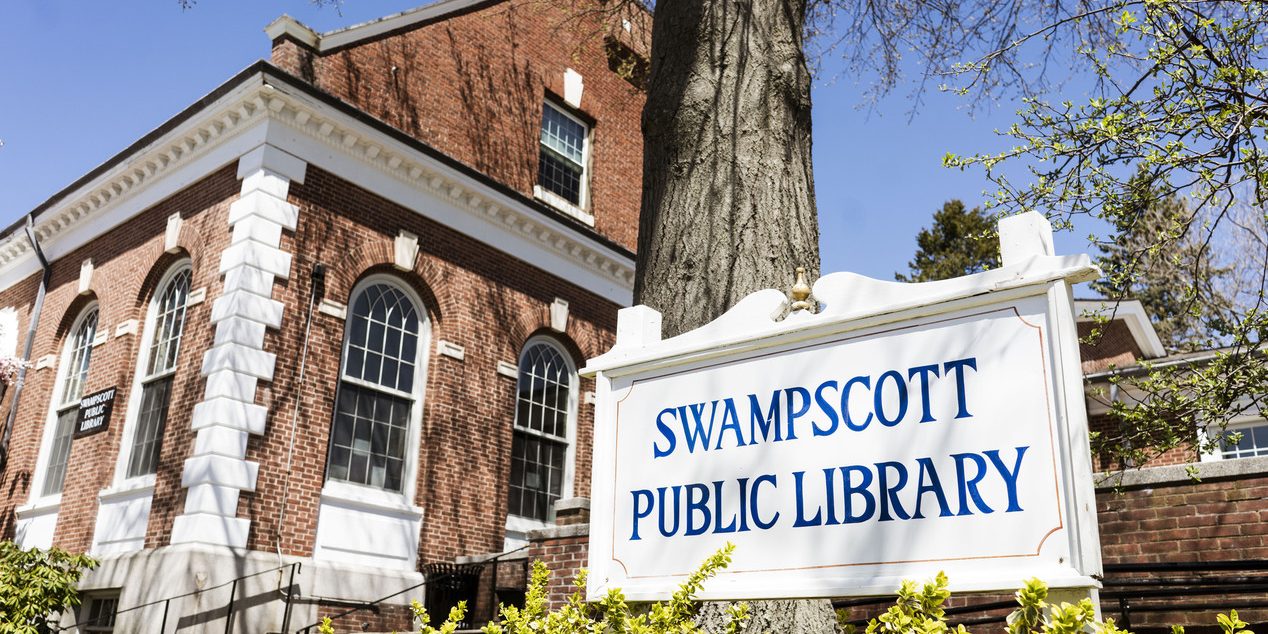
Swampscott library checks the books

FOR SALE: $6.25M Nahant estate

Peabody’s North Shore Radio tests emergency skills

Saugus native seeks help after devastating crash

Krause: Umpires and rabbit ears won’t go away
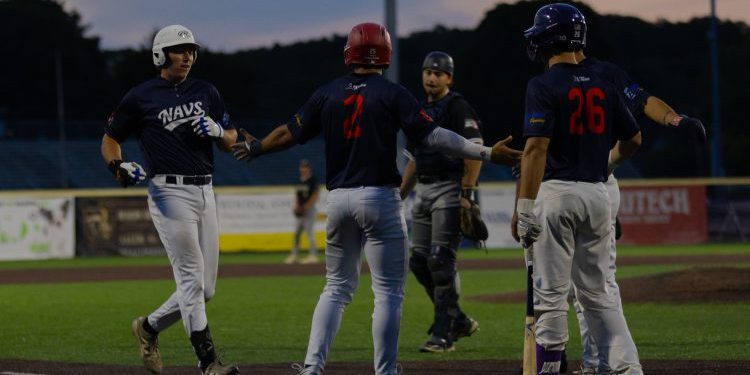
Local Navigators making a difference

Photos: North Forkers celebrate Pride in Greenport

Commentary: Making the choice for freedom
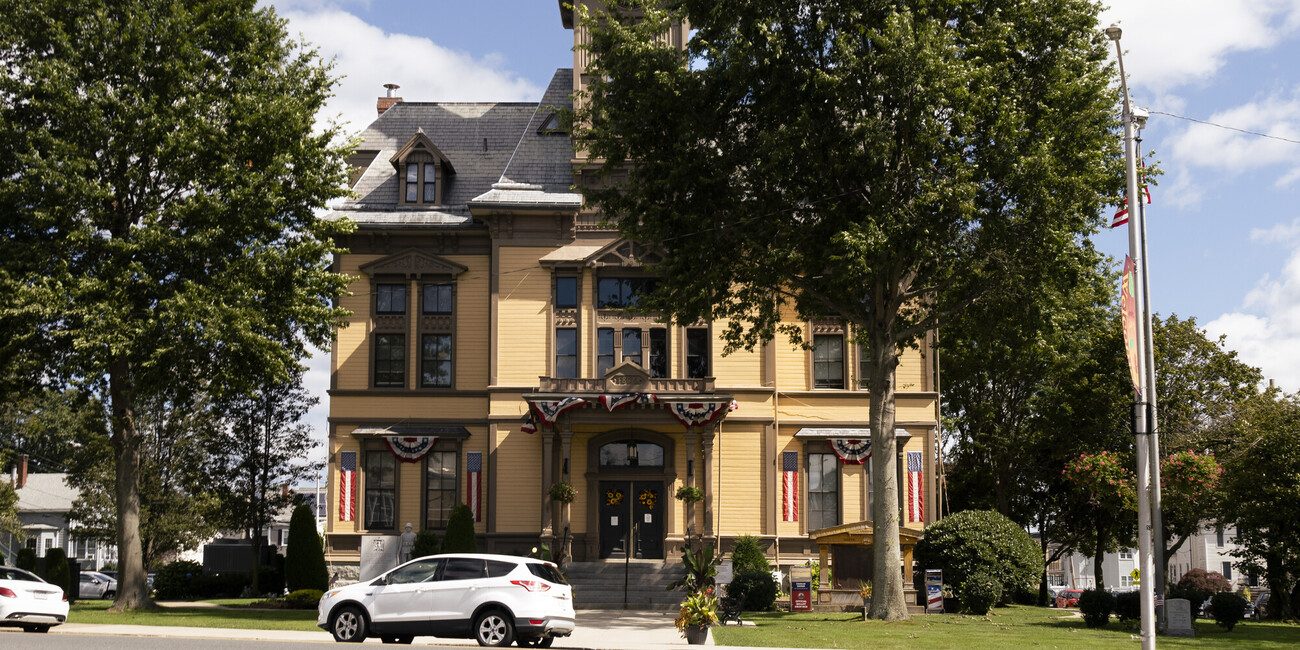
Saugus C.H.a.R.M. Center will close on Fourth of July
Commentary: It’s time for a constitutional amendment to protect the right to vote
LTTE: Focus campaign coverage on issues, not viral moments
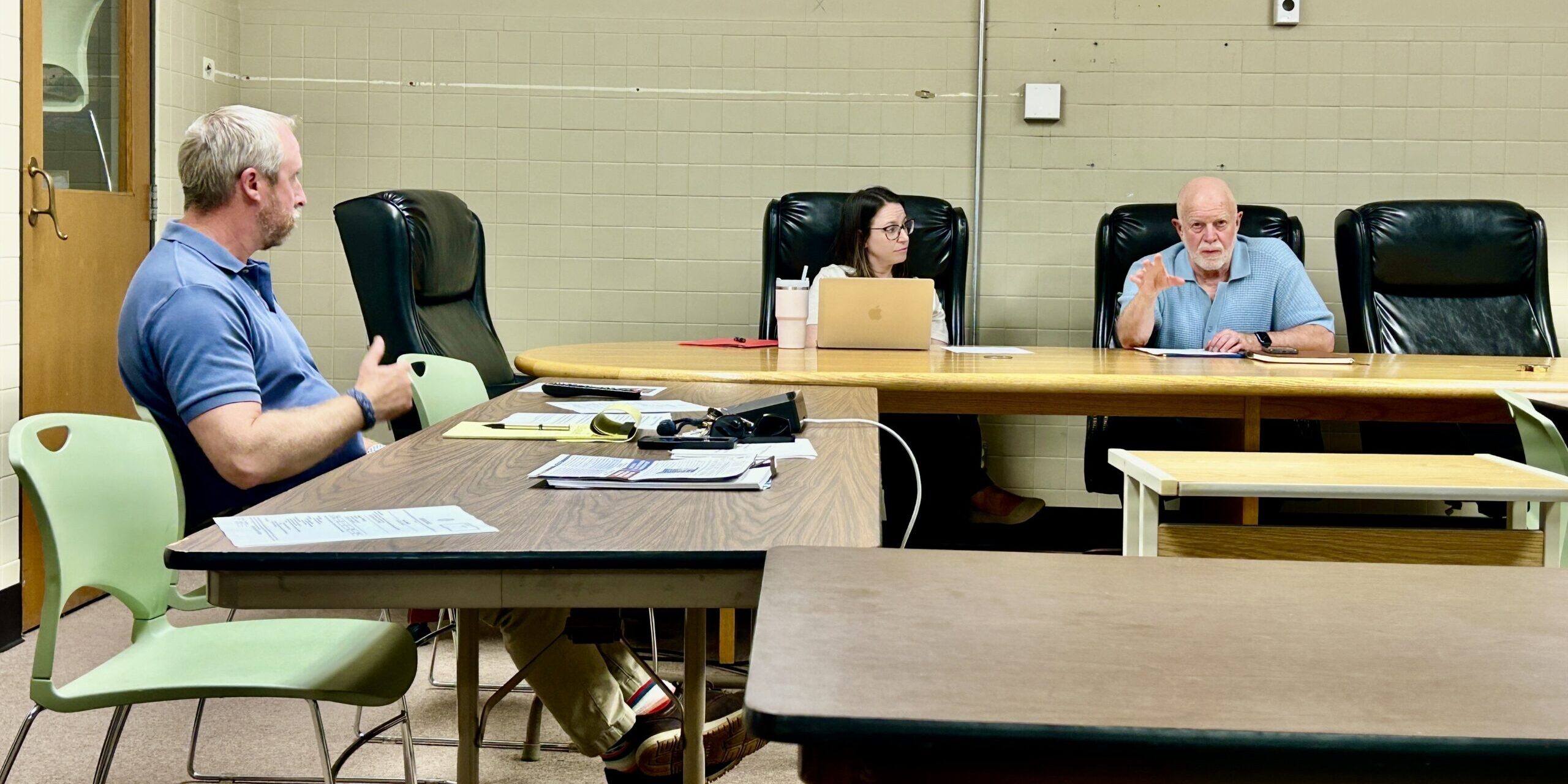
Dr. Amanda Ritvo’s tick talk on how to stay safe this summer