

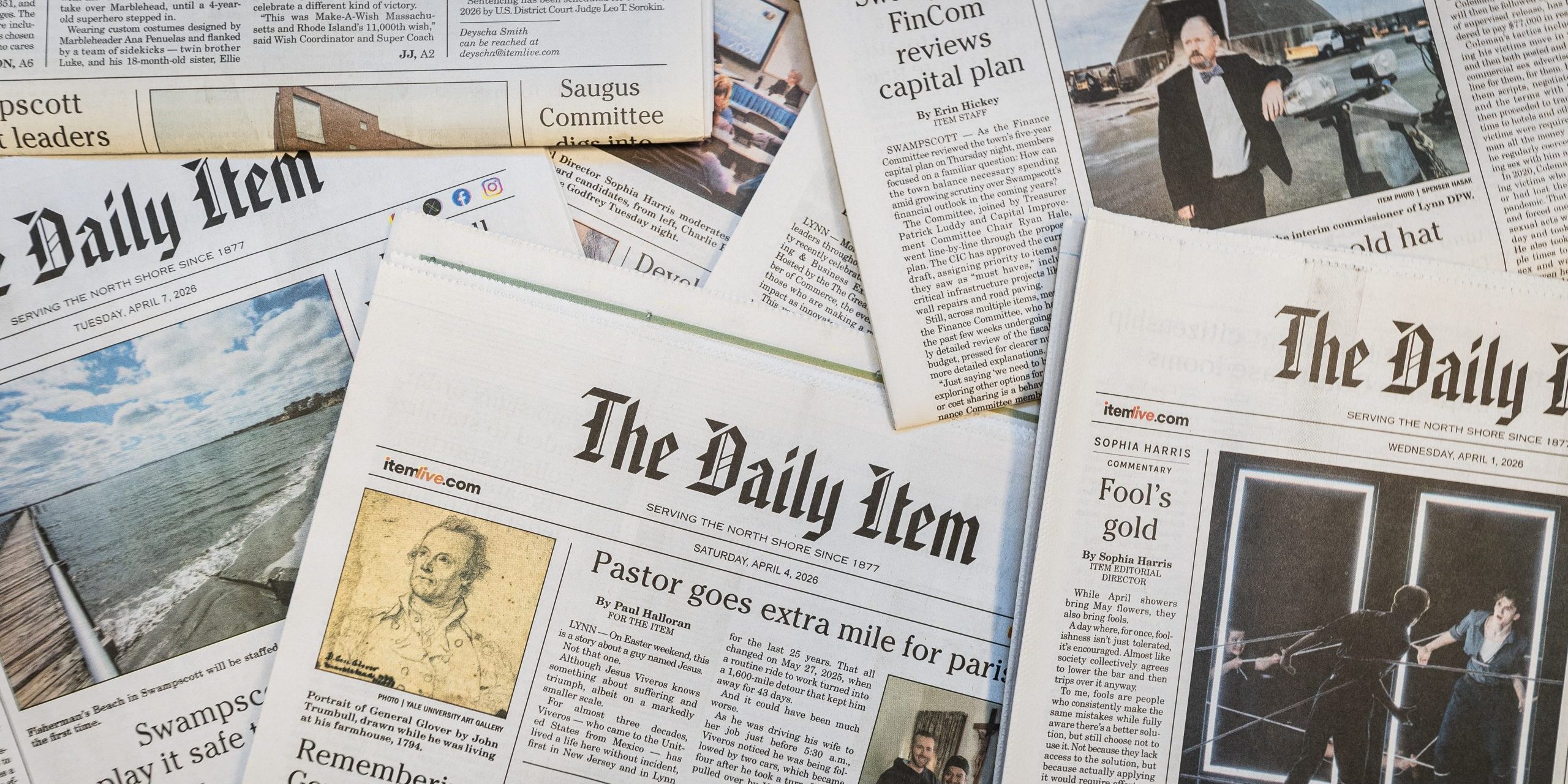
As conversations about the state of media and the future of local journalism continue to dominate headlines, some of the clearest answers can still be found in the pages you’re reading today.
At a time when trust in media is fractured and communities are increasingly disconnected from the institutions that shape their daily lives, local journalism remains essential.
It makes local information accessible to the very people it impacts, something more important now than ever.
In Lynn, where The Daily Item has been headquartered for more than 150 years, that mission is alive and enduring.
Through coverage of city council and town meetings, elections, schools, protests, and neighborhood issues, the paper continues its commitment to provide local news, relying on local advertising, to fulfill that mission.
While adapting to a rapidly changing media landscape, The Item has remained central to that purpose.
Its newsroom, staffed primarily by young, yet experienced reporters, provides in-depth coverage across Lynn, Lynnfield, Marblehead, Nahant, Peabody, Saugus, and Swampscott, with accurate reporting and storytelling at the forefront.
Beyond daily coverage, the outlet has expanded its community-centered approach through four magazines, 01907, 01940, 01945, and North Shore Golf, offering deeper, more exclusive features on the people shaping these communities from within. Also through weekly newspapers such as the Lynnfield, Marblehead, and Peabody weekly newspapers, as well as the Spanish-language newspaper La Voz. Special supplements highlight athletic and academic achievement and hobbies.
Far from being a relic of the past, The Daily Item stands as a case study in why local journalism still matters, and what its future can look like.
Lynn Mayor Jared Nicholson said that this work helps residents stay informed and engaged in decisions affecting their communities.
“The City of Lynn is incredibly fortunate that we have a daily independent newspaper that’s locally owned because it allows residents to follow the important events of their community and stay informed as to what’s happening and why,” he said. “And it allows us as a community to make better decisions about our future, to better understand what’s happening at any given moment.”
The Item has a lengthy and storied history, founded in 1877 by Hastings & Sons Publishing Company. It was family-owned until 2014 when it was purchased by Essex Media Group — seven local investors led by Publisher Ted Grant and CEO Mike Shanahan, and including trustees Ed Cahill, John Gilberg, Gordie Hall, Monica Connell Healey, and Pat Norton, all of whom have direct connections to either the Item and/or the communities we cover.
For the journalists doing that work, the value of local reporting is tied to access, accountability, and connection.
Editorial Director Sophia Harris joined The Item as a news reporter in 2024. She was a senior at Framingham State University and found herself on the ground, covering local news.
Her passion for journalism had always been there, as Harris also served as editor-in-chief of FSU’s student newspaper, The Gatepost. It was once she stepped outside of her campus and began covering the North Shore as a reporter that Harris also saw just how important local journalism truly is.
“To me, the importance of journalism has only been strengthened through working here, and I think it’s something that a lot of people take for granted,” she said.
That belief runs through the newsroom. Item reporter Elizabeth Della Piana pointed to the role local papers play in documenting community life in ways many other outlets cannot.
“I think any community being able to say they have a local newspaper is really important,” Della Piana said. “There are so many places in this country that don’t have local news. This has a huge impact on the community. They don’t know what’s happening in their children’s schools or the community events that are happening that they can take their kids to. Sure, they can find it on a calendar somewhere online, but it’s not the same as having boots on the ground.”
Item reporter Amanda Lurey framed that work through service to readers.
“It’s important that people can still get information and feel like they understand what’s going on and also feel included in conversations that are happening,” she said.
She added, “I know, at least for Peabody, the majority of people aren’t going to sit through a three-hour City Council meeting, but they expect me to do that. And I will do my best to write it in a way that makes sense.”
That sense of purpose is part of why many in the industry reject the idea that local newspapers are disappearing. The Item continues in print while expanding online and into magazine publishing. Harris sees those shifts as part of journalism’s evolution rather than a sign of decline.
“The newspaper industry is not as dead as everybody says it is, and I would know that because I live it day in and day out,” Harris said. “I do think the industry is changing, and I think it’s changing for the better, which is why, in our newsroom, we have a lot of young people on staff. They bring in new perspectives and new ways of thinking that align with future generations that will buy and read newspapers.”
Still, challenges remain. A 2025 study by the Medill Local News Initiative at Northwestern University found 212 U.S. counties without any locally based news sources and 1,525 counties with only one local news source. Those gaps helped drive policy responses, including the Massachusetts Commission on Local Journalism.
It was this reality that led Lori A. Ehrlich, a former state representative for the Massachusetts 8th Essex District, along with State Sen. Brendan Crighton, to file a bill establishing the Massachusetts Commission on Local Journalism, which was passed in 2021.
“I championed this cause because I was seeing the decline of local papers. We were OK locally, but across Massachusetts, we were seeing news deserts arise,” Ehrlich said.
While areas such as Lynn, Marblehead, and Swampscott, which she represented over the course of 14 years, had The Item and other outlets providing consistent coverage, that wasn’t the case statewide.
Through the commission, they were able to both study communities that were underserved by local journalism and comprehensively look at the state of local news as a whole, from the adequacy of press coverage of cities and towns to the impact of social media on local news and even help identify career paths for aspiring journalists in Massachusetts.
Her focus has since shifted to solutions through Boston University’s journalism initiative, where support for publishers and training for future reporters are part of that effort.
“I came to fully appreciate the essential nature of local journalism and how much people really care about it,” Ehrlich said.
“In this program at BU, we’re not studying the problem; we’re building solutions,” she continued. “We’re getting the feedback from the students as to what’s working and what’s not, and we’re also in touch with the newsroom, so we’re here as a support as they get started, and providing resources to them as well.”
Inside newsrooms, reporters also see the future through the connection between journalists and the communities they cover. Item reporter Briana Alvarez said reporting locally changed how she viewed the importance of neighborhood news.
“Before I started here, I definitely got most of my news from major outlets, but it was all national. Then, it really occurred to me a lot was going on right here that could affect my family way more,” she said.
Creative Director Spenser Hasak described community journalism as a way of documenting both hardship and resilience.
“I think there’s a lot of negativity in the world right now, especially in the media. There’s just a lot of things happening in the world, and I think community journalism offers a chance to shine a spotlight on the good and offer a kind of light in the darkness,” he said. “I get to highlight the firefighters risking their lives and going in the face of danger and trying to save people and save a building.”
The mission of local journalism is rooted in capturing — and confirming — what’s happening in the very communities they cover, and while a majority of people still tune in to local broadcasts and news stations to know what’s going on, social media is also rapidly changing not only how people consume news.
According to the Pew Research Center, last year, 52% of Americans said they often get local news online on platforms like Facebook groups, while just 36% read daily newspapers.
And yet, the same percentage of people also get information from influencers, which is a term that could range from independent journalists to reporters at major media outlets who are appearing on-camera in video content.
With that, it’s important to understand the difference between news circulating on social media and appearing in published media by journalists.
False information on social platforms bears a different kind of consequence than when it appears in a newspaper or on the outlet’s website, and on platforms like Instagram, a post can be deleted (though it might be too late if someone takes a screenshot), but news outlets are held to journalistic integrity that could very well be in jeopardy.
“I think as journalists, it’s important we look at social media and take it into account, but it’s our job always to take the next step into verifying it,” Della Piana said. “We all have to use social media in today’s day and age, but we can’t just run with it. I don’t think there will ever be a possibility of being able to say social media is the king of news. At the end of the day, it’s a community conversation, and that needs to be verified. I have to call the police if I want to verify that something happened. I’m not trusting the Facebook page that told me something happened on the police scanner yesterday.”
Back in March, the New York Times hired Tom Denison as its editor of video training — a new role where he will “help reporters and editors to identify and implement video reporting as an extension of their journalism,” according to the official announcement.
While the news highlights a change in format, the very essence of local journalism still remains at the forefront.
Matt Shearer, who is known as “Reporter Matt,” covers local news around the Boston area for WBZ Radio in a new way.
Shearer joined the station in 2020 and said he initially was just taking his “radio pieces and slapping B-roll on top of it and just putting it out there on the internet,” but as it started to resonate with audiences and go viral on social media platforms like TikTok and Instagram, the approach turned out to be an innovative one.
“No other newsroom was really doing it like that,” Shearer said.
Today, Shearer himself has amassed more than 131,000 followers on Instagram, and his work, which is posted in collaboration with WBZ’s own account of 39,000 followers, is guaranteed to go viral on social media.
Shearer has seen how other outlets are now shifting their own editorial strategy to prioritize content on social media.
“It was an innovative thing, but now I feel like most newsrooms have kind of caught up. They figured out — and this isn’t just journalism, but all traditional media, whether it be TV shows, radio shows, newspapers, magazines — they all saw social media as kind of just like an extra side dish to their main dish, but now people are seeing it as kind of a primary way to reach people.”
The First Amendment of the U.S. Constitution is freedom of the press. As the industry changes and journalists work to adapt, one thing remains central: Upholding democracy starts at the local level, so too does journalism. Essex Media Group’s mission statement reads: “To inform, educate, provoke thought, and prompt a smile in reflecting the communities we cover.” We strive daily to maintain and enhance the legacy of The Item as the North Shore’s independent newspaper.
24World Media does not take any responsibility of the information you see on this page. The content this page contains is from independent third-party content provider. If you have any concerns regarding the content, please free to write us here: contact@24worldmedia.com
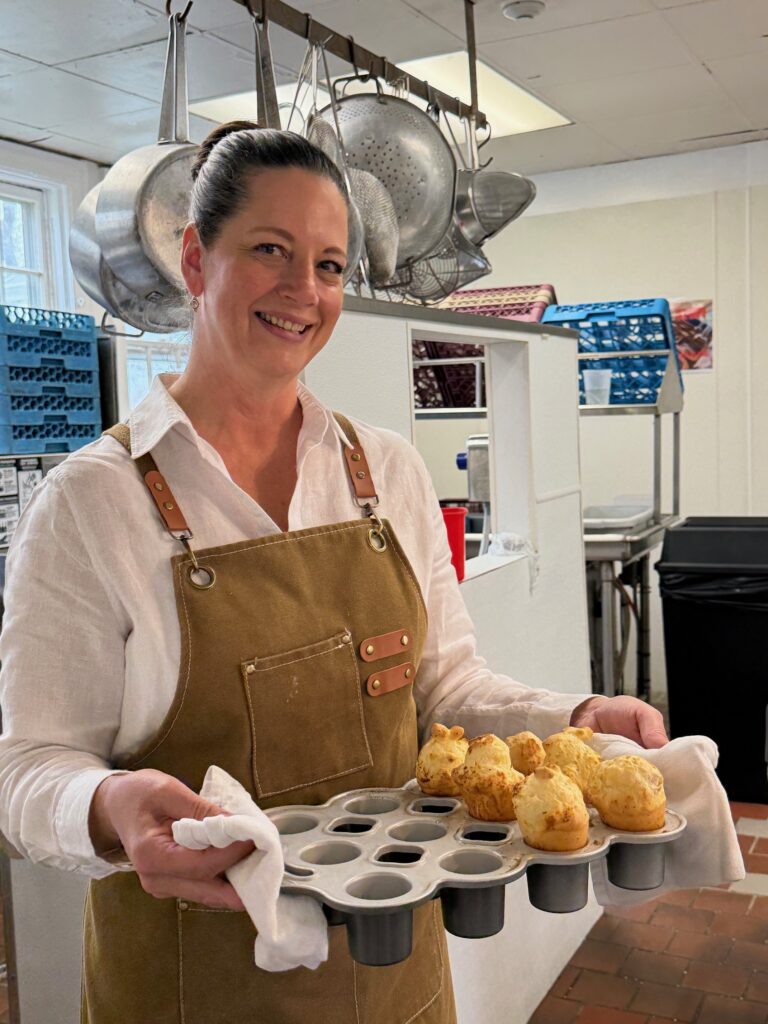
Chef Jessica Taccone is, in many ways, not your typical toque. First of all, she’s pretty chill,...

Last Friday, Revere’s softball team escaped Lynn Classical’s grasp 9-6. Four days later, the tables...

PEABODY — Students at Bishop Fenwick High School participated in a mock car crash presentation on...
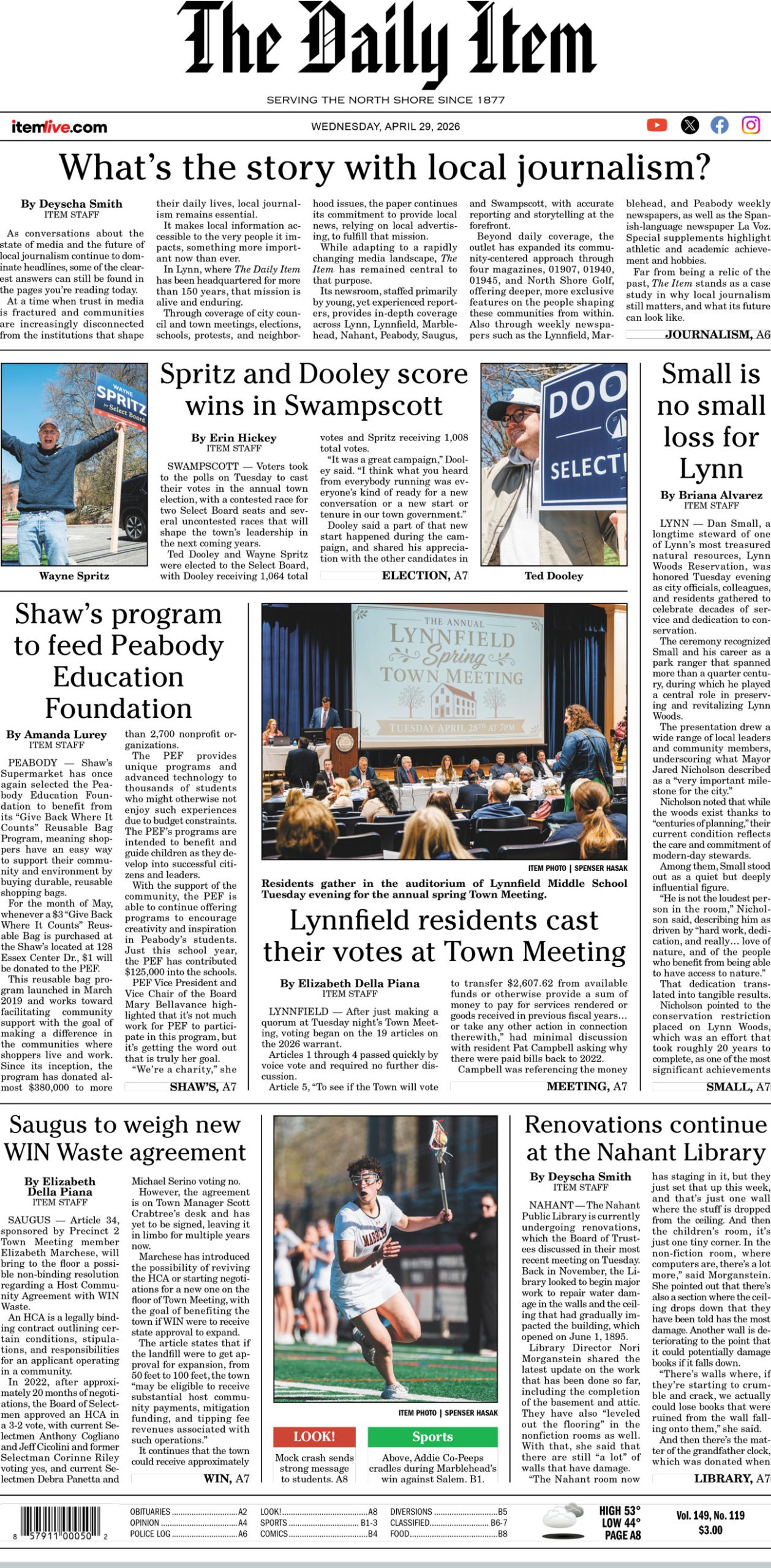
The post Today’s page 1: 4-29-26 appeared first on Itemlive. Source...

Joe Palaggi When Pope Leo XIV speaks about war, his message is clear: Violence degrades human dignity,...

To the editor: In the article on April 26, “Water/Sewer rates could increase 300-400%,” Ward 5...
What’s the story with local journalism?

Dooley and Spritz score wins in Swampscott
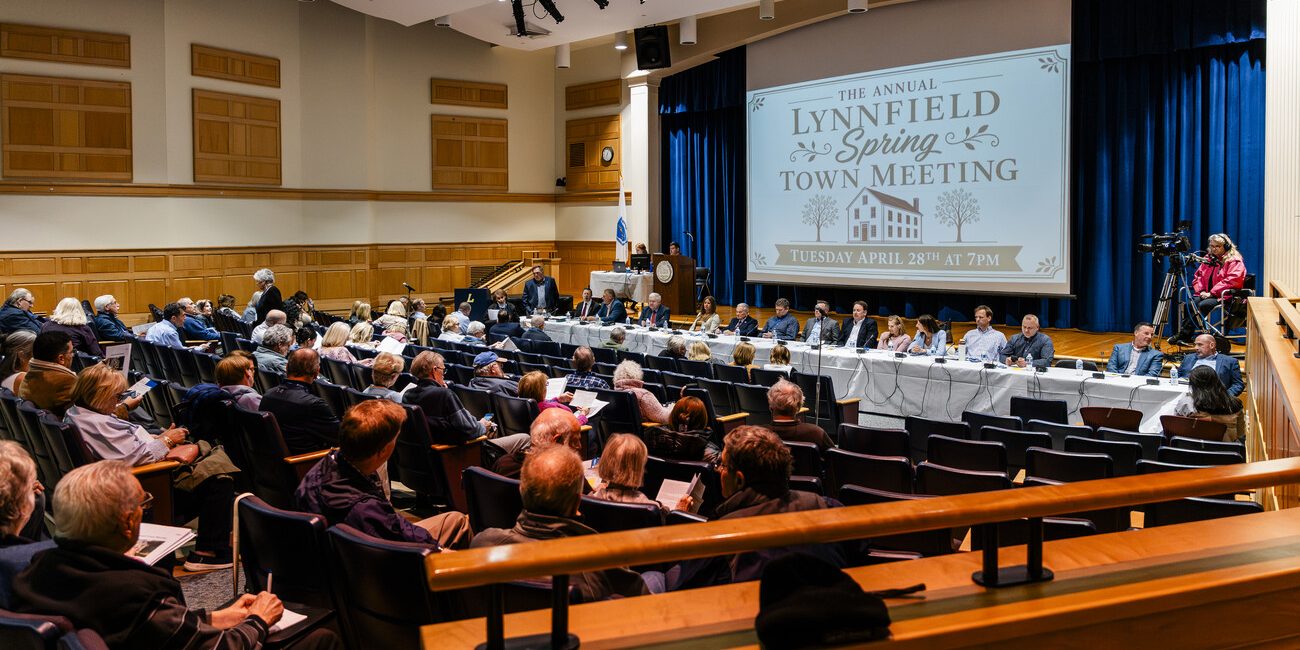
Lynnfield residents cast their votes at Town Meeting

Renovations continue at the Nahant Library
Shaw’s program to feed Peabody Education Foundation
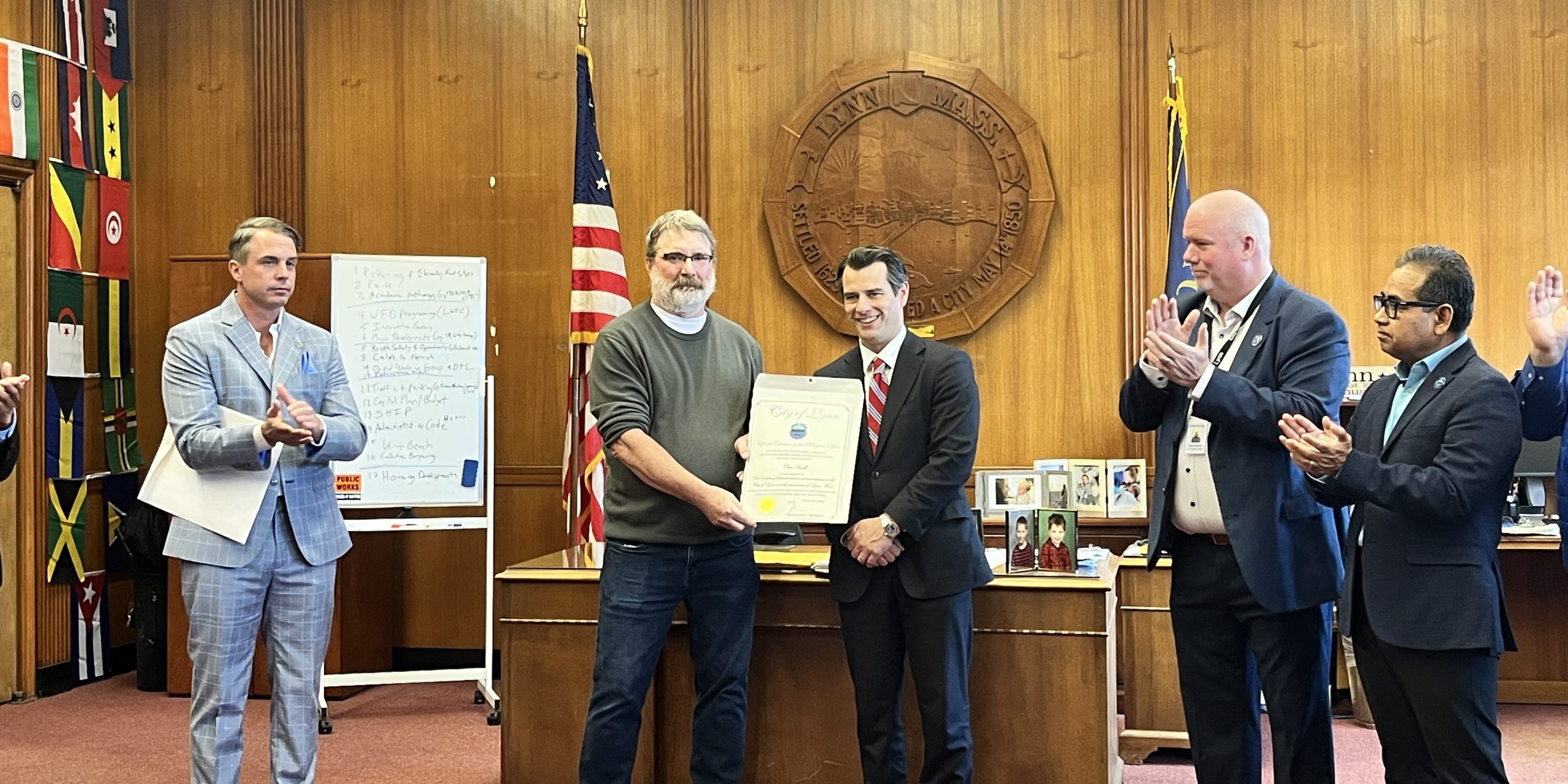
Small is no small loss for Lynn
Commentary: A sex test for Olympic contenders harms all women

Sandmagination marks one year with discounted family event

Police Logs: April 27, 2026
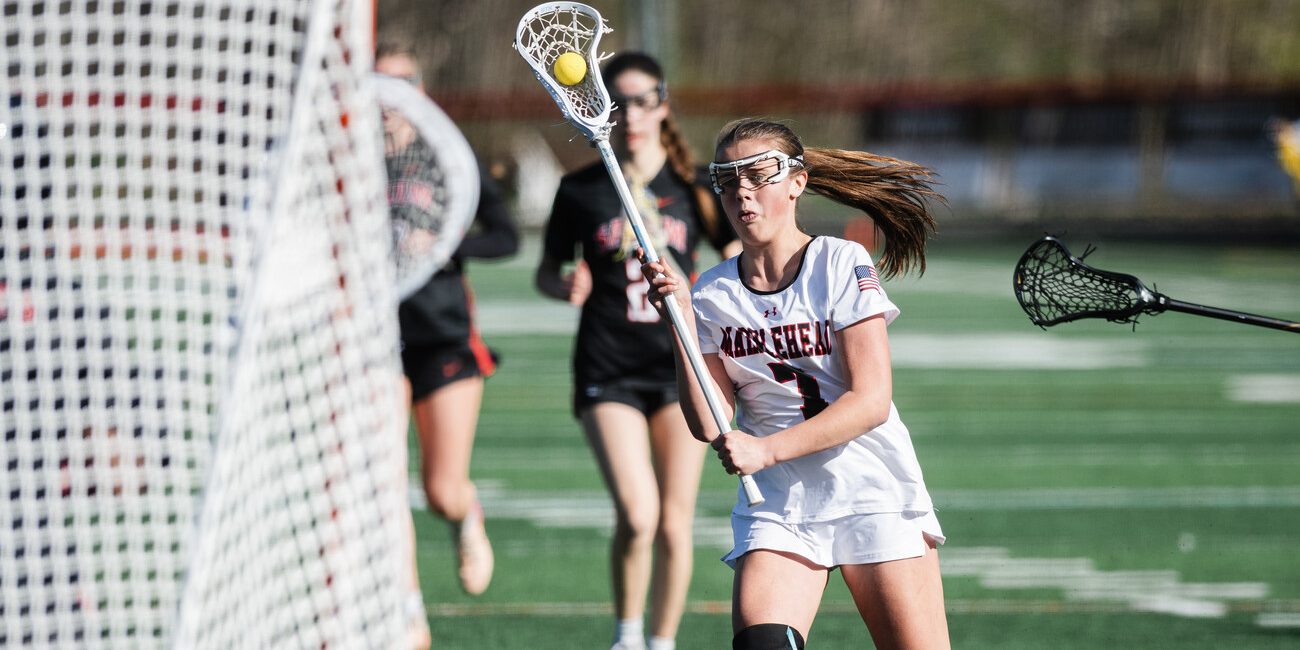
Marblehead lights up scoreboard against Salem
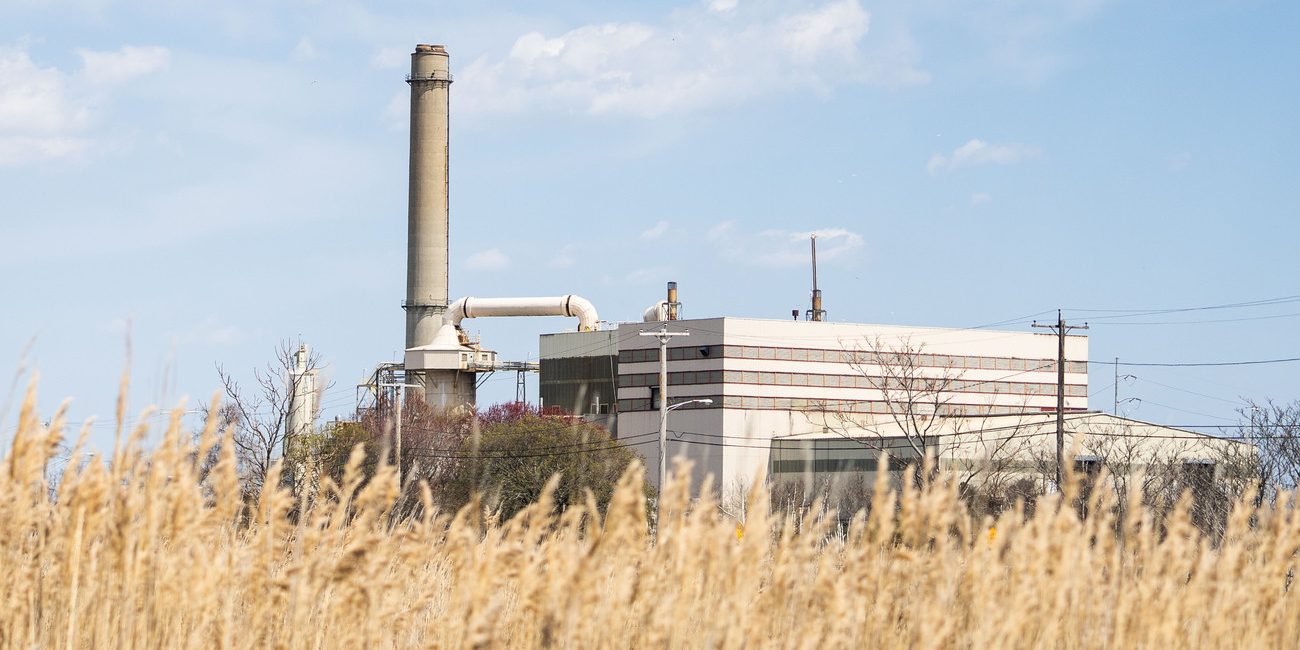
Saugus to weigh new WIN Waste agreement
Krause: The week that wasn’t in Boston