


“Why don’t you just come over to my house for our first date? I really don’t feel like driving 20 minutes. You can come here, but just so you know, I still live with my parents.”
I unmatched.
To be fair, it wasn’t the fact that he lived with his parents. Have you seen the housing market? Plenty of people in their twenties are living at home because monthly rent now rivals a mortgage payment.
The problem was asking a complete stranger to come over because he couldn’t be bothered to drive 20 minutes.
Did it ever occur to him that I could be a serial killer? Or that he could be?
As ridiculous as the conversation was, it barely stood out. Five years ago I probably would have screenshotted it and sent it to every friend I had. Now, it’s the norm.
Then I came across a national survey from the Institute for Family Studies that suggested these anecdotes are part of something much larger.
Only one in three adults between the ages of 22 and 35 is actively dating. Nearly three-quarters of women said they had either not dated at all or had gone on only a handful of dates during the previous year. The numbers for men were almost identical.
That surprised me because it doesn’t match the conversation we’re having about modern relationships. Spend 10 minutes online and dating appears to be everyone’s full-time job.
We analyze first dates, dissect text messages, argue about who should pay for dinner, and contentiously negotiate with ourselves if the amount of time and effort is worth a possibility of a connection.
We’ve become remarkably better at talking about dating while doing less of it.
The survey also challenges one of the easiest assumptions. Young adults haven’t stopped wanting relationships; actually, most respondents still hope to marry someday and want long-term commitment.
What has changed is their confidence that they’ll ever get there.
Those who felt less confident pointed to financial pressures, fewer opportunities to meet people, and past disappointments.
But dating has never been easy.
There have always been awkward first dates, mismatched expectations, and rejection.
What’s different is how many people seem to approach dating already convinced it probably won’t work.
That mindset creates its own cycle. Confidence comes from experience, and experience requires participation. The fewer people date, the less confidence they build. The less confident they become, the less likely they are to try again.
Dating apps are part of that story, though I don’t think they’re the whole story. They made it easier to meet people outside our immediate circles, but they also replaced something we rarely think about: familiarity.
For most of history, relationships grew out of ordinary life. People met through work, mutual friends, church, school, or neighborhood routines. Attraction often had time to develop because people already knew one another.
Today we’re expected to make that decision after looking at six photos and reading three prompts. That’s an extraordinary amount of pressure to put on a profile.
But what many people fail to realize is that dating apps are businesses, and businesses benefit when customers keep using their products.
Someone who finds a lifelong partner eventually deletes the app. That doesn’t mean dating apps are trying to keep people single, but their incentives aren’t perfectly aligned with ours, much like social media benefits when we keep scrolling instead of logging off.
If that is your primary mode of dating or your only way of “putting yourself out there,” why invest in a mode that is not exclusively working for you?
You have to approach people. Not in a creepy way, mind you. Don’t go up to someone and say, “I have been watching you all night,” because, yikes.
But read body language, look up from your phone. Shoot a smile and see if it’s reciprocated. And then approach.
And in the case that it doesn’t work out, it was still worth it because you learned that approaching people does not result in immediate social exile.
I truly believe that people were not meant to find each other in the same way you pick laundry detergents on Target.com.
I do believe that if, as a society, we work on approaching people in person and living through that experience. Confidence will build, and that confidence will lead to finding the right person for you.
The survey suggests the biggest problem isn’t that young adults no longer value relationships.
But rather, they are unwilling to get out of their comfort zone to find one.
At some point, we have to decide that the possibility of rejection is worth more than the certainty of staying exactly where we are.
24World Media does not take any responsibility of the information you see on this page. The content this page contains is from independent third-party content provider. If you have any concerns regarding the content, please free to write us here: contact@24worldmedia.com
“Why don’t you just come over to my house for our first date? I really don’t feel like driving 20...
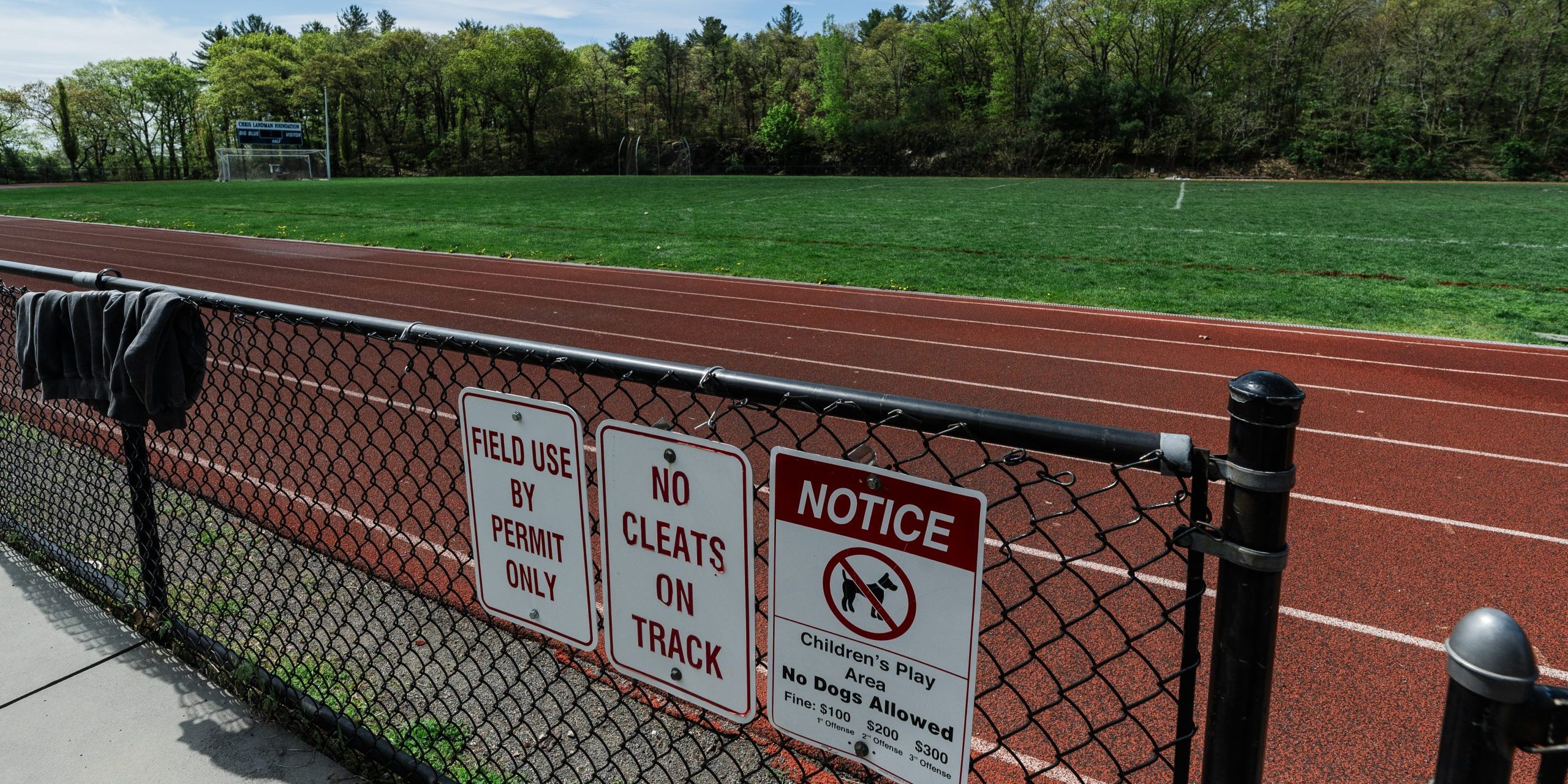
SWAMPSCOTT — Swampscott residents who donate to replacing the aging Upper Jackson Park track will soon...
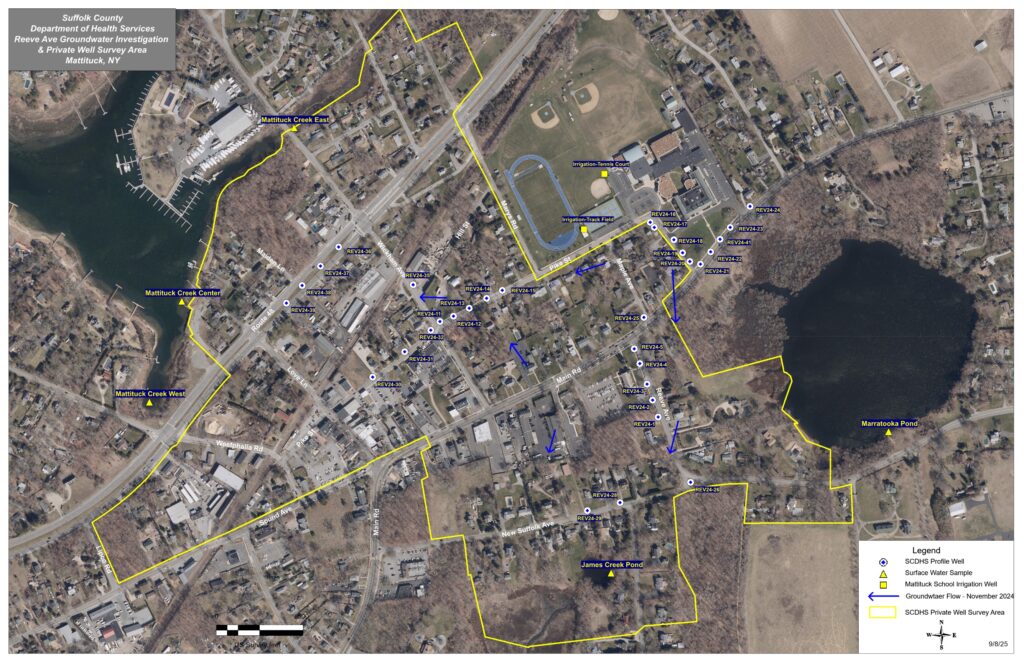
Suffolk County Water Authority is taking another run at state funding to bring public water to 60...

Vicente Medina For the few enthusiasts of the revolution, July 26 meant celebrating once more the attack...
Peter St. Onge and E.J. Antoni OPEC looks like it might be coming undone. Major members have threatened...
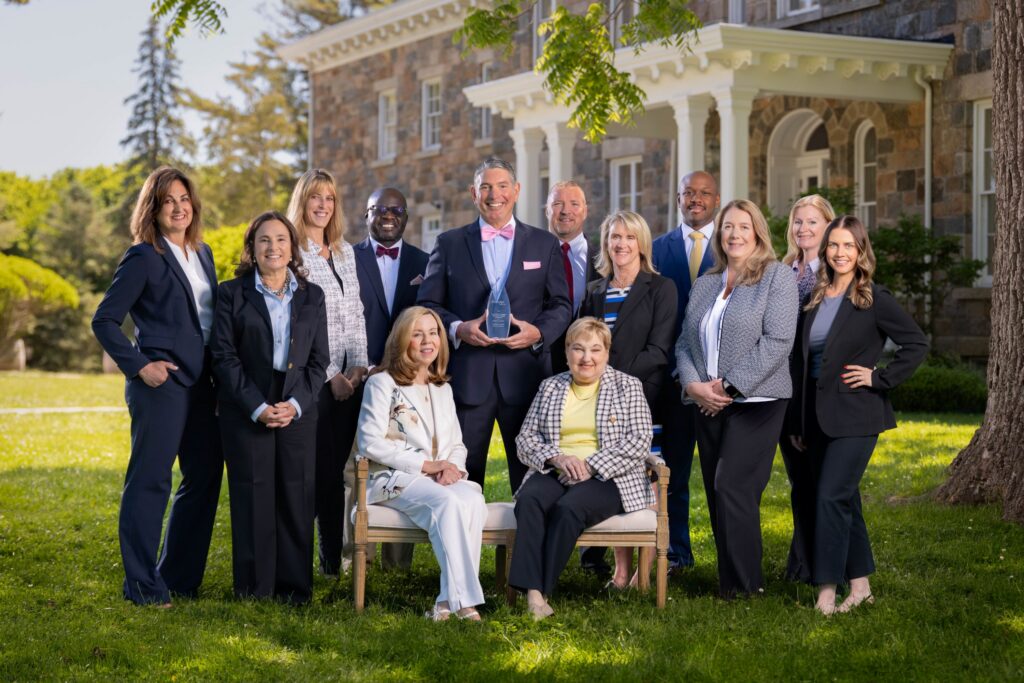
Peconic Landing has added another national honor to its growing list — this time for a program that...
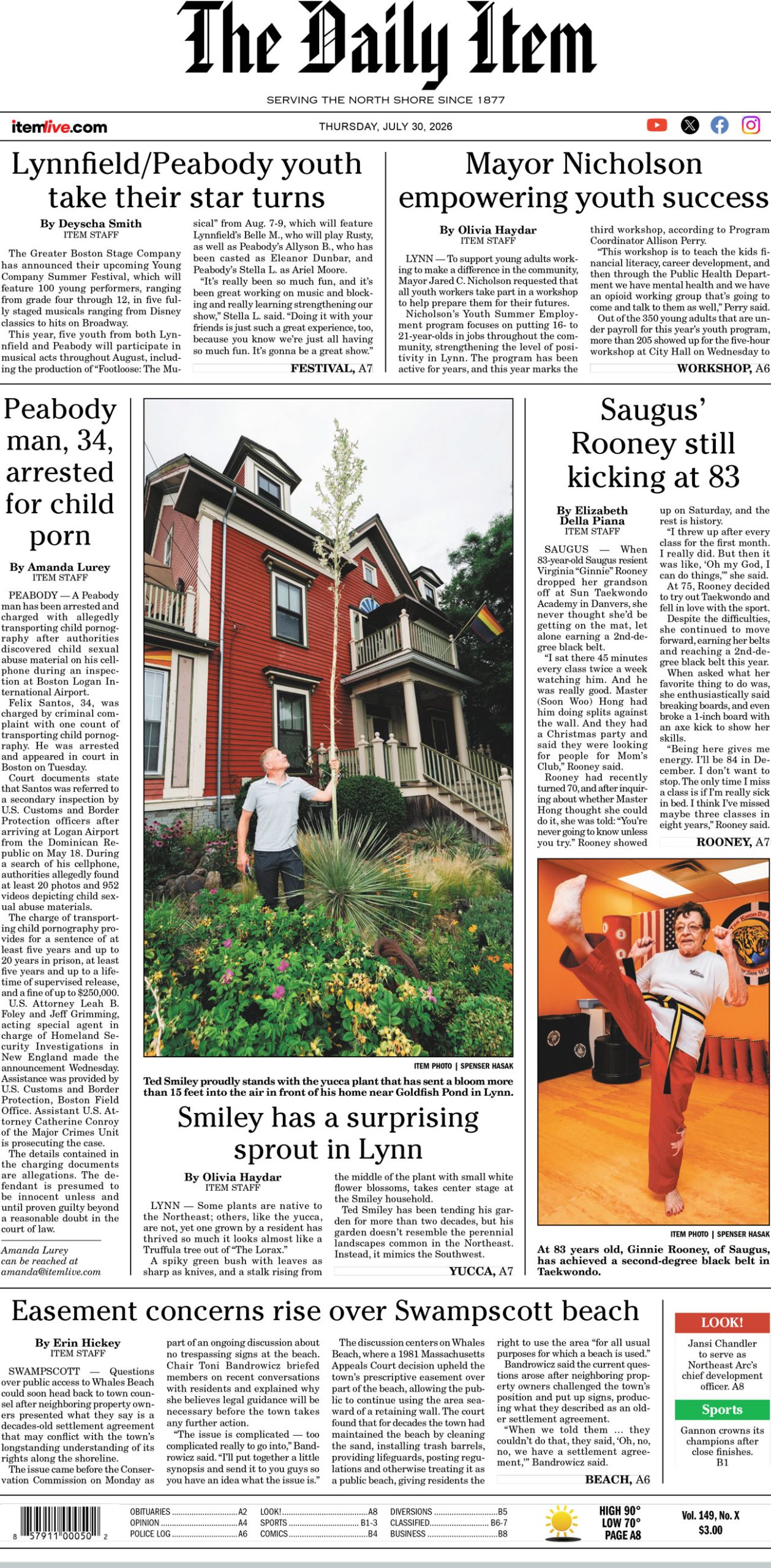
Today’s page 1: 7-30-26

Easement concerns rise over Swampscott Beach

Chandler to serve as Northeast Arc’s chief development officer
Lynnfield/Peabody youth take their star turns
Commentary: Wonder why the birthrate is falling? Look how we treat mothers.

Police Logs: July 28, 2026

Mayor Nicholson empowering youth success

Editorial: What John Fetterman forgot about his U.S. Senate seat
Smiley has a surprising sprout in Lynn
Saugus’ Rooney still kicking at 83
Peabody man, 34, arrested for child porn

New cat shelter to open in Peabody this fall