

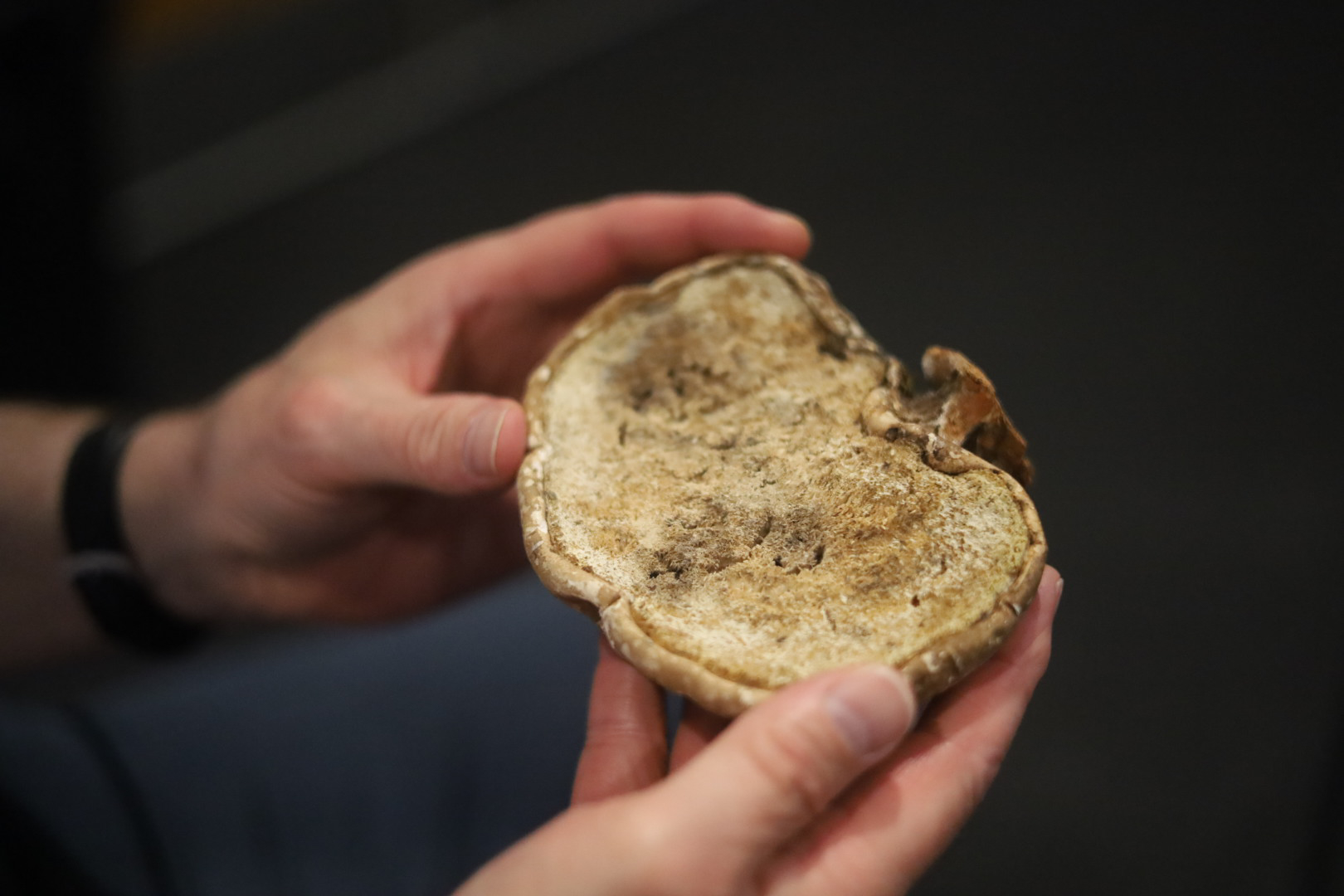
SAUGUS — Jonathan Kranz, a Massachusetts Audubon certified field naturalist and vice president of North America’s oldest mushroom organization, the Boston Mycological Club, spoke to residents about how to forage mushrooms safely around the state.
During his presentation, he handed out examples of mushrooms for everyone to examine with magnifying glasses, so they could see the tiny differences among the seemingly similar-looking mushrooms.
Kranz went over the specific types of fungi and how they grow and thrive.
“Primarily, there are three food sources for our fungi… Parasitism means it’s fungi feeding on living plant tissue at the expense of a plant or tree… One party wins, in this case the mushroom, and one party loses, in this case the tree,” Kranz said, pointing out some mild parasites, including the polyporus genus, that typically feed on the wood inside trees that is already dead.
The next type of fungi uses decomposition as a form of getting its food, and Kranz used Xeromphalina Campanella as an example. These fungi break down dead matter, making them a key part of the environment.
“Finally, we have mutual symbiosis. So the fungus is going to win, and the tree or plant is going to win,” he said, pointing to an image of Chanterelles.
“This relationship is so important that biologists estimate that at least 80% of all terrestrial plants have a mutually symbiotic relationship with fungi,” he said.
Kranz said that oak trees especially have these relationships with fungi, which is why they are so resilient in multiple climates.
He then dove into how to recognize certain traits in mushrooms to make sure you’re picking the right kind, including telling people which fungi are beginner-friendly and which might be too difficult.
“If you’re interested in plants or gardening, you may know there is a subset of maniacs who are really into orchids… In the fungal world, those maniacs are interested in Amanitas. That’s especially for people who are really hardcore because they have some of the most beautiful mushrooms and also some of the most deadly,” Kranz said.
What these mushrooms have in common is that they are all born in an egg called a universal veil.
“Some mushrooms have partial veils, some don’t, but it’s a thing to record or take notes on because it’s one of the characteristics that help you distinguish one species of mushroom from another,” he explained.
He first pointed out the Amanita muscaria, the red and white mushroom that can be found in Nintendo games, but it was noted that on the east coast of North America and Canada, they are yellow with white dots.
Kranz said that Amanita muscaria is toxic, and while it isn’t deadly, it can cause a bad 24 to 48 hours. Another fact was that this genus of fungi manages to grow around the Arctic Circle and is one of the very few plants that survive there.
He then pointed out a photo of him holding an all-white mushroom, Amanita virosa, also known as the Destroying Angel, due to its extremely deadly toxin, which very few survive.
Kranz went through multiple fungal genera, showing everyone the tiny differences that could help save their lives while foraging. An example he used for a beginner-level mushroom was Turkey Tail and False Turkey Tail, pointing out the tiny holes in Turkey Tail compared to the smoothness of False Turkey Tail.
24World Media does not take any responsibility of the information you see on this page. The content this page contains is from independent third-party content provider. If you have any concerns regarding the content, please free to write us here: contact@24worldmedia.com
SAUGUS — Jonathan Kranz, a Massachusetts Audubon certified field naturalist and vice president of North...
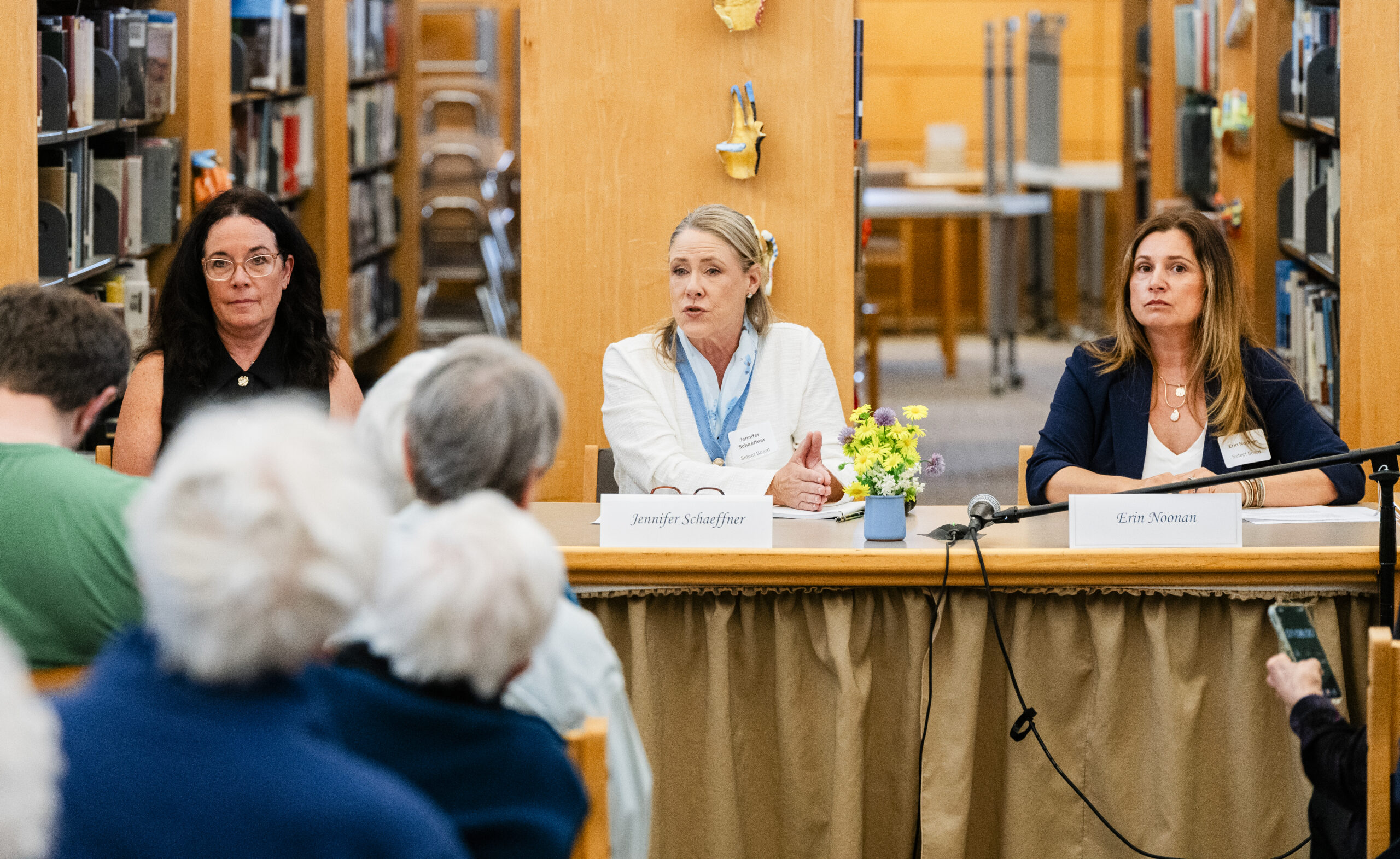
MARBLEHEAD — With Marblehead facing one of the most consequential elections in recent memory —...
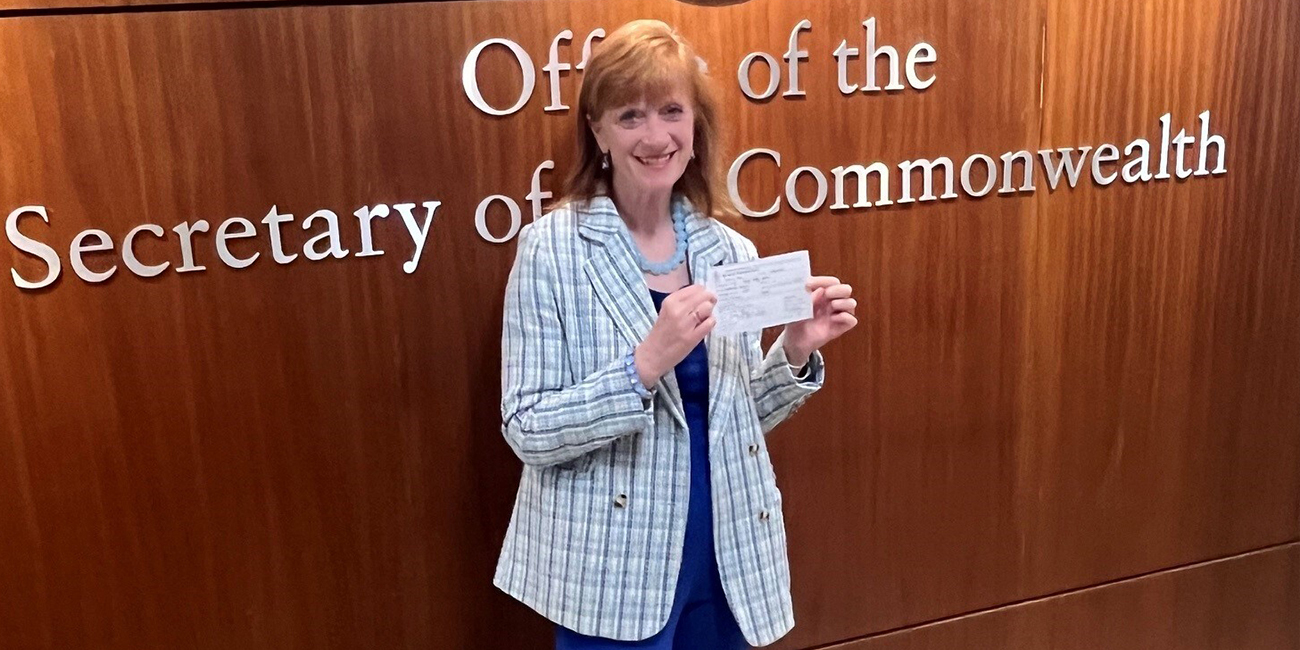
MARBLEHEAD — Immigration attorney Diann Baylis announced that she has qualified for the Sept. 1...

All address information, particularly arrests, reflects police records. In the event of a perceived...
PEABODY – A Peabody man pleaded guilty to fraudulently obtaining more than $100,000 in coronavirus...

LYNN — St. Mary’s High School was selected by the Massachusetts Department of Environmental...

LTTE: SESD rate clarification – Itemlive
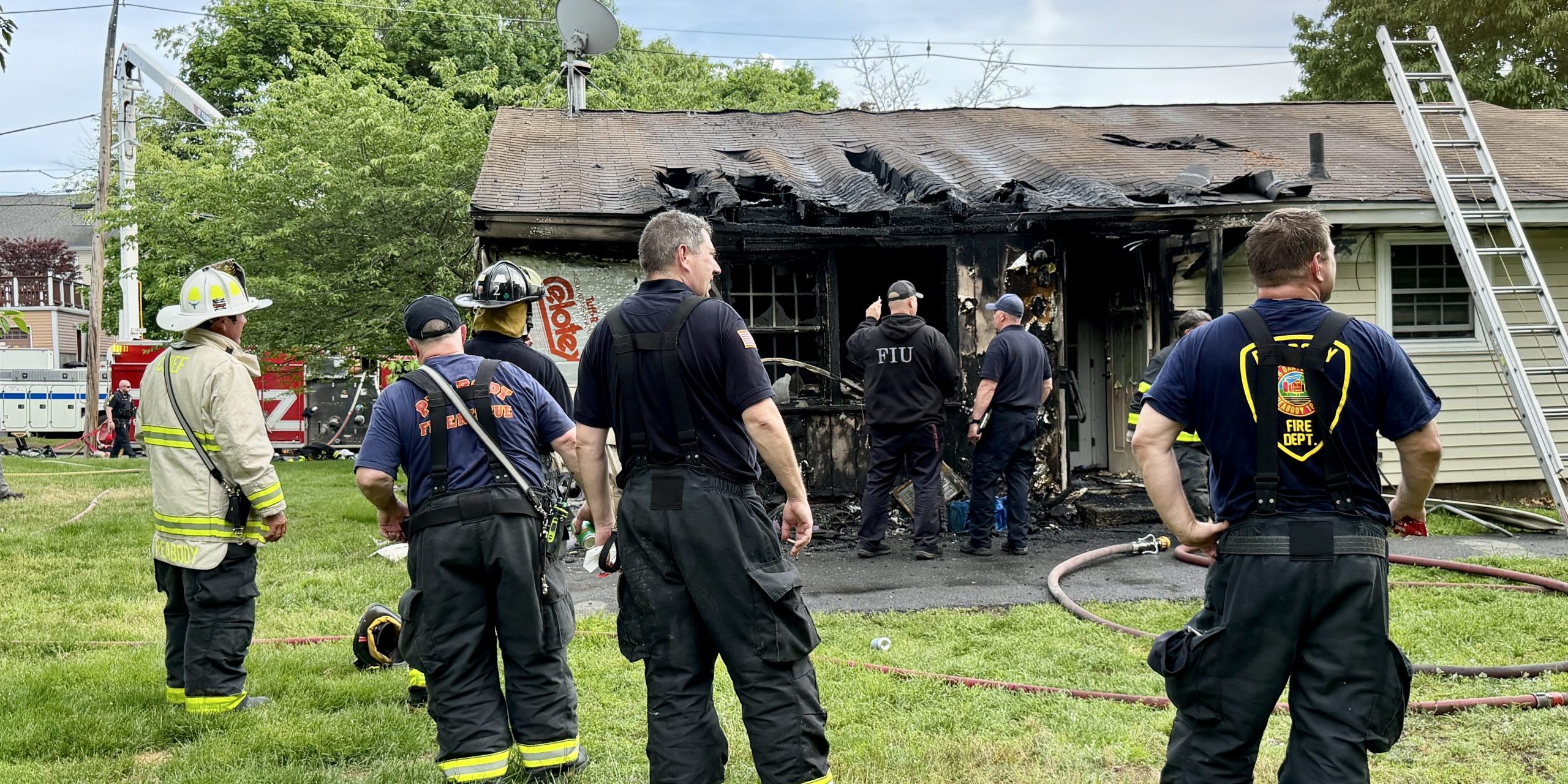
Three dogs saved in two-alarm fire in Peabody
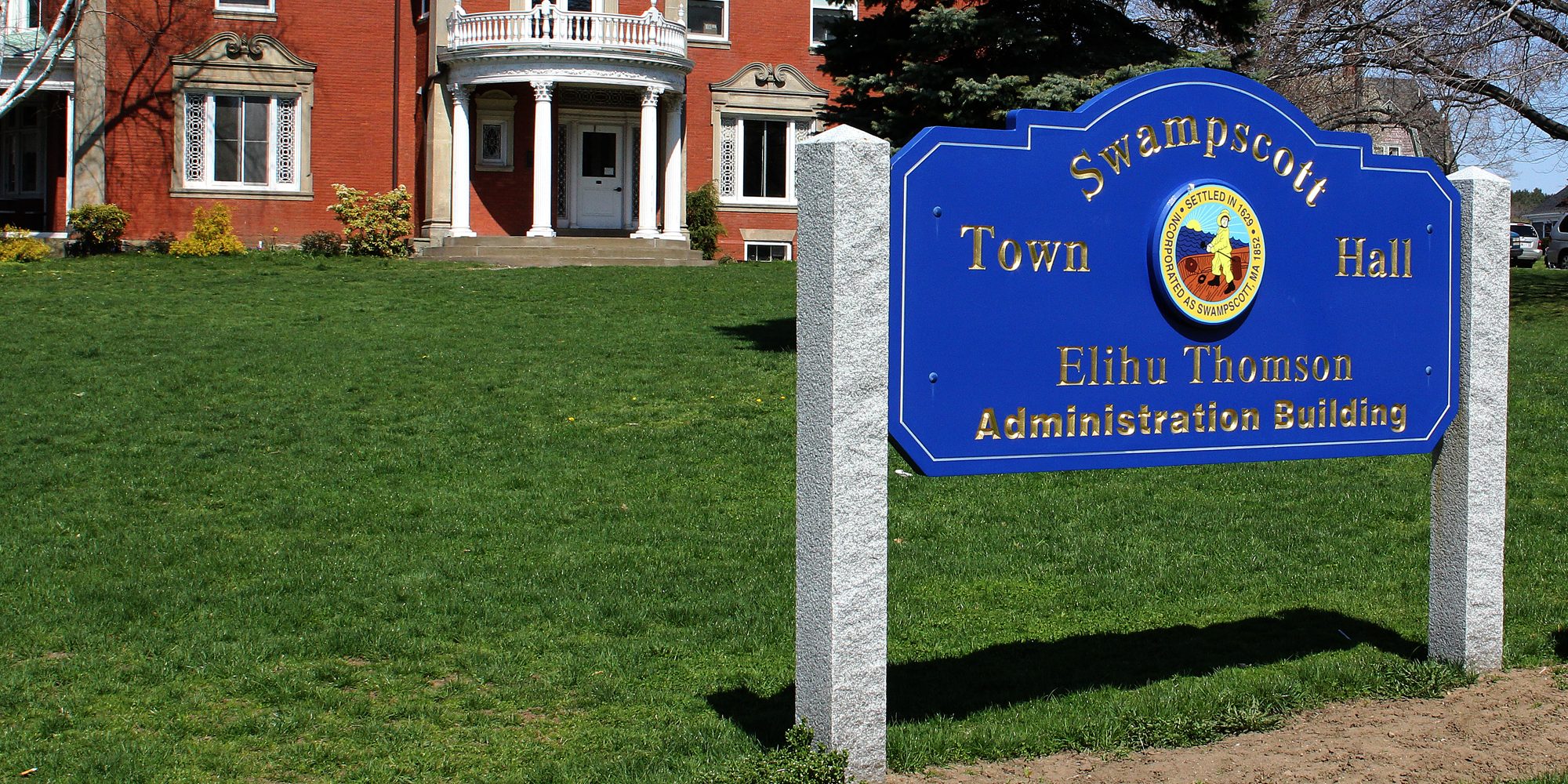
Survey says: Swampscott shows interest in community center
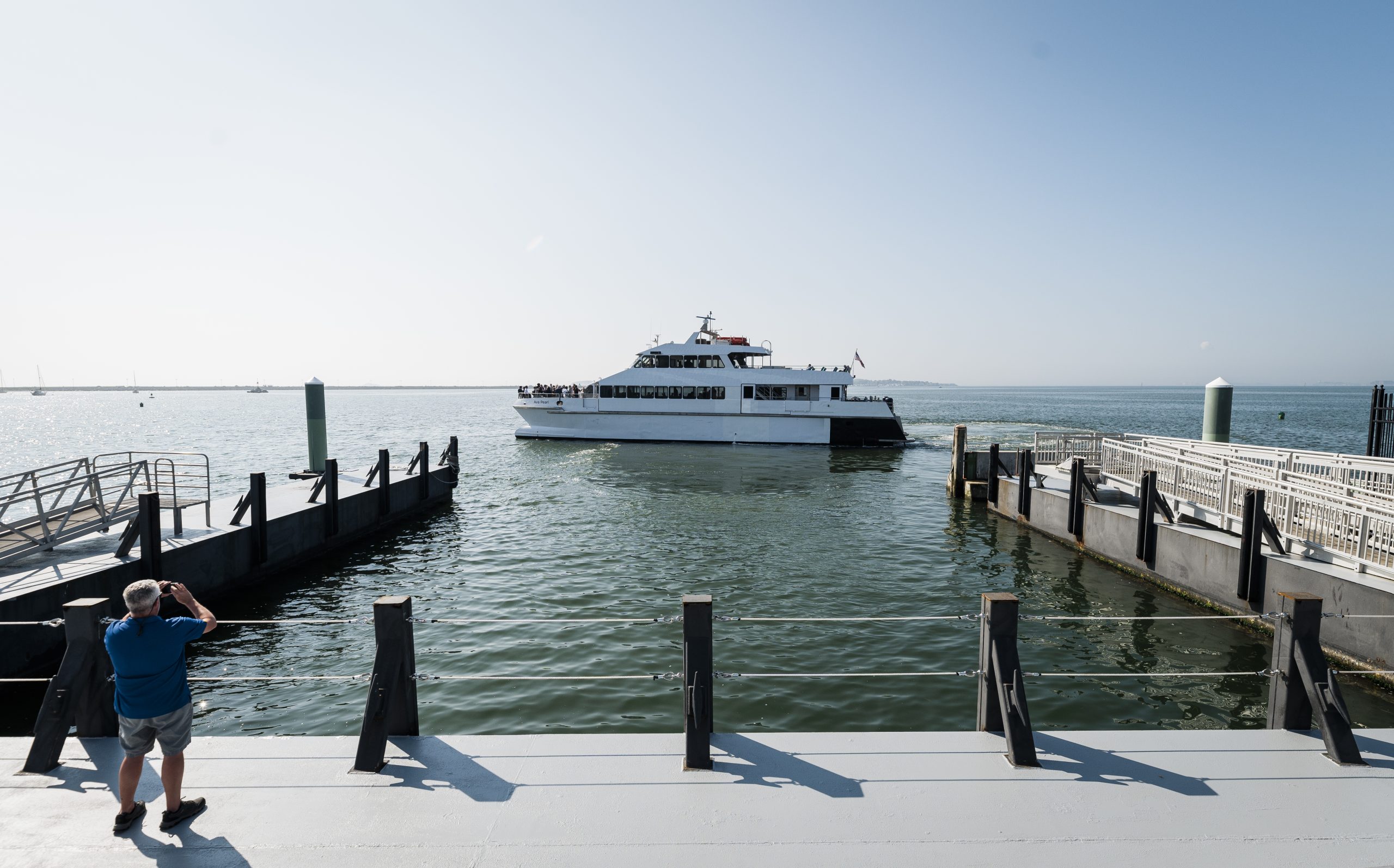
Ferry good news for MBTA commuters
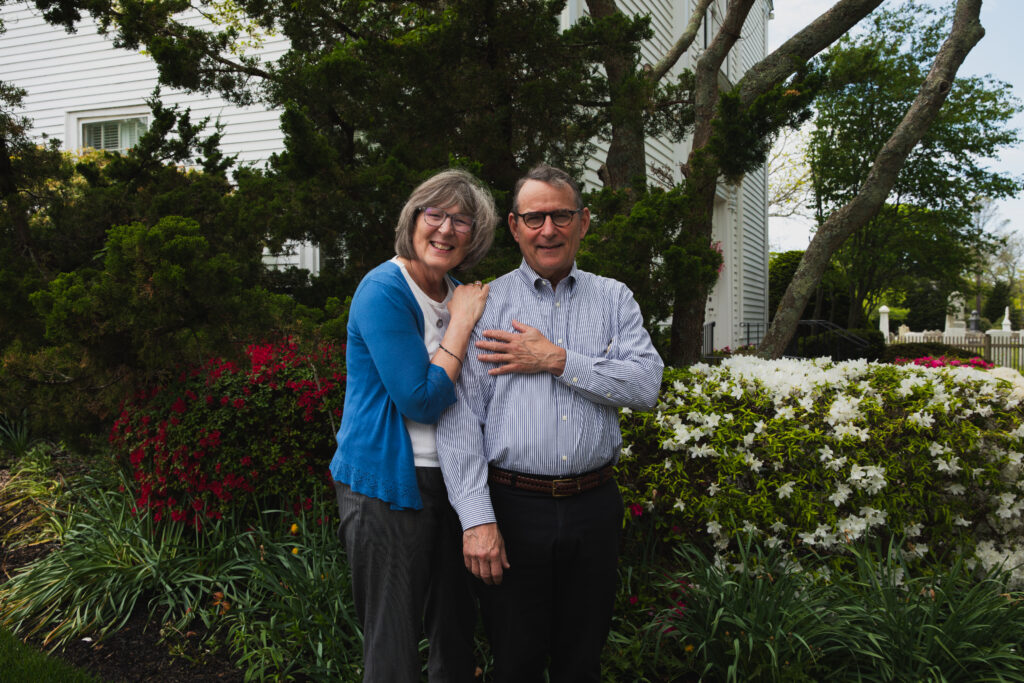
Southold pastor Peter Kelley to retire after 27 years, deliver final sermon Sunday

Greenport weighs $25K ‘gift’ to upgrade Third Street basketball courts
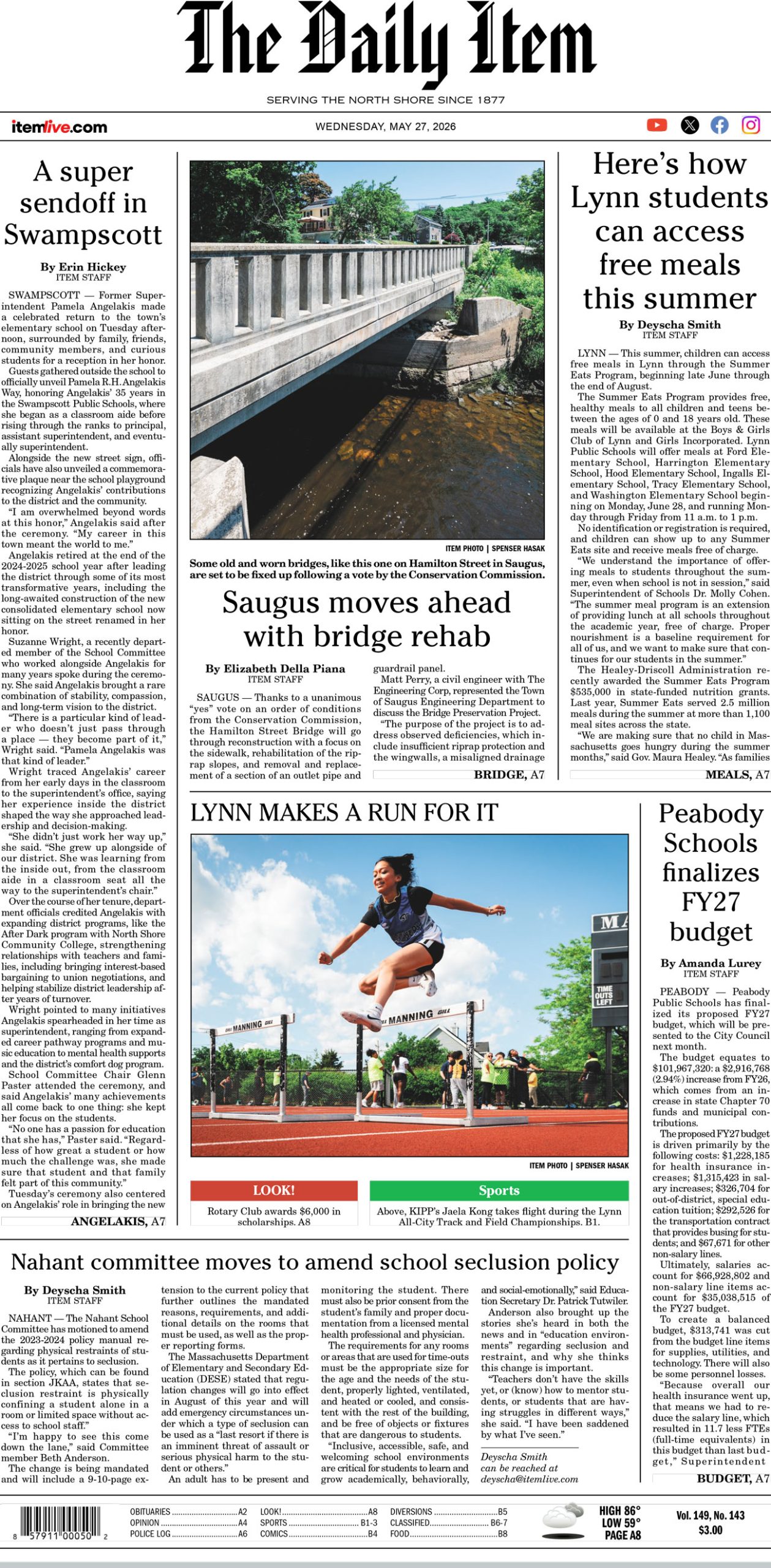
Today’s page 1: 5-27-26
Lynn Rotary Club awards $6,000 in scholarships

State tournament roundup: Upset alert (x2)

Lynn schools ‘all the home team’ during city meet
Nahant Committee amends school seclusion policy

Mattituck track Malkush star breaks school record in 400 meters