

SWAMPSCOTT — Service Animals. Exercise. Art. Nature. Tattoos. Sober motorcycle clubs. Even recovery raves.
Those were just some of the dozens and dozens of recovery pathways participants wrote on wall posters during the Recovery Coach Academy at the Swampscott Police Department. They serve to illustrate one of the training’s central messages: There is no single path to recovery.
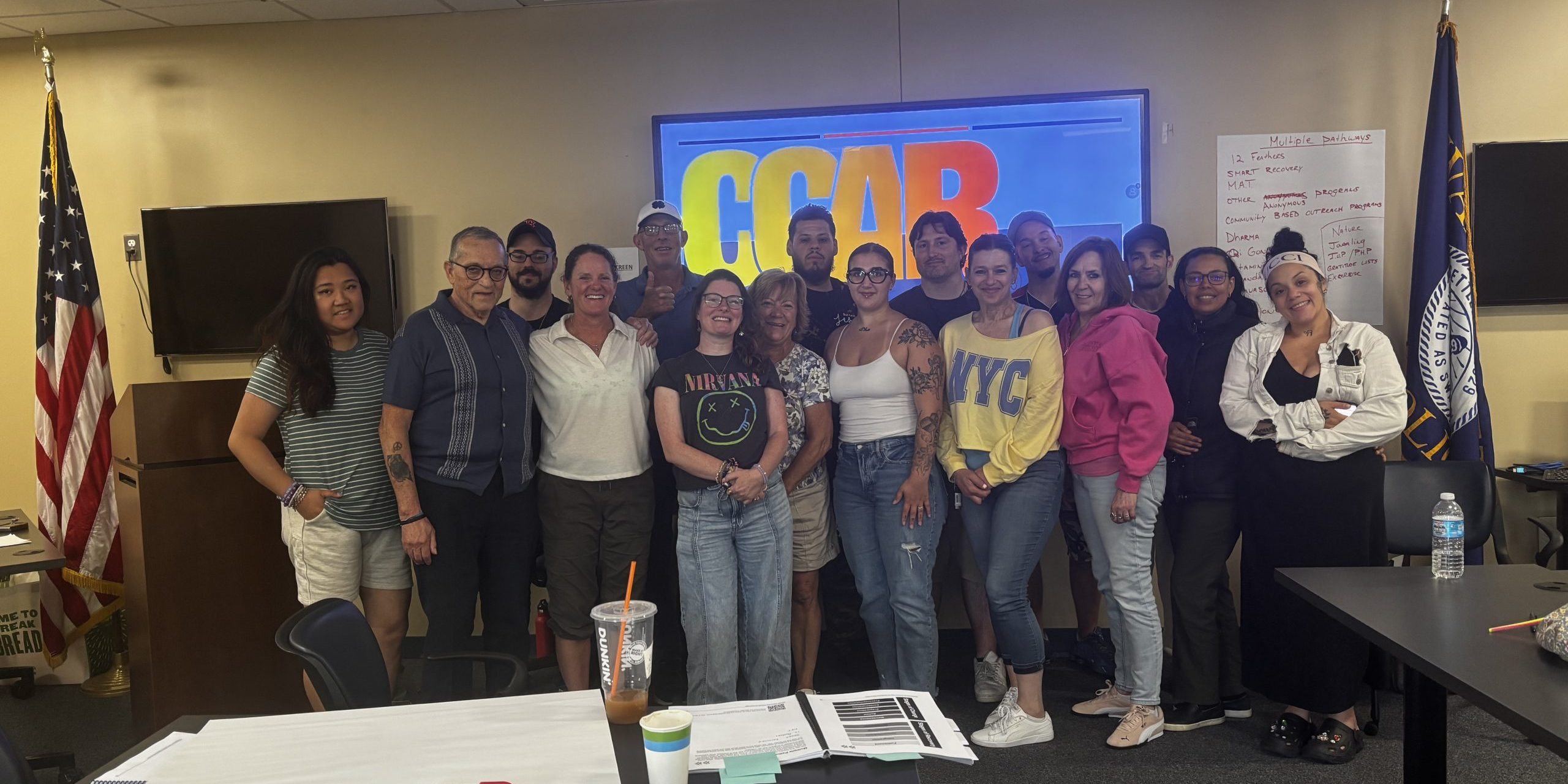
Sixteen participants from a wide range of personal and professional backgrounds gathered for the first half of the eight-day certification course led by Swampscott Opioid Settlement Program Director Michelle Simons and recovery coach Tito Rodriguez. Through discussions, group activities, and role-play exercises, the academy prepares participants to support people in recovery by meeting them where they are, rather than steering them toward one particular approach.
Participants laughed with each other through icebreakers and role-playing exercises, then shifted seamlessly into thoughtful discussions about addiction, mental health, and recovery. Many spoke candidly about what they had experienced or observed in personal experiences or relationships, creating an atmosphere that felt less defined by stigma than by a genuine goal to help others, curiosity, and mutual respect.
As participants brainstormed recovery pathways, the list quickly stretched well beyond traditional treatment programs to include therapy, medication-assisted recovery, faith, exercise, hobbies, community groups, self-expression, and countless other sources of support.
“There’s an infinite amount,” one participant, Nick DeMatteo, told the class. “I mean, you can just continue to sit here and just think of anything that may have helped you or someone you know along the way.”
Simons said one of the goals of the training is helping future recovery coaches recognize that what works for one person may not work for another.
That message resonated with Ivette Lafave, a correctional officer who has spent more than two decades with the Essex County Sheriff’s Department and hopes to better support people leaving incarceration.
Lafave says she often encounters individuals nearing release who need treatment or recovery resources but struggle to find them. She said she’s participated in other recovery support trainings, and signed up for the Recovery Coach Academy to continue that education.
“I’m still not satisfied,” she said. “How am I going to learn? Now I’m getting the tools. Because if this is not working for me, it’s not working for them.”
Lafave recently earned a position with STAR, a community reentry program, where she hopes to connect people with resources before they return to the same cycle.
“Knowledge is the key of success,” she said. “I need to get the tools that I need to do my job.”
For DeMatteo, the academy is an opportunity to sharpen skills he already uses in his work.
“I already work as a recovery coach,” he said. “I’m trying to get any and all of the training to make me better at my job in order to help other people that are recovering.”
One lesson that has already stood out, DeMatteo said, is motivational interviewing: asking open-ended questions that encourage people to tell their own stories and identify their own goals rather than being told what they should do.
Another participant, Jade Michaud, came to the academy from an entirely different field.
Michaud, who works in biotech, said she has become increasingly concerned about substance use disorders affecting young people in the community. She hopes to eventually work in youth recovery services.
Rather than focusing on a single recovery model, she said the training has challenged her to think more broadly about what recovery can look like.
“It’s navigating what recovery looks like for different people,” Michaud said. “How are we reaching the most amount of people in whatever way works best for them and keeps people healthy and safe?”
Throughout the week, participants also practiced responding to real-life situations by performing skits involving crisis-intervention, employment, recovery coaching, and other scenarios they may encounter after becoming certified.
Swampscott Police Chief Ruben Quesada stopped by the classroom during one session to thank participants for committing their time to helping others.
“Your story is important, and what Michelle and Tito are doing today is so important,” Quesada said. “What you do makes a difference to everybody. There might be days that you don’t see it, but just know that you do.”
The academy, run in partnership with Marblehead, Salem, and Swampscott through opioid settlement funds, concludes in July. Participants will leave not only with a solid step toward certification, but with a broader understanding that recovery is rarely a straight line — and that helping someone find the right path often begins by listening.
24World Media does not take any responsibility of the information you see on this page. The content this page contains is from independent third-party content provider. If you have any concerns regarding the content, please free to write us here: contact@24worldmedia.com
SWAMPSCOTT — Service Animals. Exercise. Art. Nature. Tattoos. Sober motorcycle clubs. Even recovery...

David M. Shribman Already it must be said: The semiquincentennial has all the makings of a dud. Like all...

All address information, particularly arrests, reflects police records. In the event of a perceived...

Chef Cheo Avila is bringing his signature creative style back to Greenport, this time with his partner...
Ahead of the Fourth of July, we asked Lynn Classical’s Brian Smith about his patriotic preferences....
LYNN — It was only Liz D’Amico’s second season in charge of Lynn English’s boys volleyball...
Lynn Woods runners beat the heat

Sailing group makes ‘Dream’ voyages possible for people with disabilities
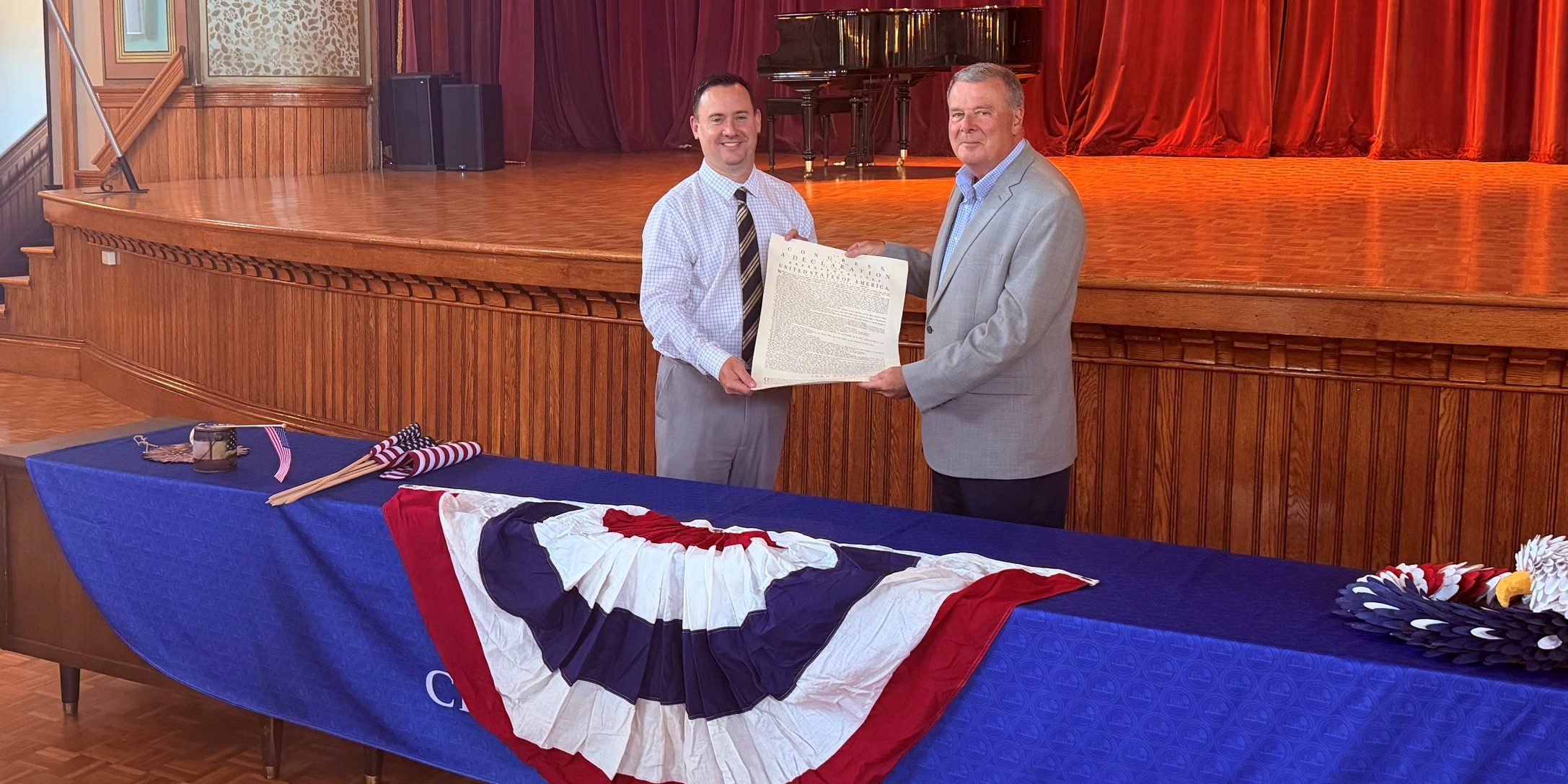
Peabody receives historic reproduction of Declaration of Independence

Today’s page 1: 7-3-26

Marshall era begins for Marblehead Museum

Peabody clinicians protect pregnant turtle
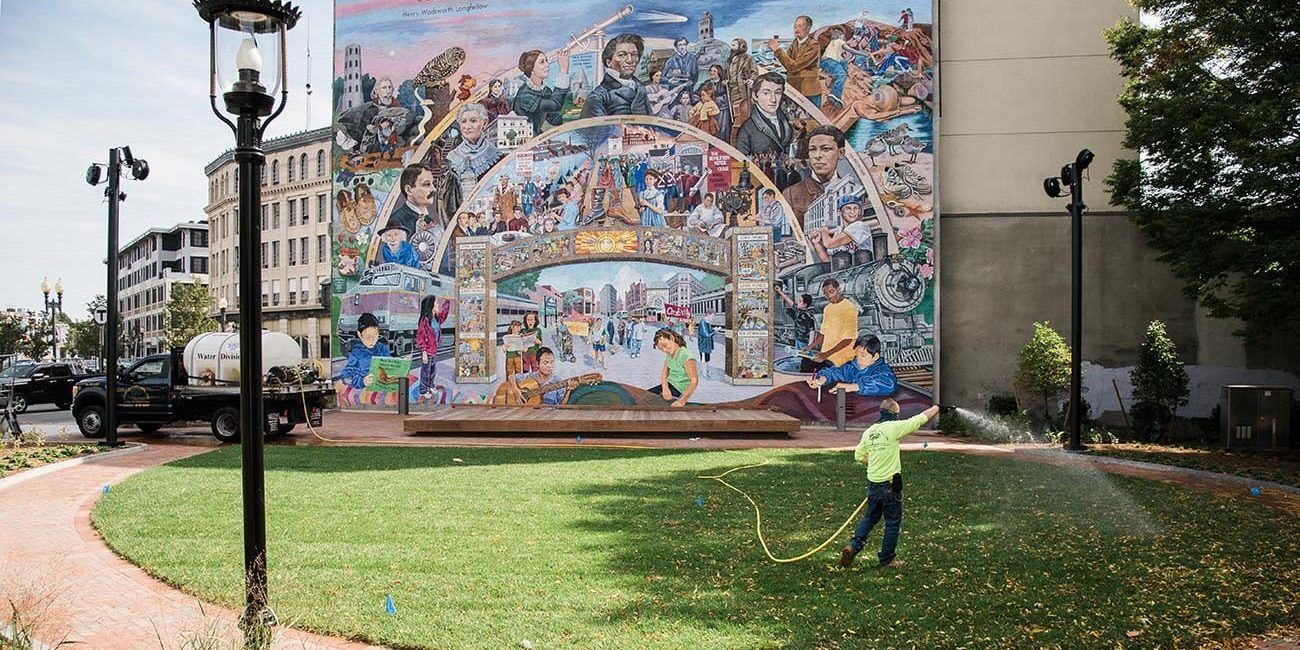
Frederick Douglass reading canceled due to heat
Police Logs: July 1, 2026

Go Fourth – Itemlive
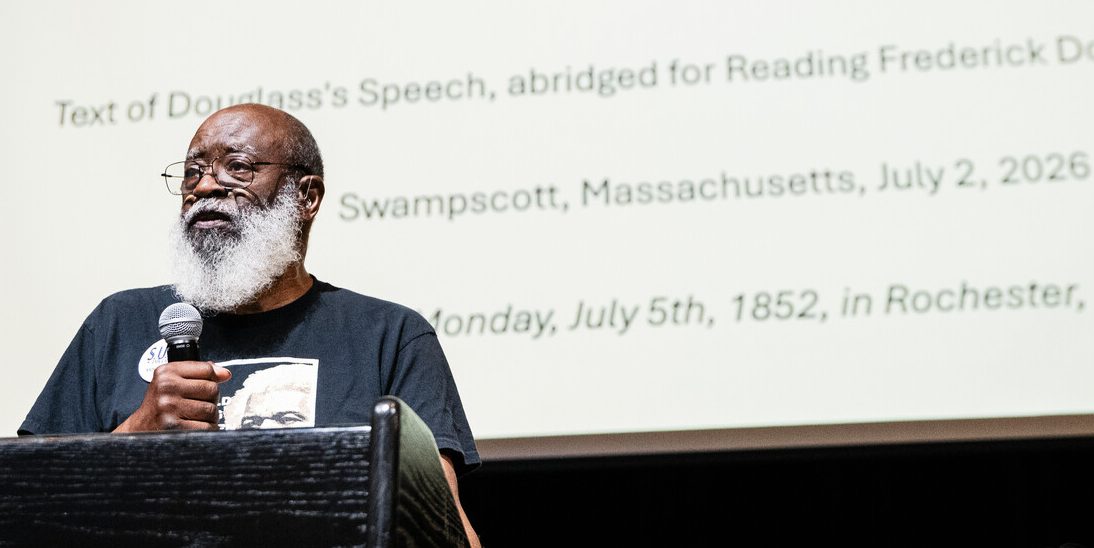
Nahant and Swampscott get a read on Frederick Douglass
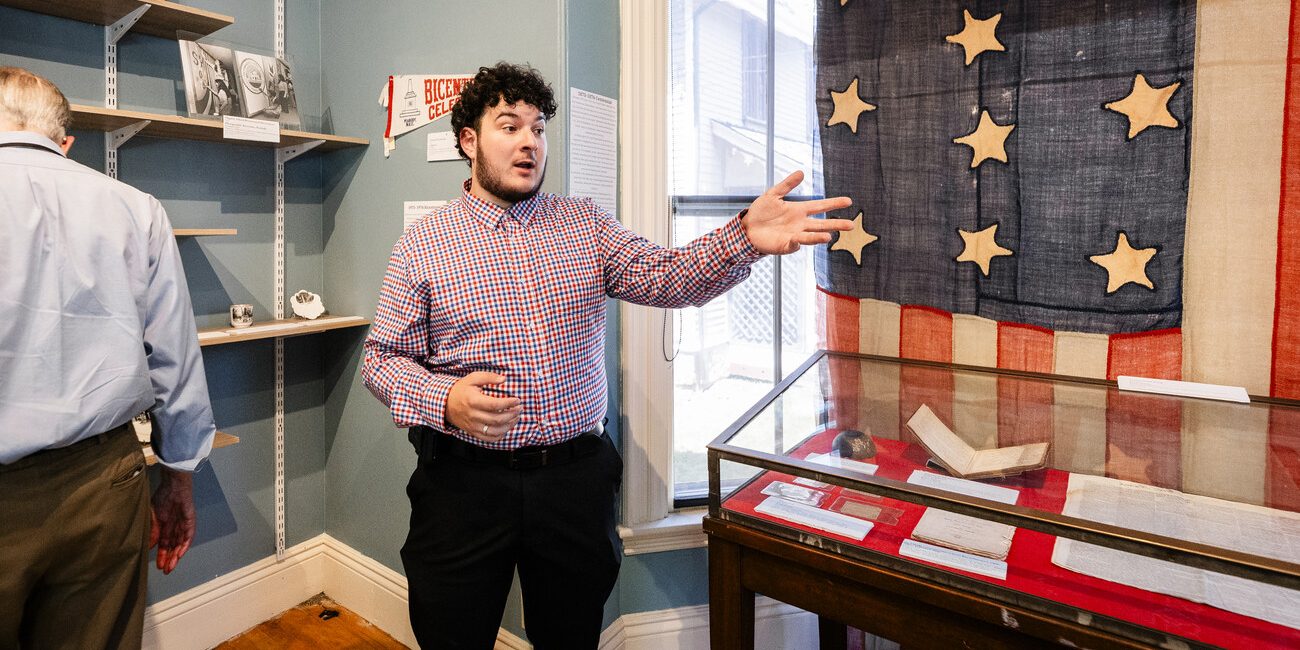
Peabody Historical Society looks back
Lynnfield study influences Senate decision