

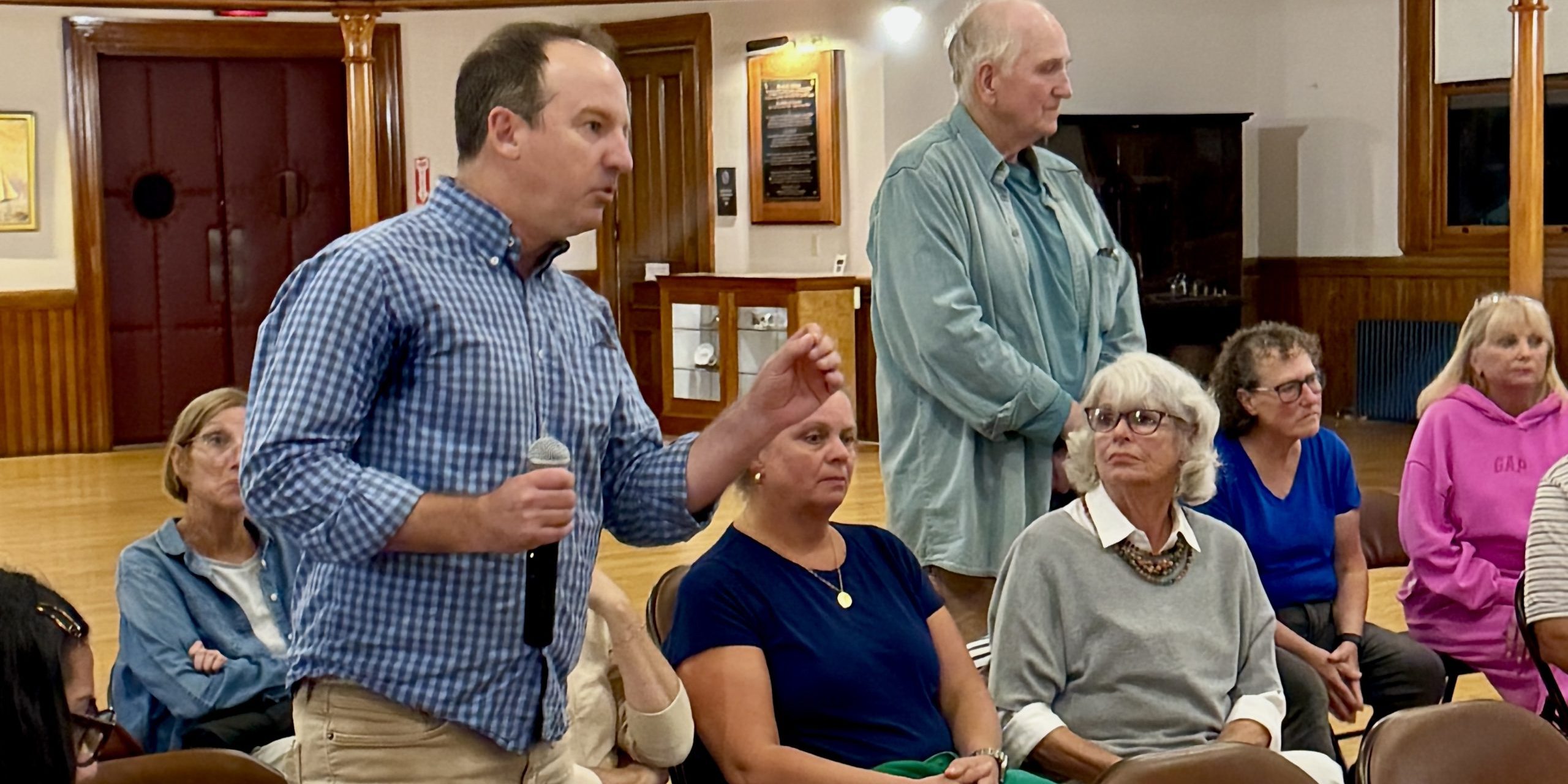
MARBLEHEAD — Board of Health member Tom McMahon asked his colleagues to censure him Wednesday night for his conduct during a contentious public-comment exchange last month, telling the board he had jeopardized its reputation and its commitment to open dialogue.
“I can’t snap like that,” McMahon said. “I have to be better, and I will be.”
The board approved the motion to censure McMahon after more than an hour of discussion during which residents and board members questioned whether McMahon’s statements amounted to a full apology, whether his conduct reflected a broader pattern, and whether the censure would bring about meaningful change. A censure is a formal, public reprimand that places a board’s disapproval of a member’s conduct on the official record. It does not remove the member from office or limit the member’s ability to vote, participate in meetings, or carry out official duties.
McMahon opened his remarks by saying he knew he had “screwed up” before news articles were published about his Aug. 24 confrontation with resident Ryan Wilson.
During that meeting, Wilson challenged McMahon’s interpretation of data on underage drinking and argued that the board should consider other risks facing teenagers. McMahon interrupted him and pressed him to acknowledge that youth alcohol use remained a problem in Marblehead.
McMahon said Wednesday that he has long advocated for allowing residents to participate freely in Board of Health meetings but failed to follow his own standard.
“There is a difficult component to dialogue, though, and that’s when you have to keep your cool during comments you might strongly disagree with, feel are dangerous, etc., and where you have to let the speaker finish before you respond,” McMahon said. “I fell short on that last meeting.”
McMahon said he did not need to interrupt Wilson and acknowledged that doing so damaged more than their individual exchange.
“That jeopardizes our public dialogue policy, our board’s reputation and even my position on that topic,” McMahon said. “My promise to my board and the residents of Marblehead is that I will be better.”
He then made the motion to censure himself, describing the action as a formal vote of disapproval.
“I disapprove of what I did, so I’m making a motion to censure myself based on that,” McMahon said.
The motion initially went without a second as board members debated what a censure would mean and agreed to hear from residents before taking action.
Board Chair Dr. Thomas Massaro said he was uncertain whether a censure would carry any consequences beyond expressing the board’s disapproval. He also accepted responsibility for failing to control the Aug. 24 meeting.
“One of the major obligations of any chair is to manage a productive and orderly meeting,” Massaro said. “I failed on the 24th, and I take responsibility.”
Board member Kristin duBay Horton said she did not view McMahon’s conduct as an isolated incident and urged him to review his interactions with residents at meetings over the past year. She said elected officials hold substantially more power during public meetings than residents who are permitted to speak at the board’s discretion.
“I want people to be encouraged from those seats to talk to us and to tell us their concerns,” duBay Horton said. “This behavior disempowers people’s sense that they can do that.”
McMahon apologized to his fellow board members but declined to apologize directly to Wilson, saying he continued to believe Wilson was advancing “a dangerous narrative” about underage drinking.
“To the public, I apologize that when we embrace public dialogue, which I believe in, I will let the speaker finish speaking before I respond,” McMahon said.
That response drew criticism from residents and duBay Horton, who said McMahon’s refusal to apologize to Wilson raised questions about whether he had fully accepted responsibility.
“The fact that this is the apology meeting, and that you still refuse to apologize to a member of the public that you attacked, means you’re not in the right headspace to accept anything tonight,” duBay Horton said.
Wilson told the board his objection was not that McMahon had hurt his feelings, but that an elected official had responded to disagreement with personal attacks.
“I brought you inconvenient facts that you don’t like, and in exchange for doing that, you called me names,” Wilson said. “You impugned my character.”
Wilson called McMahon a bully but said he believed McMahon’s desire to protect local teenagers was sincere.
“Your heart to serve the kids is in the right place, and that’s laudable,” Wilson said. “Your approach sucks. It just sucks. You have to do better and find a better way.”
Several other residents said they also viewed the Aug. 24 confrontation as part of a pattern.
Barbara Roy said McMahon had previously argued with her during public comment and later told her that any future correspondence between them would need to occur during Board of Health meetings.
“You serve all of the community, not just the people who agree with you,” Roy said. “Sometimes the best ideas come from the quiet people in the back corner, and you won’t hear those ideas if you don’t continue to allow people to express themselves without being combative.”
Cindy Schieffer and Kate Thomson said that opinions of residents should be considered as policies and processes are shaped.
“Our opinions should not only be encouraged; they should be an integral part of any initiative you put forward to our community,” Schieffer said.
Thomson said, “When people bring their opinions to you, even though they’re not elected officials, I would ask you to begin with respect for the residents and be polite.”
Other residents defended McMahon’s record of encouraging public participation and urged the board to accept his apology and return its focus to public health.
Steve Elliott, who said he attends nearly every Board of Health meeting, described McMahon’s conduct as a public mistake that should not overshadow the board’s work.
“I think there’s not anybody in this room who has never screwed up at some point in time,” Elliott said. “Unfortunately, in Tom’s case, it was very public.”
The meeting also prompted questions about whether McMahon’s personal social media posts could be interpreted as official Board of Health communications. Board members said individuals do not speak for the full board when posting under their own names, although some residents argued that elected officials cannot fully separate their public positions from their online statements about town business.
Massaro said the central issue was not whether residents and board members could disagree, but how that disagreement was expressed.
“Attack the message, if you choose, with science and facts, but don’t attack the messenger under any circumstances,” Massaro said.
After public comment concluded, the censure motion passed unanimously.
Massaro closed the meeting by thanking residents for speaking candidly and said their participation demonstrated the community’s investment in the board’s work.
“The opposite of love is not hate; it’s indifference,” Massaro said. “This community is not indifferent. This community is not sitting back and letting things happen.”
24World Media does not take any responsibility of the information you see on this page. The content this page contains is from independent third-party content provider. If you have any concerns regarding the content, please free to write us here: contact@24worldmedia.com
MARBLEHEAD — Board of Health member Tom McMahon asked his colleagues to censure him Wednesday night for...

SALEM — Essex County District Attorney Paul F. Tucker and Salem Police Chief Lucas J. Miller confirm...

All address information, particularly arrests, reflects police records. In the event of a perceived...

Date: Thursday, Sept. 10 Time: 7 p.m. Location: Blocksidge Field in Swampscott The high school football...

LYNN — A boat retrieved from Lynn Harbor and stored at the Department of Public Works for at least six...
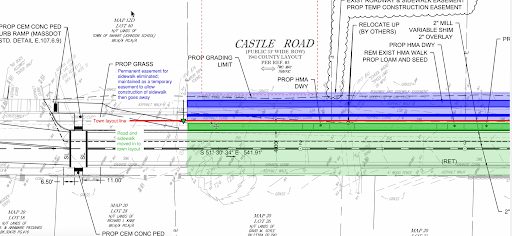
NAHANT — The long-running debate over how to redesign Castle Road continued this week, as members of...
Mattituck tops rival Center Moriches in emotional season opener

High school football predictions (Week 1 – Thursday’s games)

LHAND gets the lead out
Aboyoun: Good to be back

Saugus Olympics Day is around the corner
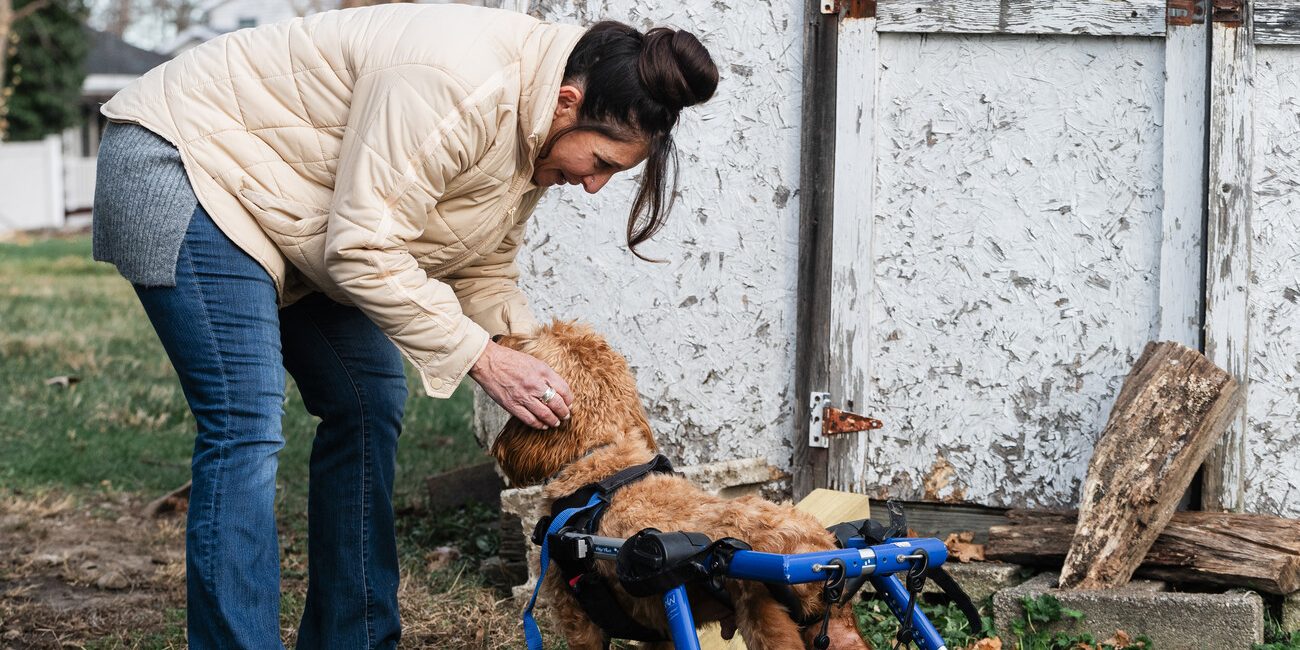
Saugus cracks jokes for canines

Michael Aronson: NYC finally starts coming clean on secret WTC records
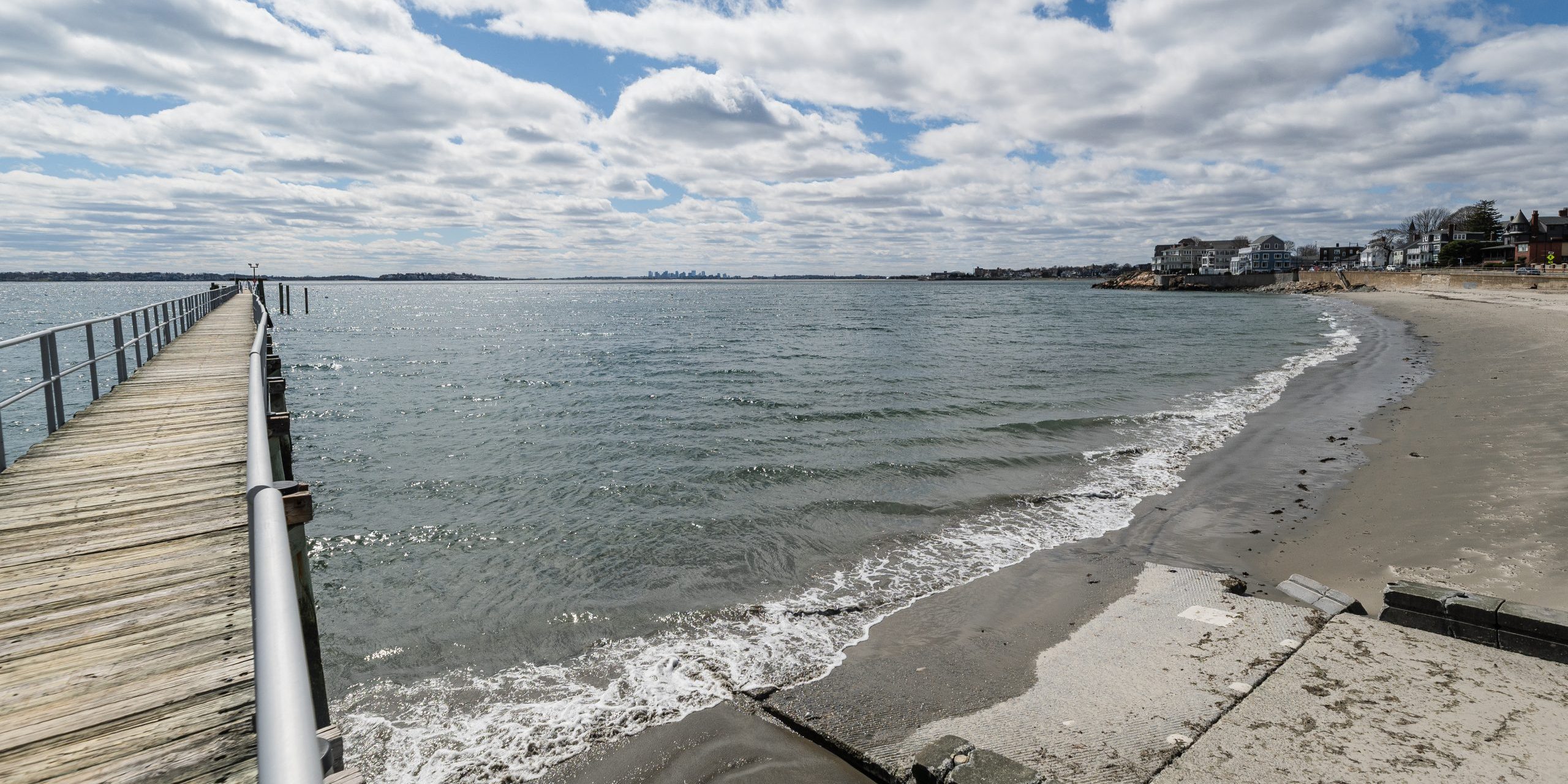
Swampscott seeks protections from rising seas

Editorial: Stars and Stripes paper the latest casualty of ‘friendly’ fire
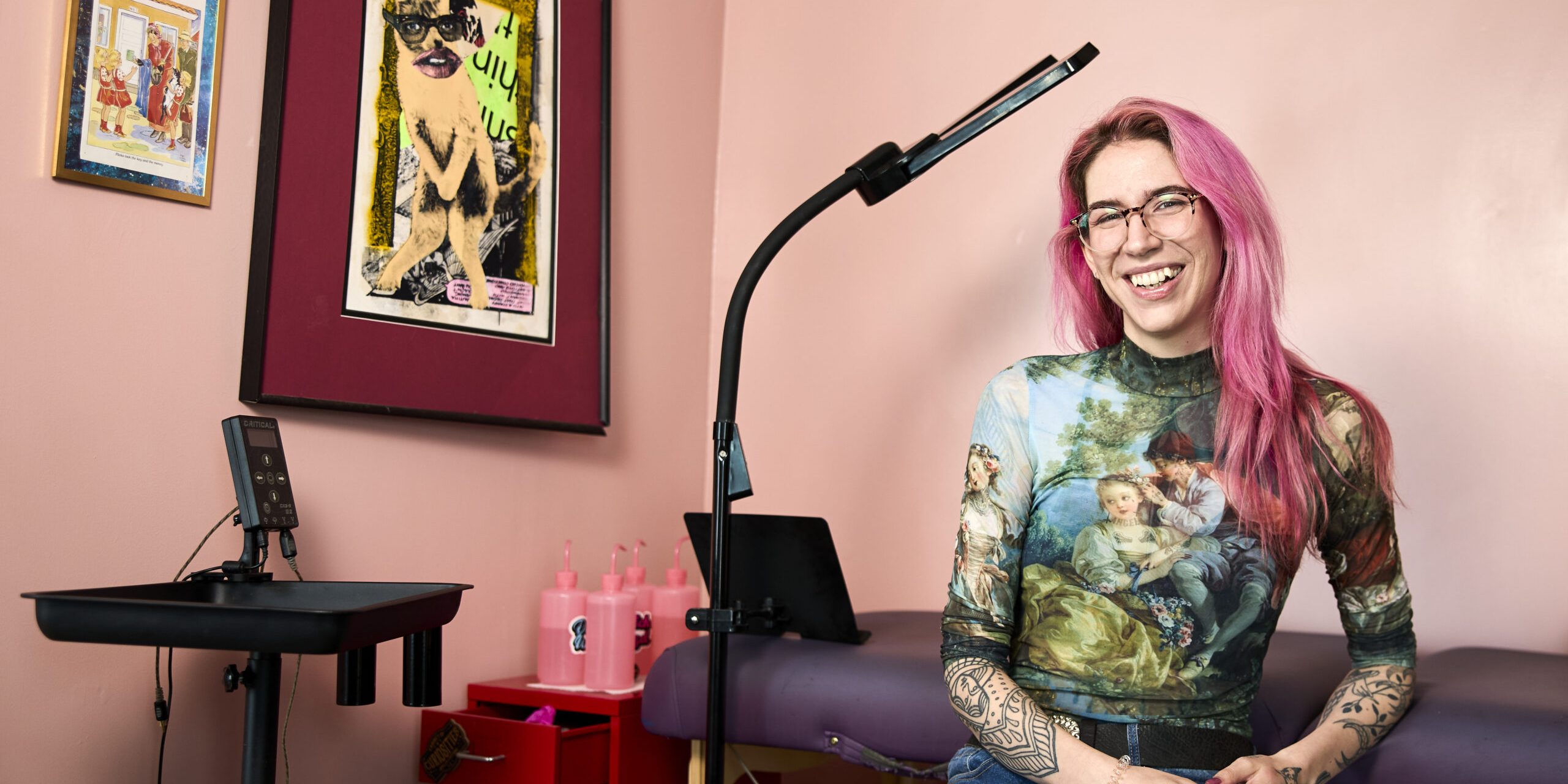
Marblehead gets its first tattoo shop
Daniel DePetris: The Trump administration is claiming success in drug strikes. Not so fast.
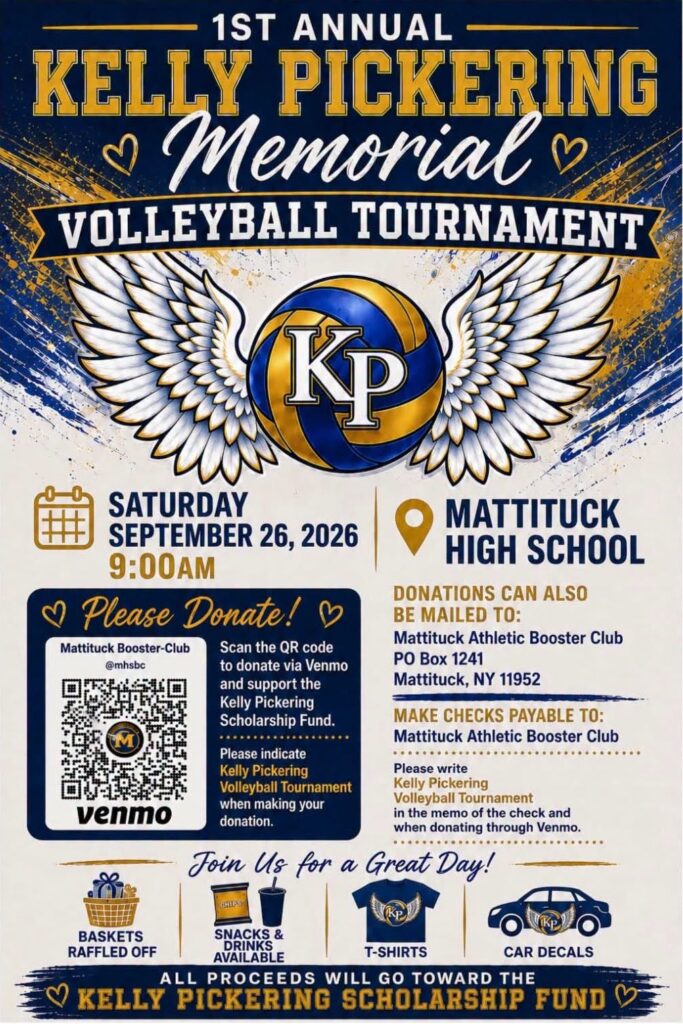
Serving up the perfect way to remember Kelly Pickering: volleyball