


Joseph Zucchi, PA-C
Obesity is a chronic disease, but we aren’t treating it like one.
Right now in Massachusetts, state employees covered through the Group Insurance Commission are set to lose coverage for GLP-1 medications when used for obesity. MassHealth has also announced that it will stop covering anti-obesity medications for obesity and overweight beginning July 1, with limited exceptions for other approved medical indications.
I understand why cost has become part of the conversation. These medications are expensive, and public programs, employers, and patients are all feeling that pressure. But there is a major difference between managing coverage responsibly and taking effective treatment away from people who are finally getting healthier.
As someone who works in obesity medicine, I have seen what these medications can do when used the right way, alongside nutrition changes, physical activity, behavioral support, and close medical follow-up. They are not a shortcut. They are a medical tool, and for many patients, they are the first tool that has truly helped quiet the constant hunger, cravings, and biological resistance that make long-term weight loss so difficult.
Obesity is not simply a matter of motivation or willpower. It is a chronic disease driven by complex biology. When someone loses weight, the body often pushes back. Hunger increases. Satiety changes. The drive to regain weight becomes stronger. That is one reason so many people struggle for years, even when they are putting in real effort and doing many of the right things. Effective treatment can help counter that biology, but it does not erase it.
That is why pulling coverage is so harmful.
When patients stop these medications, weight regain is common, and the health improvements that came with treatment can begin to slip away. That does not mean the treatment failed. It means the disease is still there. We do not look at rising blood pressure after stopping an antihypertensive and say the medication was never worth using. We do not stop treating asthma, diabetes, or high cholesterol and then act surprised when the condition worsens. It would feel cruel and shortsighted to pull coverage that way for other chronic diseases. Obesity should not be treated with less seriousness or less compassion.
This is also about much more than body weight.
These medications can improve blood pressure, blood sugar, sleep apnea, cardiovascular risk, mobility, inflammation, and overall quality of life. Wegovy has FDA indications not only for weight management, but also for reducing cardiovascular risk in certain patients with obesity or overweight and established cardiovascular disease, as well as for the treatment of metabolic dysfunction-associated steatohepatitis, or MASH. Zepbound is approved for obstructive sleep apnea in adults with obesity. That matters because when we treat obesity, we are often treating a root cause or major driver of many other health problems at the same time.
That is why this conversation cannot be framed as if these are simply lifestyle drugs or optional vanity treatments. They are part of legitimate chronic disease care.
None of this means cost should be ignored. Prior authorization and other guardrails may have a role in making sure the right patients get access and that coverage is being used appropriately. The long-term answer has to involve making these treatments more sustainable for patients, employers, and public programs. But the solution cannot be to give up and cut people off.
Because when coverage disappears, the consequences do not stay on paper. Patients feel it. Their health feels it. Their families feel it. Many of these people have spent years blaming themselves for a disease that medicine now understands much more clearly. Some have finally found a treatment that helps them feel better, move better, and lower their risk for future illness. Taking that away once they are finally succeeding sends the wrong message. It tells them their health matters only until treatment becomes inconvenient or expensive.
Massachusetts can do better than that.
If we are serious about treating obesity as a chronic disease, then our policies need to reflect that reality. That means responsible coverage, continuity of care, and a real effort to address pricing without forcing patients backward. We should absolutely work on smarter systems and lower costs. But we should not do it by taking effective treatment away from the people who need it.
Joseph Zucchi, PA-C, is a member of the board of the New England Obesity Society and a clinical supervisor at Transition Medical Weight Loss in Salem, NH.
24World Media does not take any responsibility of the information you see on this page. The content this page contains is from independent third-party content provider. If you have any concerns regarding the content, please free to write us here: contact@24worldmedia.com
Joseph Zucchi, PA-C Obesity is a chronic disease, but we aren’t treating it like one. Right now in...

A charming yet functional stop on Sound Avenue is in the works and set to debut Memorial Day...

PEABODY — Just four years ago, Peabody High didn’t have a girls flag football team. Today, the...

Greenport is still weeks away from the arrival of an eclectic assortment of yachts, fishing boats and...
One year ago, on May 8, 2025, Cardinal Robert Prevost appeared on the Vatican balcony as Pope Leo XIV....
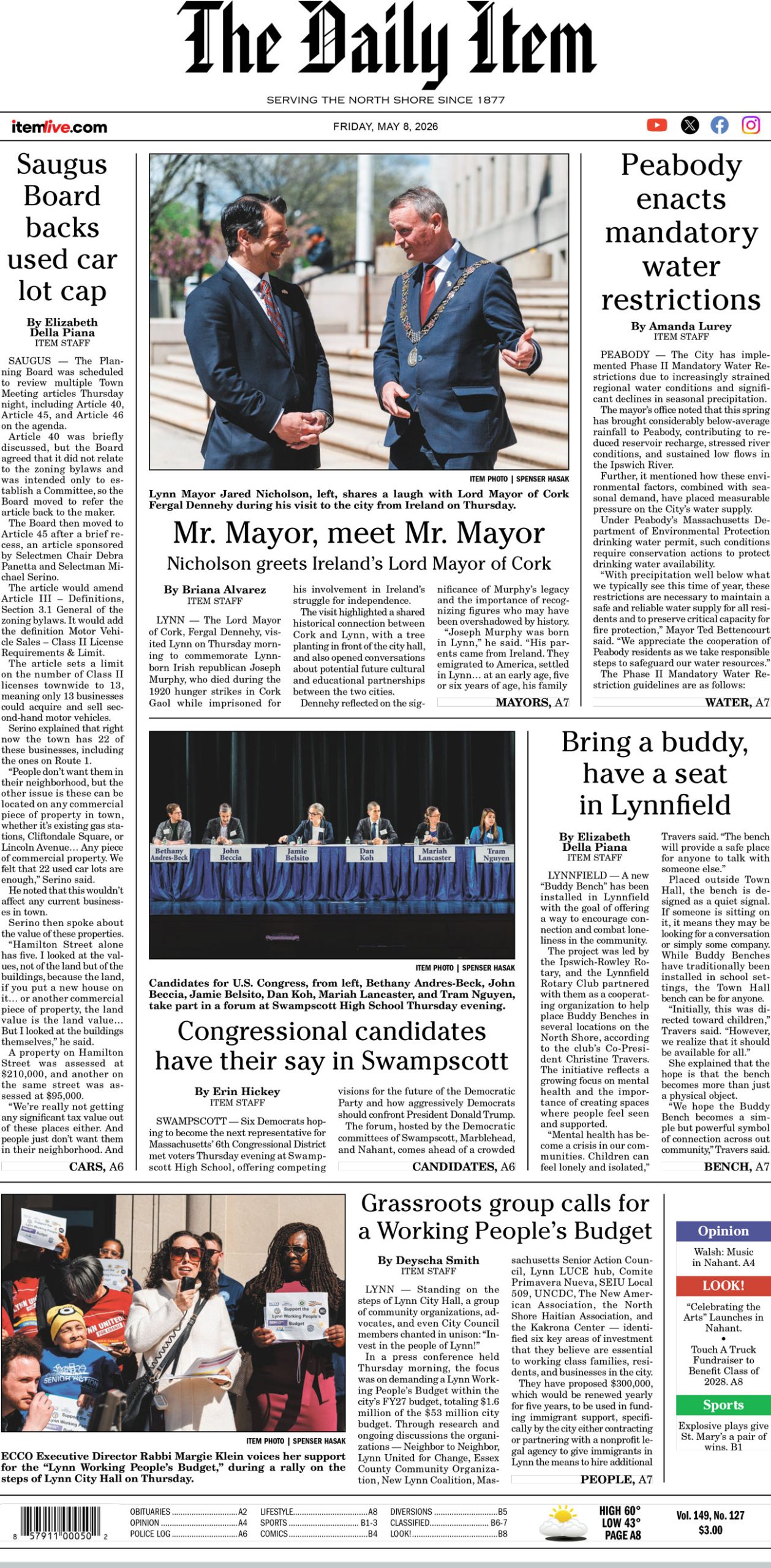
The post Today’s page 1: 5-8-26 appeared first on Itemlive. Source...

Explosive plays give St. Mary’s a pair of wins

Police Logs: May 6, 2026

New alert system replaces hacked CodeRED

Touch A Truck Fundraiser to Bbenefit Class of 2028

Congressional candidates have their say in Swampscott

“Celebrating the Arts” Launches in Nahant

Big fourth quarter puts Swampscott past Peabody

Roundup: Elmer Duran’s 1,000th assist sparks Tech

Saugus Board backs used car lot cap

Jim Walsh: Music in Nahant

Commentary: An indictment of Sinaloa’s governor could roil U.S.-Mexico ties
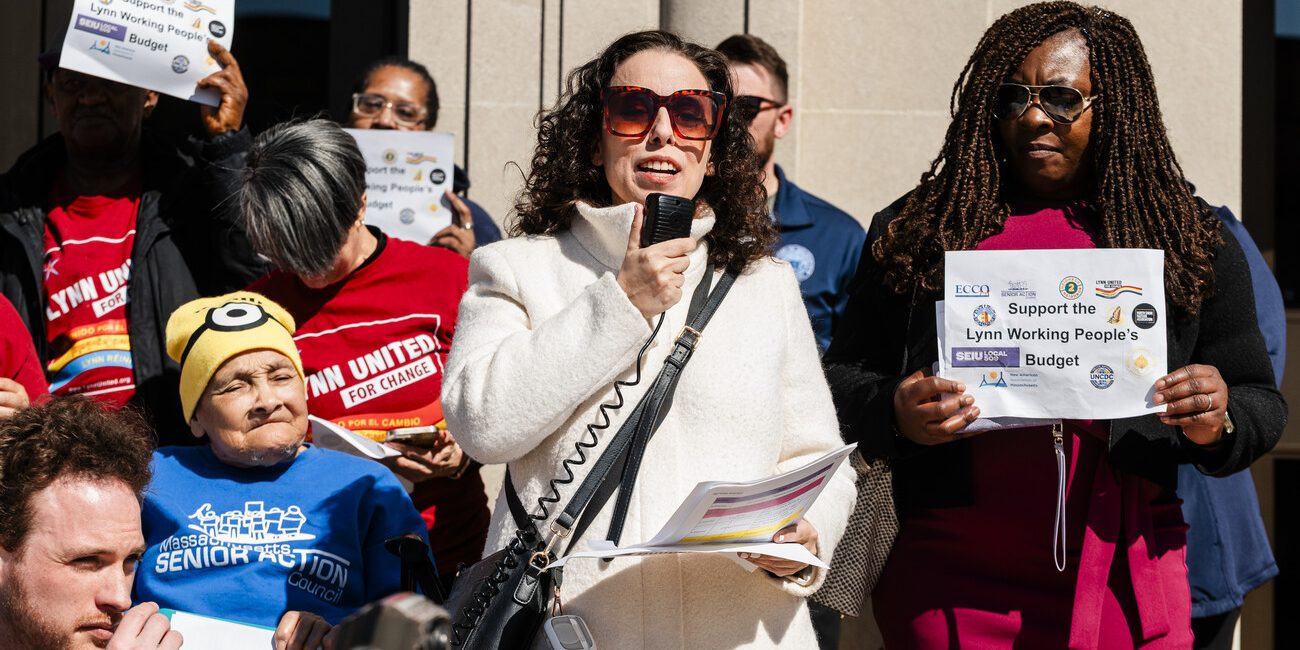
Grassroots group calls for a Working People’s Budget