

When I was a kid there was just Las Vegas. Grownups could go out there and play blackjack or craps and gape at high rollers and women with high hair. Then they could go see Wayne Newton at one of the hotels. Of course, there was always horse racing, but did anyone actually consider that gambling? What about the stock market? When did that all change?
Gambling began to expand in the 1960s, after New Hampshire introduced a state lottery. Other states followed. In 1976 New Jersey, Atlantic City was reborn with legal gambling in 1976 and the federal Indian Gaming Regulatory Act of 1988 opened the door to casino gambling on Native American lands. Riverboat gambling also became legal in the late 1980s. Foxwoods in Connecticut opened its doors in 1992.
But gambling really took off with a 2018 Supreme Court decision legalizing wagers on live sports games. According to Eric Lipton of the New York Times, professional sports betting soon became a multibillion-dollar corporate enterprise. Sites like DraftKings make it simple — now anyone can just download the app on a phone and start betting. Age requirements vary by state, the youngest being 18.
The latest form of gambling is known as prediction markets. If you’ve never heard of Kalshi and Polymarket, you will soon. These companies provide platforms where users can bet on almost anything in the future — sports, politics, war or the weather. They claim they’re not gambling companies, just modern versions of commodities futures. Most people would disagree. In a recent expose, John Oliver explained that users are easy prey; of the two million current users, most lose money. And while the Biden administration tried to regulate these companies, all bets are now off.
As with alcohol, most people can gamble in moderation and enjoy it. My son, for example, is a modest gambler who enjoys sitting down at a poker table with no illusion of getting rich. He just likes the game and is comfortable losing a non-meaningful amount of money. When he bets on sports, it’s more about validating his prediction than actually cashing in. For non-problem gamblers, it’s a sport that is often social with a built-in general understanding that money will be lost. If money is won, that just makes it more fun.
Problems begin when a person can’t step away from the table and instead tries to recoup losses with bigger bets. According to the World Health Organization, about 1.2% of the world’s population has a gambling disorder. Not surprisingly, with all these new gambling opportunities, the numbers are even higher in the U.S.
The disorder is defined as repeated and ongoing betting and wagering that continues despite creating multiple problems in several areas of an individual’s life. For these people, gambling activates the same reward centers in the brain as alcohol and drugs. The high of winning releases dopamine, just like a drug. Then chasing the win makes it almost impossible to stop. It can take over a person’s life, becoming devastating to that person and all those around them.
In addition to financial depletion, problem gambling can lead to family problems including violence, child neglect and illegal activities. It can even be deadly. A Swedish study estimated that those with a gambling disorder were 15 times more likely to die by suicide than the general population.
Risk factors include people experiencing significant life events such as separation, retirement, injury, loss of a loved one and poverty. While many people dream about winning the lottery, it’s generally lower income people who bet heavily on it.
Easily accessible gambling platforms, now put younger people (particularly men) at greater risk. In fact, according to the American Psychological Association, men in their early 20s are the fastest growing group of gamblers. In addition, nearly 60% of adolescents said they had gambled in the last year.
Gambling, per se, will not necessarily lead to addiction, so researchers are trying to understand what factors make someone most vulnerable. Unlike opioid addiction, which often begins with physical pain or injury, it’s thought that brain areas related to learning, stress management, and reward processing might contribute to problematic gambling.
Those with a gambling disorder often require professional help or a support group. Gamblers Anonymous, a 12-step program modeled on Alcoholics Anonymous, has existed for decades and has helped many. Should a person seek therapy, they may learn about the behavior’s underlying causes and look to make changes. Cognitive behavioral therapy, based on the here-and-now, looks at behavioral change and is often effective.
Helpguide.org, an online therapy referral service, has offered some basic strategies to help:
In the movie “Casino,” Robert De Niro says: “The cardinal rule is to keep them playing and to keep them coming back. The longer they play, the more they lose and in the end, we get it all.” Whether they bet in Las Vegas or on a phone, problem gamblers may know intellectually, but somehow think the profile does not apply to him. And if they do hit it big, can they then walk away? I’d place a large bet that they cannot.
Nancy Green is co-chair of the Shelter Island health and wellness committee.
The post Guest column: What’s become of gambling? appeared first on The Suffolk Times.
24World Media does not take any responsibility of the information you see on this page. The content this page contains is from independent third-party content provider. If you have any concerns regarding the content, please free to write us here: contact@24worldmedia.com

It turned out to be one memorable Friday afternoon for six North Fork athletes who earned All-Suffolk...

ReWild North Fork’s biannual Sustainable Garden and Meadow Tour will be returning for those with a...
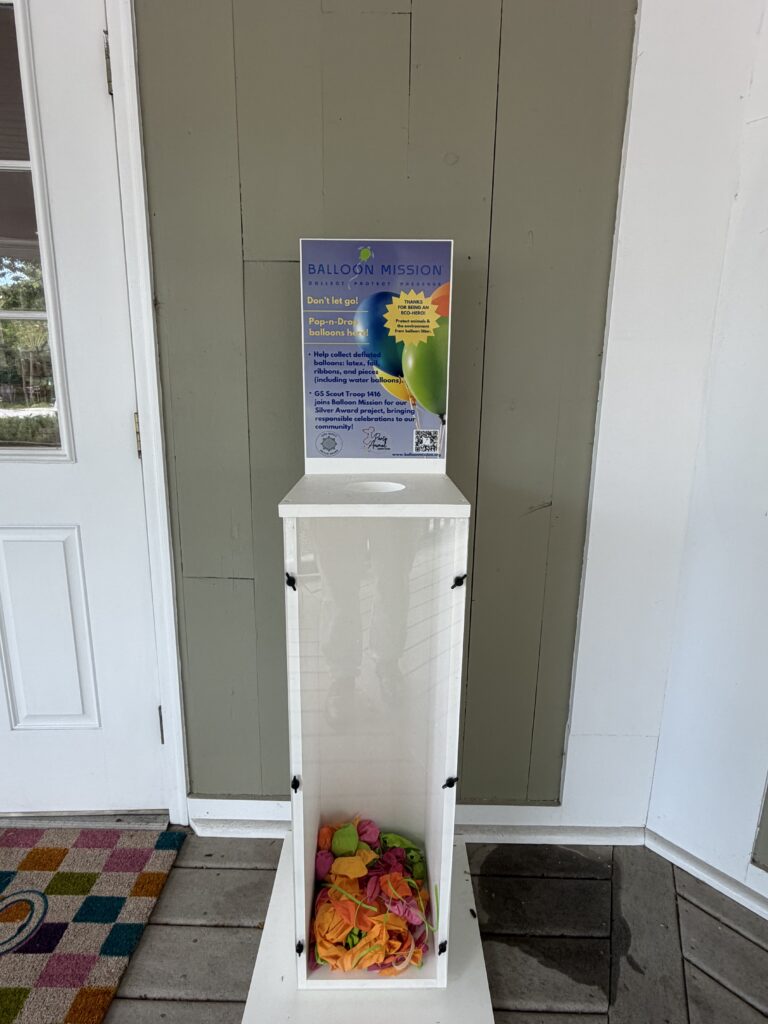
What began as a routine beach cleanup turned into an environmental mission for three members...
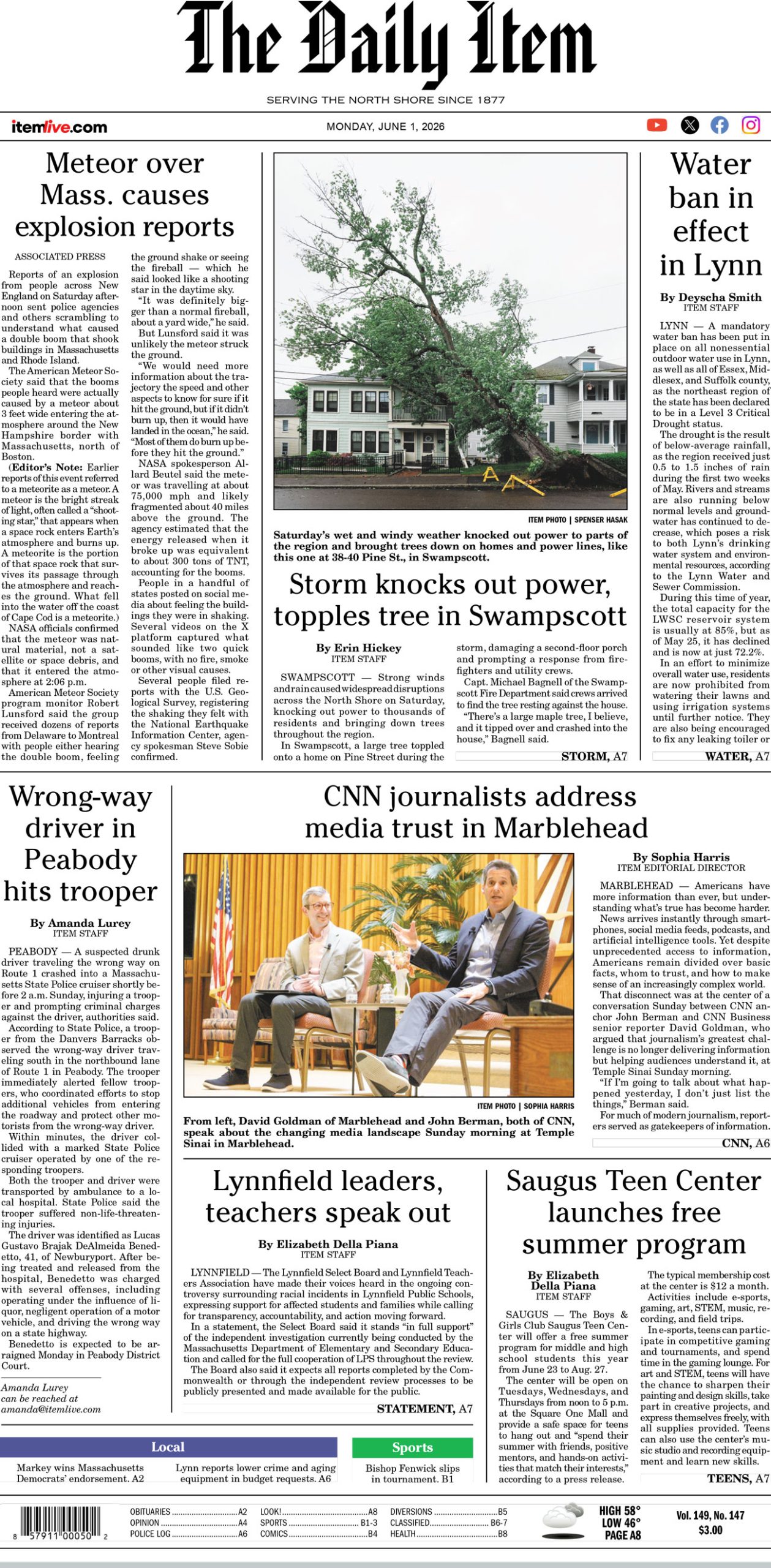
The post Today’s page 1: 6-1-26 appeared first on Itemlive. Source...

No. 8 St. Mary’s softball team rallied from a six-run deficit to advance to the next round of the...

LYNN — Public safety officials presented their proposed fiscal year 2027 budgets to the City Council,...
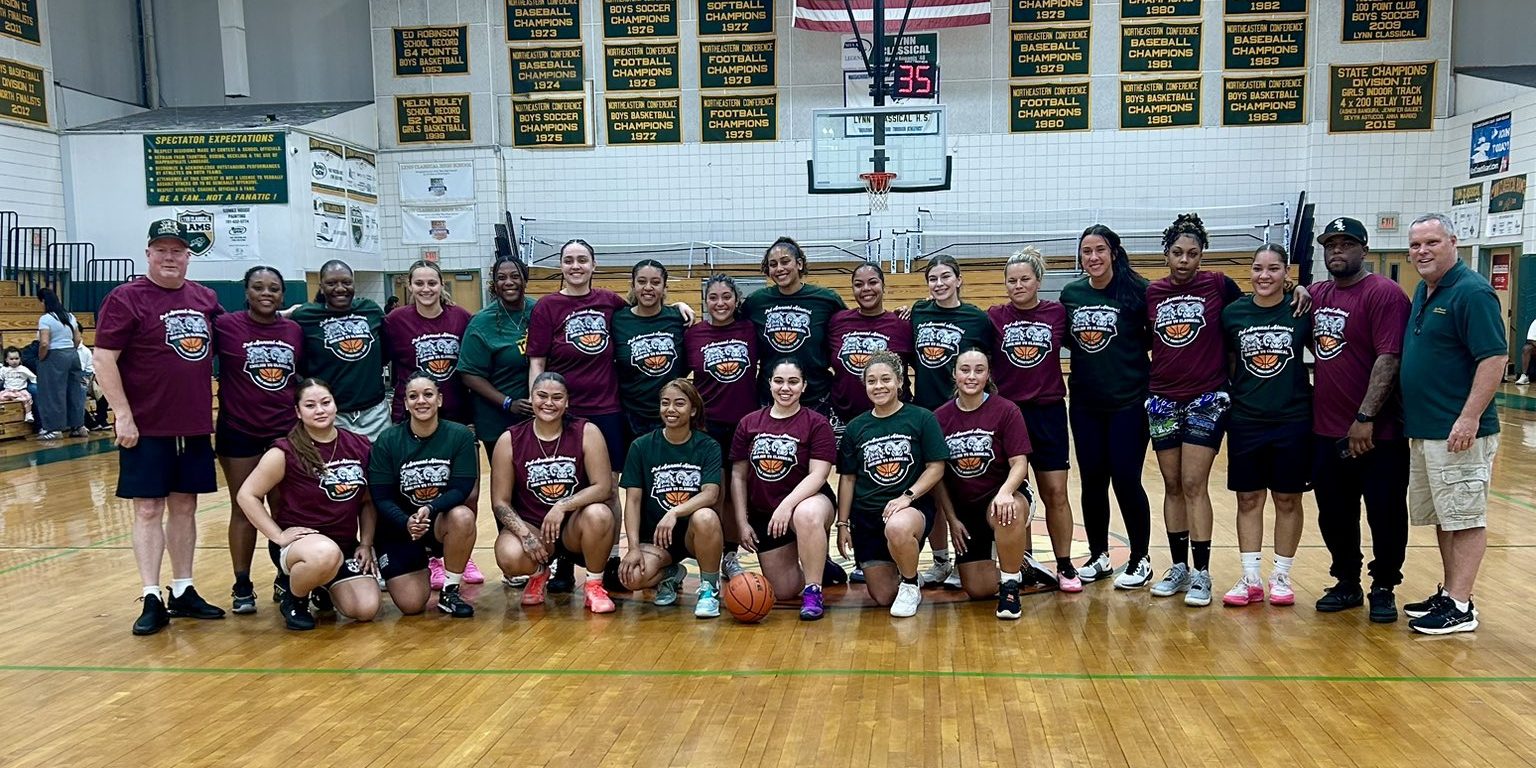
RIVALRY LIVES ON
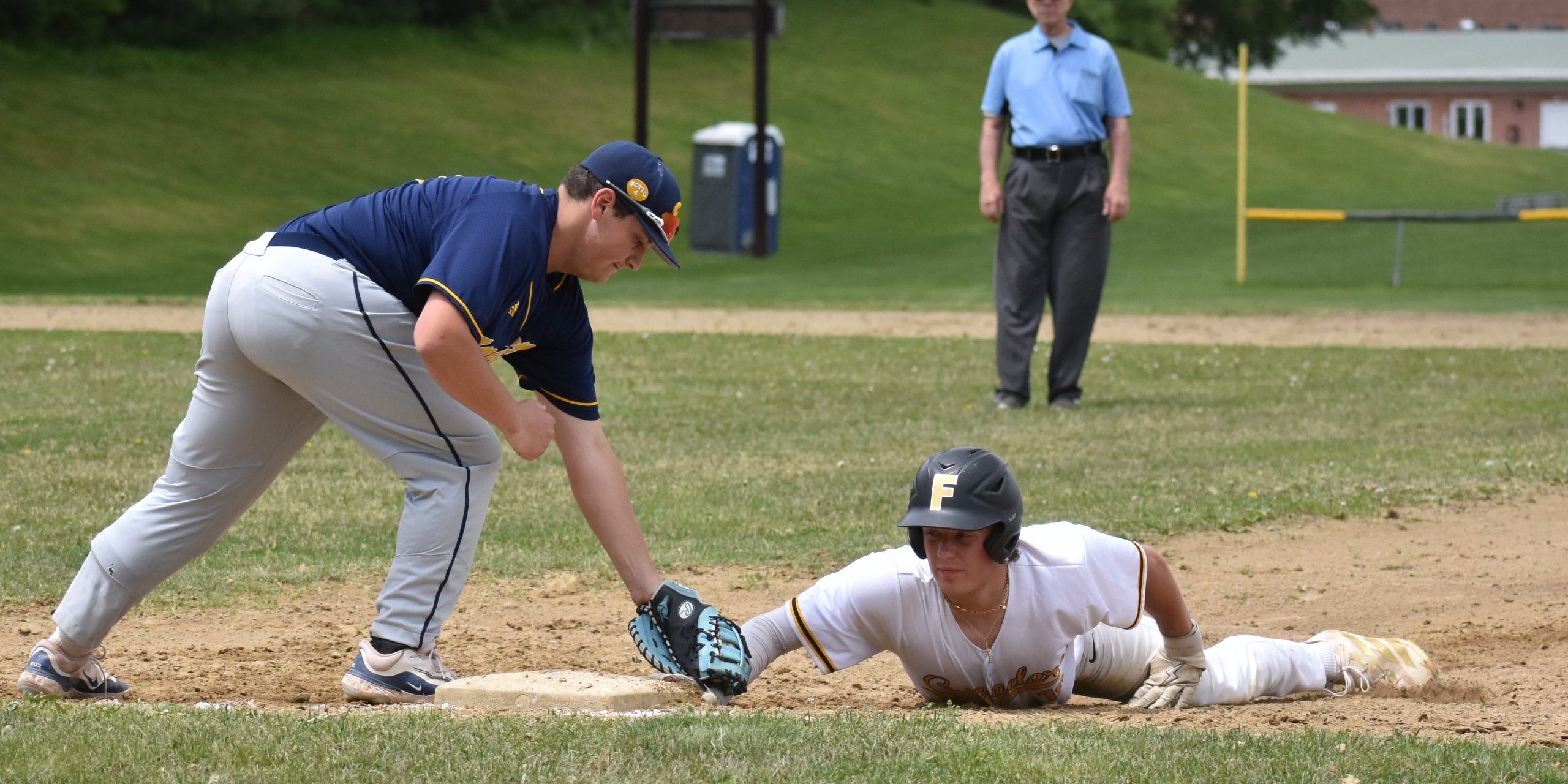
Bishop Fenwick slips in tournament

Police Logs: May 30, 2026
Water ban in effect in Lynn

Saugus Teen Center launches free summer program
Storm knocks out power, topples tree in Swampscott
Lynn’s Contreras to receive Lemuel Shattuck Award
CNN journalists address media trust in Marblehead
Wrong-way driver in Peabody hits trooper
Lynnfield leaders, teachers speak out
One hit enough for Marblehead to bounce Lynn Classical

St. Mary’s explodes offensively, eliminates Saugus