

Madonna’s 1985 anthem “Material Girl” seems very quaint in 2026.
As she sang that “the boy with the cold hard cash is always Mr. Right,” I am thinking that now that boy from 1985 may own many homes, a plane or even an island, and it still may not be enough. According to Robert Reich, secretary of labor under President Clinton, America’s richest 1% are now worth more than the entire gross national product of China.
There’s nothing inherently bad with accumulating wealth, as long as it is legal and not too many toes are stepped on in the process. And being wealthy doesn’t make someone a bad person. Consider MacKenzie Scott, ex-wife of billionaire Jeff Bezos. By the end of 2025, she had given away $26.3 billion of her fortune and much more has been pledged.
I am trying to understand the intersection between wealth and greed.
I re-watched a Michael Douglas speech from the 1987 movie “Wall Street.” His character said: “Greed is good. Greed is right. Greed works … Greed in all of its forms — greed for life, for money, for love, for knowledge — has marked the upward surge of mankind.” As I listened, I realized that the word he’s really talking about is hunger, or rather insatiability. Greed is a hunger that cannot be satisfied. And that, not wealth per se, is a problem.
According to a recent article in Psychology Today, there are different types of greed: financial, power, the need for things, even relational. All represent an emptiness that needs to be filled. Financial greed causes individuals to chase wealth far beyond anything that they or their families need. I remember when someone I know asked a wealthy man how much he needed and he replied, “Always half again of what I have.” Really?
“Power greed” causes some to seek undue influence, usually at someone else’s expense. Did Elon Musk really need to come in and fire those government employees? How many people collect “things” they don’t really care about, from cars to oversized closets to paintings?
“Relational greed” refers to collecting “friends” but not forming intimate relationships. One may have a ridiculous number of Instagram contacts, but never have a telephone conversation with any of them.
Dutch psychoanalyst Manfred Kets de Vries describes greed as a chronic dissatisfaction with what one has. He says it is the belief that happiness, status or security will come with the next deal, purchase or bank account. But inevitably, that never happens.
Greedy people are stuck in a loop. They need more to feel worthy, but instead, they feel empty. They then try to fill the emptiness with more.
Then there is the neurological aspect. For some people, acquiring more things triggers dopamine in the brain. It feels good. But like any other drug or chemical, the feeling fades quickly and then becomes more difficult to satisfy. Now, some of us women may get a high by buying a new pair of shoes. But if we can wear them and enjoy them, that is not greed. Greed comes from the need to keep accumulating without ever stopping to reflect on what you have.
Kets De Vries observes that acquiring at this level is not about luxury, but about proving value. Often lying beneath these behaviors is emotional deprivation. These people were often raised in environments where they always felt needy, or conversely were given too much materially, where love was confused with “things.”
But the individual’s rearing alone does not make greed. It’s often combined with certain personality disorders such as narcissism and/or anti-social personality. The narcissistic personality feels entitled to his wealth while the anti-social personality will go to any extremes — legal or illegal — to get it.
Sometimes it gets complicated. How does one explain an entire family or group? Take the Sackler family, former owners of Purdue Pharma, who pushed opiates that addicted and killed countless Americans. Here, the culture of greed was apparently embedded in most of the family, not just one individual. My speculation is that at some point, a sense of entitlement prevails and there is no one around to blow a moral whistle. Furthermore, they can justify the greed with acts of philanthropy, as the Sacklers did by contributing millions to museums and medical schools.
For every type of addiction there needs to be enough pain to want to change. The gambler may have lost his savings and his family. The alcoholic may have lost her job, family and health. How do Elon Musk or those “technology entrepreneurs” or a certain president decide when enough is enough?
For some people, a health crisis or life tragedy puts their world in perspective. The old expression, “You can’t take it with you” may finally resonate with some that rich or poor, we are all mortal. Or perhaps there’s a realization that all that has been accumulated has not brought happiness and perhaps there’s another way to seek joy. Kets de Vries offers some solutions, but the desire really needs to be present or, in my view, these people cannot change. Here are his suggestions:
I saw a play in the 1970s called “Winter Dances” by David Lam. The premise was that a group of Native Americans showed their worth by offering more (in this case blankets) than asked for in every transaction. The one who gave the most and ended up with the fewest blankets became the most revered. The play stayed with me all these years because it runs so contrary to the world we know. But what a thought: He who gives up the most is the winner!
So, to the Mackenzie Scotts and to the Indians with their blankets, I salute you. Because you have actually figured it all out.
Nancy Green is a social worker and co-chair of the Shelter Island Health and Wellness Committee.
The post Guest Column: Greed appeared first on The Suffolk Times.
24World Media does not take any responsibility of the information you see on this page. The content this page contains is from independent third-party content provider. If you have any concerns regarding the content, please free to write us here: contact@24worldmedia.com

Love Lane lived up to its name Saturday. The heart of Mattituck’s business district was packed with...
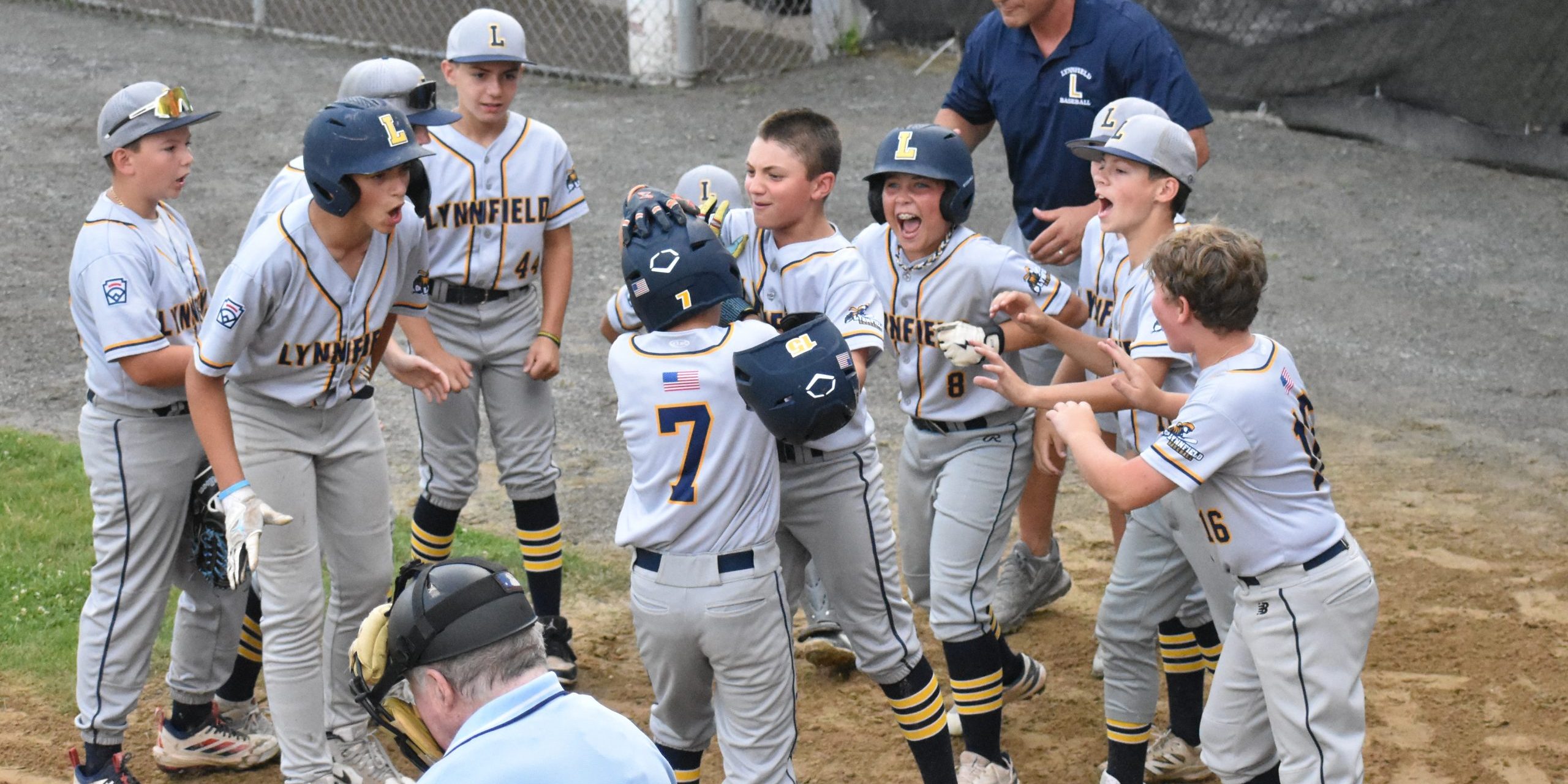
LYNN — Is there anyone in District 16 that can beat Lynnfield? In their first two games, the...

NAHANT — Every school district has a superintendent, but very few can call theirs “Captain.” It is...
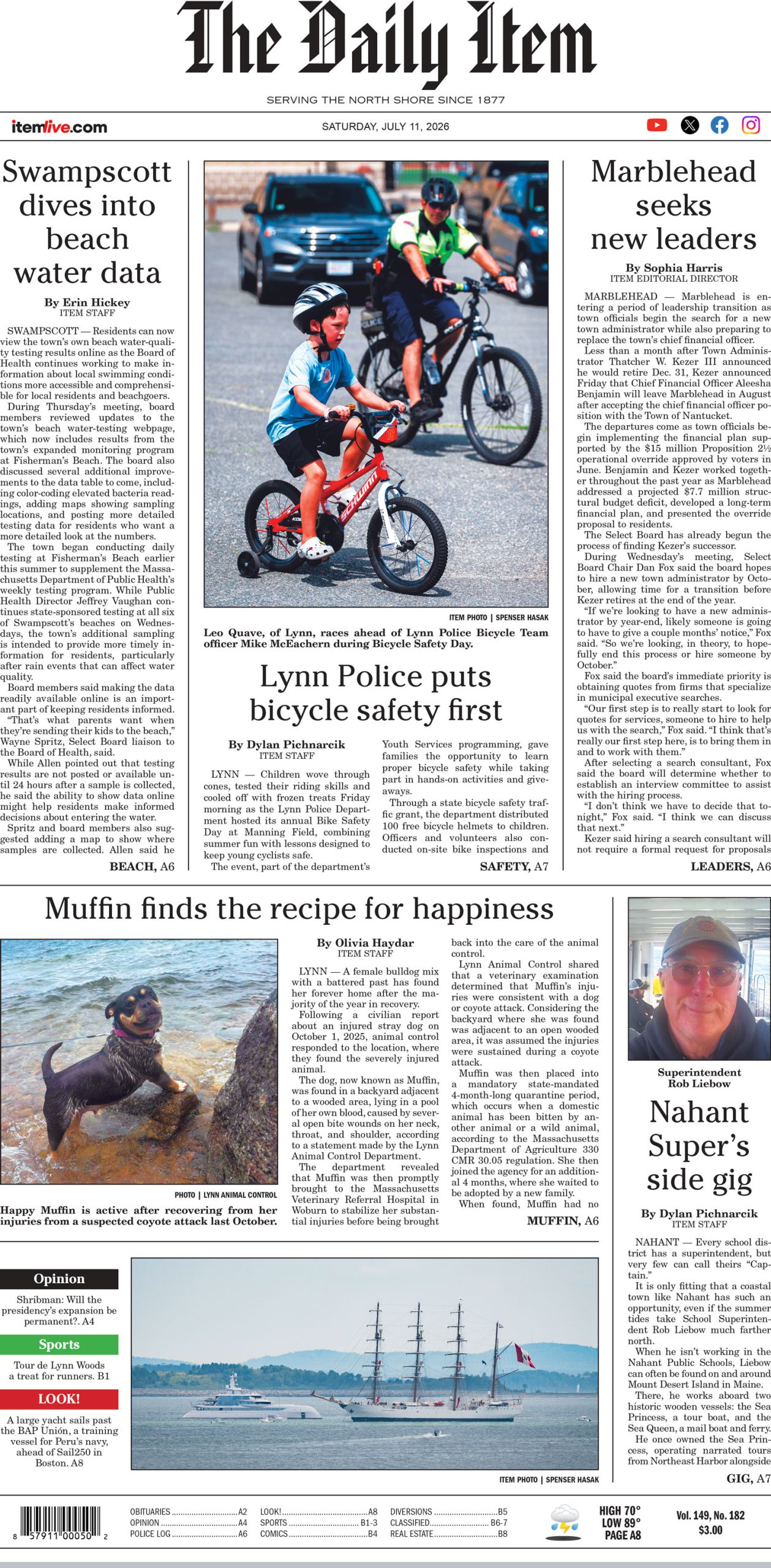
The post Today’s Page 1: July 11, 2026 appeared first on Itemlive. Source...

LYNN — Children wove through cones, tested their riding skills and cooled off with frozen treats Friday...

WINCHESTER — Swampscott resident Aidan Emmerich is hoping this is the year he finally breaks through...

Police logs July 9, 2026

Photos: Tall ships drop anchor

Local women win Commonwealth Heroine Award
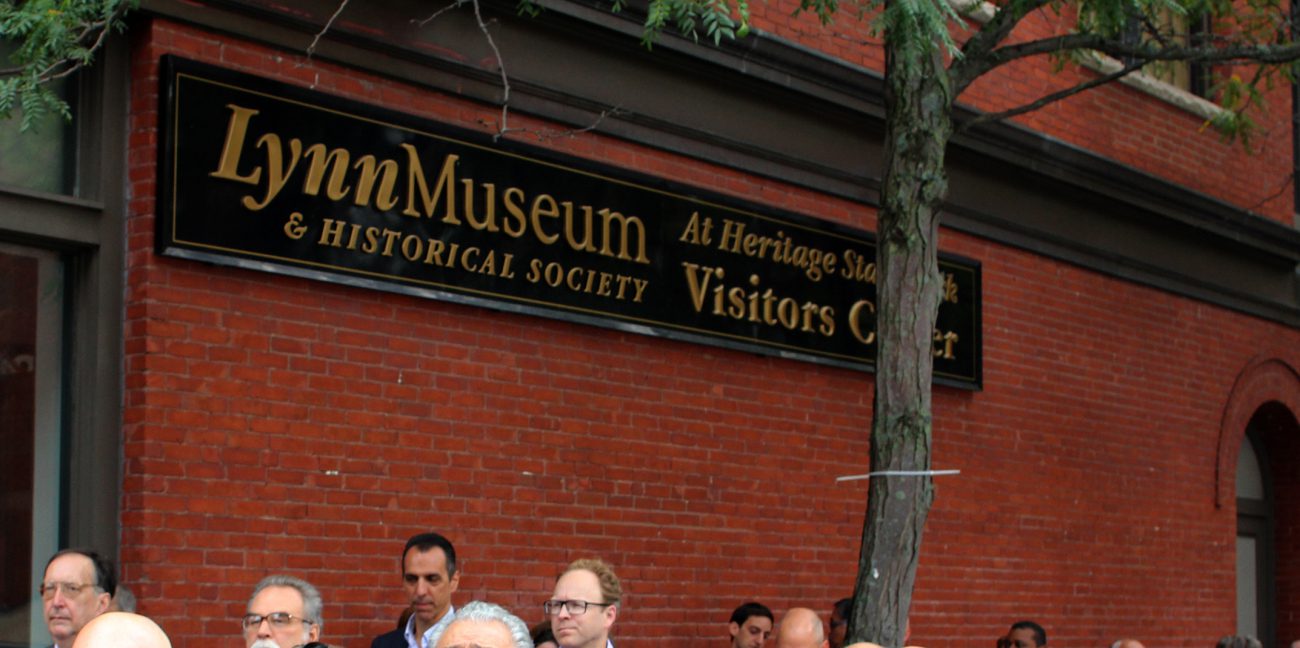
Lynn Democrats hold ice cream social with State Representatives
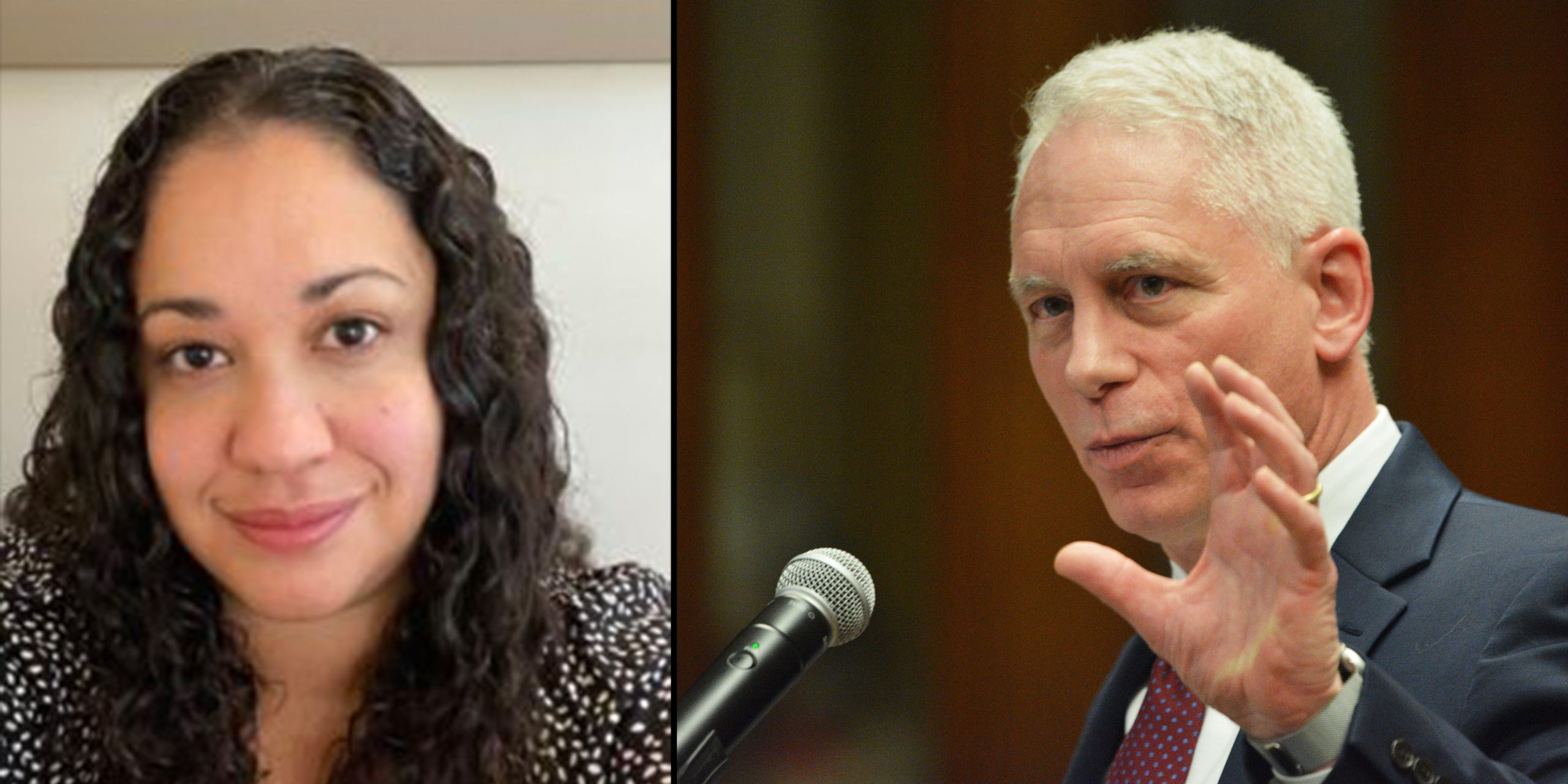
Marblehead seeks new leaders – Itemlive

New leader takes the reins at Peconic Community School

Swampscott dives into beach water data

Muffin finds the recipe for happiness
Marblehead begins search for town administrator

Shribman: Will the presidency’s expansion be permanent?
Commentary: The transition to senior living is best done with deliberateness, not in a panic
Rep. Wong gives back through martial arts