

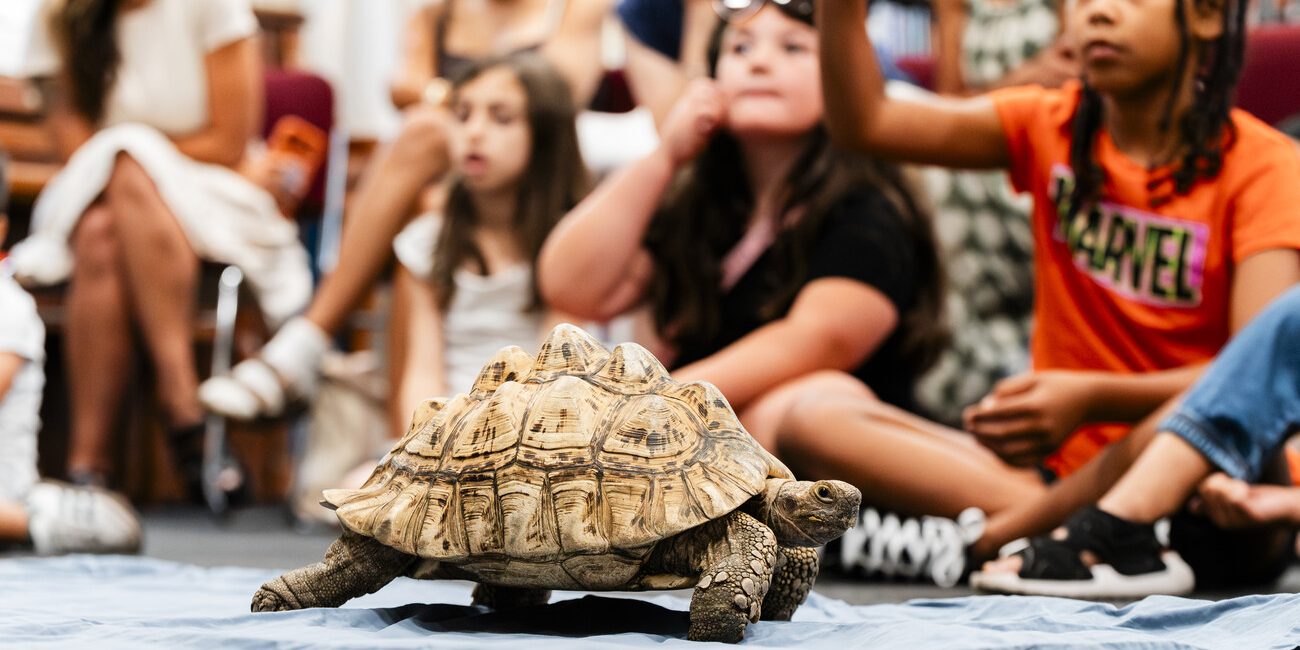
SAUGUS — Wide-eyed children leaned forward Wednesday morning at the Saugus Public Library as an unusual group of visitors took center stage. Stone Zoo Education Manager Lexi Rolfe and Assistant Director of Education Katie Corbett introduced a lineup of ambassador animals to show how wildlife adapts to survive.
Rolfe asked the audience to name five things all animals need: oxygen, water, space, food, and shelter.
“And now, this is where adaptations come in, because animals use adaptations in order to get these five things,” she said.
Rolfe explained that an animal adaptation is a trait that helps an animal survive in its environment.
“We have physical adaptations, and we have behavioral adaptations,” Rolfe said, showing examples of geese migrating as a behavioral adaptation, while the white fur of a snow bunny is a physical adaptation.
Corbett then introduced the zoo’s first ambassador animals: three poison dart frogs.
The species were a green and black poison dart frog, a Panamanian golden frog, and a dyeing poison dart frog.
Corbett also explained that the frogs aren’t actually poisonous due to the type of bugs they are fed at the zoo.
“These frogs have some really cool adaptations that help them survive,” she said.
Corbett told the audience that the frog’s bright colors are one of its adaptations and asked the audience if they knew why.
The bright colors are a warning to show predators that the frogs are poisonous, keeping them from being attacked or eaten.
Corbett said that although the frogs are not poisonous, zoo staff handle them with great care because their sensitive skin can be harmed by human contact.
“When we’re taking care of them, we wear gloves because frog skin is really special. It’s really delicate, and it’s much more different than human skin,” she said, adding that the skin soaks in water and can also soak in harmful things that may be lingering on human skin.
Rolfe then introduced the second animal, Kupa the leopard tortoise, whom the zoo rescued after she was found wandering the streets of Boston.
“We’re not sure how she ended up in Boston, but we think she may have been somebody’s pet and was maybe unwanted,” Rolfe said. “I can tell you that Kupa was not very well taken care of by her previous owner.”
Rolfe pointed out the large bumps that had formed on Kupa’s shell, called pyramiding, which happens when tortoises are not receiving proper food.
One of the tortoise’s most famous adaptations is its shell, which keeps it safe from predators and harsh sunlight.
While the audience was not allowed to touch Kupa, they did get the chance to touch a sea turtle shell that the zoo received from the U.S. Fish and Wildlife Service, along with a scute, which turtles shed as they grow.
24World Media does not take any responsibility of the information you see on this page. The content this page contains is from independent third-party content provider. If you have any concerns regarding the content, please free to write us here: contact@24worldmedia.com
SAUGUS — Wide-eyed children leaned forward Wednesday morning at the Saugus Public Library as an unusual...

LYNN — A Lynn man who continued collecting Social Security benefits intended for a person who had died...

Michael R. Bloomberg Almost two decades ago, when trillions of dollars in private housing debt proved...
Bob Kustra If we want to consider what’s possible for Ukraine, the people of Poland are living proof....

To the editor: I was sent a recent report by Nahant Selectman Patrick O’Reilly, which urges federal...
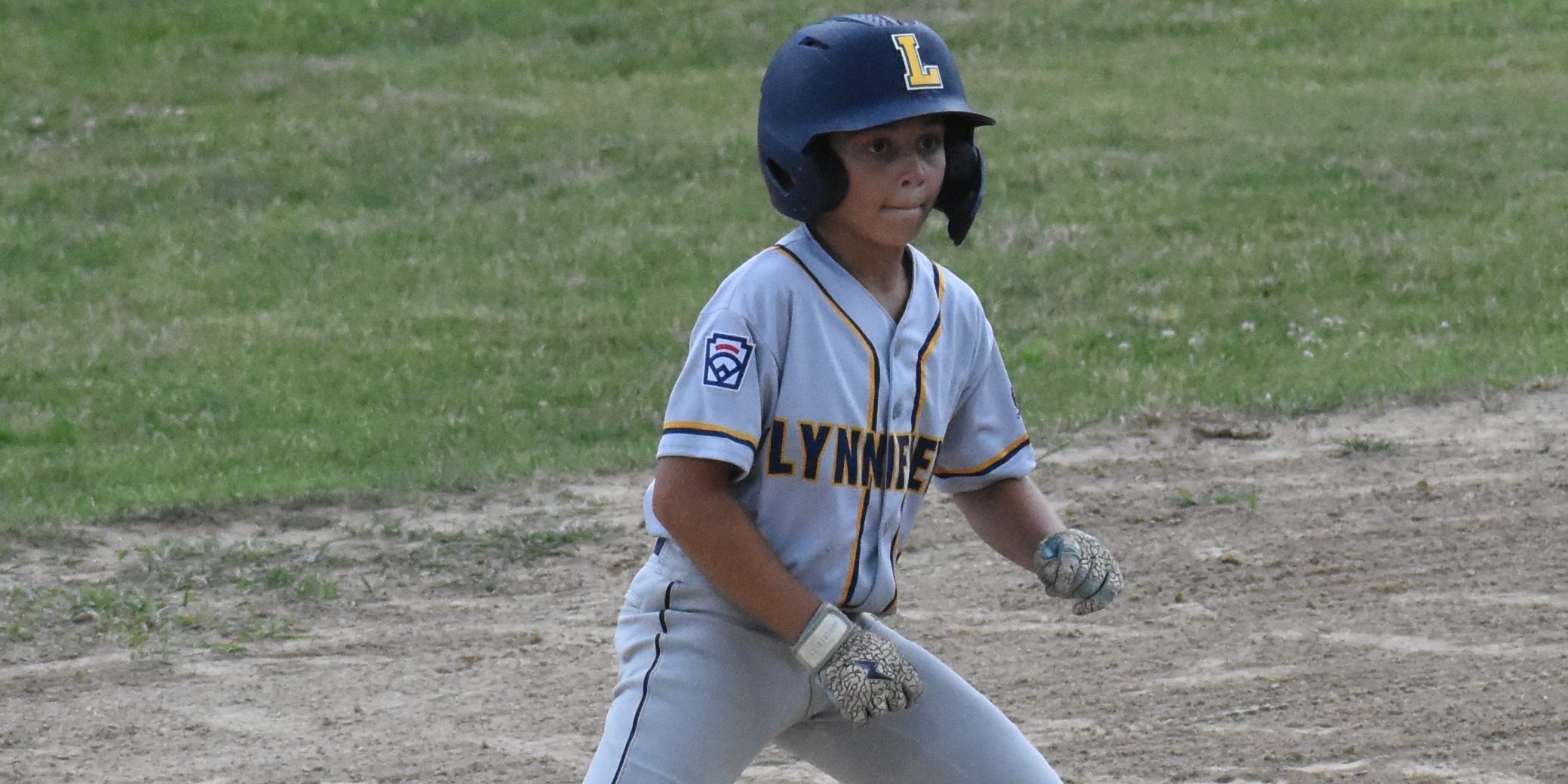
LYNNFIELD — Since the start of the District 16 tournament, the Lynnfield 12-year-old All-Stars have...

Krause: A midseason Red Sox rundown
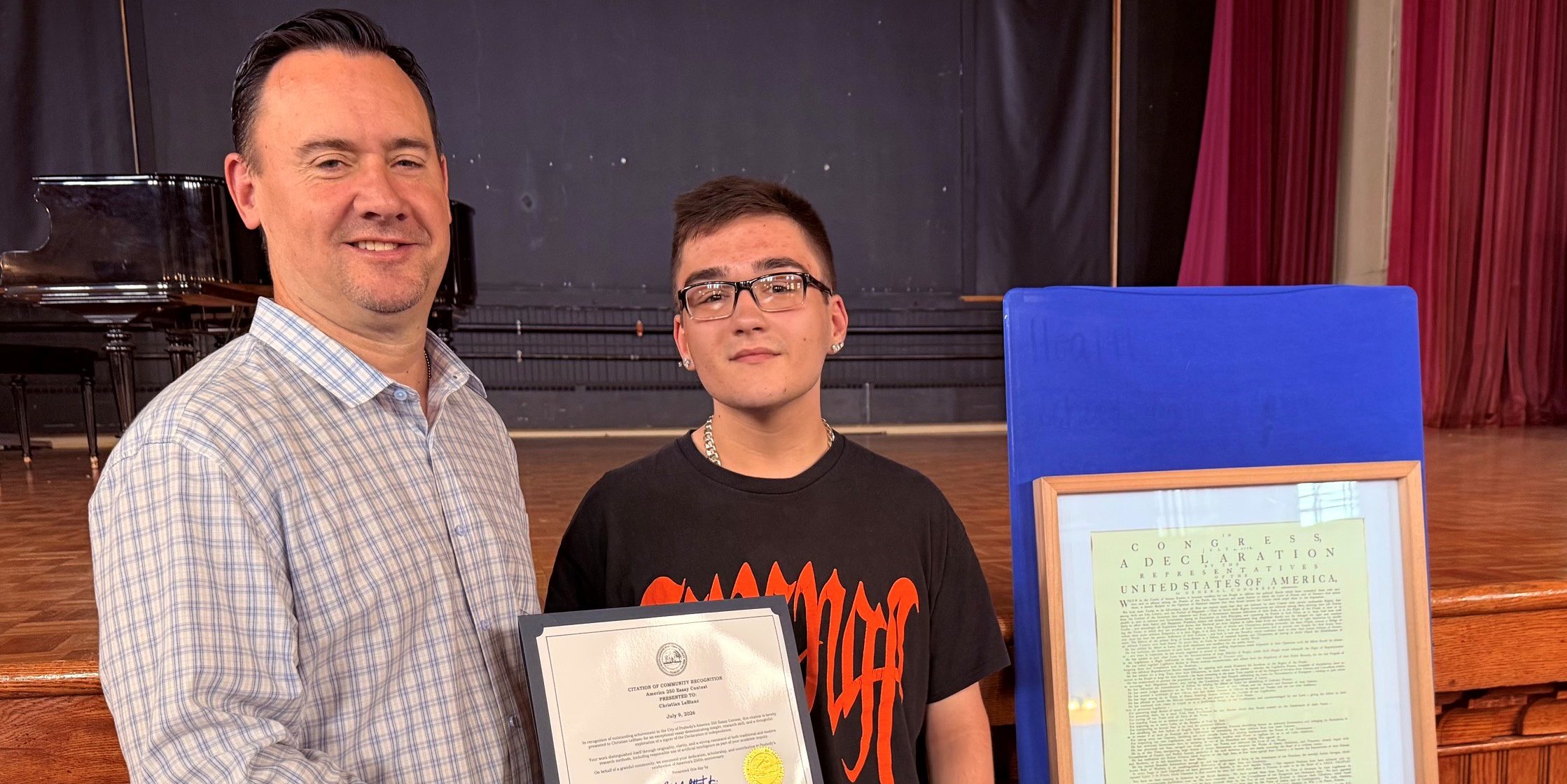
Peabody recognizes America 250 student essay winners
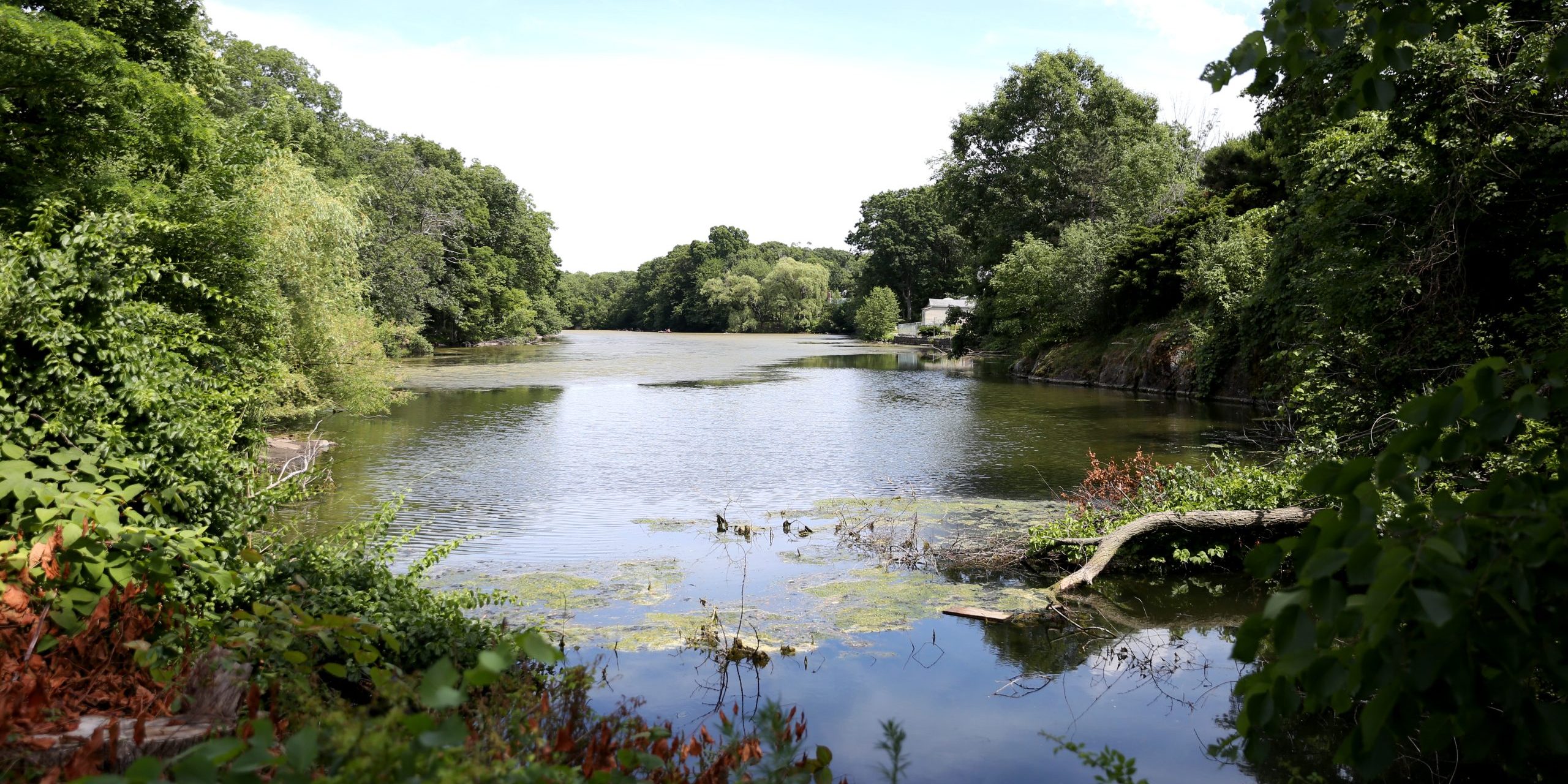
Swampscott needs wide-open spaces – Itemlive
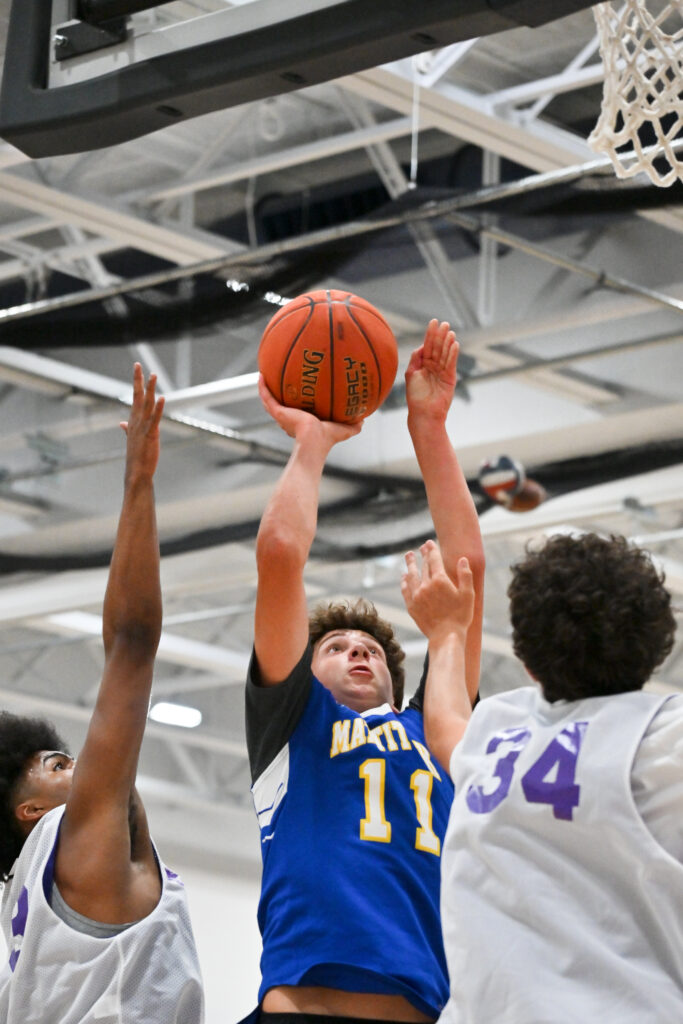
Mattituck’s Connor Searl’s three-day athletic feat includes triathlon, hoops win over Greenport
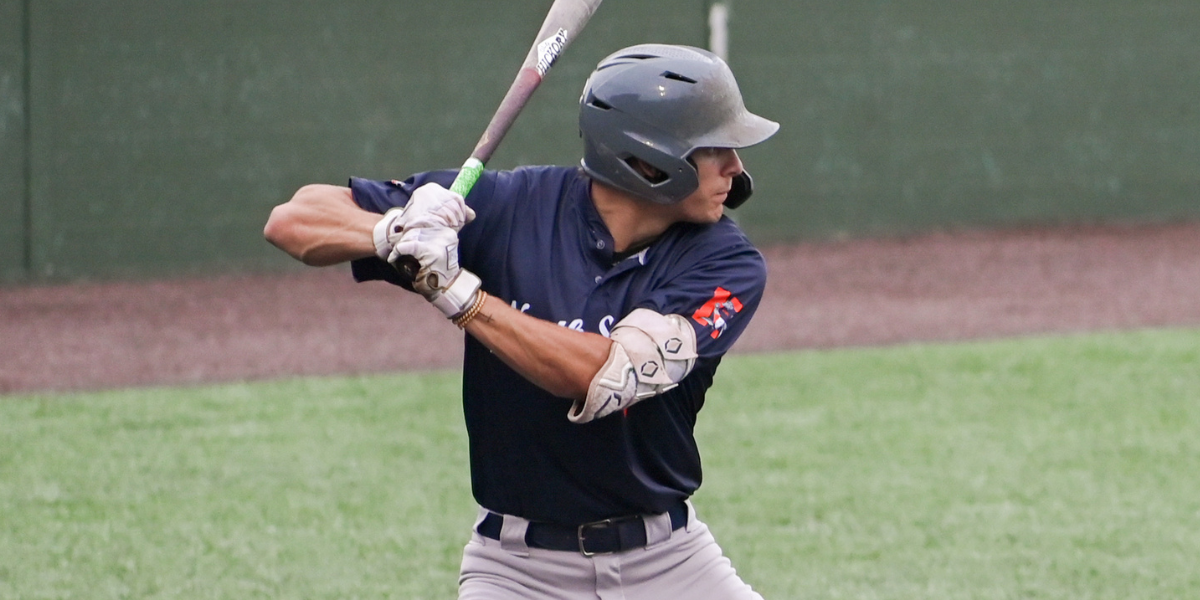
Four former Navigators drafted – Itemlive

Watch party, soccer drive this Sunday in Marblehead
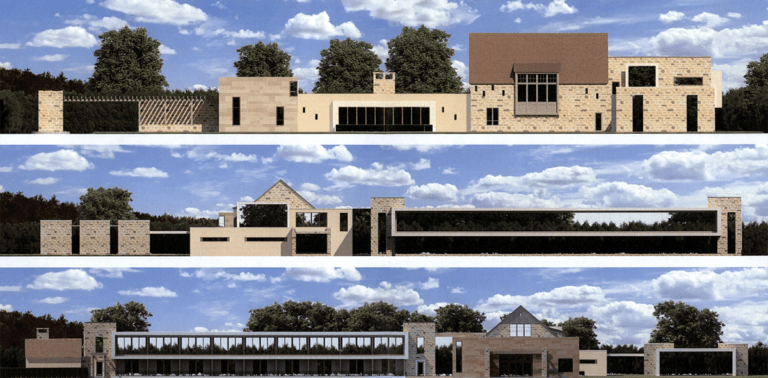
Enclaves hotel wins another six-month extension as police called to Southold meeting
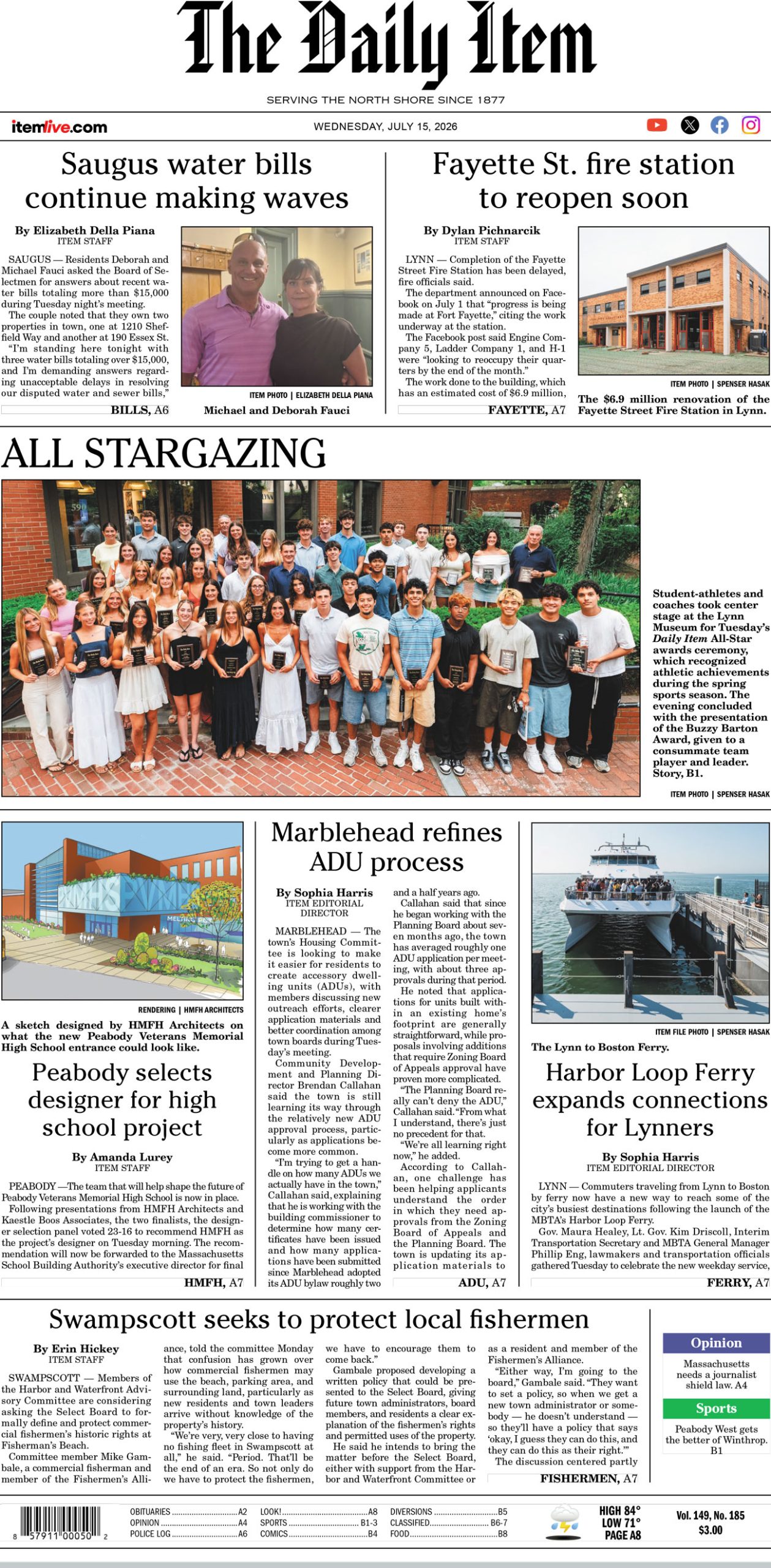
Today’s page 1: 7-15-26
Saugus water bills continue making waves
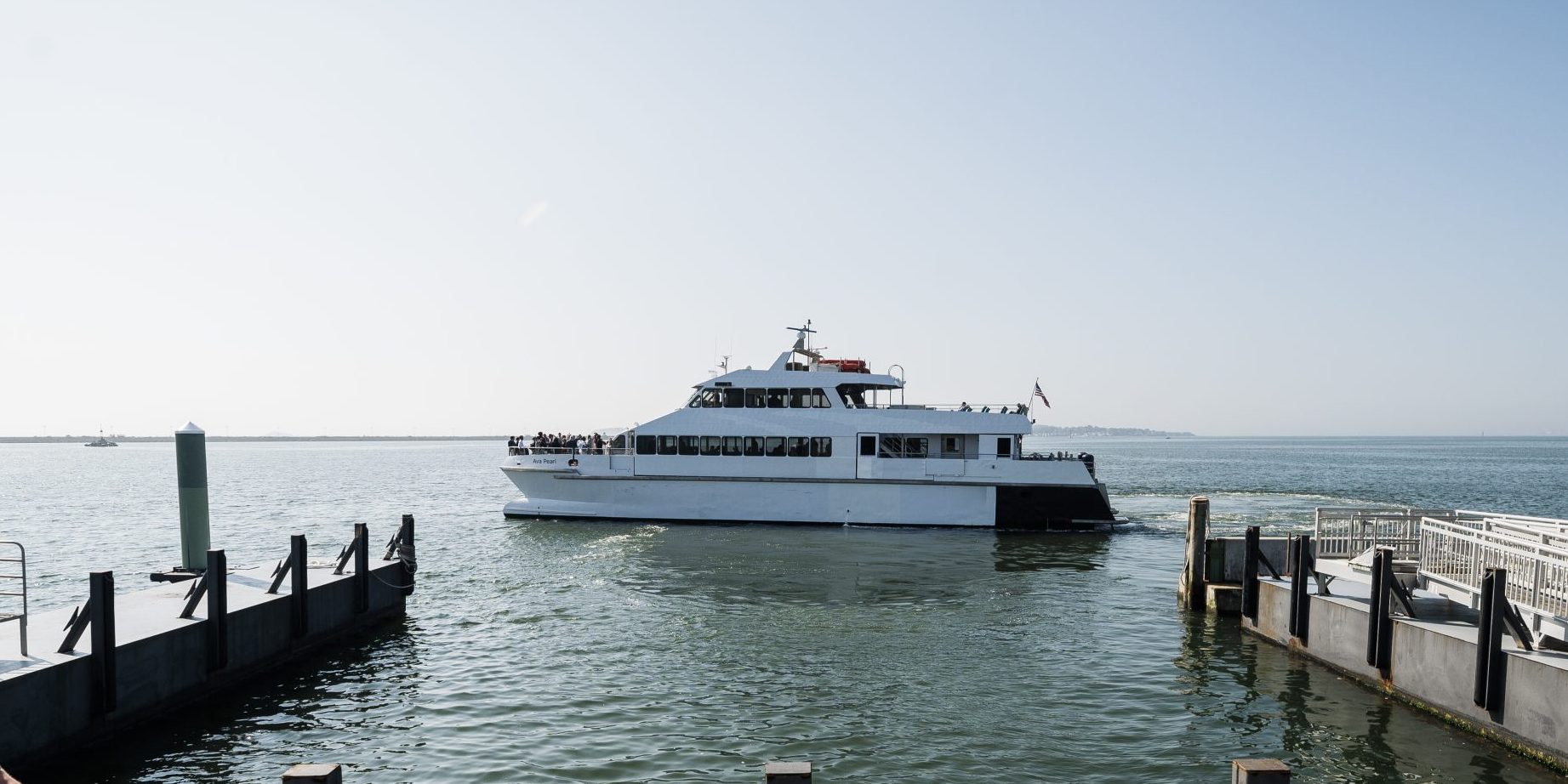
Harbor Loop Ferry expands connections for Lynners
Marblehead refines ADU process – Itemlive
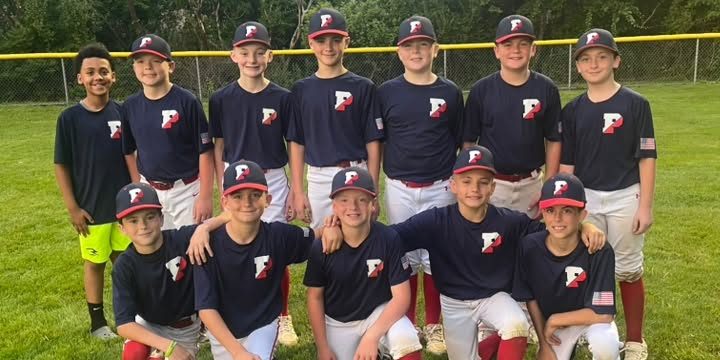
Peabody West gets the better of Winthrop