


Because the median age of the U.S. population is about 38, most people will not remember the Cuban Missile Crisis of October 1961. Fidel Castro had taken over Cuba and turned out not to be the hoped-for liberator for that Caribbean Island. The Soviet Union’s embrace and support of Castro was a bold, Cold War maneuver that both Presidents Eisenhower and Kennedy condemned. This Soviet intrusion off the coast of Florida came to a crisis point when the USSR began the process of placing nuclear-armed missiles on Cuban soil. President Kennedy responded with a naval blockade that would have prevented Russian missile-carrying ships from ever reaching Cuban ports. Kennedy referred to it as a quarantine instead of a blockade, which is an act of war.
Historians tell us that this event was the closest that the world has ever come to a nuclear conflagration. It was resolved diplomatically without a shot being fired. The Soviets withdrew their missile launchers from Cuba, and the U.S. withdrew missiles from Turkey. The final agreement was far more complex than this simple quid pro quo. The bottom line, however, is the same. Talking is cheaper than armed conflict, especially when nuclear proliferation is hanging in the balance.
Pope Leo XIV was only six years old when all of this happened. He may or may not remember how churches were packed in those days with people praying for peace. Today, when he speaks about the importance of diplomacy over armed conflict, the 1961 Cuban Missile Crisis may be one of his earliest childhood memories. When he currently speaks from the Vatican balcony, he does so not only from his personal memories but from a long, Christian tradition that goes back to Christ.
World War I was called the war to end all wars, and then came along World War II. The Cold War ensued, and even though the Iron Curtain no longer exists, the strategy of MAD is still very much with us. Mutual Assured Destruction is a Hobbesian description of the jungle that persists into the twenty-first century. For people of faith, any faith, war needs to be anathema. And for people of no faith, war must still be seen as an absolute last resort when diplomacy, economic sanctions, and all the levers of power have proven useless in the face of irrational aggression and ideological suicide.
The Korean War concluded with an armistice, which means that a state of war technically continues to exist. The Viet Nam War and the Iraq War lasted far too long, and neither made the world a safer place. The Iranian War began when there was no imminent danger to the U.S. or its Gulf neighbors. It is an open question as to when it will come to an end and with what outcome. All of these conflicts have fallen victim to asymmetric warfare, which is a military way of saying that might does not make right, nor does overwhelming military might guarantee victory.
There have been times in history when war became unavoidable. Hitler’s march through Europe and Japan’s attack on Pearl Harbor plunged the U.S. into a war that no peace-loving person would ever have wanted. Some people of faith and of no faith are pacifists and oppose to taking up arms under any circumstances. Many more people have been and are willing to take up arms in defense of human dignity, liberty, and self-governance. What we can all agree on is the fact that our world is becoming a more dangerous world than ever before. The impetus to avoid war has never been more important.
A superpower that seeks to provide leadership in a dangerous world needs a Department of Defense more than a Department of War. The threat of destroying a civilization with warriors that will show no mercy may be defended as being hyperbolic, but it foments a hatred of America that may never be forgotten. Defending the execution of suspected drug dealers because we are in a war against drugs is a legal fiction that threatens to make war criminals out of GIs who are only following orders.
All wars need to end in our time. Unless all our political leaders take seriously the need to build a culture of peace, the safety and security of children being born today will be at risk. ” Make love, not war” was a Viet Nam-era slogan. This double entendre is still true today.
Msgr. Garrity is a Senior Priest of the Archdiocese of Boston and former pastor of St. Mary’s Parish and High School in Lynn.
The post Msgr. Paul V Garrity: Talk is cheap appeared first on Itemlive.
24World Media does not take any responsibility of the information you see on this page. The content this page contains is from independent third-party content provider. If you have any concerns regarding the content, please free to write us here: contact@24worldmedia.com

Date: Thursday, Sept. 17 Time: 5:30 p.m. Location: Marblehead High Now that these teams are finding...

MARBLEHEAD — Make it 36 years Demakes Enterprises has hosted its annual charity golf tournament. This...
A proposed aquaculture operation in Mattituck packed people — with over 20 speaking up — into...

LYNN — The Revere Patriots (1-0-1) stormed onto Manning Field and walked away with a 7-0 victory...

Rafael Gonzalez Politics nerds have many ideas about how to strengthen American democracy; however, few...
Lyle Goldstein The next U.S.-China summit is scheduled for Sept. 24 in Washington, D.C., and expectations...

Hickey: Give me high speed rails or give me death
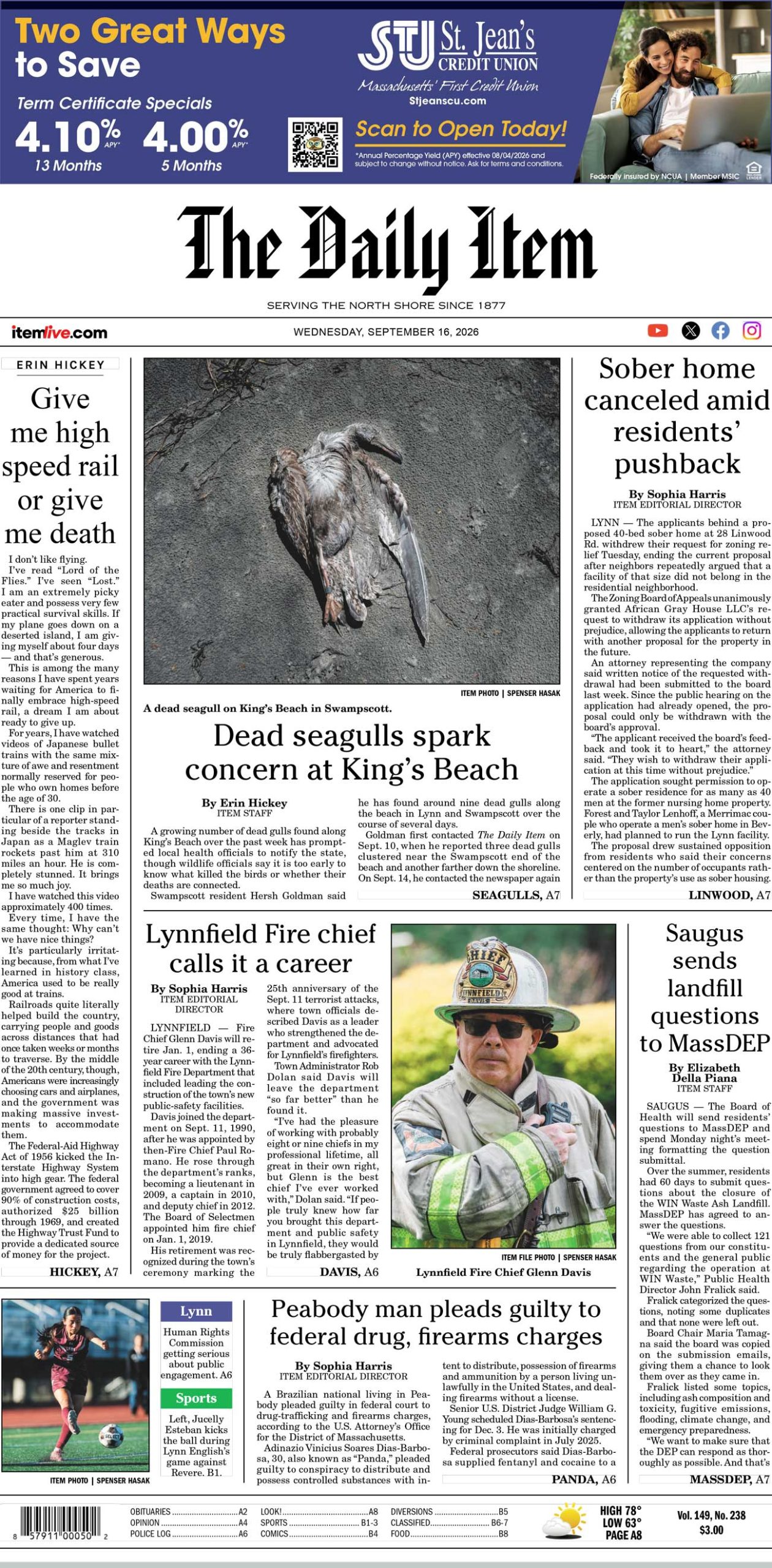
Today’s page 1: 9-16-26

Peabody man pleads guilty to federal drug, firearms charges
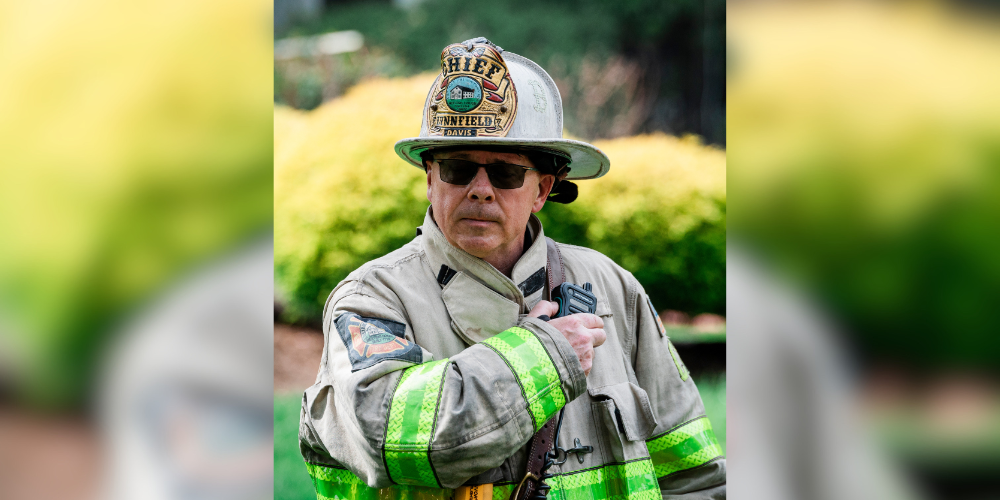
Lynnfield Fire chief calls it a career

High school roundup: Marblehead, Swampscott golfers stay perfect

Human Rights Commission looks to increase engagement
Police Logs: Sept. 14, 2026
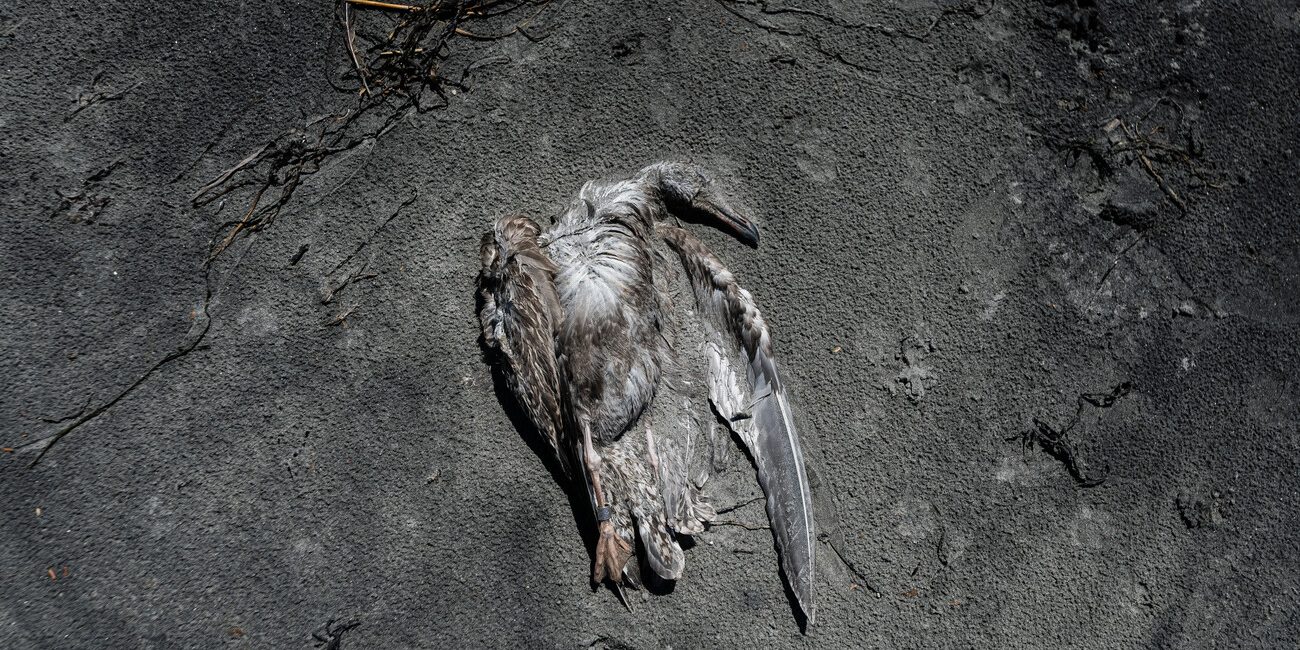
Dead seagulls spark concern at King’s Beach

Sober home canceled amid residents’ pushback
Saugus sends landfill questions to MassDEP
‘Confidence boost’ for Lynnfield football

Running to make a difference