

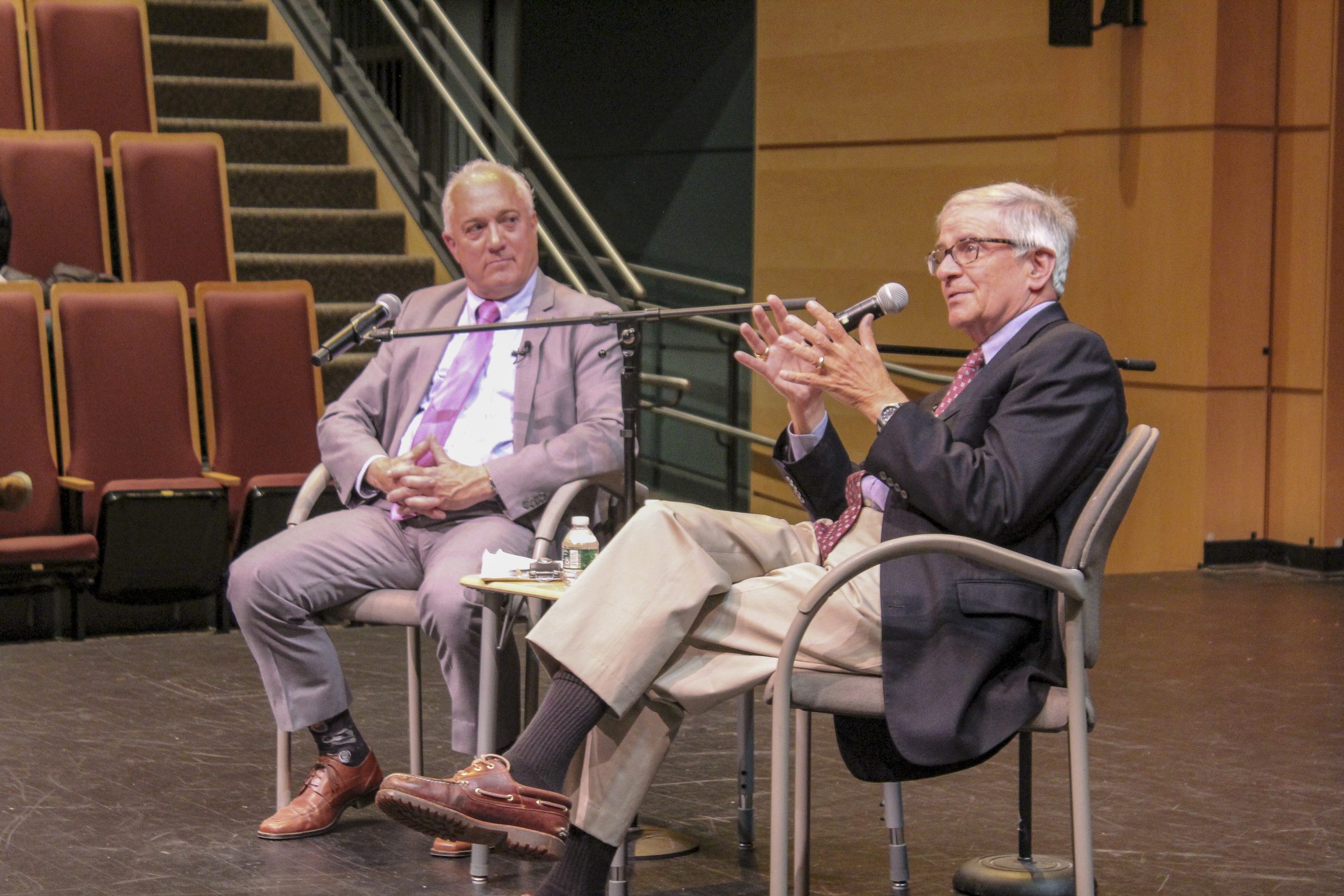
MARBLEHEAD — David M. Shribman began the evening talking football. By the end, he was talking about democracy, hatred, journalism, and the uneasy realization that many Americans may have misunderstood the country they thought they knew.
The Pulitzer Prize-winning journalist moved fluidly Wednesday night between stories about the Pittsburgh Steelers, Congress, the collapse of trust in media, and the 2018 Tree of Life synagogue massacre during a wide-ranging conversation at Marblehead High School examining antisemitism and the fractures running through American civic life.
The event, “Portrayals of Antisemitism,” paired Shribman with Rabbi David Meyer before an audience of residents, students, clergy members, educators, and local officials. The program was sponsored by the Marblehead Task Force Against Discrimination, Marblehead Public Schools, Marblehead Ministerial Association, and the Marblehead Police Department.
What unfolded was less a lecture than a sweeping meditation on America itself — its ideals, its failures, its cycles of division, and the institutions struggling to hold it together.
Shribman repeatedly returned to one central idea: that many Americans of his generation believed antisemitism had largely receded into history after World War II, only to discover it had never fully disappeared.
“We thought that it was yesterday’s problem,” Shribman said. “But it’s not, it’s today’s problem.”
That realization framed much of the evening.
Shribman reflected at length on covering the Tree of Life synagogue massacre while serving as executive editor of the Pittsburgh Post-Gazette, describing the attack not as a distant national story but as a wound inflicted directly on his own neighborhood.
“I live three blocks from the Tree of Life synagogue,” Shribman said.
He recalled receiving a phone call while at the gym, warning that police officers with guns drawn were converging on the synagogue in Pittsburgh’s Squirrel Hill neighborhood. He immediately drove toward the newsroom, where journalists had already begun arriving voluntarily, many personally connected to the victims.
One reporter’s family doctor had been killed. Another employee lived only three houses away from the synagogue. The newspaper’s music critic had a mother who ate lunch daily with two congregants who were murdered.
“This may have been a national big Megillah, but it wasn’t,” Shribman said. “It was a neighborhood issue.”
The attack, which killed 11 worshippers in October 2018, became the emotional center of the evening’s conversation.
Shribman described a newsroom trying to navigate the tension between journalistic objectivity and communal grief. Every day after the shooting, he gathered staff members together before coverage began.
“Our job was to speak to Pittsburgh, but also to speak for Pittsburgh,” he said.
That philosophy shaped one of the Post-Gazette’s most widely recognized editorial decisions: printing the opening words of the mourner’s prayer across the newspaper’s front page in Hebrew lettering.
“When words fail you, it might be because you’re thinking in the wrong language,” Shribman said.
Rabbi Meyer used the discussion to explore how antisemitism has reemerged publicly after decades during which many American Jews believed social barriers had largely fallen away.
Shribman described growing up in postwar America, watching universities, neighborhoods, and institutions that once excluded Jews gradually open. His father’s generation, he noted, lived through quotas, restricted clubs, and neighborhoods where Jews were unwelcome. His own generation believed those barriers had collapsed permanently.
But he argued that periods of social stability in history are often temporary.
“History’s happiest hours are written on the blank pages of history,” Shribman said later in the evening while reflecting on global instability and the return of old tensions.
Throughout the conversation, Shribman portrayed antisemitism not as an isolated phenomenon but as something intertwined with political polarization, social resentment, and institutional distrust.
He pointed to reactions following the Hamas attacks of Oct. 7 and Israel’s military response, but also to broader forces — conspiracy culture, online radicalization, resentment of successful minority groups, and the erosion of shared civic norms.
“Israeli reaction to the Hamas invasion stirred a lot of people. There’s a lot of ignorance. I suggest that a lot of people who were yelling from the ‘river to the sea,’ couldn’t identify the river or the sea,” he said.
Journalism became another major thread of the evening, particularly as audience members questioned whether traditional reporting can survive in an era dominated by TikTok, podcasts, algorithms, and partisan media ecosystems.
Shribman defended the standards that shaped his decades in newspapers, emphasizing the importance of transparency, editorial discipline, and verification.
“Our values and ethics were known,” he said. “Our procedures were prescribed and known.”
He described strict newsroom rules surrounding anonymous sources and noted that during his years in journalism, he never knowingly witnessed fabricated reporting.
At the same time, he acknowledged the financial collapse threatening many newspapers and warned that local journalism remains fragile.
The discussion repeatedly circled back to politics. Shribman reflected on covering Congress during an era when conservative Democrats and liberal Republicans still existed, contrasting that period with today’s ideological extremes.
“You are presented with a choice of far left and far right, and that’s a very dangerous thing,” he said.
Still, Shribman resisted calls to censor controversial voices in media and politics, arguing instead for public engagement and open debate.
“I don’t think we should muzzle anybody,” he said. “You don’t have to listen.”
Sports surfaced throughout the evening, not simply as comic relief but as another way Shribman explored identity and community.
He traded stories about Steelers championships and Franco Harris with audience members while also discussing a recent anti-hate Super Bowl advertisement funded by Patriots owner Robert Kraft, which highlighted solidarity between Black and Jewish communities.
The ad, which showed a Black student defending a Jewish student from bullying, drew criticism from some viewers who believed it portrayed Jews as needing protection.
Shribman said he interpreted it differently. Recalling a recent column he co-wrote with his longtime friend Reggie Williams — a former Cincinnati Bengals player, NFL Man of the Year, and fellow Dartmouth classmate — Shribman described the ad as a reminder of the alliance between Black and Jewish Americans during the Civil Rights Movement.
He referenced rabbis marching alongside Martin Luther King Jr. in Selma and spoke about the importance of solidarity across communities confronting hatred.
“I saw it as black and white together, ebony and ivory,” Shribman said. “I thought that that was an expression of something that was really quite great, that blacks and Jews were in this fight together.”
Rabbi Meyer echoed the point, recalling how his own rabbi in Nashville had supported desegregation efforts despite backlash and violence targeting the Jewish community.
As the evening concluded, Shribman turned his attention to students in the audience, offering a reflection on America that acknowledged both its failures and its capacity for renewal.
“This country’s tradition is to expand rather than to retract rights,” he said.
24World Media does not take any responsibility of the information you see on this page. The content this page contains is from independent third-party content provider. If you have any concerns regarding the content, please free to write us here: contact@24worldmedia.com
MARBLEHEAD — David M. Shribman began the evening talking football. By the end, he was talking about...

Lynn Classical’s baseball team (8-5) rattled off its fourth consecutive win — and fifth in six games...
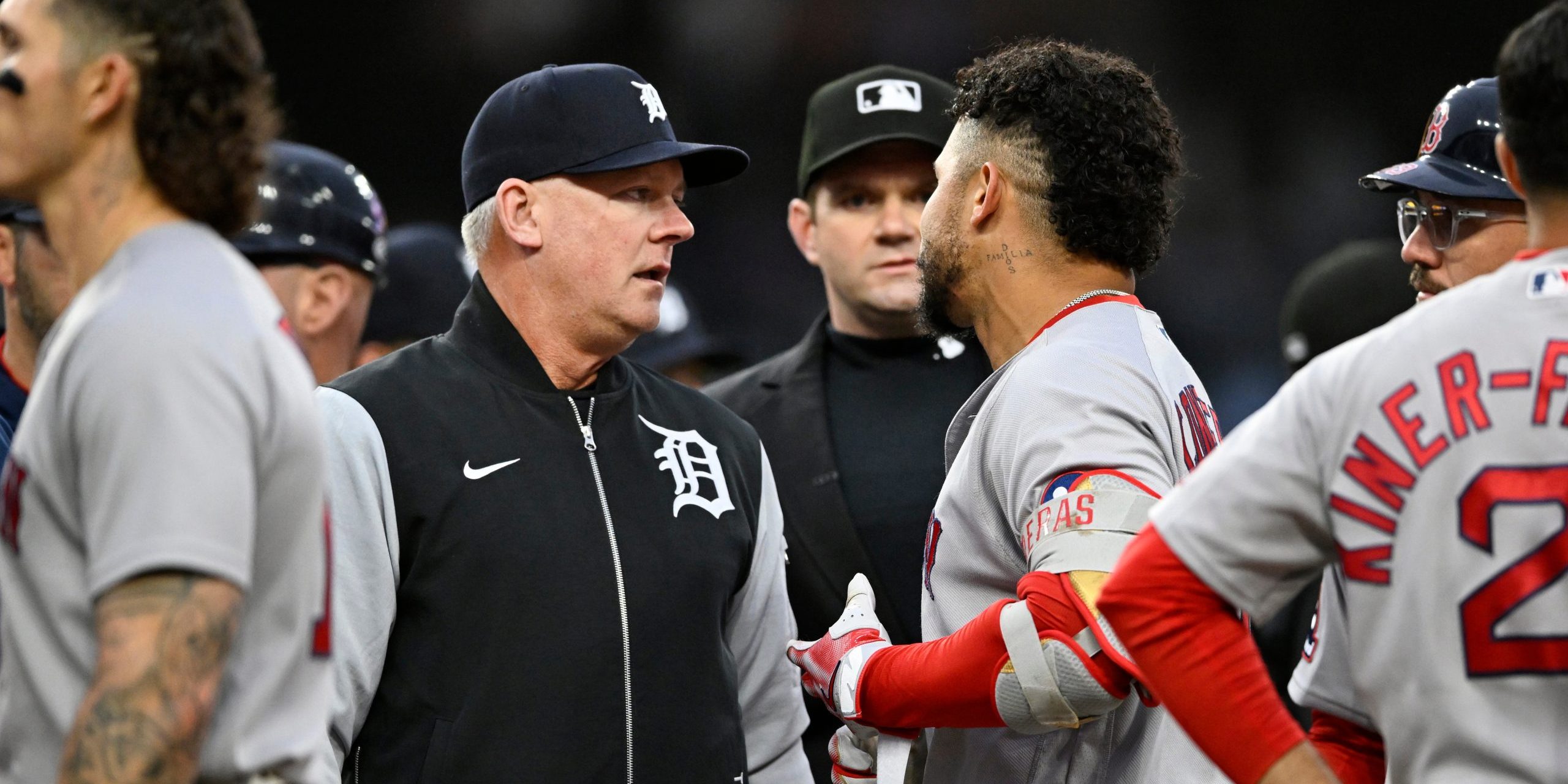
As soon as Willson Contreras and Wilyer Abreu smashed back-to-back homers in the fourth inning Tuesday...
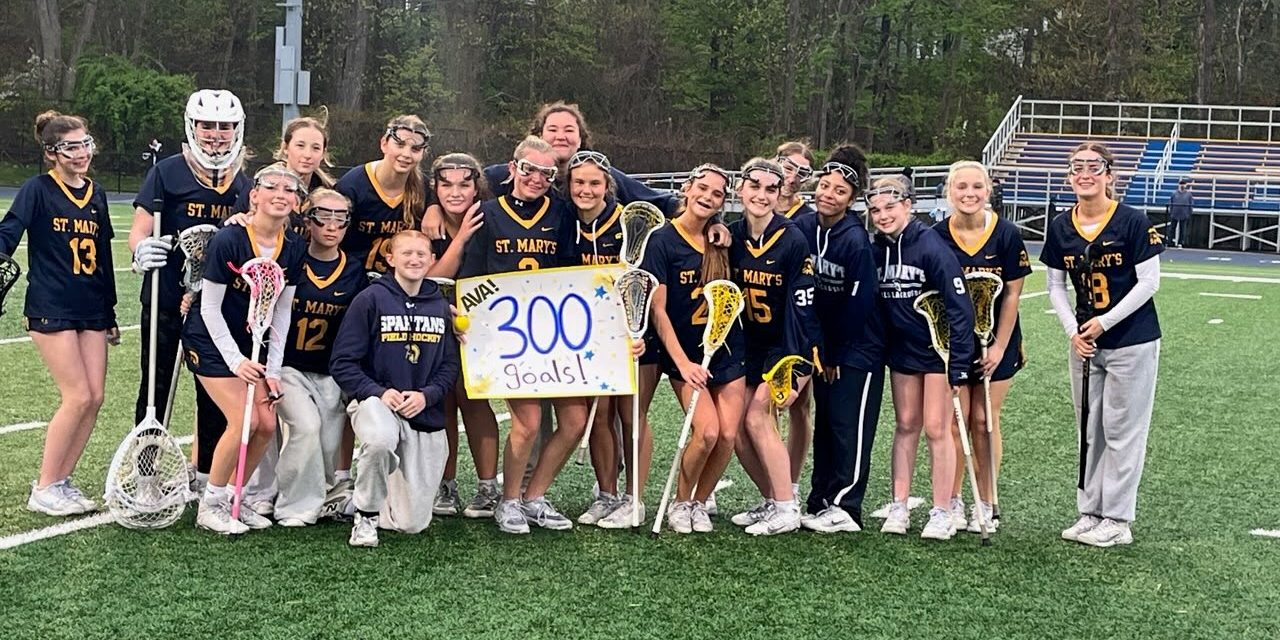
It was a celebratory Wednesday for St. Mary’s girls lacrosse team. Not only did the Spartans (9-1)...
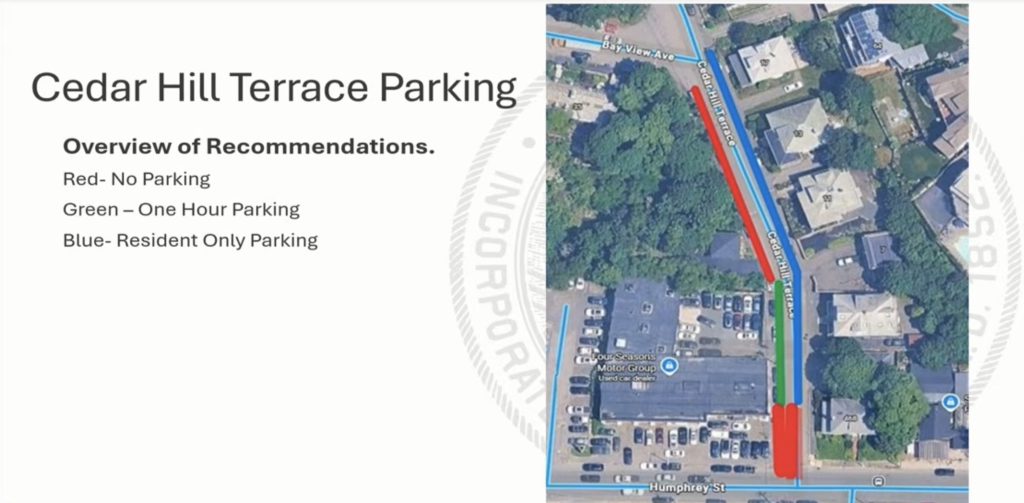
SWAMPSCOTT — The Select Board met Wednesday evening to discuss potential parking and enforcement...

All address information, particularly arrests, reflects police records. In the event of a perceived...
Lynn’s support grows for local mother
Lynn City Council President Alinsug endorses Koh for Congress
GAR plans for reopening – Itemlive
GAR plans for reopening – Itemlive

Editorial: U.S. automakers have to build more affordable cars

Commentary: An indictment of Sinaloa’s governor could roil U.S.-Mexico ties
Town Meeting draws 2.4 million views
Drag bingo to support Peabody arts
Healthy Saugus in search of volunteers
Wrong-way crash kills driver, state trooper in Lynnfield
Southold Town Board split over Justice Court plan as new build may cost less
Despite rough season, Mattituck baseball building with strong outings from Brayden Kruk