

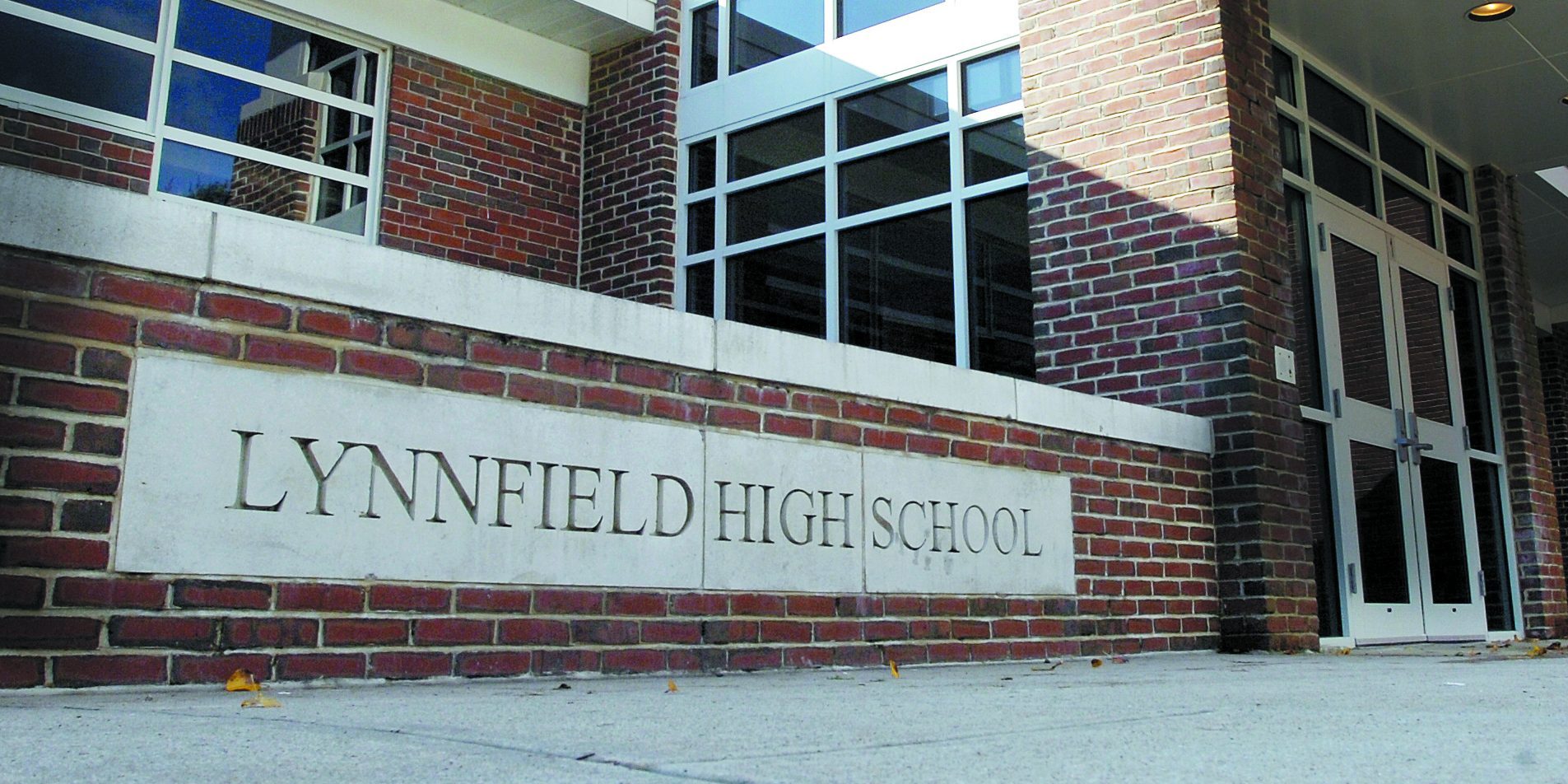
LYNNFIELD — Lynnfield Public Schools enrolled its highest percentage of students of color in the past five years this school year, according to a report by the Massachusetts Department of Elementary and Secondary Education (DESE) on race and gender. This specifically includes Asian, Hispanic, and students who are multi-race.
While white students remain the majority — currently accounting for 76.9% of enrollment — diversity within the district is on an upward trajectory. That includes a 30% increase among Asian students, from 6.5% in 2020 to 8.5% this past January. Among Hispanic and Latino students, the increase is even higher — from 5.6% to 7.7%, which equates to a 37.5% increase. While the percentage of Black students enrolled has remained steadily at 2% over the past five years, the percentage of multi-racial students, which is defined as “a person selecting more than one racial category and non-Hispanic,” has gone up from just 3% in 2020 to 4.9%, which is a major 63.3% increase.
“I’m pleased to see that our schools continue to become more reflective of the overall community that we serve. The increasing diversity of our student population each year is an important reminder that every student deserves to feel welcomed, respected, and supported each day,” Superintendent of Schools Thomas Geary told The Daily Item. “This trend also broadens the educational experience for all of our students by bringing a wider range of perspectives and experiences into our classrooms.”
Geary also cited that this increase “reinforces” one of the core objectives within the district’s recently adopted five-year Strategic Plan, which is to “foster inclusive and supportive classrooms and school environments.”
One of the actionable steps listed within the plan includes engaging in a “review of all student populations,” as well as the DESE-identified subgroups, “to identify patterns in student experience and achievement.” By the spring of 2027, the district intends to use those findings to guide “responsive practices, allocate supports, and strengthen inclusive classroom environments where all students feel they belong.”
By the spring of 2028, the next actionable step is to develop and provide professional learnings on classroom practices that are inclusive, as well as “culturally and linguistically responsive and disability affirming.”
Within the Anticipated Evidence section of the plan, the district cites intentions to share common language with educators regarding inclusive practices, provide professional development opportunities, and offer at each level activities, enrichment experiences, and both clubs and organizations that support inclusion within the schools.
“As our student population evolves, we remain committed to providing an inclusive learning environment where all students have access to high-quality educational opportunities and a strong sense of belonging within our schools,” Geary added.
24World Media does not take any responsibility of the information you see on this page. The content this page contains is from independent third-party content provider. If you have any concerns regarding the content, please free to write us here: contact@24worldmedia.com

When friends hear that I am covering the World Cup, they invariably ask if they could carry my bags....
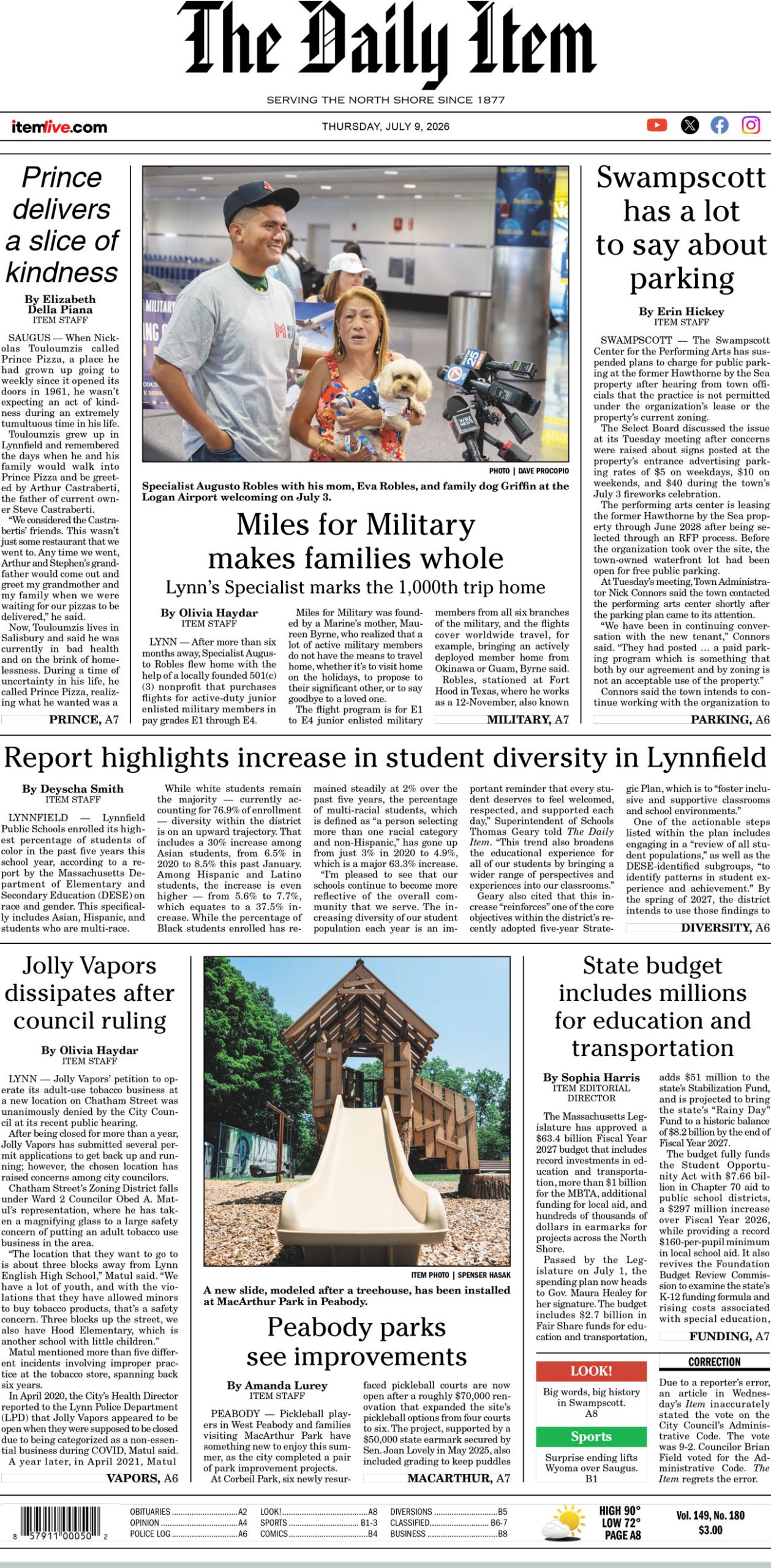
The post Today’s page 1: 7-9-26 appeared first on Itemlive. Source...
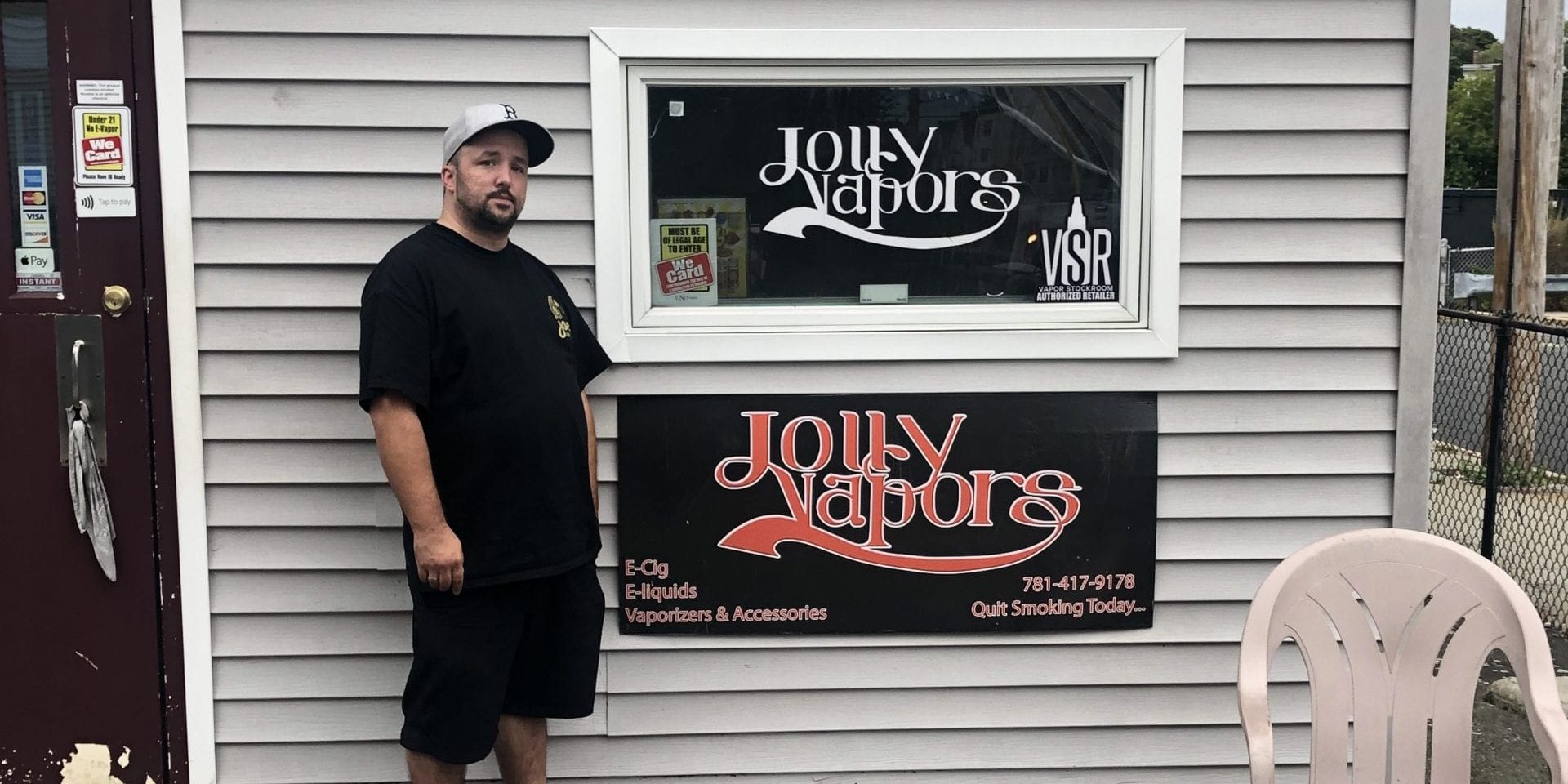
LYNN — Jolly Vapors’ petition to operate its adult-use tobacco business at a new location on Chatham...

The post Spartans wrap in style appeared first on Itemlive. Source...

SALEM — Little League is no stranger to controversy. Anyone who follows it, knows that anything can...

SWAMPSCOTT — Unalienable rights. Magnanimity. Usurpations. Transient causes. These are among the...

Miles for Military makes families whole
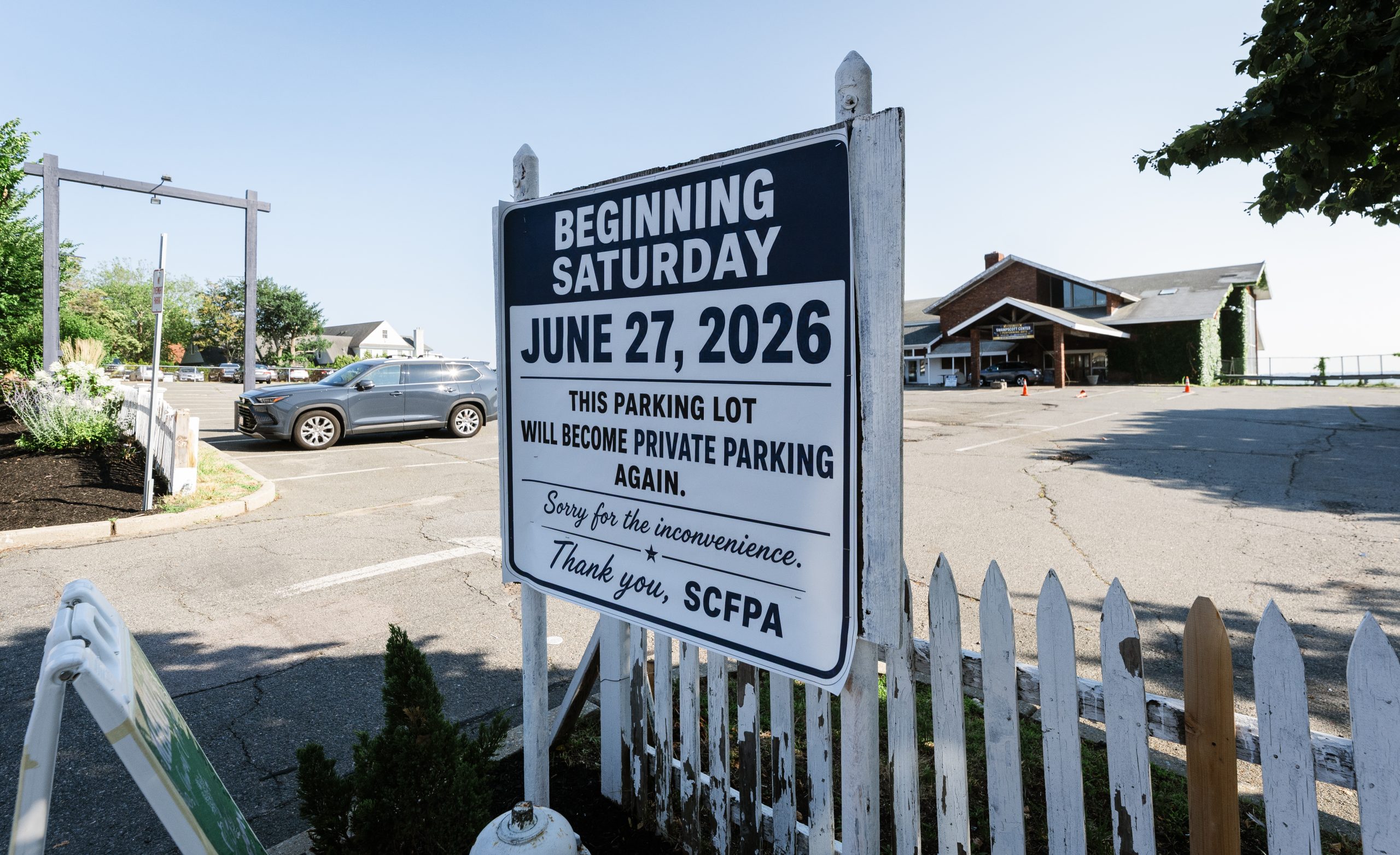
Swampscott has a lot to say about parking
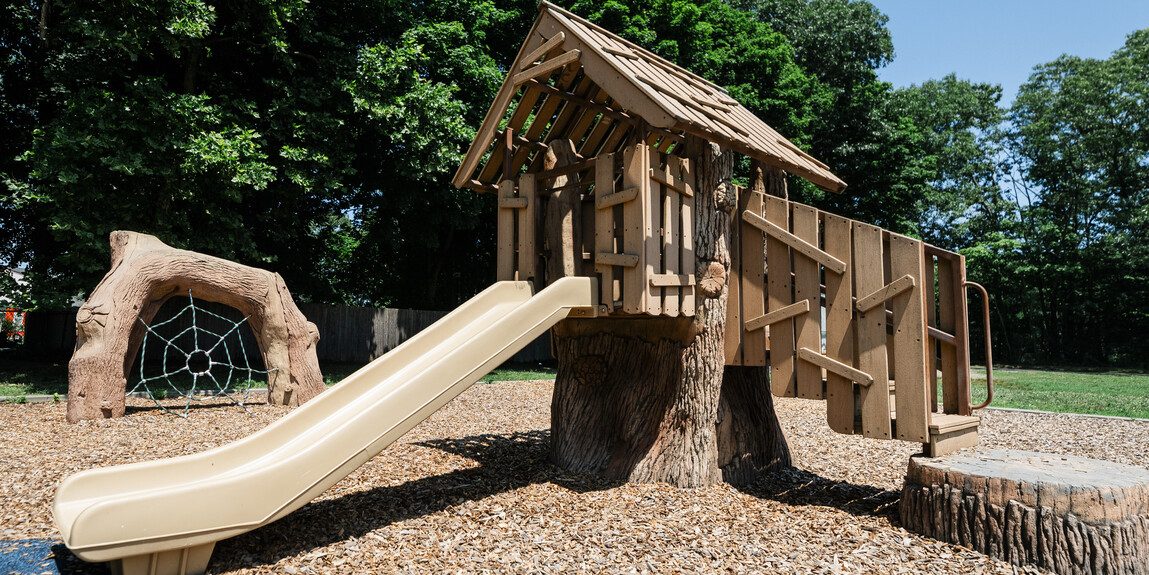
Peabody parks see improvements – Itemlive

Police Logs: July 7, 2026

Frederick Douglass Collegiate Academy shoots for success
Report highlights increase in student diversity in Lynnfield

Nahant to host tall ships this Friday

Commentary: I loved living in a small town. But ‘love thy neighbor’ has changed in America.
Commentary: The Iran gas tax is going to hit American families. But we can change the future.

Prince delivers a slice of kindness
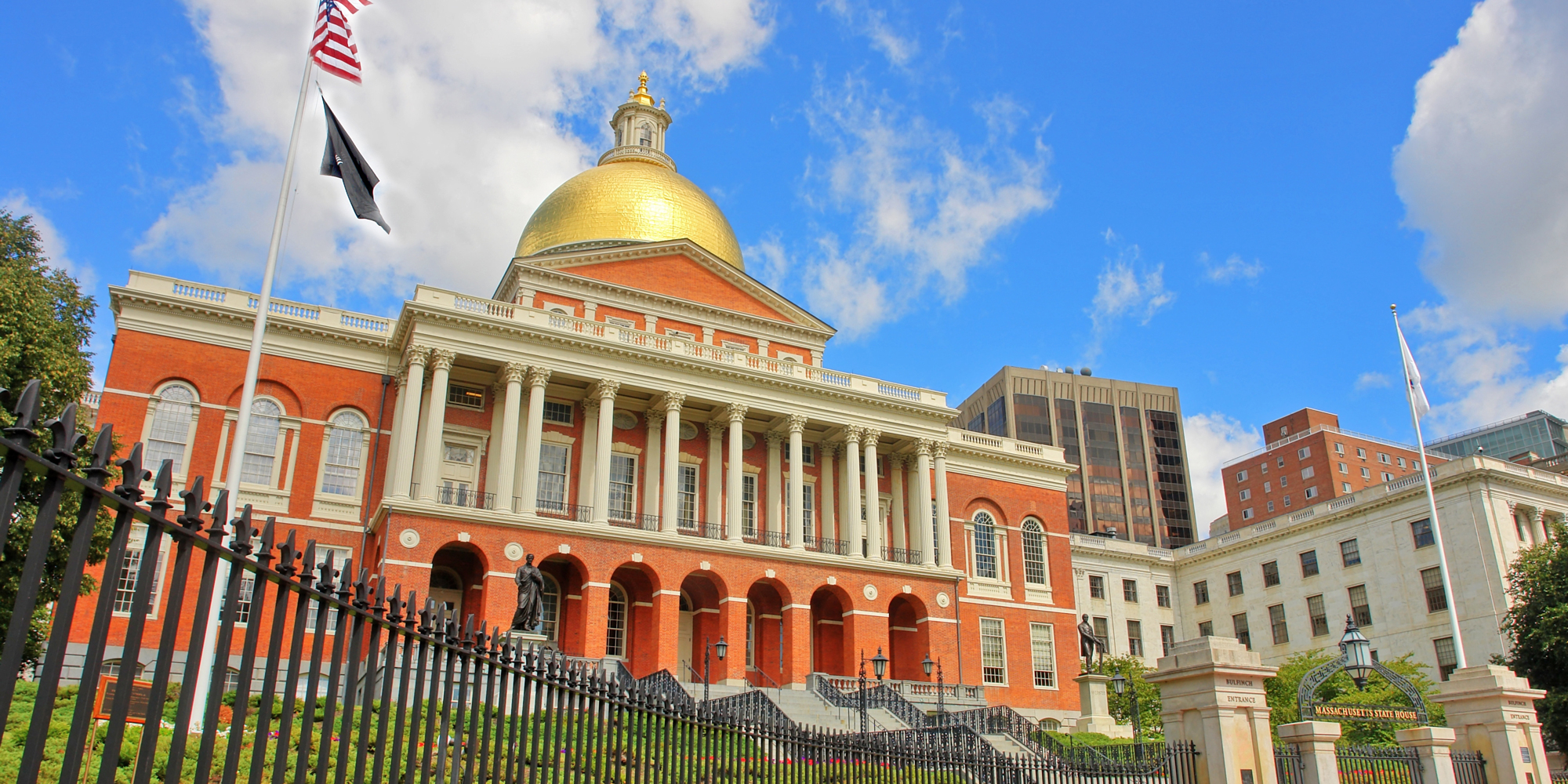
State budget includes millions for education and transportation
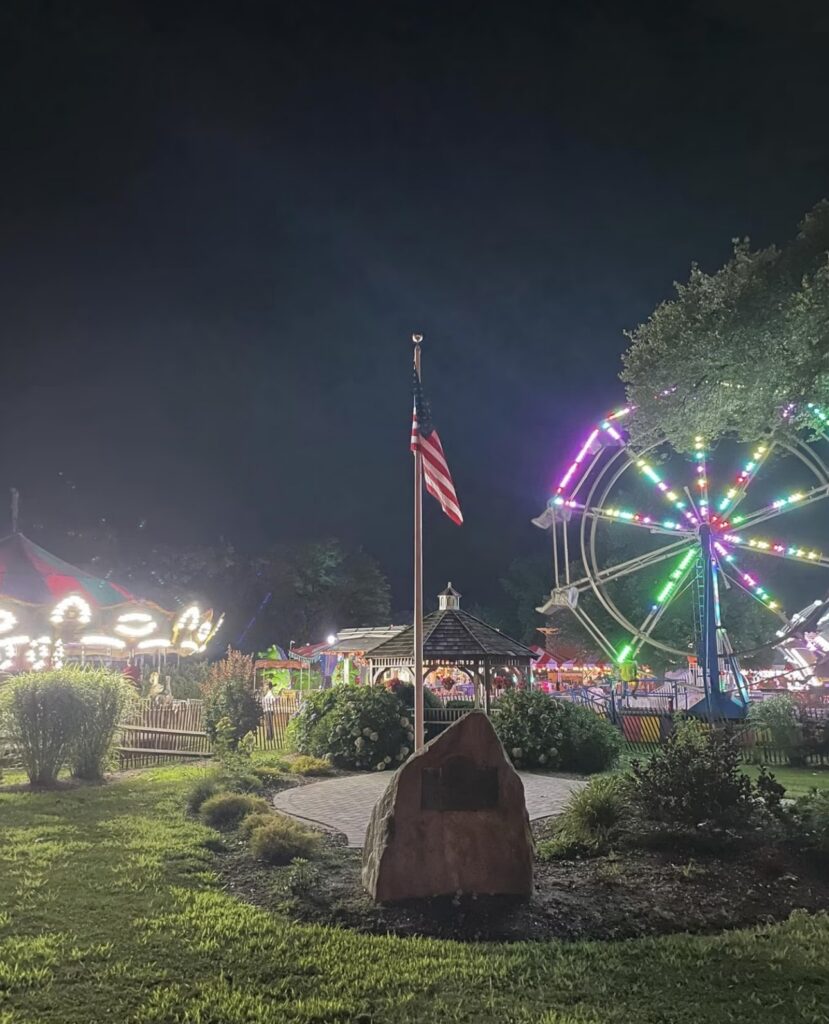
Jamesport Fire Department Bazaar and Parade returns July 14-18 with rides, fireworks and tradition