

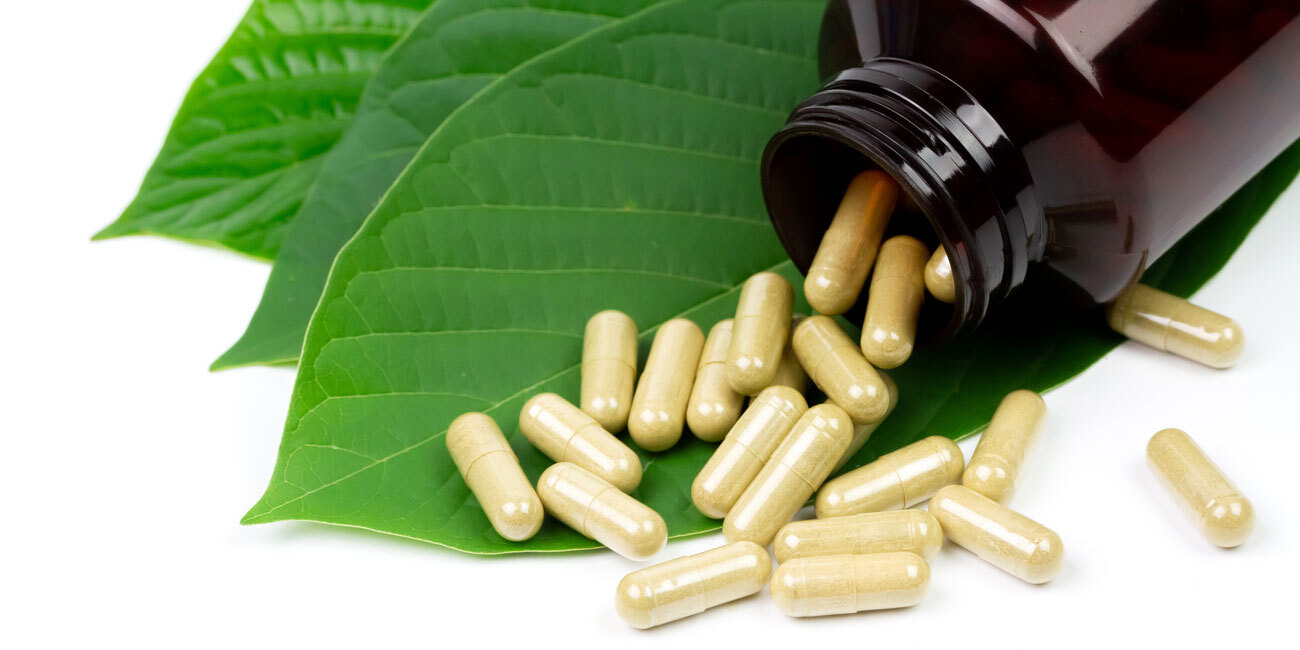
PEABODY — The Board of Health unanimously voted to prohibit the manufacturing, sale, and distribution of both synthetic and natural kratom products, as well as synthetically-derived cannabinoids and other unregulated novel intoxicating products, citing public safety concerns after hearing emotional testimony from both sides of the issue.
Kratom is a plant native to Southeast Asia, and its leaves are consumed for stimulant- and opioid-like effects. It is sold in forms including powders, capsules, drinks, gummies, and extracts.
Health Department Director Sharon Cameron explained that the regulations are part of a regional initiative to address the sale of these products, which have been spotted in Peabody convenience stores.
“The concern is that these are intoxicating products which are available without regulation, without age minimums, without dosage information,” Cameron stated. “The production of them is not regulated by the FDA or other federal entities, so the potential harm relates to access to children; but even beyond children, the lack of dosing information and ingredient information could pose a risk to other users as well.”
Chairman Tom Durkin then opened the public hearing, and eight people from across the country testified.
The three who opposed the regulations said natural kratom should remain legal while synthetic products are regulated.
Melody Woolf, who called in from Michigan, said she was bedridden and relied on mobility aids before she began taking kratom, which she said has allowed her to walk independently again and care for her family. When explaining why she was against the regulations, she told the board that people with chronic pain need as many tools in the toolbox as possible, and kratom is one of those tools.
Colorado resident Misty Brown said kratom helped her overcome addiction to benzodiazepines, muscle relaxers, and cocaine. She urged the board to allow natural kratom to remain available because it can ease withdrawal symptoms for people recovering from addiction.
Certified Nursing Assistant Shannon Lee, who said she has lived in Massachusetts her entire life, also called on the board to regulate synthetic products while allowing natural kratom to remain legal.
The five who supported the regulations shared stories of losing loved ones to kratom, asking the board to prevent other families from experiencing similar fates.
Dracut resident Holly Trouville said it has been her mission to get kratom banned throughout Massachusetts since her 25-year-old son Tyrell died in 2024 from drinking a kratom seltzer. She argued the products are sold without the safeguards expected of substances capable of producing opioid-like effects.
“When have we ever allowed people to determine their own dosage for something that attaches to mu-opioid receptors?” Trouville asked.
Dan Gibbs, calling in from Ohio, said his 25-year-old son Austin died in 2023 after consuming kratom. He argued the very benefits supporters attribute to the product demonstrate why it deserves stricter regulation.
“If a product is being promoted as capable of doing those things, that should itself be a significant public health red flag,” he said. “Those are not the claims of a harmless herbal supplement. Those are descriptions of a substance with significant opioid-like effects.”
Gibbs also warned that regulating some forms of kratom while permitting others would create significant enforcement challenges, a concern Cameron later echoed when explaining the difficulty of distinguishing natural products from synthetic ones.
After closing the public hearing, Cameron informed the board that Police Chief Tom Griffin had submitted a letter endorsing the proposed regulations. She also noted that Salem and Beverly had already adopted the regulations verbatim, with the goal of creating consistent rules across the region so people cannot simply cross city lines to purchase the products.
Board member Dr. Julia Fleet said she has personally treated patients struggling with kratom addiction and believes stronger regulation is necessary.
“To have a substance that’s readily available, that with routine use could potentially lead someone to land in my office, as an addiction medicine provider, it seems like there has to be more regulation to it,” Fleet said.
Board member Tony Carli said the lack of regulation surrounding the products was “frightening,” particularly as the father of two teenage boys. Durkin said it was the testimony from families who lost loved ones that carried the greatest weight.
The board voted 3-0 to adopt the regulations, which will take effect on Sept. 1.
24World Media does not take any responsibility of the information you see on this page. The content this page contains is from independent third-party content provider. If you have any concerns regarding the content, please free to write us here: contact@24worldmedia.com

All address information, particularly arrests, reflects police records. In the event of a perceived...

Felix Horne President Donald Trump argued last month that Canada should pay damages — or face...
Robert Pearl When it comes to medicine, Washington, D.C., is not anti-AI. In a string of recent...

Southold Town Supervisor Al Krupski will give his third annual State of the Town address Aug. 13...
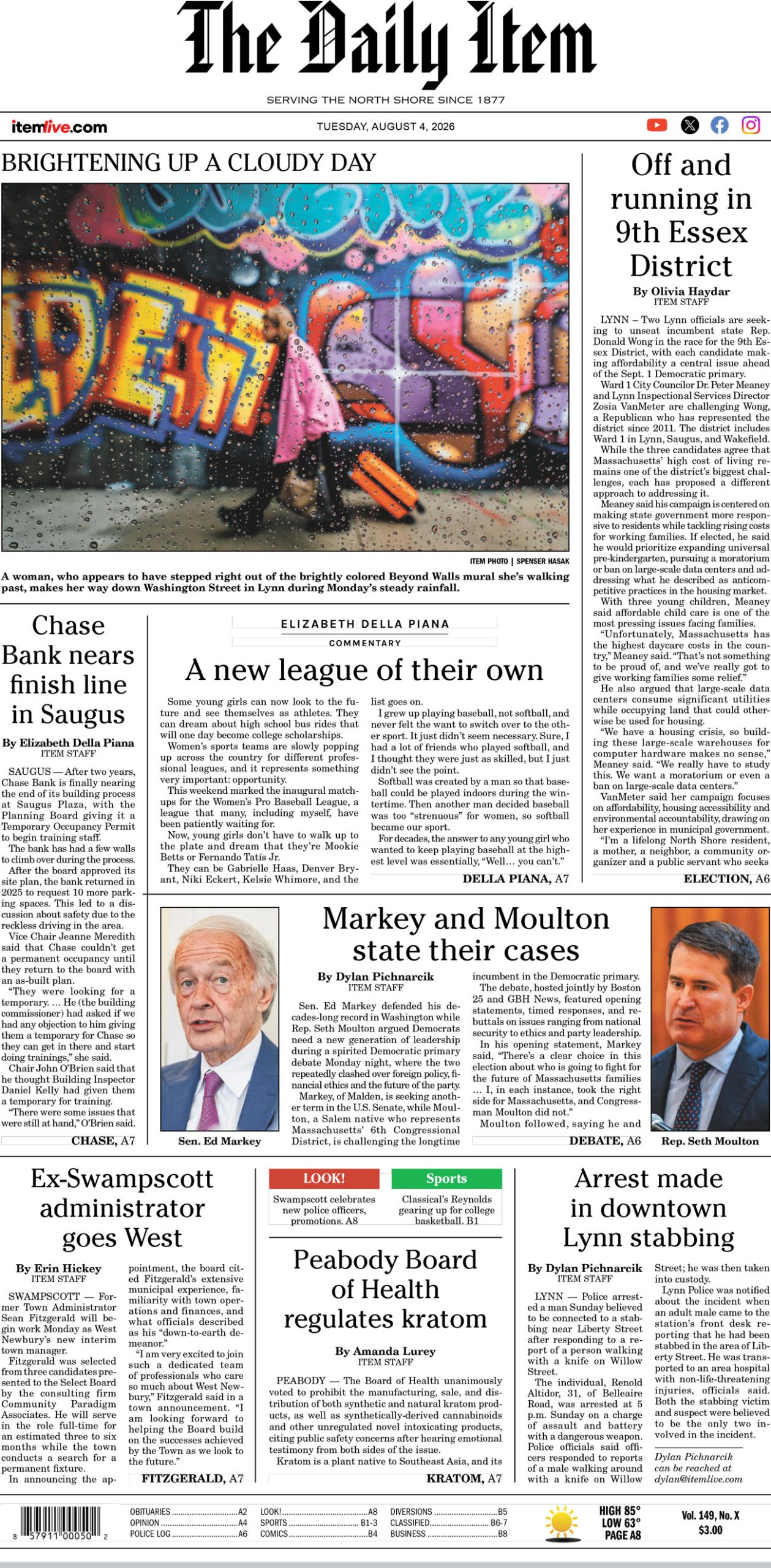
The post Today’s page 1: 8-4-26 appeared first on Itemlive. Source...
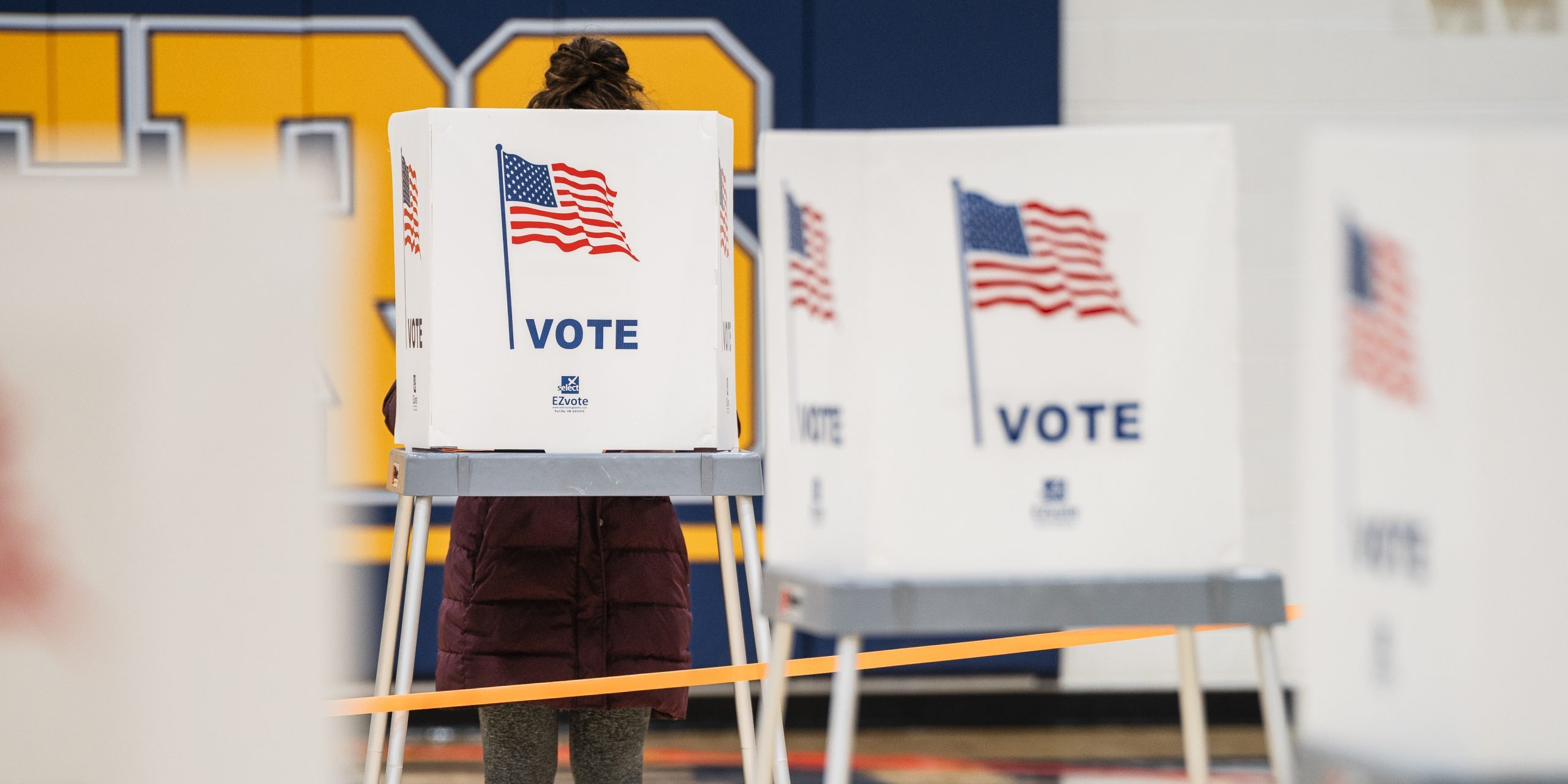
LYNN – Two Lynn officials are seeking to unseat incumbent state Rep. Donald Wong in the race for the...
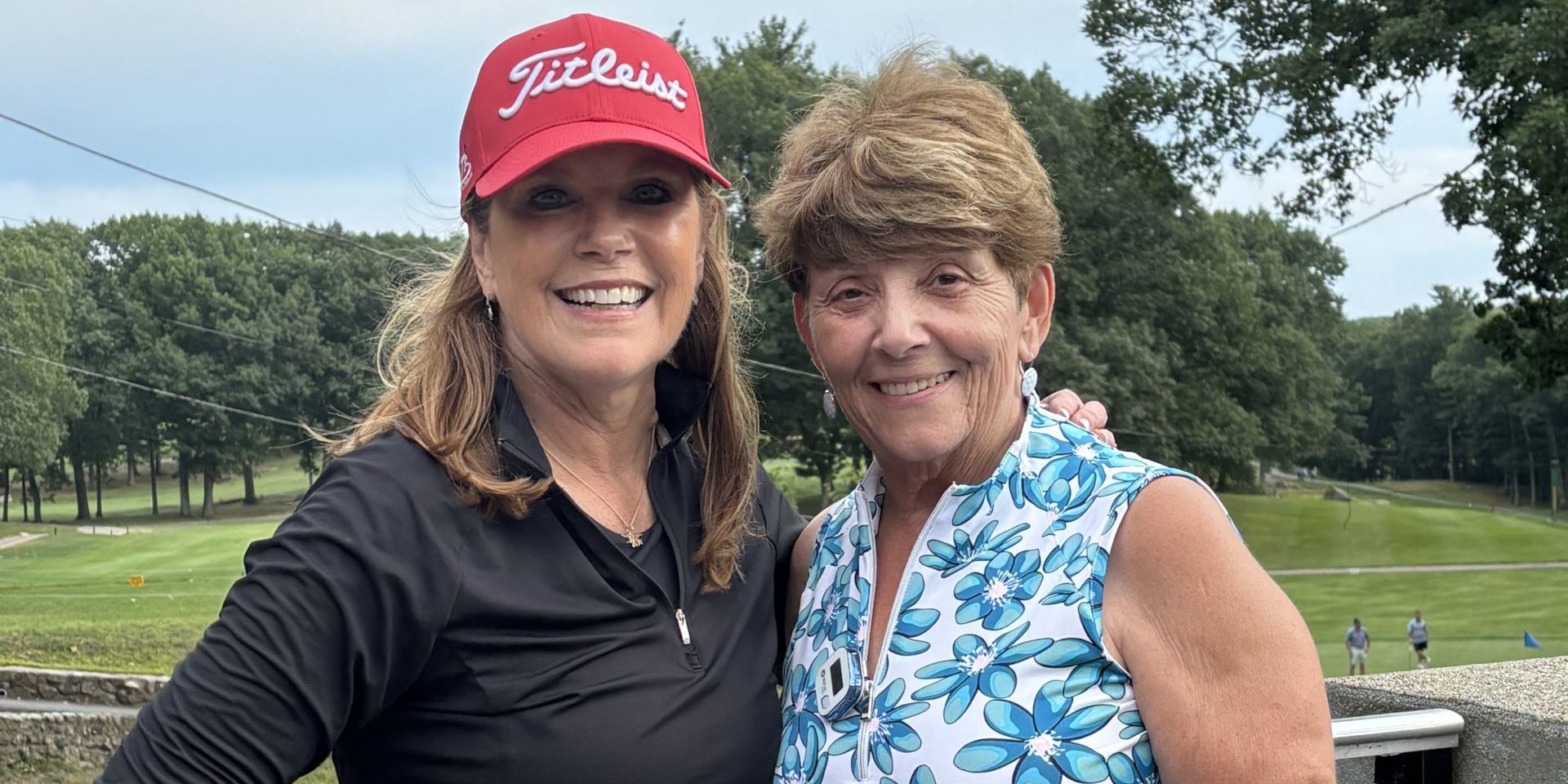
TOP OF THE FIELD

Della Piana: A new league of their own

Markey and Moulton state their cases

Lynn Tech football season nears

Classical’s Reynolds gearing up for college basketball

Police Logs: Aug. 2, 2026
Peabody Board of Health regulates kratom
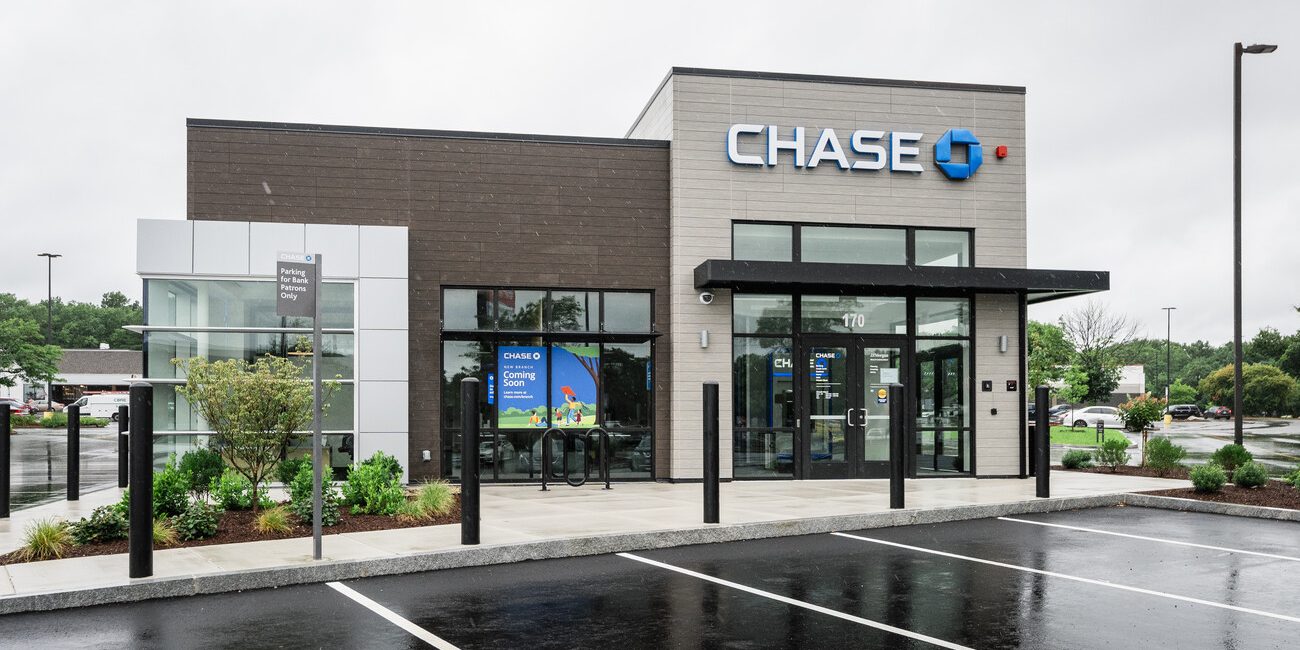
Chase Bank nears finish line in Saugus
Commentary: Why so many Latinos in the US are anti-immigrant
Commentary: We can’t fix America’s schools without data

LTTE: Ban the use of motorized vehicles from our Lynn Shore Drive walkway

Swampscott celebrates new police officers, promotions