


The North Fork real estate market is being reshaped not just by rising prices and shrinking supply, but by a fundamental change in what buyers want. Increasingly, they’re not shopping for houses. They’re shopping for compounds — properties large enough to hold multiple generations under one roof or across one piece of land. Grandparents. Grown children. Guests. Room to gather without stepping on each other.
What was once a niche request has gone mainstream, influencing everything from floor plans to pricing to who can compete for a shrinking number of listings. To understand what’s driving the shift — and where the market may be headed in 2026 — Times Review Media Group spoke with four of the North Fork’s trusted brokers: Jerry Cibulski of Century 21 Albertson Realty, Bridget Elkin of Compass, Melissa Principi of Douglas Elliman and Sheri Winter Parker of Corcoran.
Ms. Winter Parker recently closed on a Mattituck waterfront property for buyers who exemplify the multigenerational trend. “They grew up coming out here. Their parents or grandparents had a house, and they still do,” she said. “Now they want their own place nearby.” It’s an example of what she’s seeing across the market — a steady stream of what she calls “offspring buyers.” The most in-demand homes share common features: guest houses, accessory apartments, first-floor primary suites and layouts that allow privacy as well as togetherness.
“Multigenerational buying is very real,” Ms. Elkin said. “Buyers are looking for separate wings, multiple living areas, or acreage where everyone can gather without feeling on top of each other.”
Mr. Cibulski recently sold a Nassau Point waterfront home focused entirely on extended family needs.
“They specifically wanted space for kids and grandkids,” he said. “I’m getting more requests for a primary suite on the main floor and even a secondary primary suite — one for aging parents who can’t do stairs, one for the homeowners.”

Ms. Winter Parker describes buyers who want what she calls “mini compounds.” “People want usable living space inside, and land outside,” she said. “Room for a pool, maybe a tennis court. Space to host everyone.”
Ms. Principi recently designed, built and sold a three-acre property in Aquebogue at 41 Phillips Lane — a main farmhouse, guest cottage, pool house, tennis court and pond for a multigenerational family relocating from the West Coast.
“Homes are being designed as places where families can truly gather,” she said, “with luxury amenities and thoughtful layouts that create distinct zones — spaces where people can enjoy privacy while still coming together.”
She calls it “the evolution of the family compound concept that first took shape in the Hamptons.” That evolution includes a shift in buyer demographics. Ms. Principi is tracking former Hamptons renters turning into North Fork buyers.
“We’re seeing a major pivot of luxury buyers toward the North Fork,” she said. “Many were Hamptons luxury renters. High net worth buyers are circling with hopes of higher ROI and a lower point of entry than the South Fork.”
In 2025, Ms. Principi’s team closed nearly 30 transactions. Only one involved a full-time resident with children in the school district. The rest were second-home buyers or investors — many soon-to-be retirees from Nassau County, Westchester and New York City establishing a foothold before selling their high-tax primary residences.
The pool of buyers has expanded far beyond the tri-state area. Ms. Elkin has fielded calls from California house-hunters after the spate of recent natural disasters.
“Some have been affected by wildfires, or they’re concerned about future risk,” she said. “Many have children headed to school on the East Coast. The North Fork offers space, nature, strong schools and a calmer lifestyle, while still being accessible to major cities.”
For buyers weighing the North Fork against the Hamptons — where the median price climbed to $2.4 million in the fourth quarter, up 33% year-over-year — Ms. Winter Parker draws a clear distinction. “People that want to be on the North Fork want to be here,” she said. “The South Fork can feel like they have to be there. Here, it’s want rather than a need.”
The same budget stretches further, she said, and the lifestyle is quieter. “You can have a great house or a great piece of land for the same money. There’s still a lot of money here — it’s just understated.”

Mr. Cibulski, who’s been selling here for 21 years, frames it as a quality-of-life decision. “I go to these business trainings and see overdevelopment everywhere,” he said. “Then I come back here and you’ve got farm stands selling fresh eggs and produce. That sense of community — that’s what people fall in love with.”
Ms. Principi sees the spillover as intentional, not accidental. “Buyers are prioritizing lifestyle and experience more than ever,” she said. “The North Fork offers a lifestyle people genuinely value.”
That lifestyle helped lure buyers during the COVID pandemic and has only supercharged prices since. Corcoran’s fourth-quarter 2025 report shows the median price for a single-family home hit $999,000 — up 4% year over year. Inventory fell 22%, the lowest since the firm began tracking in 2019.
Sales rose 14%, though they remain below the long-term average, and nearly 60% of purchases were all cash. About 35% of sales in the fourth quarter closed above $1.5 million, up from 29% a year earlier.
Ms. Winter Parker expects the trajectory to continue.
“Incrementally, every year, values are ticking up,” she said. “People keep waiting for rates to drop. But by the time that happens, the house costs more. You can refinance later — you can’t redo the purchase price.” Properties priced correctly move fast. Ms. Principi reports her team averaged a 90% sold-to-list price ratio last year.
“Properties under $1 million sell in 60 days or less when buyers feel they’re getting good value,” she said. With nearly 60% of transactions all cash, financed buyers face stiff competition.
Turnkey homes and properties with character tend to spark bidding wars, the experts said.
“Second-home buyers make emotional decisions,” Ms. Elkin said. “They’re buying how it feels.” One unexpected trend: acceptance of properties on thoroughfares like County Road 25 and Sound Avenue.
“A lot more people are not afraid of being on the main road because you see people walking now — to vineyards, into town,” Ms. Winter Parker said. “The buyers coming are used to walking, especially if they’re from the city or Brooklyn.”
Over the past two years, 204 waterfront properties sold in Southold Township at an average of $1.8 million to $1.9 million — about 91.5% of asking price, according to Ms. Principi’s analysis. Average days on market: 103.
The catch? The typical North Fork waterfront home was built in 1970.
“It will likely be a waterfront fixer-upper,” Ms. Principi said, “which is what we specialize in.”
Still, demand for waterfront isn’t going anywhere. In 2025, the North Fork hit record sales for waterfront properties over $10 million — proof that high net worth buyers see value in the region’s water access even when renovations are required.
Adding to the pressure is a growing shadow market. “I’ve got a lot of private inventory,” Ms. Winter Parker said. “People want to sell quietly. They don’t want photos online or neighbors knowing.”
That creates a two-tier system: what’s publicly listed and what’s available only through agent networks.
“For someone just browsing Zillow, it looks like there’s nothing,” she said. “But if you’re working with a good agent, there’s more out there.” In such a tight market, relationships matter.
“Representation matters more than ever in a nuanced, inventory-constrained market,” Ms. Elkin said. “Pricing strategy, positioning and access to off-market opportunities can materially impact outcomes.” The supply problem, that won’t go away.
But even with a shadow inventory, the structural reality that separates the North Fork from nearly every other Long Island market is that supply will never catch up to demand.
“Preservation of farmland is keeping residential inventory very low,” Ms. Principi said. “We will not see large subdivisions or neighborhoods again. You must buy what is already here.” In other words, the North Fork isn’t just experiencing a temporary inventory squeeze. Agricultural preservation means the housing stock is essentially fixed. What exists today will for the most part exist tomorrow, save for a few new developments after an extended joust with the Southold Town Planning Board. “The North Fork still has so much runway before homes become overvalued,” Ms. Principi said. “But that window won’t stay open forever.” Buying opportunities for well under a $1 million still exist in the hamlets of Aquebogue and Jamesport. The Riverhead Town hamlets posted a median of $845,000. East Marion and Orient, at the other extreme, posted a median of $1.545 million. Mr. Cibulski notes that tax differences play a role.
“Riverhead Town property taxes are a little higher, so it’s keeping people in the Southold Township hamlets,” he said. Record sales, rising expectations.

Meanwhile, luxury sales continue to set records. The North Fork’s top residential sale last year was a 10,000-square-foot Cutchogue waterfront estate with 140 feet of bay frontage, which closed for $11.2 million, pushing the hamlet’s median price up 21% to $1.05 million.
Luxury extends beyond the water. Ms. Elkin’s team sold a 3,100-square-foot new construction on Park Avenue in Mattituck for $3.25 million, setting a new off-water price-per-square-foot record.
“Developers who go the extra mile with design and materials are being rewarded,” she said. “Cedar roofs, quality millwork, thoughtful layouts — buyers notice. They’re willing to pay for something that feels finished and special.”
Ms. Principi notes the enduring premium for the North Fork “farm-ranch” style.
“The popular North Fork ‘farm-ranch’ style home continues to hold long-term value and is commanding higher prices than ever,” she said.
As the spring 2026 buying season approaches, agents describe cautious optimism.
Buyer inquiries are steady. Mortgage rates, now hovering between 5.5% and 6.4%, are moving in the right direction.
Ms. Principi expects the market to heat up once the record brutal cold spell thaws and the snow melts.
“The North Fork market as a whole is still appreciating, driven by limited inventory, strong demand at the high end and spillover from nearby ultra-high-end markets,” she said.
For those ready to jump in, agents agree on one piece of advice: don’t wait for spring.
“The best summer decisions are made in the winter,” Ms. Winter Parker said. “If you love your house when it’s gray and cold, you’re going to love it in July.”
There’s less competition and more negotiating room, she added. The arctic blast also reveals how a house truly performs — from heating systems to drainage.
Mr. Cibulski said the fundamentals haven’t changed.
“The quality of life the North Fork offers has stayed consistent,” he said. “That’s what people are really buying.”
The post North Fork at a crossroads as real estate market reshaped appeared first on The Suffolk Times.
24World Media does not take any responsibility of the information you see on this page. The content this page contains is from independent third-party content provider. If you have any concerns regarding the content, please free to write us here: contact@24worldmedia.com
The North Fork real estate market is being reshaped not just by rising prices and shrinking supply, but...

The post Today’s page 1: 3-19-26 appeared first on Itemlive. Source...

SAUGUS — The Conservation Commission unanimously voted against the construction of a 20-foot high and...

All address information, particularly arrests, reflects police records. In the event of a perceived...

LYNN– A 16-year-old has been charged in connection with the October shooting death of Marie Molea, a...
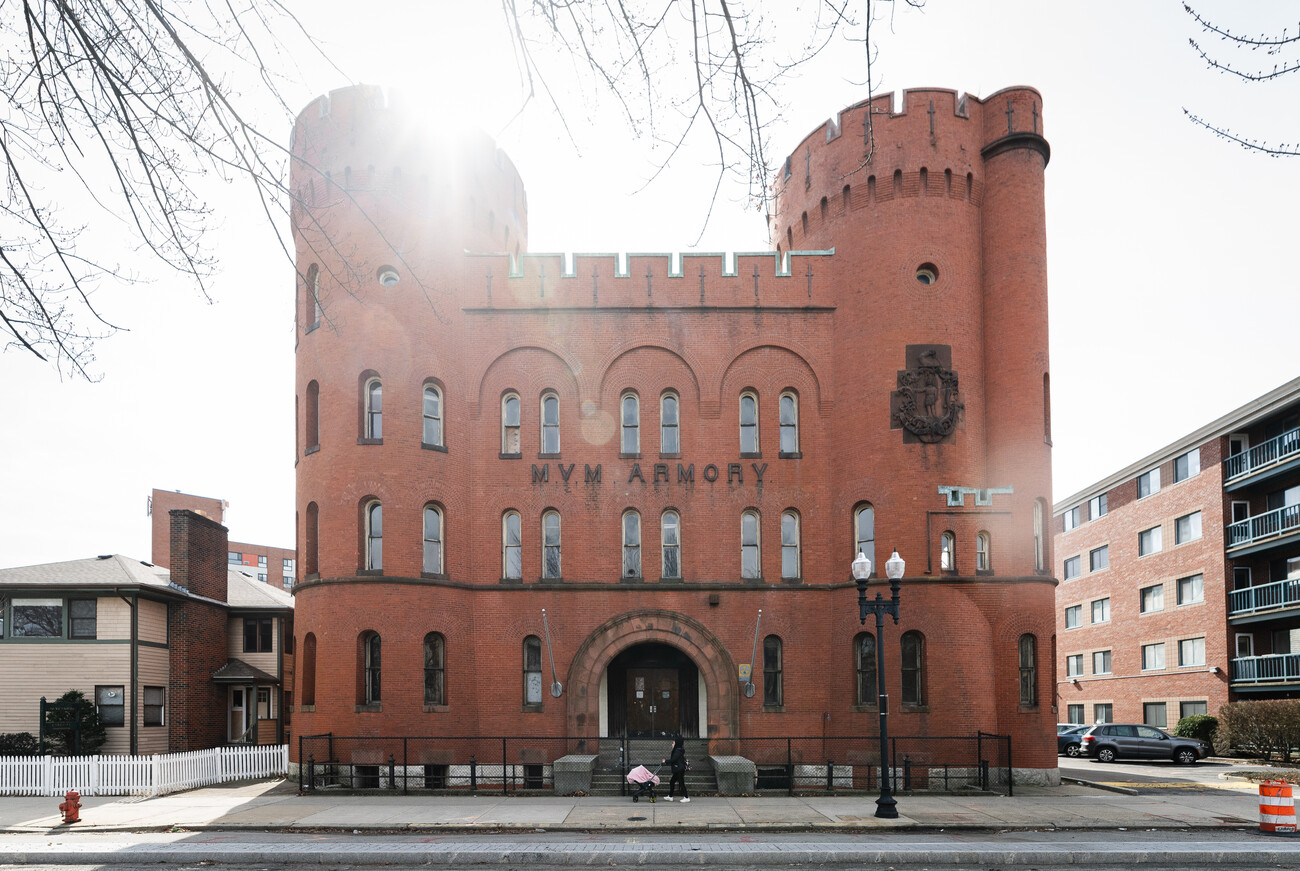
LYNN– The Affordable Housing Trust Fund Board has approved $200,000 towards the Lynn Housing Authority...

Lynn Auditorium receives $200,000 from state Gaming Mitigation Fund

Saugus students, families enjoy STEM night

St. Mary’s Rolky Brea-Arias caps off superstar season

Commentary: The war in Iran is beginning to grate on Donald Trump
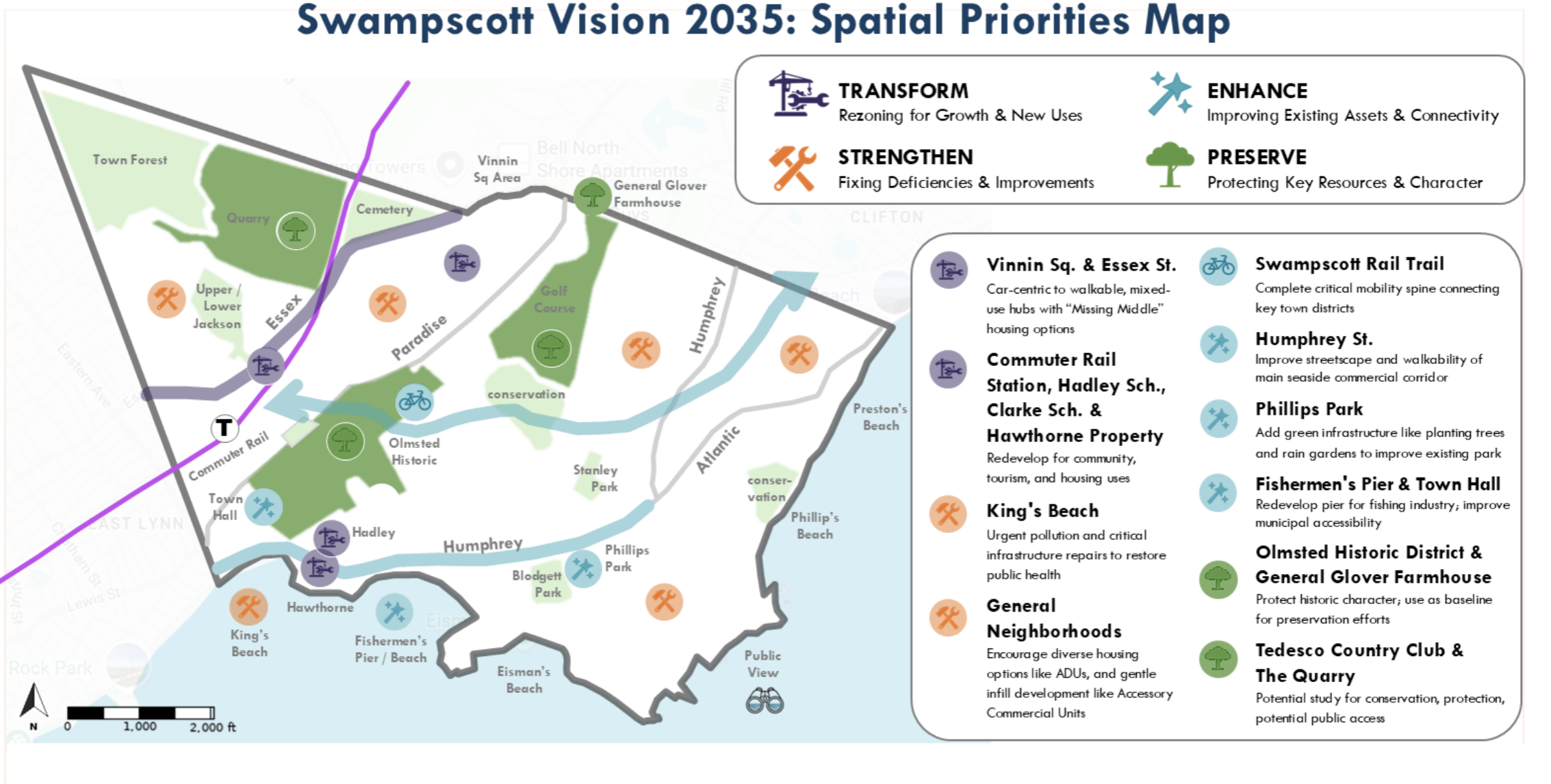
Swampscott sifts through 42 goals in its Master Plan
Commentary: War abroad, injustices at home and a theme running through it all

Boys & Girls Club of Lynn named Danielys Delgado 2026 Youth of the Year

2026 Imagine the Possibilities online auction now open
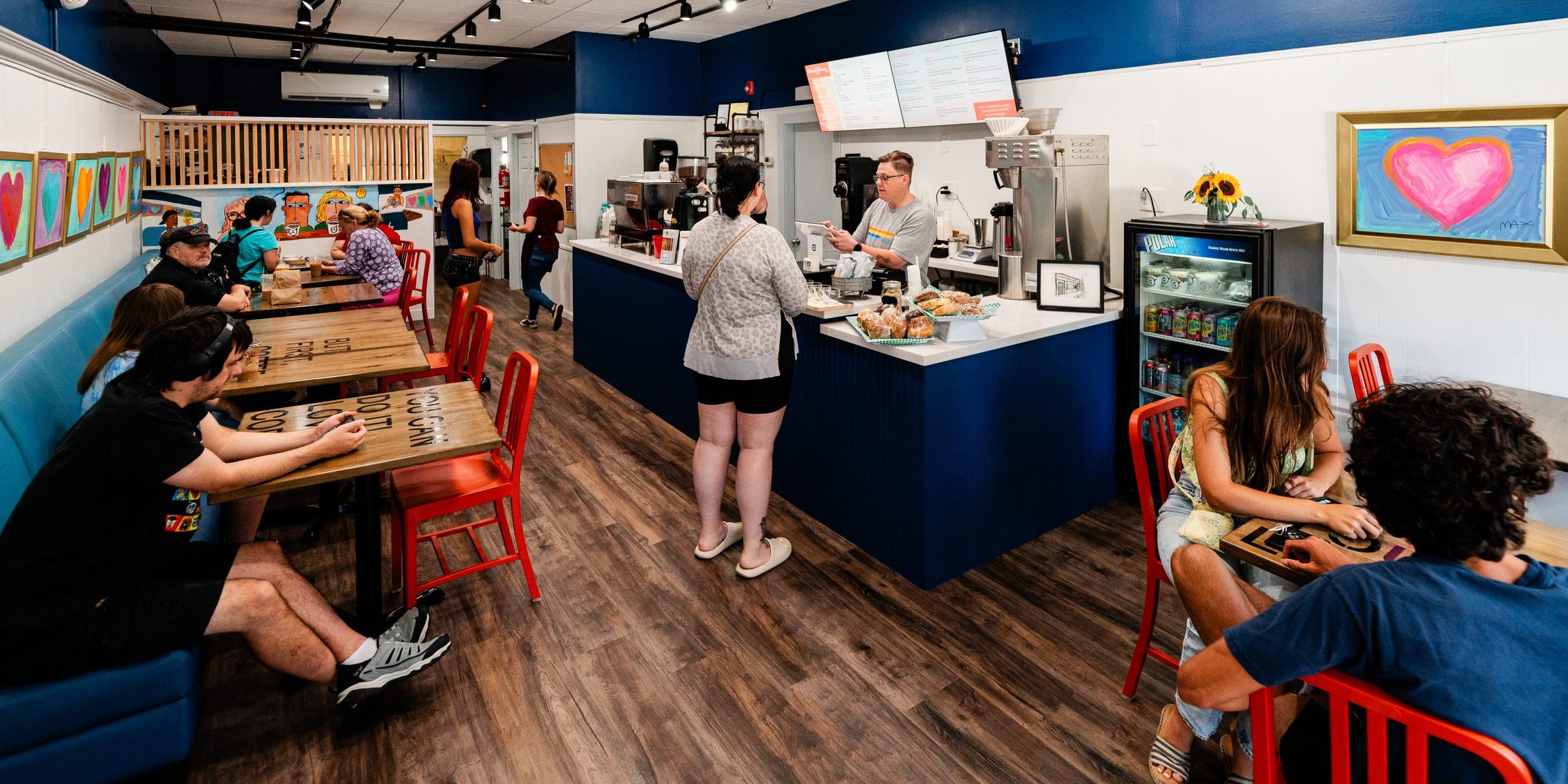
Breaking Grounds in Peabody breaking in new hours

Girls lacrosse team aims for county, state titles

Fire scorches Linden Street home

Lynn’s Bella Owumi named Gatorade Player of the Year in New Hampshire