

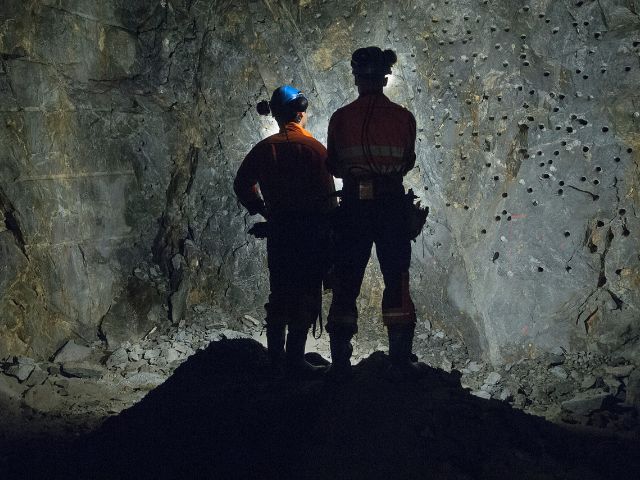
The mining industry is fraught with hazards, such as cave-ins, equipment accidents, toxic air contaminants, and noise pollution. Understanding how to protect worker safety in the mining industry is a regulatory requirement and a moral imperative. Managers in the mining sector can proactively establish a culture of safety that pervades every aspect of their operations with the advice below.
One of the most direct methods to enhance safety is by providing and strictly enforcing the use of appropriate personal protective equipment (PPE). Every worker should get PPE tailored to their specific role and the associated risks. Helmets, safety glasses, hearing protection, and respiratory devices are fundamental in guarding against head injuries, vision and hearing damage, and inhalation of harmful particulates. Furthermore, FR clothing for the mining industry could also be applicable, depending on the job. Managers must ensure that PPE is available and enforced in a nonnegotiable policy, with regular checks to maintain compliance and replace any worn-out gear.
Risk assessment is a critical step in preempting safety issues in the mining industry. Identifying potential hazards and implementing mitigation strategies can significantly reduce the likelihood of accidents. Safety training programs are instrumental in educating workers about these risks and the correct response protocols. Such programs should be comprehensive, ongoing, and reflect the latest safety standards. It is the responsibility of the managers to ensure these programs are implemented effectively and that all miners are competent in emergency procedures and the use of safety equipment.
Collaboration with metalworking services is vital to ensuring that the infrastructure within mines meets the highest safety standards. Partner with experts who specialize in creating durable and reliable steel structural components and who understand the intricacies of metalworking, such as how temperature affects the metal machining process. This due diligence ensures that the physical environment where miners work can withstand the rigors and potential perils of mining activities. Regular inspections, maintenance, and upgrades should be a joint effort between mining managers and metalworking professionals to address any risks associated with the degradation of infrastructure over time.
Incorporating the latest technological advances and innovations in the mining industry can greatly enhance worker safety. Wearables that monitor a miner’s health signs and environment, automated equipment, and communications systems are invaluable allies in safety management. Managers should stay abreast of emerging technologies, assess their applicability to their operations, and invest in those that promise substantial improvements in safety outcomes.
Protecting worker safety in the mining industry centers on the continuous and concerted efforts of managers to enforce safety protocols, educate their teams, collaborate with industry experts, and embrace technological advancements.
24World Media does not take any responsibility of the information you see on this page. The content this page contains is from independent third-party content provider. If you have any concerns regarding the content, please free to write us here: contact@24worldmedia.com

The post Today’s Page 1: April 25, 2026 appeared first on Itemlive. Source...

PEABODY — The City of Peabody has replaced its longtime alert provider with Peabody Alerts, a modern...

To the editor: This week, April 24 to 30, the world observes World Immunization Week with the theme...
To the editor: I’m writing to express my concern over Article 34, which Saugus will vote on at the May...

David M. Shribman NATIONAL PERSPECTIVE In other news … With great issues of war and peace swirling...

A brush fire broke out on the Lynn–Saugus line Thursday, causing both fire departments to respond when...

Roundup: Spartan Tournament off and running

Driftwood Garden Club plants seeds of community through annual sale

Police Logs: April 23, 2026
Road rage on the Lynnway

Lynn plans 44 units of supportive housing

Nahant Causeway is coming clean

Peabody’s NexMex moves to Lynn

Southold Town Board extends BESS moratorium to 2027 amid safety, zoning debate

Patriots escape as slow start burns Lynn Classical

Swampscott FinCom approves budget – Itemlive

An appreciation: Rick Ford pitched in

Saugus residents complain; FinCom listens