

As expected, the nor’easter brought a change to our local fisheries. The storm pushed the albies away and brought migratory striped bass into local waters. The arrival of these fish marks the start of the fall run.
These bass are spread across the Gut, the Race and the Peconics. While it’s still early, the initial impression these fish are making is giving anglers hope for a strong fall bass run, something we haven’t seen in a couple years. These fish are feeding on menhaden and sand eels, making three-way bucktail rigs, soft plastics and diamond jigs very effective. These fish have also occasionally pushed bait to the surface and created blitzes.
When fish are feeding on top they can be very picky, so fishing a smaller more finesse-styled bait like a swim shad or epoxy jig can make quite a difference.
With bass moving in and blackfish season approaching, October offers plenty of reasons to spend a day on the water. It also pays to leave the dock prepared for more than one kind of fishing. The recreational fall blackfish season opens Oct. 11 in the Long Island Sound region and Oct. 15 in the New York Bight region. October is an excellent month for bottom fishing on the East End, with blackfish, black sea bass and porgies offering a mix of hard fighting and great table fare. A day targeting these species is not only great fun but an effective way to fill your freezer before winter.
For blackfish, preparation starts with bringing the right setups. Rigs and jigs can be effective, but reading the conditions is essential to deciding which one to use. I recommend bringing a rod set up for each so you can adjust as the tide, wind or depth changes.
In shallower water with light current a jig can be deadly. I like a sensitive spinning rod with enough backbone to pull a fish away from the structure. You need to feel what’s happening to your jig. It starts with having contact with the bottom at all times. If your jig is getting swept around and you’re constantly having to let out line, not only does your jig lose effectiveness, but you may miss the most important bites of the day.
A larger blackfish will sometimes lift the jig off the bottom and swim away with it. That bite may feel different from the sharp taps anglers expect, and if you can’t feel the change, you can miss your opportunity entirely.
My general rule is only fishing jigs up to 2 ounces before switching over to rigs. Once you get heavier than a 2-ounce jig it becomes increasingly difficult for a blackfish to pick it up. If you find yourself tying on a jig heavier than 2 ounces, I recommend trying to fish a rig, which is especially effective in deeper water, or when wind and current make a jig difficult to control.
Green crabs and Asian shore crabs are my baits of choice. For rigs, I like a two-hook slider — also known as a Belmar rig — and a snafu rig. Both allow anglers to present a whole crab with two hooks. Fishing a whole crab may seem intimidating as first, but time and time again it proves an effective way to avoid shorts and trigger a bite from keeper fish.
Larger blackfish often look for a larger meal, and a whole crab can be just that. Of course, none of that tackle will do much good if you’re fishing the wrong bottom. Blackfish relate closely to structure. Boulder fields, wreck, and rock piles are all prime bottom for blackfish. Fishing a bare, sandy bottom for blackfish is about as productive as looking for them in your bathtub.
A blackfish spot doesn’t always produce immediately. Sometimes it requires time to get the fish going; other times a small adjustment of your anchoring position can make all the difference. If the first few drops are quiet, don’t be discouraged. Continue to drop fresh pieces of bait, if you don’t see any improvements try letting out a few feet of anchor line.
Of course don’t spend all day on a spot that isn’t productive, but don’t deem it lifeless before putting the proper time and effort in. Even when bottom fishing is the main plan, I always recommend having a casting rod ready. Striped bass and false albacore move around considerably in the fall, and a surface feed can appear while you’re occupied with something else. A rod with a bucktail or epoxy jig tied on gives you a chance to capitalize on that opportunity.
These feeds often do not last long. By the time you find a lure, tie it on and get ready to cast, the fish may already be gone. Having a rod you can simply pick up and cast makes a huge difference.
That is part of what makes October fishing on the East End so enjoyable. You can spend the morning building a blackfish bite over a piece of structure and suddenly find yourself casting at bass feeding nearby. Bring the gear to do both, let the conditions guide your approach and give yourself time to work a spot.
The fall run is getting underway, and there is plenty to be ready for.
The post Gone fishing: Preparing for fall fishing appeared first on The Suffolk Times.
24World Media does not take any responsibility of the information you see on this page. The content this page contains is from independent third-party content provider. If you have any concerns regarding the content, please free to write us here: contact@24worldmedia.com
Southold’s long-running effort to regulate Airbnb-style rentals — amid the North Fork’s...

LYNN – North Shore Community College (NSCC) announced on Tuesday that Dr. Geofrey T. Mills has been...

SAUGUS — Two decomposed bodies were found in a tent off Route 1 on Sept. 20, both in advanced states of...

NAHANT – The Community Preservation Committee met on Monday night to discuss its current draft of the...

PEABODY — Mayor Ted Bettencourt has vetoed a proposed city-wide snow-removal ordinance, citing concerns...

LYNNFIELD — A high-pressure 8-inch main gas line was hit at 9:06 a.m. Tuesday morning on Lowell Street...

Today’s page 1: 10-7-26

Commentary: Test-optional colleges are seeing the consequences of ill-prepared students

“A Super Conversation” returns for 2026-27 school year

High school roundup: Team effort lifts Saugus
Athlete of the Week – KIPP Academy’s Aavian Peña

Police Logs: Oct. 5, 2026
Swampscott looks to keep commercial fishing afloat

MIAA POWER RANKINGS (local)
Lynn, Marblehead, Nahant, Swampscott cash in
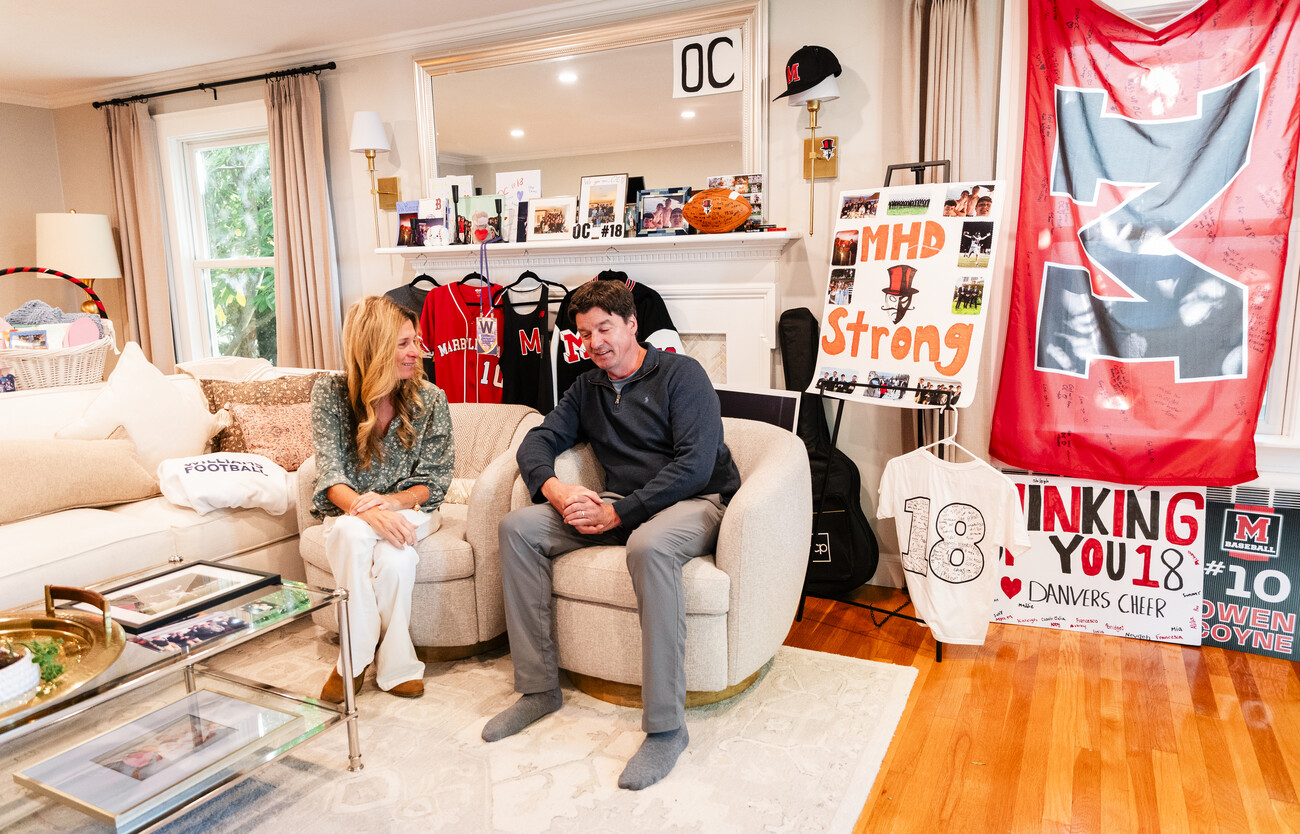
Owen Coyne remembered: No. 18’s legacy lives on in Marblehead

Lynn celebrates Hispanic Heritage Month

Commentary: Defending the Constitution is a year-round responsibility