

Give the Suffolk County Water Authority credit: It listened.
It listened at last enough to recognize that digging up Sound Avenue for its massive North Fork pipeline was a lousy idea.
The revised plan sends the 7.5-mile transmission line north along County Route 105 and then east beneath Main Road/State Route 25, away from the historic Sound Avenue corridor that anchors Riverhead’s agricultural and tourism economy.
That is real progress. But SCWA announced this encouraging change in the most discouraging way possible: Riverhead Supervisor Jerry Halpin and Southold Supervisor Al Krupski learned about it through the authority’s press release.
After years of controversy, public hearings, dueling legal findings and an ongoing court battle with Riverhead, SCWA still treated the two towns most affected by the pipeline as interested bystanders.
That is no way for a regional public authority to carry out what it calls the largest single infrastructure project in its 75-year history.
SCWA says the new route reflects comments gathered during public scoping sessions last year. If so, it validates what local officials and residents have argued from the start: Their scrutiny was not needless obstruction. It produced a better project.
Sound Avenue was an especially poor place to trench a 24-inch water main. It is narrow, already overwhelmed during the busiest tourism months and vital to farms and businesses that cannot afford prolonged disruption.
However, moving the pipeline off Sound Avenue does not eliminate the traffic threat. It may simply move it.
Anybody who regularly drives Route 25 knows the frustration of long backups caused by one car trying to make a left turn. There are few practical detours along long stretches of the road, which narrows to one lane in each direction while carrying residents, workers, school buses, ambulances, fire trucks, deliveries and customers through Aquebogue, Jamesport and Laurel.
Now SCWA proposes installing a 24-inch transmission main beneath Main Road while promising to avoid major disruptions during the peak summer and fall seasons.
More troubling, the state Department of Transportation told SCWA in April that the original route would have “less impact on the public and traffic” than the Main Road alternative. DOT said two-way traffic must be maintained or construction performed at night. It also warned that some shoulders may be unsuitable for diverted traffic and that disturbed concrete road panels would have to be restored across their full width.
Those are not minor details. Before boasting that the new route will keep community impacts to an “absolute minimum,” SCWA should release a segment-by-segment plan covering working hours, lane closures, business access, emergency routes, detours and responsibility for restoring the highway.
Riverhead is more than a patch of ground separating SCWA’s existing water system in Flanders from the Southold customers it wants to serve.
SCWA sued Riverhead to advance the project but has not explained how the new route affects that case or what guarantees it will provide residents enduring the disruption.
Southold residents would receive the water, but town officials question whether the project should advance before the region fully understands its groundwater supply and how much conservation could reduce demand.
SCWA makes a compelling case that the North Fork faces legitimate water problems. Its shallow aquifer is vulnerable to contamination and saltwater intrusion, while summer irrigation strains the system. Ignoring those problems would be irresponsible. So would treating a pipeline as a substitute for conservation. New capacity without meaningful limits on wasteful use merely buys time at tremendous expense.
The pipeline also carries a broader planning concern: What happens when far greater water capacity reaches communities without a corresponding expansion of sewage treatment?
Public water can remove one obstacle to development. It does not make the resulting wastewater disappear.
SCWA argues that existing zoning and septic restrictions would prevent the pipeline from increasing allowable density, including along a possible future extension toward Orient. Yet the system was sized to accommodate projected connections through 2050, including those created by future development.
That deserves more than a passing assurance. If this enormous expansion will meet existing needs without driving additional development, SCWA should demonstrate how.
Then there is the price. SCWA estimated the original first phase at $35 million but has not disclosed an updated figure. Ratepayers deserve to know whether this shorter, faster and supposedly less disruptive plan will also be cheaper, or whether another surprise is waiting down the line.
SCWA may have found a better path across the North Fork. But if it believes changing the route washes away the legitimate concerns of the communities in its path, the authority is all wet.
The post Editorial: SCWA’s better route still leaves North Fork swamped appeared first on The Suffolk Times.
24World Media does not take any responsibility of the information you see on this page. The content this page contains is from independent third-party content provider. If you have any concerns regarding the content, please free to write us here: contact@24worldmedia.com
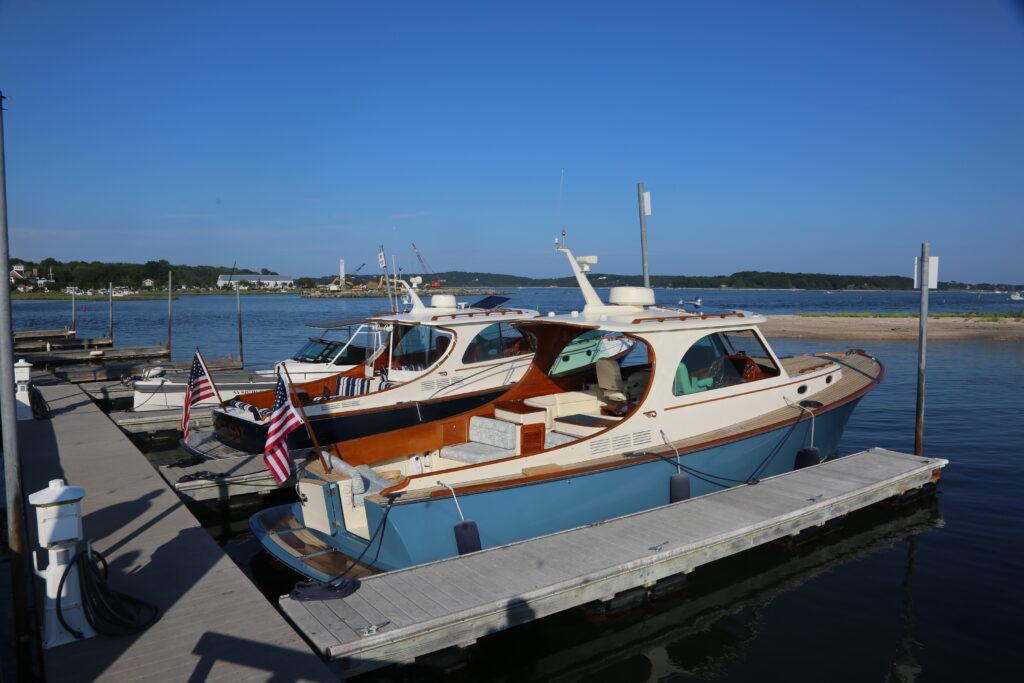
Hinckley and Port of Egypt Marina celebrated their new partnership Friday, uniting two maritime...

The post Today’s Page 1: August 1, 2026 appeared first on Itemlive. Source...

LYNNFIELD — When it comes to gym routines and fitness, Thomas Ackerman is no stranger to hard work. The...

LYNN — A little more than a year ago, Lynn’s Bella Owumi made the decision to transfer from St....

Aldrich Sports will rally behind Cutchogue’s Jovan Booker and the U.S. national amputee soccer...
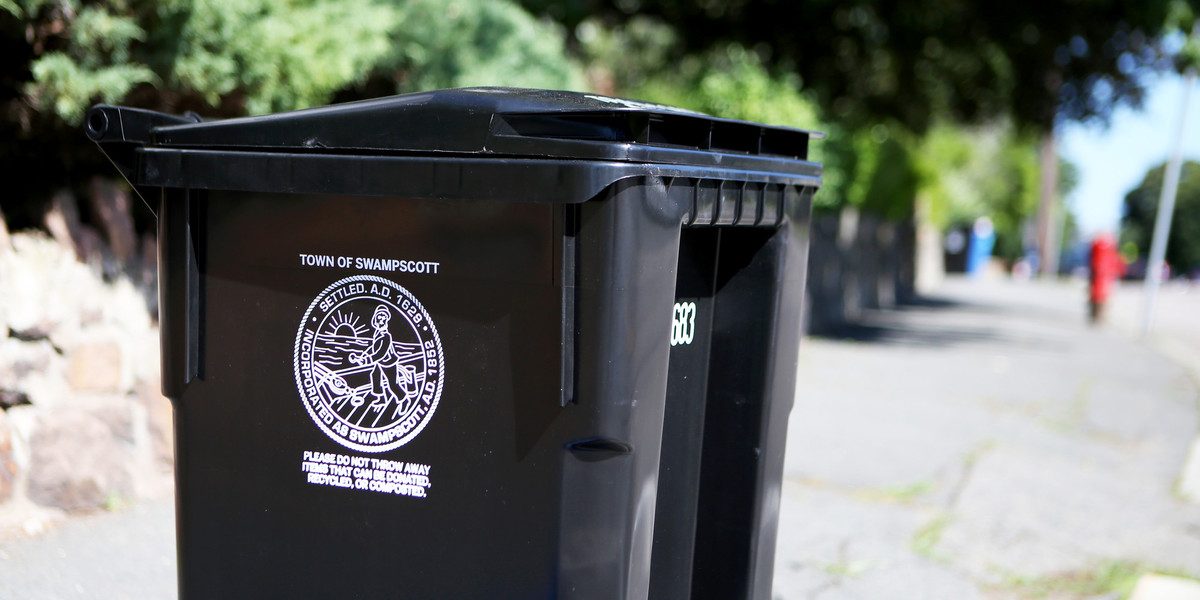
SWAMPSCOTT — New recycling carts are hitting the curbs across Swampscott as the town enters the final...

Malls evolve as consumers seek experiences

Commentary: ‘The Odyssey’ isn’t real, but American diversity is

Police Logs: July 30, 2026

Trainor family sues Saugus’ Tribu for $20 M

Superintendent announces principal appointments – Itemlive

Massachusetts Senate approves journalist shield protections for first time

Beyond Walls to launch six downtown Lynn murals
Shribman: New Hampshire won’t go quietly into third place
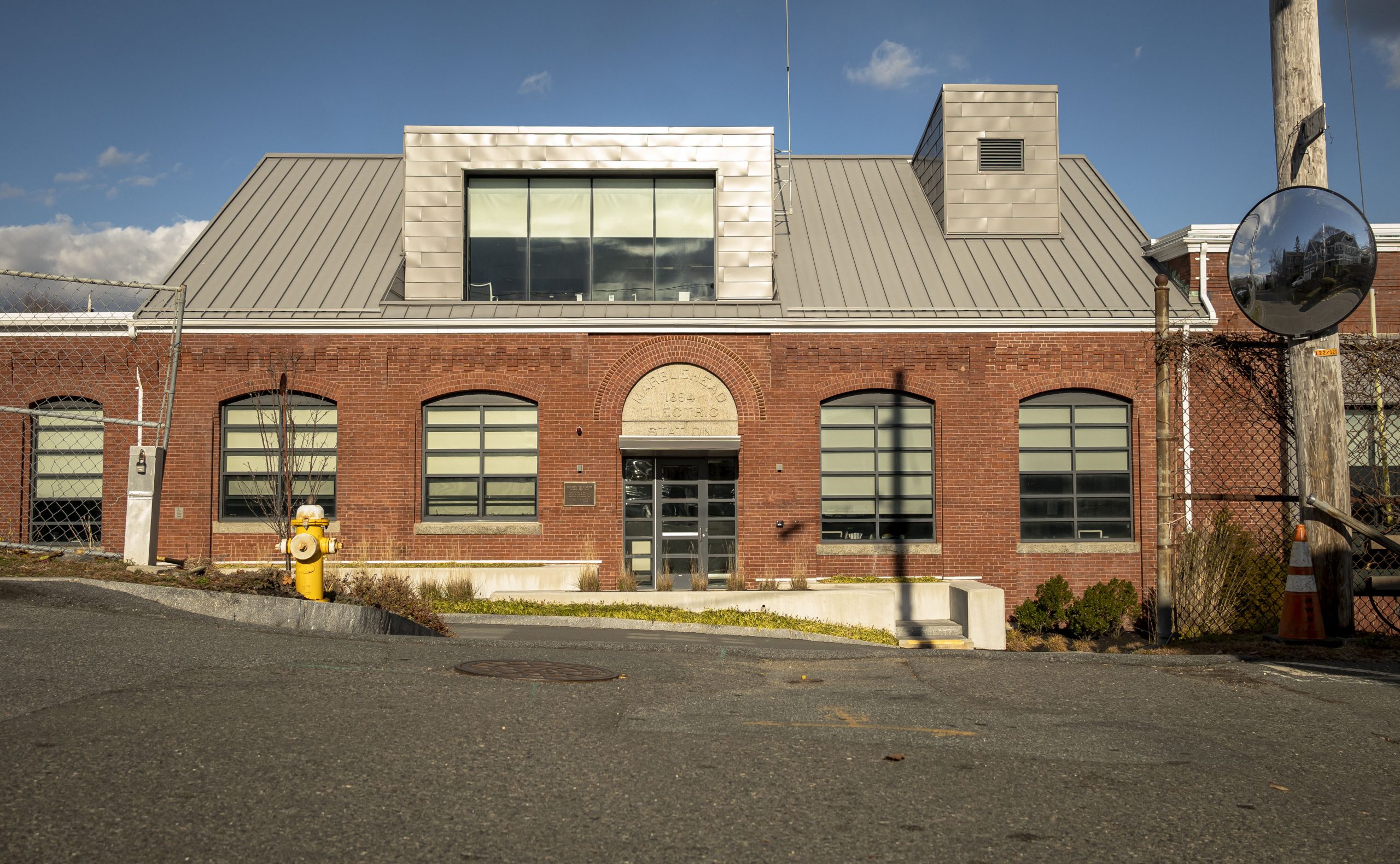
Marblehead audits energy distribution – Itemlive

Lynn Senior Center celebrates expansion

Greenport children’s shop The Goose gives Elkin daughters an early lesson in business

Today’s page 1: 7-31-26