

Many people own second homes on the North Fork that, in the right circumstances, can be used to make gifts and reduce the portion of their estate subject to estate tax.
With the high 2026 federal estate and gift tax exemption ($15 million), no New York State gift tax, and the high 2026 New York State estate tax exemption ($7.35 million), gifting assets to loved ones may not be top of mind. However, tax laws can change with shifts in political power, and governments around the world have increasingly scrutinized estate planning techniques. Given this uncertainty, it may be worth considering lifetime gifting to reduce the size of your estate.
Gifting can be more challenging if you have limited liquid assets or need your available cash and securities to maintain your lifestyle. In those circumstances, using a residence for gifting purposes may be worth considering.
The house trust structure
A Qualified Personal Residence Trust, often called a QPRT or “house trust,” is one way to gift your home, continue to enjoy its use and potentially reduce your estate tax burden. When you transfer a personal residence — usually a vacation home, but sometimes a primary residence — to a QPRT, you retain the right to live in the home rent-free for a specified period. That retained right reduces the value of the taxable gift made to the trust.
You choose the length of the rent-free period, and when that period ends, the house passes to the beneficiaries named in the trust, typically your children or a trust for their benefit. At that point, you may continue using the home only by paying the children or the trust fair market rent, as discussed below.
Value of the gift
Because you retain the right to use the house for a specified period, the value of the gift is not the full value of the house transferred to the trust. Instead, the gift is equal to the value of the house transferred to the trust, reduced by the value of your retained right to live in the house rent-free for the specified period.
The value of your retained right is determined using actuarial tables and interest rates published by the Internal Revenue Service. The longer you retain the right to live in the house, the lower the value of the gift. Similarly, the higher the interest rate, the more your retained right is worth, thereby reducing the size of the gift and the amount of federal estate and gift tax exemption you need to use.
Income tax considerations
If the QPRT is structured as a grantor trust for income tax purposes by giving you certain powers, you, as the trust grantor, are responsible for the trust’s income tax liability. Because the rent you pay to the trust is treated as a payment to yourself for income tax purposes, the rent payments do not create taxable income. In effect, paying rent to the trust is like making an additional gift to the trust without using any of your federal gift and estate tax exemption.
House trust in action
As an example, Barbara, age 78, and Harry, age 80, own real estate assets totaling $25 million. They want to use their Cutchogue house to make a gift to their children. The fair market value of the house is $4 million.
In July 2026, Harry and Barbara created a QPRT, transferred title to the Cutchogue house to the trust and retained the right to use the home rent-free for seven years. Under IRS tables, the value of their gift to the trust is $2,805,108 because the IRS determines their retained seven-year interest is worth $1,194,892. If their retained term were only three years, the value of their gift would increase to $3,435,680.
At the end of the seven-year period, when the house is worth $8 million, Barbara and Harry’s trust provides that the house will remain in trust for the benefit of their children. Upon the death of the survivor of Barbara and Harry, the trust terminates, and the interest in the house passes equally to their children.
Until the survivor’s death, Barbara and Harry rent back the house and pay fair market rent to the trust, which is equivalent to making additional tax-free gifts to the trust and, ultimately, to their children. The appreciation on the Cutchogue house will also escape gift and estate tax.
Caveats
A QPRT can be a valuable estate planning tool, but the following caveats should be considered carefully:
A Qualified Personal Residence Trust can be a powerful estate planning tool, but the caveats should be carefully considered before proceeding. Your estate planning lawyer can review the advantages and disadvantages with you and help determine whether a QPRT is appropriate for your particular situation.
Patricia Marcin is a partner at Rivkin Radler LLP, where she concentrates in trusts, estates and tax law.
The post Guest Column: When it makes sense to gift your house appeared first on The Suffolk Times.
24World Media does not take any responsibility of the information you see on this page. The content this page contains is from independent third-party content provider. If you have any concerns regarding the content, please free to write us here: contact@24worldmedia.com
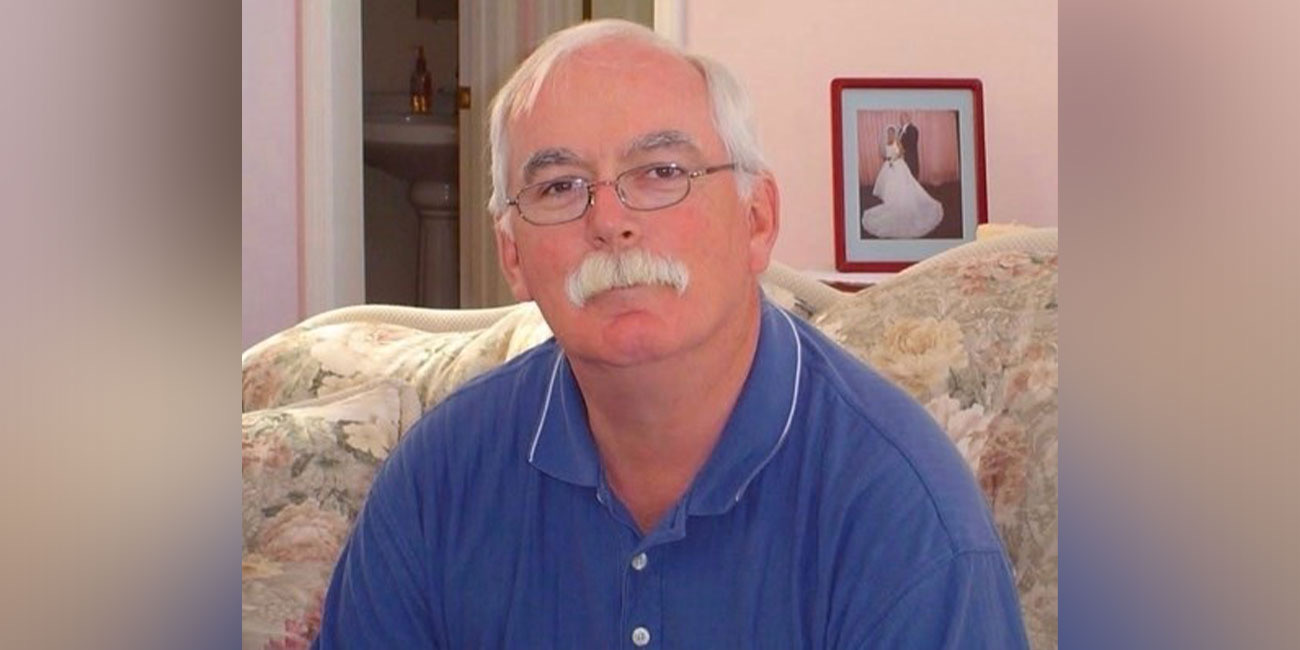
Start talking about pioneers in the long history of hockey in Lynn and the name that will come up...
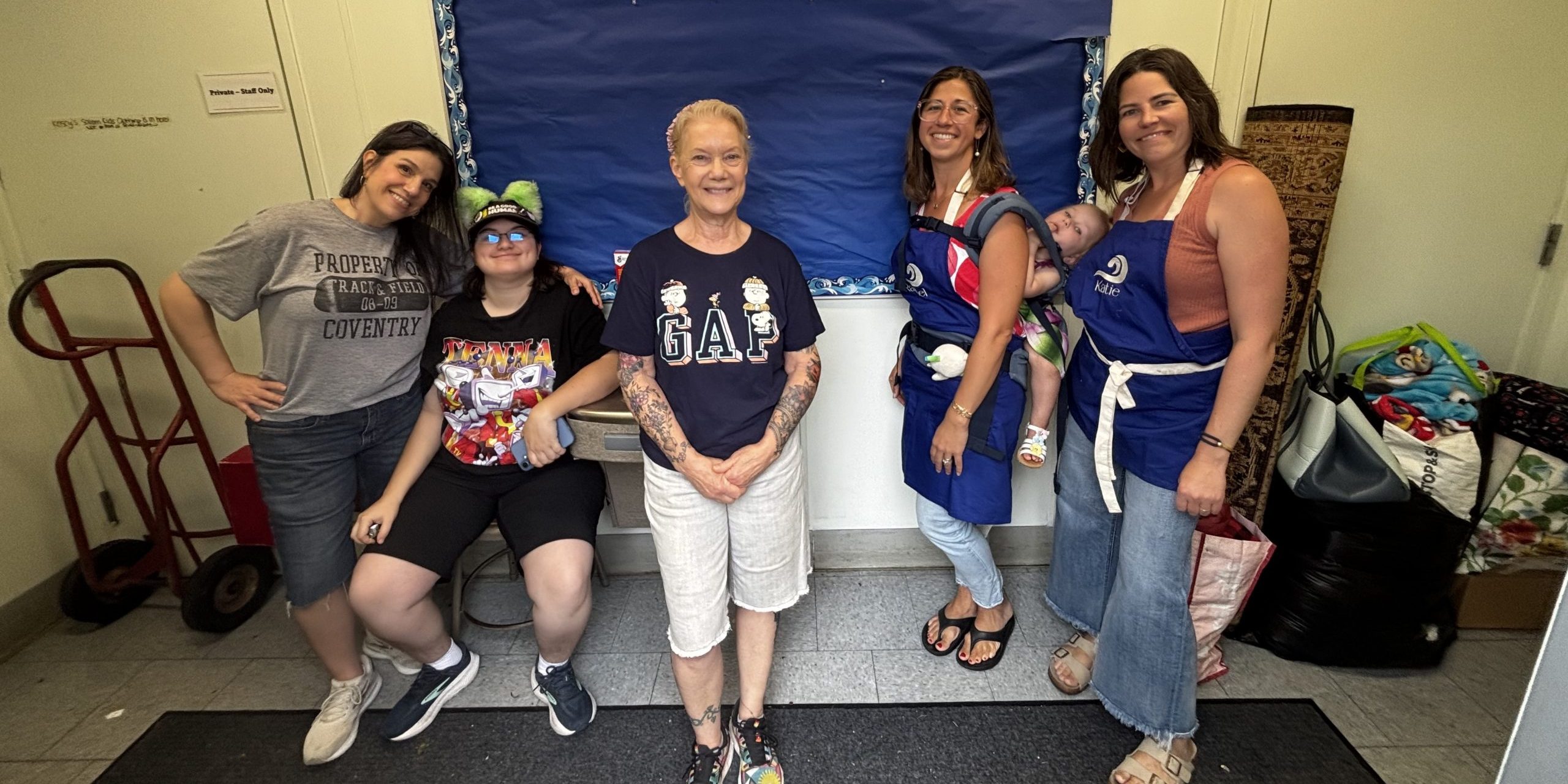
SWAMPSCOTT — Shoppers streamed into Big Blue Bargains Saturday morning looking for clothes, toys,...

SAUGUS — Lt. Damian Drella, who served as a member of the Saugus Fire Department for 39 years, died on...

All address information, particularly arrests, reflects police records. In the event of a perceived...

The post Captains of the ship appeared first on Itemlive. Continue reading — subscribe to unlock the...

LYNN — When first-year head coach Marcus Taylor and his KIPP Academy Panthers run onto Salem’s...

Cutchogue chicken barbecue returns home for 69th year
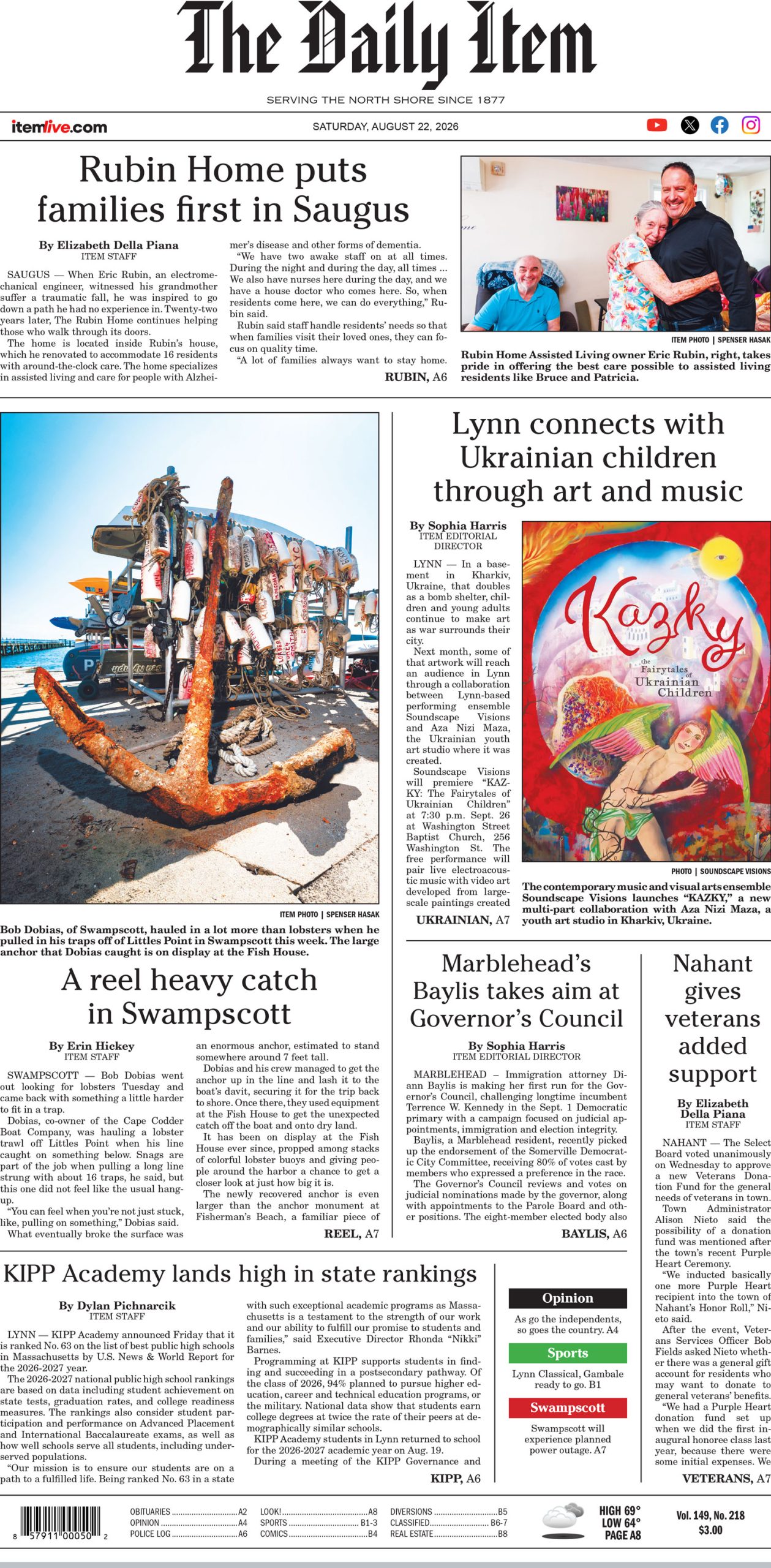
Today’s Page 1: August 22, 2026

Tom Wickham explores centuries-long connection to North Fork in annual lecture series
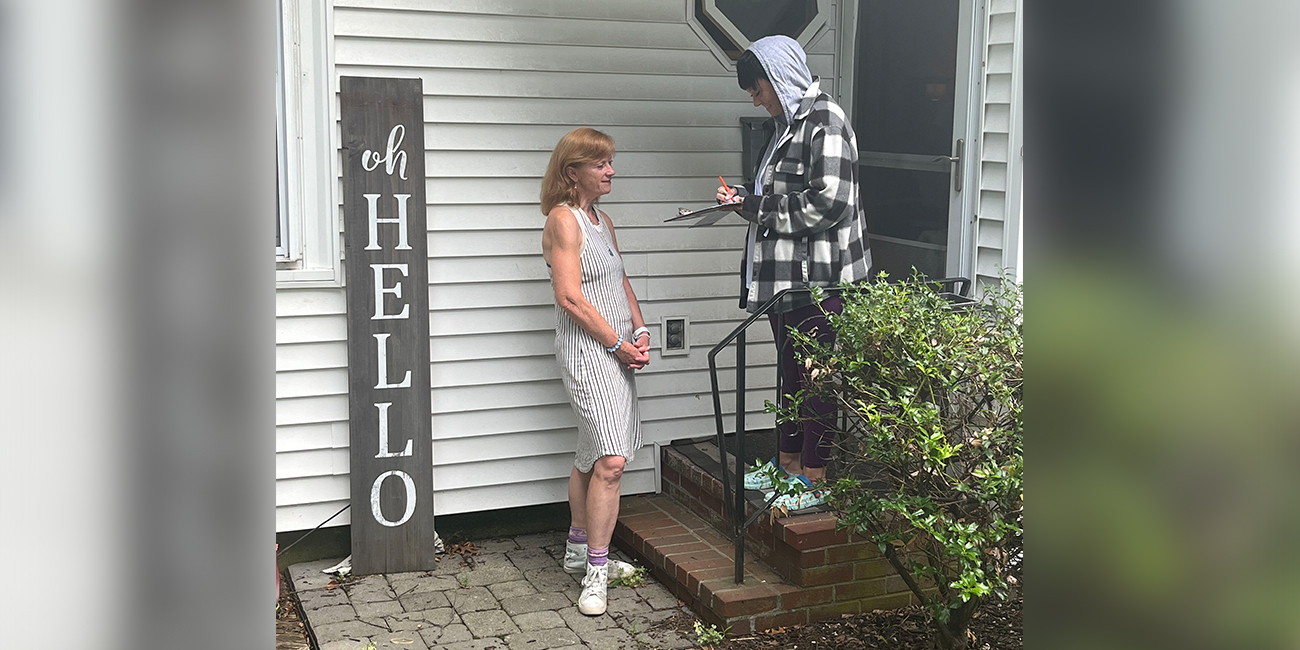
Marblehead’s Baylis takes aim at Governor’s Council
Swampscott will experience planned power outage

Rubin Home puts families first in Saugus

KIPP Academy lands high in state rankings

Lynn connects with Ukrainian children through art and music

Letter: We support Diann Baylis for Governor’s Council

Letter: I support Dr. Mariah Lancaster for Congress
Letter: I’m voting for Jamie Zahloway Belsito
Police Logs: Aug. 20, 2026