

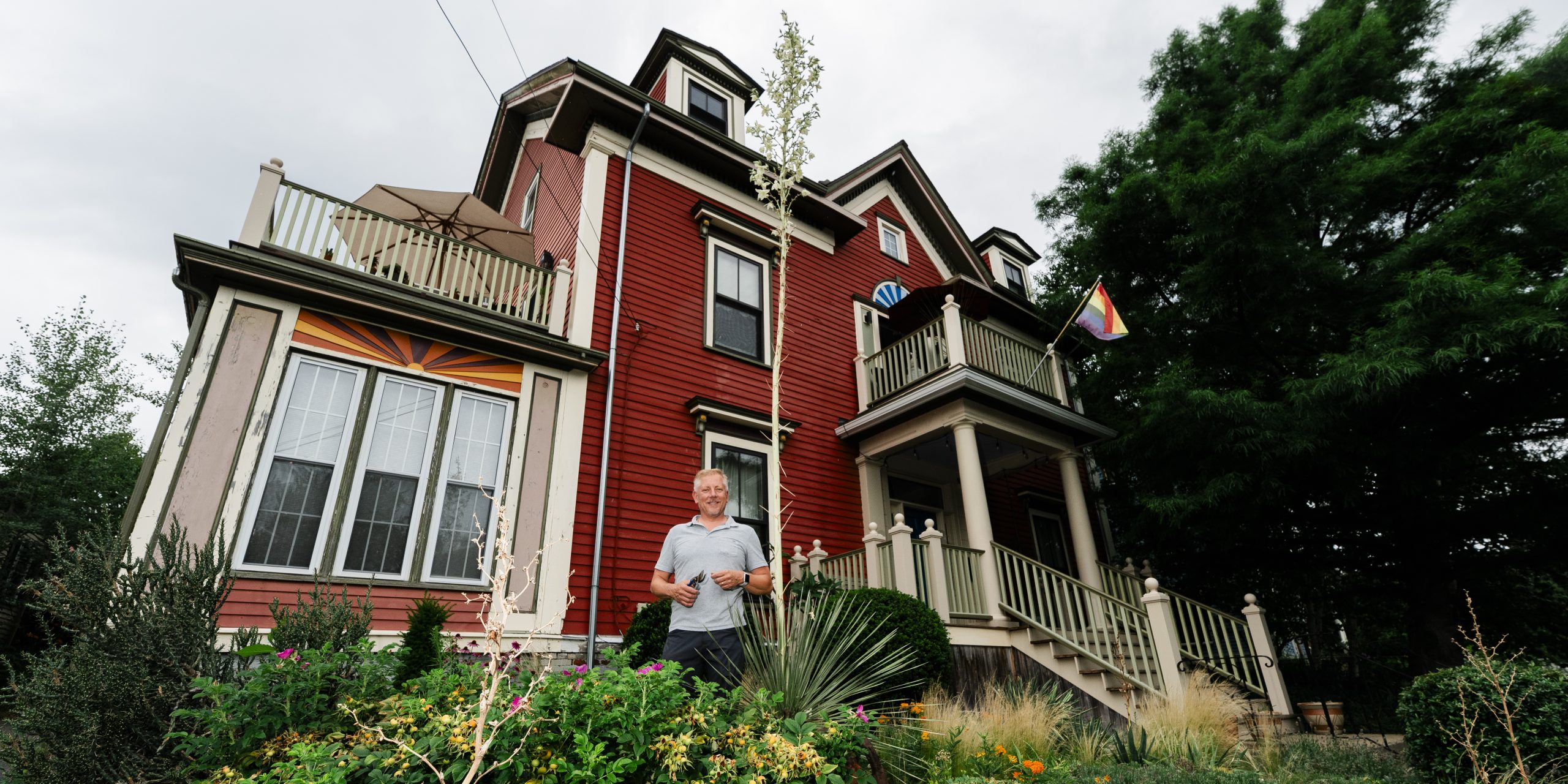
LYNN — Some plants are native to the Northeast; others, like the yucca, are not, yet one grown by a resident has thrived so much it looks almost like a Truffula tree out of “The Lorax.”
A spiky green bush with leaves as sharp as knives, and a stalk rising from the middle of the plant with small white flower blossoms, takes center stage at the Smiley household.
Ted Smiley has been tending his garden for more than two decades, but his garden doesn’t resemble the perennial landscapes common in the Northeast. Instead, it mimics the Southwest.
Growing up on his grandparents’ flower farm, Smiley grew a deeper respect for plants that can withstand intense dry conditions and require little upkeep. The idea to recreate the Southwest on his front lawn, however, came when he moved to his home in Lynn.
“When we got the house back in the ’90s, there was grass, but it was brown because it’s so hot and so dry, and it was impossible to keep the grass alive,” Smiley said. “So I thought, here’s my chance to grow some cactus and test. I was interested at the time in testing things and seeing what is not hardy up here so that I can push the limits and see what can grow.”
Those limits have been pushed so far that the rare Yucca rostrata that he has been tending to for more than 20 years has skyrocketed over more than 15 feet tall with ethereal-looking white blossoms.
“I look out the second-floor windows, and you see the flowers right there,” Smiley said. “It’s so weird.”
Every morning, Smiley wakes up to a postcard-worthy garden full of cacti and succulents that are native to the Pacific Coast and Southwest. The yucca plant has taken center stage on Smiley’s front lawn, getting the most amount of possible sun rays, he said.
“I placed it there with that in mind, because where it’s located it probably gets the most sun of anywhere on the property,” Smiley said.
Smiley took it upon himself to dig up his entire front lawn and replace the soil with sand and rocks, re-creating the natural drainage system that allows the plant to thrive in the ground.
“There’s no wet soil, full sun, a lot of heat, and the gravel that I used on the ground helps absorb the heat and creates this miniature desert, which is what I was aiming for,” Smiley said.
The yucca genus is actually in the lily flower family, which results in them being extremely hardy in cold and heat resistance, according to Arthur Scarpa, the founder of the Cactus and Succulent Society of Massachusetts.
In more than 60 years of growing cacti and succulents, and more specifically growing yuccas for 30 or so years, Scarpa has never seen a Yucca rostrata anywhere north of Philadelphia.
Like Philadelphia, Lynn has a hardiness zone of seven, making it slightly warmer in the wintertime, Scarpa said, and for the rostrata species, they take decades to mature to the point of blooming as Smiley’s has.
“It’s so slow growing that if you’re lucky, you buy one as a kid and it grows six feet by the time you’re retired… that’s doing pretty good,” Scarpa said. The difference in this situation is Scarpa has never seen a rostrata grow north directly in the ground.
He believes that Smiley has struck gold with the plant and it’s deserving of a prize.
“If it’s surviving in Lynn, he’s got a winner,” Scarpa said.
Scarpa said most species are native to areas like Mexico, but yuccas can thrive in the Northeast, such as the species Adam’s Needle (Yucca filamentosa). The rostrata species, however, is native to the mountainous cold areas in the southwest, like Colorado and New Mexico, he added.
Scarpa believes that microclimates, which are areas where the temperature, wind, and humidity differ from the rest of the surrounding region, could explain why the yucca has grown so successfully. However, in an area in Lynn, close to the coast, it’s rare to see the Yucca rostrata species thrive in a humid and moist environment, even with the heat surge this summer.
The best guess Scarpa has is the plant’s natural drainage system Smiley created with rocks and sand.
“He’s obviously got the perfect situation there,” Scarpa said.
Smiley said that his favorite part about having the yucca is not only the funky shape but how it contrasts with the surrounding cacti and succulents he’s planted around it.
“I just like looking at it, and for a moment, if you look, it takes you to your favorite spot in the Southwest… It’s kind of like looking at a picture to me,” Smiley said.
24World Media does not take any responsibility of the information you see on this page. The content this page contains is from independent third-party content provider. If you have any concerns regarding the content, please free to write us here: contact@24worldmedia.com

All address information, particularly arrests, reflects police records. In the event of a perceived...
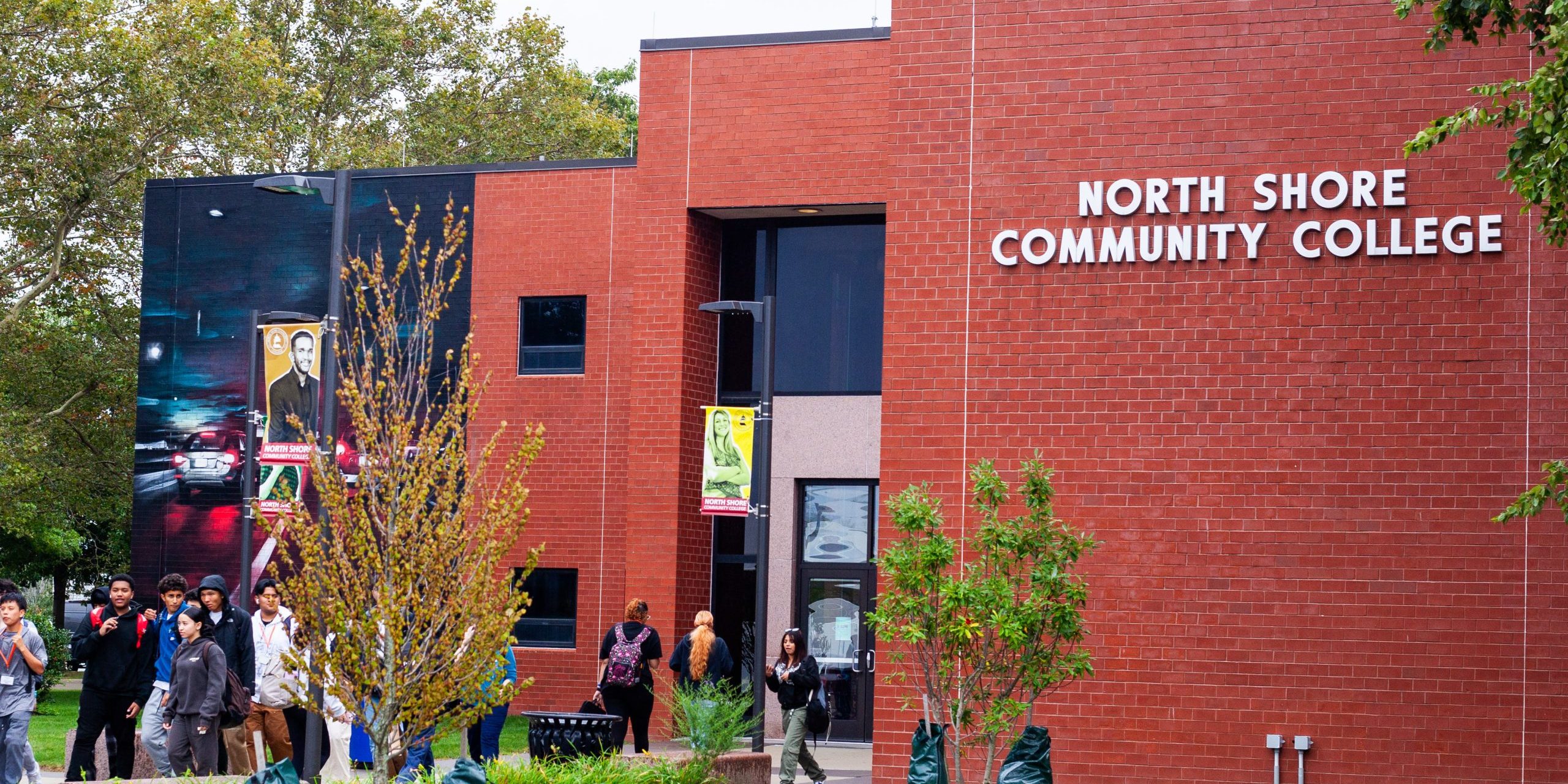
LYNN — North Shore Community College has launched a new initiative to create pathways of success for...
LYNN — Creating a safe space for women to call attention to issues that are a widespread struggle in...
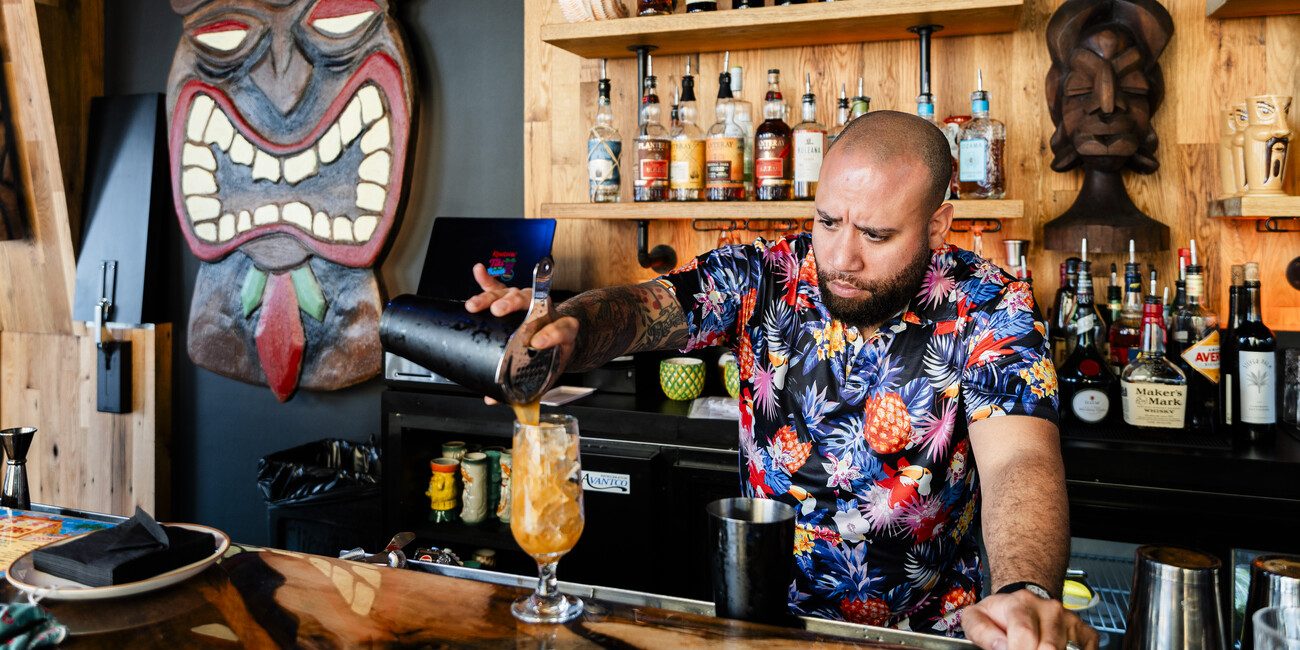
SAUGUS — The Kowloon Restaurant is hitting the beach with its brand new location that opened this...
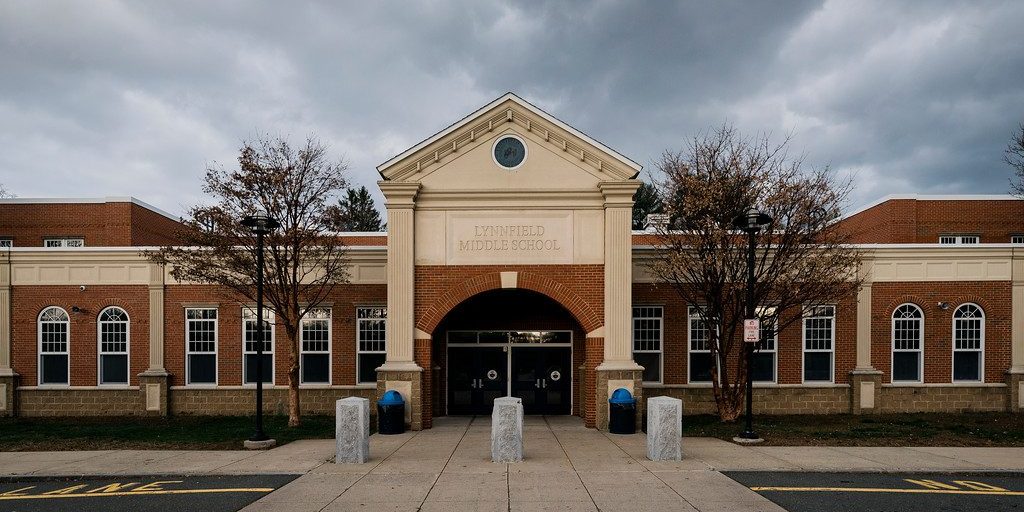
LYNNFIELD — The Massachusetts Department of Elementary and Secondary Education (DESE) has ruled that...

MARBLEHEAD — The Pan-Mass Challenge bike-a-thon provides a community for cancer patients and survivors...

The photographer’s pics of the month: July

The dating recession – Itemlive
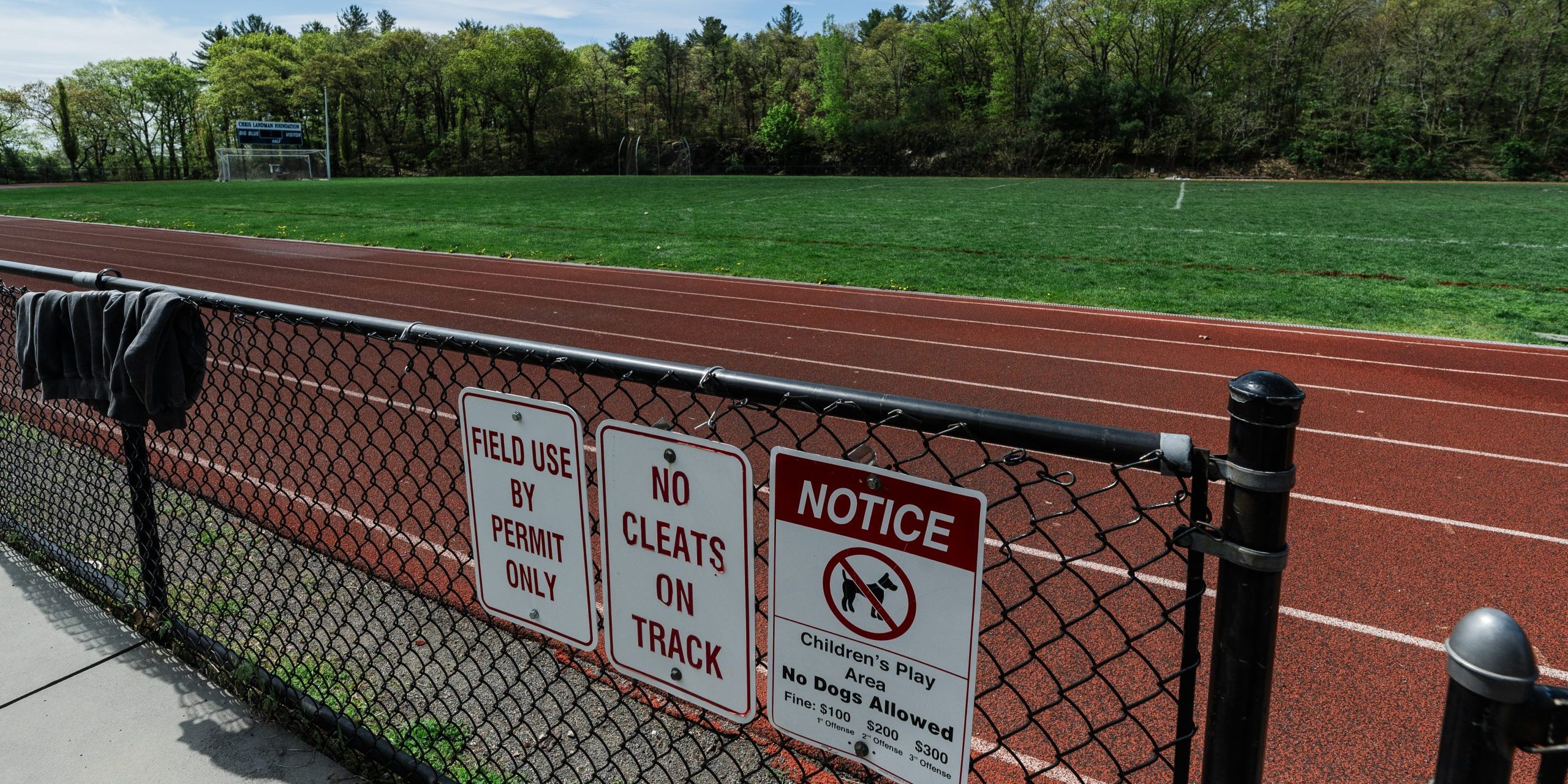
Swampscott nonprofit takes a lead on track fundraising
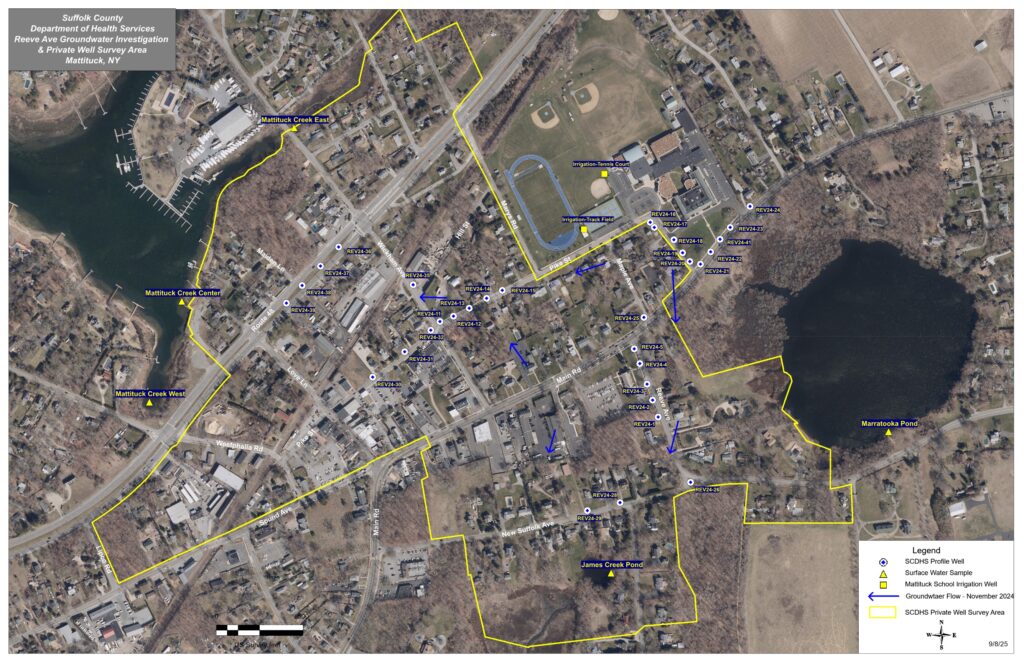
SCWA makes second bid to bring public water to 60 Mattituck homes

Commentary: What does the 26th of July Movement mean now for Cubans?
Commentary: Will the Iran war kill OPEC?

Peconic Landing earns national honor for dementia care program
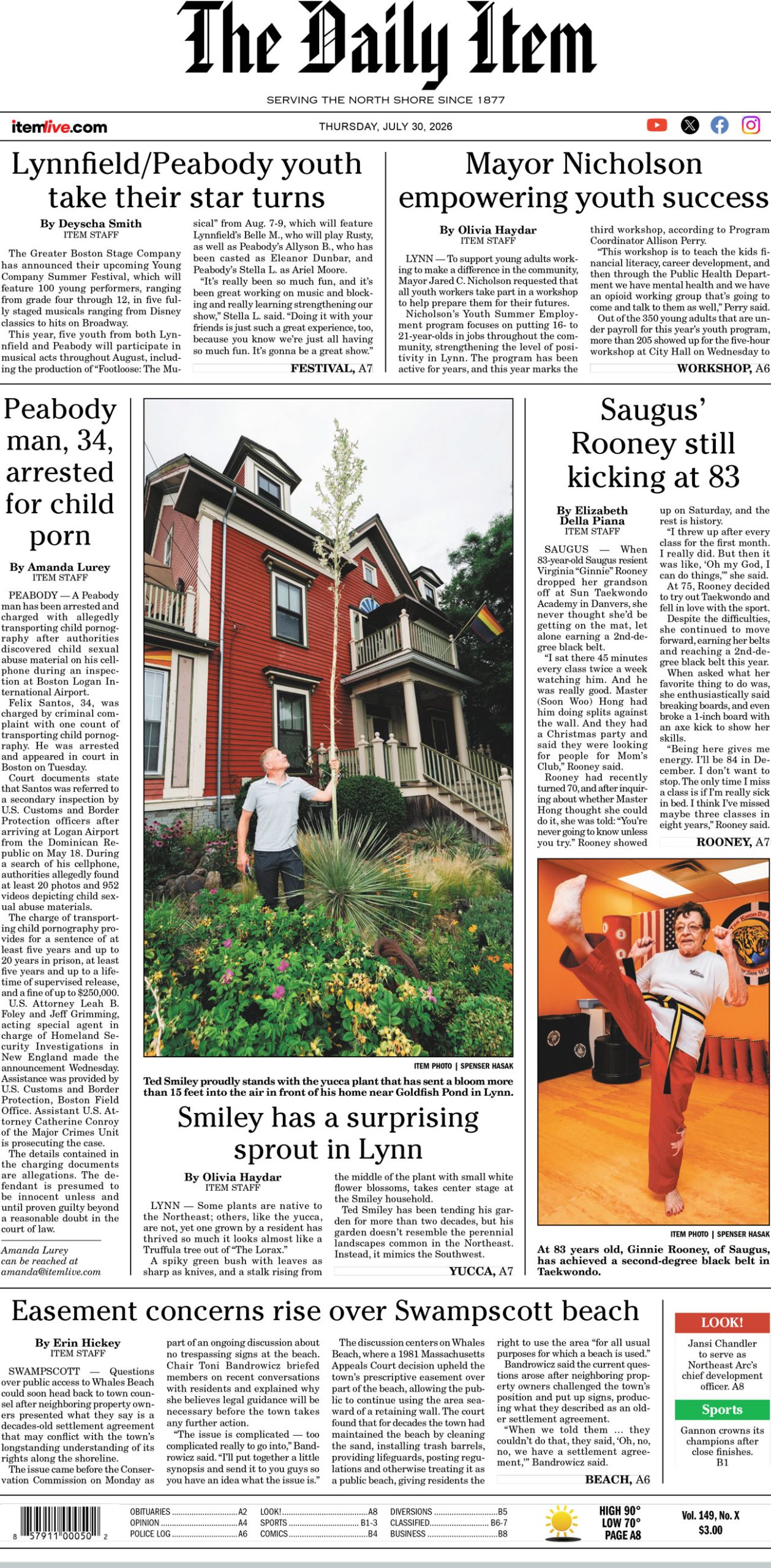
Today’s page 1: 7-30-26

Easement concerns rise over Swampscott Beach

Chandler to serve as Northeast Arc’s chief development officer
Lynnfield/Peabody youth take their star turns
Commentary: Wonder why the birthrate is falling? Look how we treat mothers.