


The Massachusetts Supreme Judicial Court has blocked the rent control question from the November ballot on Tuesday, citing that it would have exempted units within religious facilities.
The proposed measure, known as the Massachusetts Rent Control Initiative, looked to overturn the 1994 statewide ban on rent control and establish statewide regulations for the first time in decades. That included annual rent increases that would be capped at 5% or the Consumer Price Index, whichever is lower. Landlords would also be prohibited from resetting rents to market rates after a tenant leaves, while preventing a landlord from recovering the cost of improving their properties when that happens.
Justice Frank Gaziano wrote in his 27-page memo that the petition “impermissibly makes religion ‘a factor in [the petition’s] application … In order to enforce the proposed law, the exemption would require the government to determine if a facility is “operated solely for … religious … purposes.”
He also stated that it would give “preferential treatment on religious institutions by allowing them to increase rent prices, while limiting rent increases for secular facilities.”
The ruling comes as opinions on rent control remain divided. Organizations and advocacy groups have been vocal about the reality of the current housing crisis and that rising rent prices are forcing residents out of cities. Proponents from the Keep Massachusetts Home campaign issued a response to the SJC’s decision with an official statement.
“This decision is a massive disappointment after all the work that thousands of volunteers and advocates in every corner of the state put into qualifying our rent control initiative for the ballot, but it’s far from the end of our campaign to protect Massachusetts renters from excessive rent hikes,” said Noemi “Mimi” Ramos, executive director of New England Community Project and chair of the Keep Massachusetts Home campaign.
“Rather than accept any restrictions on their ability to extract profits from our communities, a few private equity-backed real estate investment corporations financed this lawsuit in a desperate attempt to avoid a ballot campaign they were set to lose. While we disagree with the court’s interpretation, the issue raised by the court is easily fixable, and doesn’t affect the substance of our proposal,” she said.
Rose Webster-Smith, director of Springfield No One Leaves, said, “Corporate real estate investors who value profit over people just bought themselves more time to raise rents without limits, but we’re only more motivated to take them on. We’ve proved that lifting the ban on rent control in Massachusetts is not only possible but imperative, and the residents of Massachusetts want it.”
On the other hand, opponents have warned that rent control could destabilize local markets and have major consequences on landlords and renters, including preventing landlords from raising rents to market rates and discouraging home renovations.
Housing For Massachusetts said in a statement via The Boston Globe: “While we firmly believe that Massachusetts voters were prepared to vote ‘no’ in November, today’s decision puts the issue to rest and protects our housing pipeline and our communities from the proven damage that rent control inflicts,” said Conor Yunits, chair of the campaign.
And yet, even those with concerns about the ballot questions have emphasized the importance of building and maintaining more housing.
Gordon Hall, president of The Hall Company, said, “The energy that the proponents exerted to get this on the ballot, that energy in general about housing could go towards the production of new housing and the preservation of existing housing stock that’s affordable.”
“Rent control doesn’t represent a systemic change — you’re affecting the problem well downstream, and you need to go upstream to just solve the problem. The state needs to step up and really play a role to do it,” he added.
In an article published last week by The Boston Globe, a spokesperson for Gov. Maura Healey’s campaign expressed similar sentiments, stating that Healey “knows that rents are too high and believes we need to do everything we can to lower them — which means we need to build more homes. She is concerned that the ballot question, as it currently stands, would slow down housing construction, which will raise costs for everyone.”
Healey is, however, in support of a compromise between the proponents and opponents, which she also expressed at a forum hosted by the Service Employees International Union (SEIU).
“In terms of stabilization, there’s a discussion now about that ballot question. I support a compromise to bring in rent stabilization and get that question off the ballot,” she said via a recording that The Boston Globe accessed.
At the SEIU event, she also added, “I’m going to do everything in my power as governor to support that compromise and support something that will bring lower rents and also more homes to the market.”
24World Media does not take any responsibility of the information you see on this page. The content this page contains is from independent third-party content provider. If you have any concerns regarding the content, please free to write us here: contact@24worldmedia.com

Southold, Mattituck and Riverhead students earned honors at the 24th annual East End Arts Teeny Awards, a...

LYNN — Today marked the one-year anniversary of the Lynn CALM team, a community-led response program...
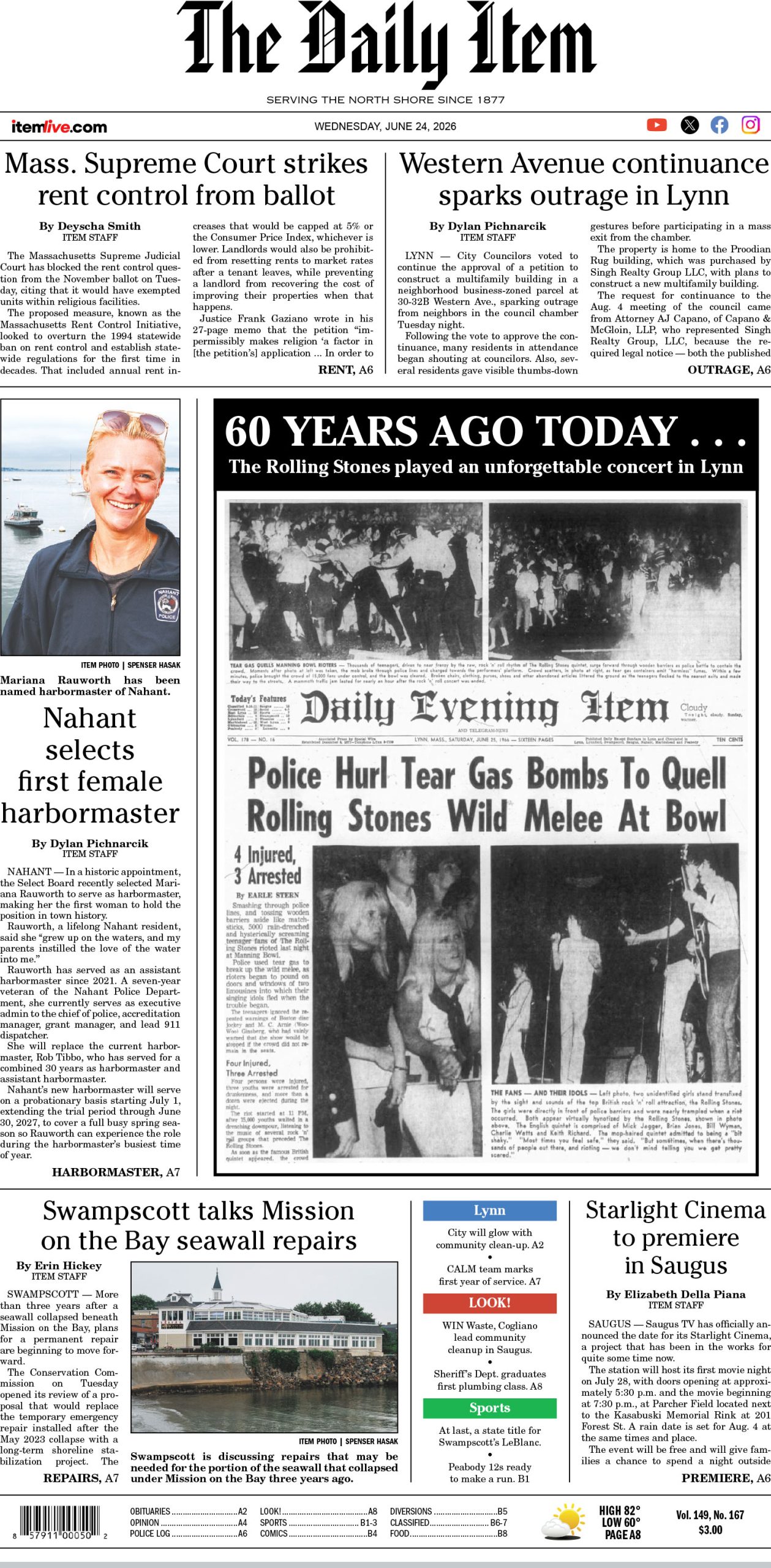
The post DEI Page 1: 6-24-26 appeared first on Itemlive. Source...
The Massachusetts Supreme Judicial Court has blocked the rent control question from the November ballot...

SWAMPSCOTT — More than three years after a seawall collapsed beneath Mission on the Bay, plans for a...

LYNN — City Councilors voted to continue the approval of a petition to construct a multifamily building...

Starlight Cinema to premiere in Saugus

At last, a state title for Swampscott’s LeBlanc

Peabody 12s ready to make a run
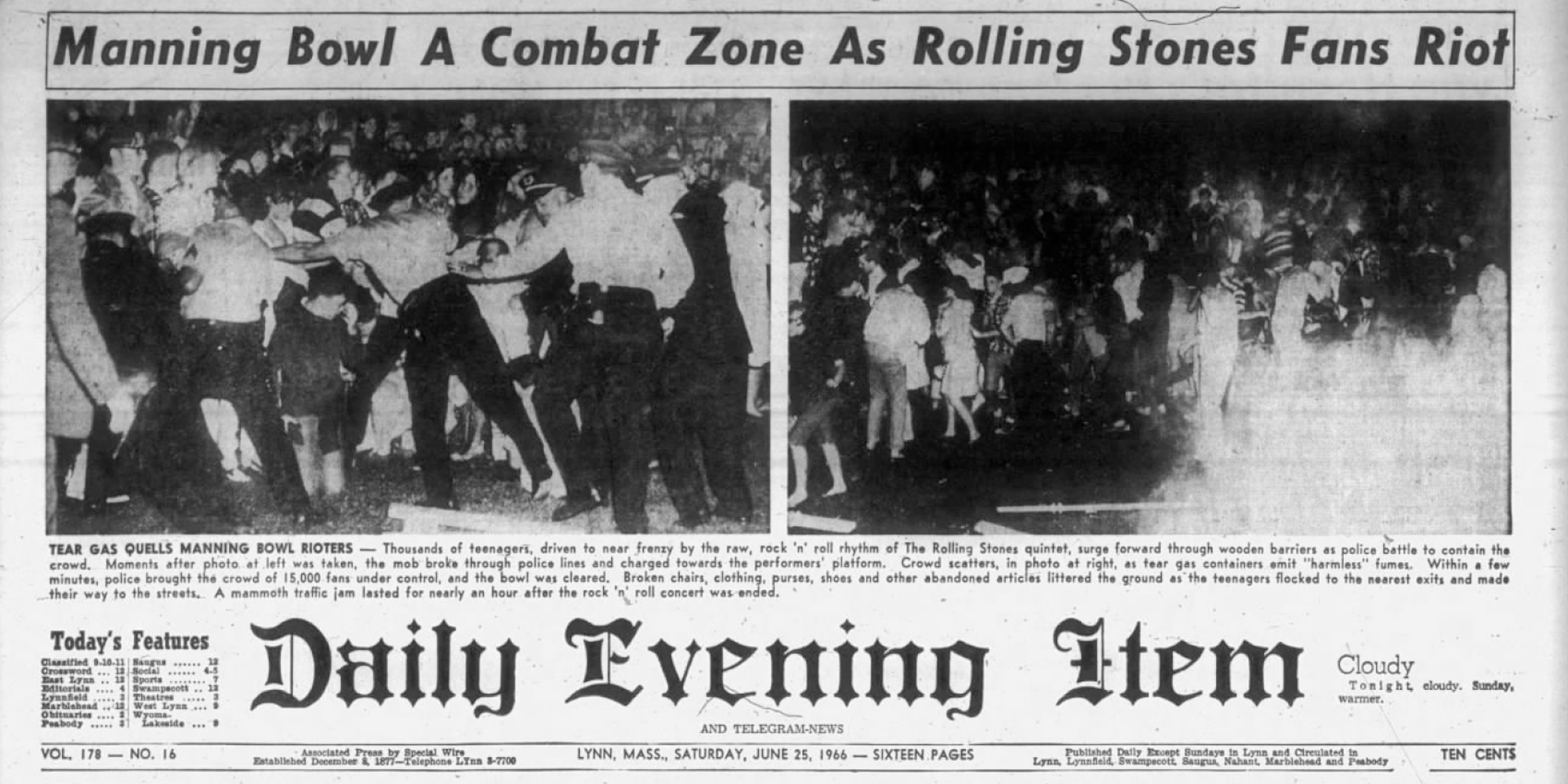
60 years ago today… The Rolling Stones played an unforgettable concert in Lynn

Police Logs: June 22, 2026

Nahant selects first female harbormaster

WIN Waste, Cogliano lead community cleanup in Saugus
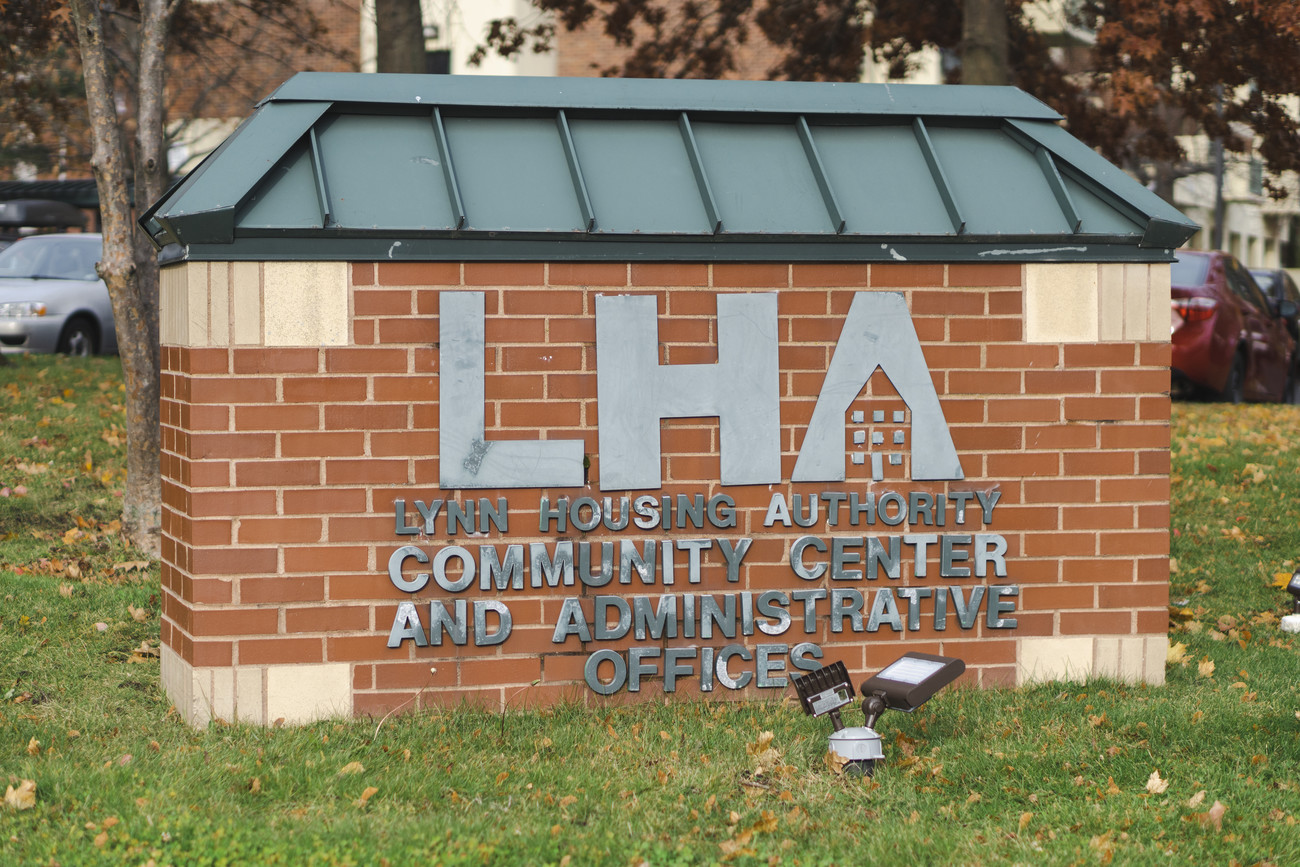
LHAND to hold first-time homebuyer class

Stefan Soloviev says he’s a ‘land trader’ as North Fork luxury housing plans advance

Commentary: TikTok-era ‘fast-food terrorism’ is replacing ideological struggle
Commentary: Pediatricians — No child should live in fear of gun violence

Second annual festival at St. Mary’s of the Sacred Heart Parish this weekend