

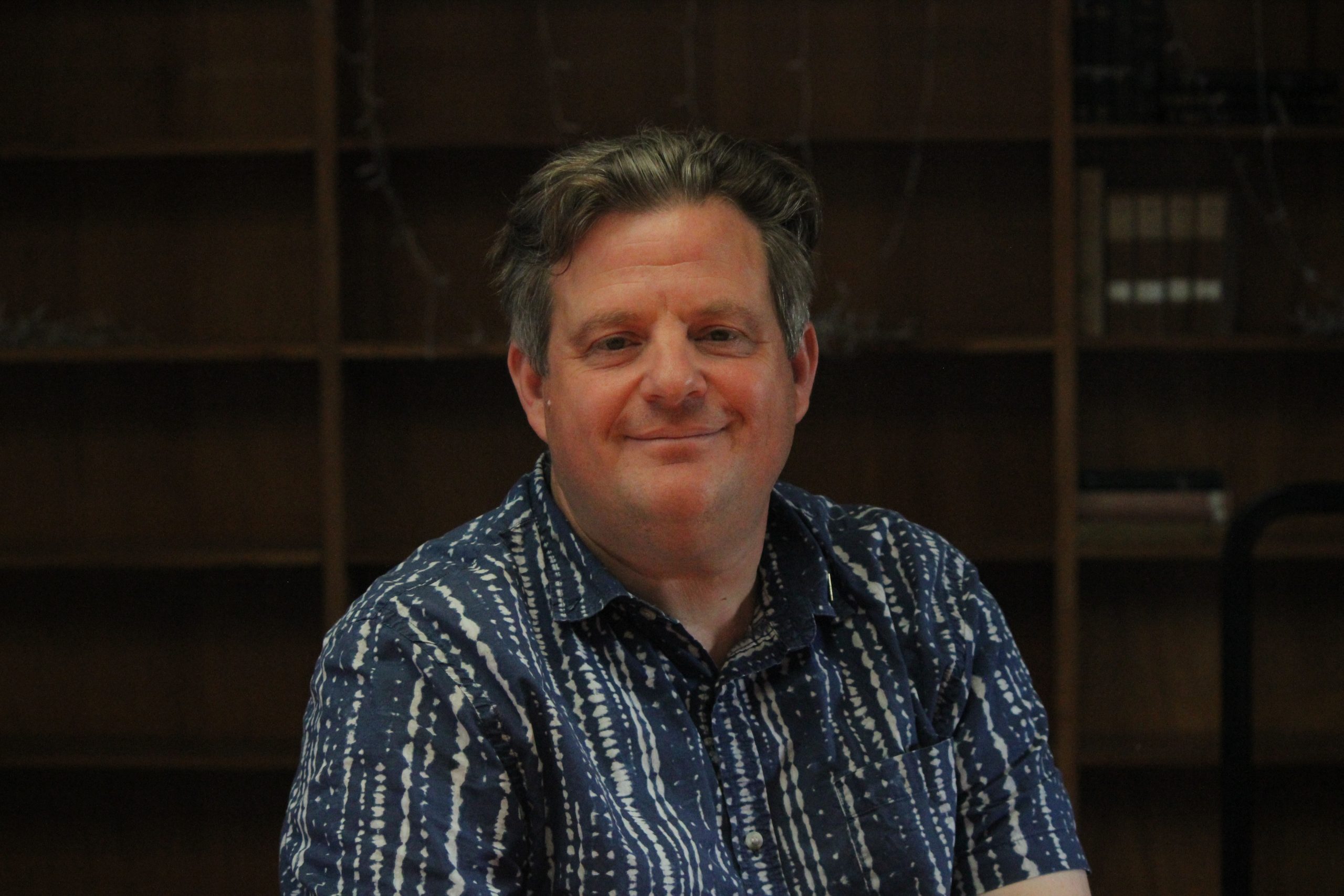
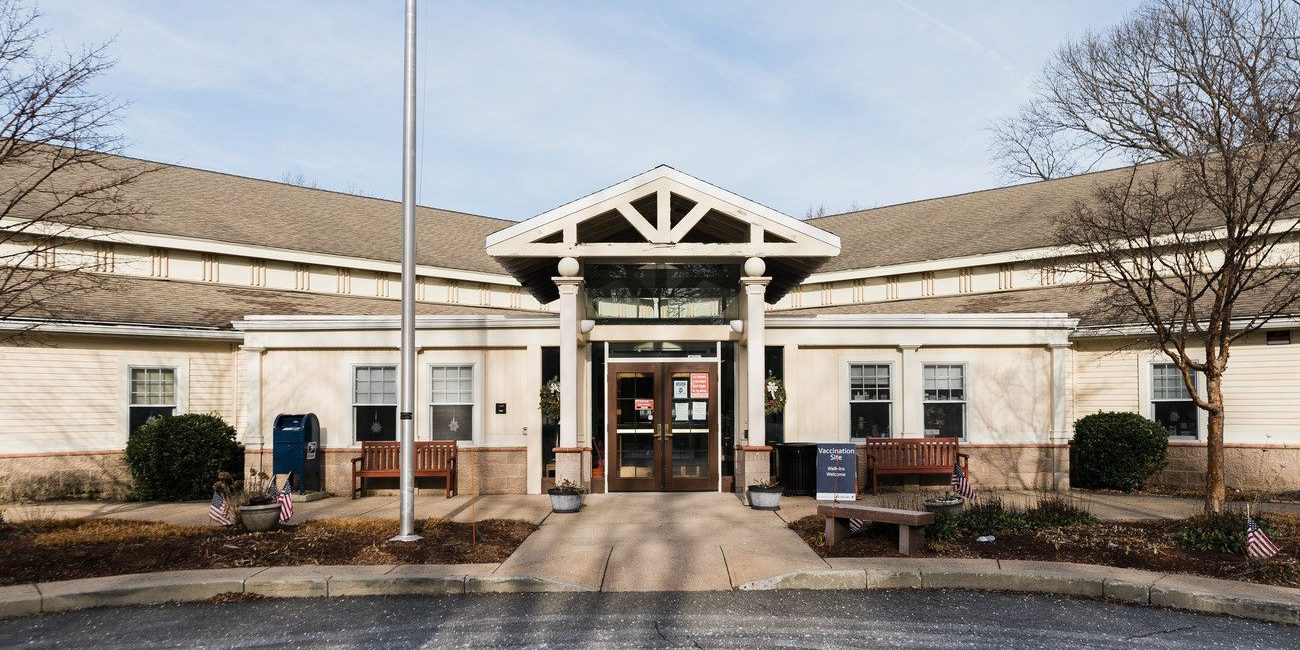
NAHANT — Boston’s own Max Grinnell explored how public art has driven political discourse since the 1976 Bicentennial to celebrate America’s 250-year birthday at a recent event hosted by the Swampscott and Nahant public libraries.
A professor of urban geography, planning, and public art installation at the Massachusetts College of Art and Design for more than 20 years, Grinnell has studied public art exhibitions his entire career, highlighting the importance of art representing historical events and the controversy that follows their interpretation.
Grinnell shared the background of the bicentennial, giving context to his public art discussion.
“By 1973, there had been such a public outcry over political polarization and creeping commercialism,” Grinnell said. “They decided to go back to the drawing board, create an entirely new commission to look into the matters.”
That commission was called, ‘The American Revolution Bicentennial Commission,’ created by President Lyndon B. Johnson in 1966 to celebrate the 200-year anniversary of the Declaration of Independence in 1976, Grinnell said.
The level of commercialism created a patriotic theme throughout the United States with marketing that spanned across all categories of goods, from food to clothes, to firearms.
“You couldn’t hold off creeping commercialism… a McDonald Happy Meal where they got into the act of Spirit of ‘76 with red, white, and blue shakes… and who wouldn’t want a Winchester Bicentennial ‘76 rifle for your son, who’ll pass it down to his son,” Grinnell said.
The commercialism made being American a celebration, Grinnell said, which turned into artists dedicating statues and other forms of public art to the sky-rocketing theme of patriotism. The funding for those projects came from percent-for-art programs, Grinnell said.
“The first percent for the public art program started in Philadelphia,” and that percentage is 0.3% of any budget presented by the US Treasurer. That 0.3% then turns into a government-funded statue created by a chosen artist, Grinnell said.
Today the percent for art programs at universities are funded within a majority of states. However, in Massachusetts, only certain universities, like Massachusetts Institute of Technology, are funded through the program
For many installations, there were debates on which artist was the best option for historical pieces in the states, especially for public art displayed in the National Mall.
One public art piece that has created controversy since the artist was chosen, is the Vietnam Veterans Memorial. Out of more than 1,500 artists, 20-year-old Maya Lin was chosen for her plan of 72 black granite panels inscribing more than 55,000 names of soldiers killed in war, Grinnell said.
The number one critique viewers have had on Lin’s piece has been that no soldiers’ faces or bodies were in the piece, only names. “People were pretty upset that people would not take the more traditional representation of soldiers to serve this particular function,” Grinnell said.
Other critiques were present 44 years ago, Grinnell acknowledged. “There were people who were upset because she was a woman, there were people who were upset and said it was inappropriate for someone Vietnamese to make it,” Grinnell said. “Maya Lin is not Vietnamese, she is Chinese American.”
Grinnell’s favorite public art pieces span from Chicago to Boston, with his top choice being the Fountain of Time by Lorado Taft, he said.
“It is most certainly one of the first large-scale sculptural works that I found returning to during my time in college at the University of Chicago and ever since,” Grinnell said. “Taft was inspired by a line from a poem by Henry Austin Dobson that reads thusly, ‘Time goes, you say? Ah no!’”
The fountain is known as Chicago’s most significant piece of public art with a length of more than 126 feet. The piece celebrated the century of peace between Great Britain and the United States, according to Atlas Obscura, a travel company that highlights public art hidden treasures.
The importance of political conversations in universities have also kick-started movements where students add a more whimsical feel to the public displays, Grinnell said.
“In the 70s, a group of students including members of the Zucker family, who went on to create movies like Airplane, decided to have some fun on campuses,” Grinnell said. “So, what they did one morning, this happened in 1979 … they set up 1,000 plastic flamingoes on the main expanse on the campus.”
Those flamingoes placed by the new student government, used the public art display to push their candidacy goal that if they were elected, they would “continue to create whimsy and return all the students’ funds back to them in the form of pennies,” he said.
The combination of stoic historical representation and whimsical displays show the vast audiences and importance of each public art piece whether it is permanent or temporary.
That creation of controversy is what drives those important conversations between public viewers, Grinnell said.
24World Media does not take any responsibility of the information you see on this page. The content this page contains is from independent third-party content provider. If you have any concerns regarding the content, please free to write us here: contact@24worldmedia.com
NAHANT — Boston’s own Max Grinnell explored how public art has driven political discourse since the...

Three seasons. Twelve schools. Unlimited stories to tell. After fall, winter, and spring high school...
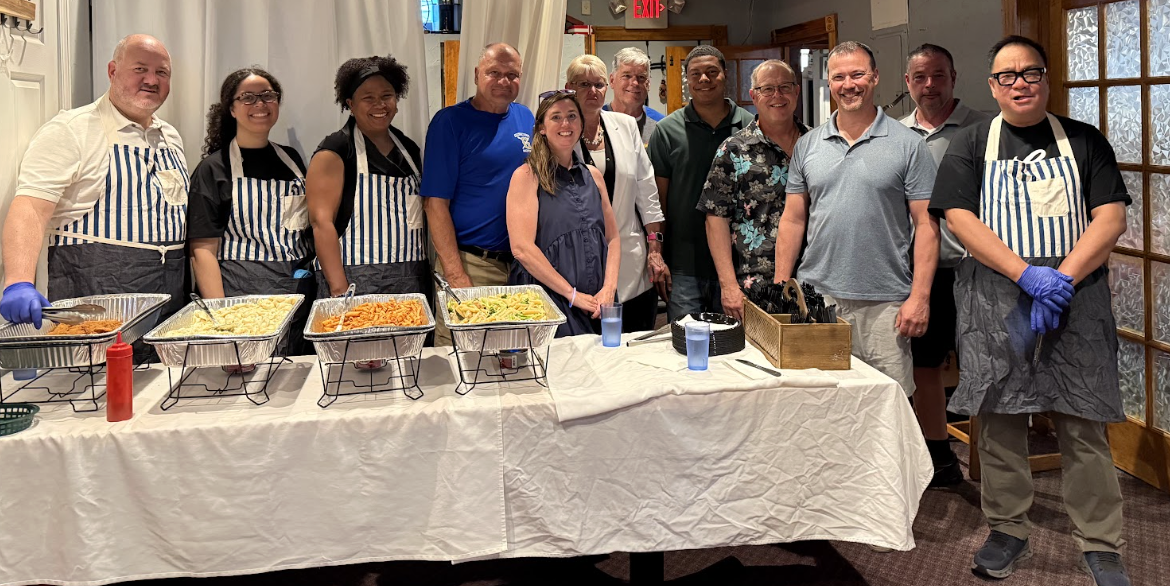
The post Teamwork makes the dream work appeared first on Itemlive. Source...
LYNN — The Agganis All-Star Game lineup still includes nine games, but this year, for the first time,...

A new Strawberry Queen was crowned and stomachs were stuffed Saturday as Mattituck packed in another full...
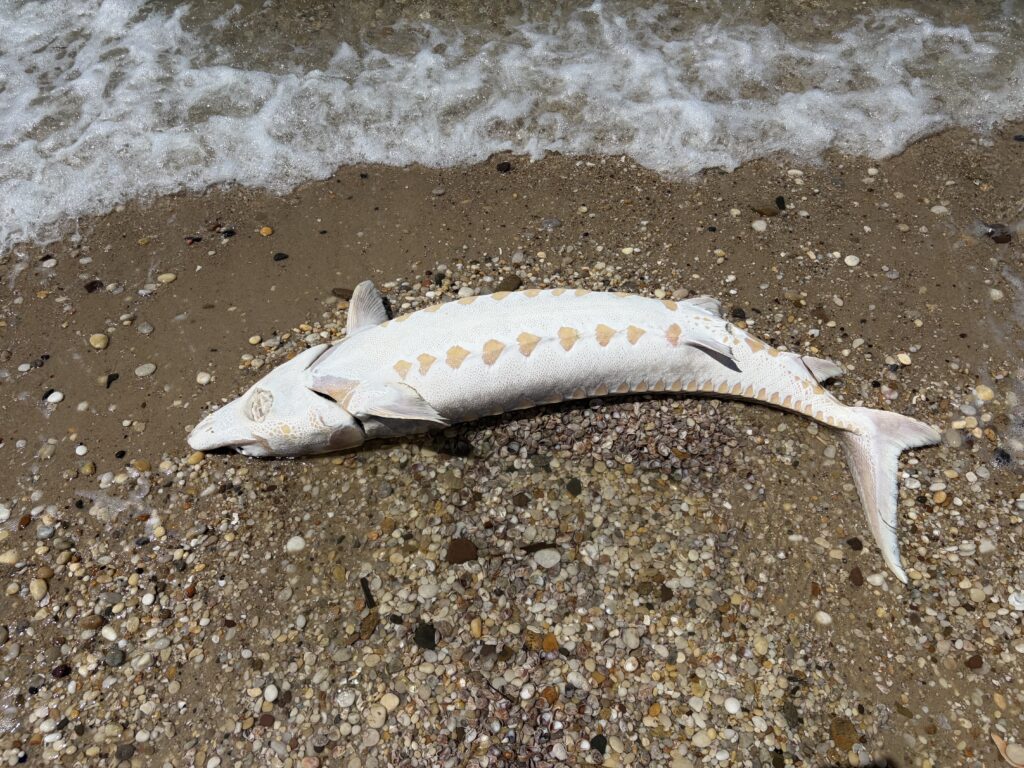
Beachcombers came across an unpleasant sight on the pebbled shoreline at Bailie Beach in Mattituck on...
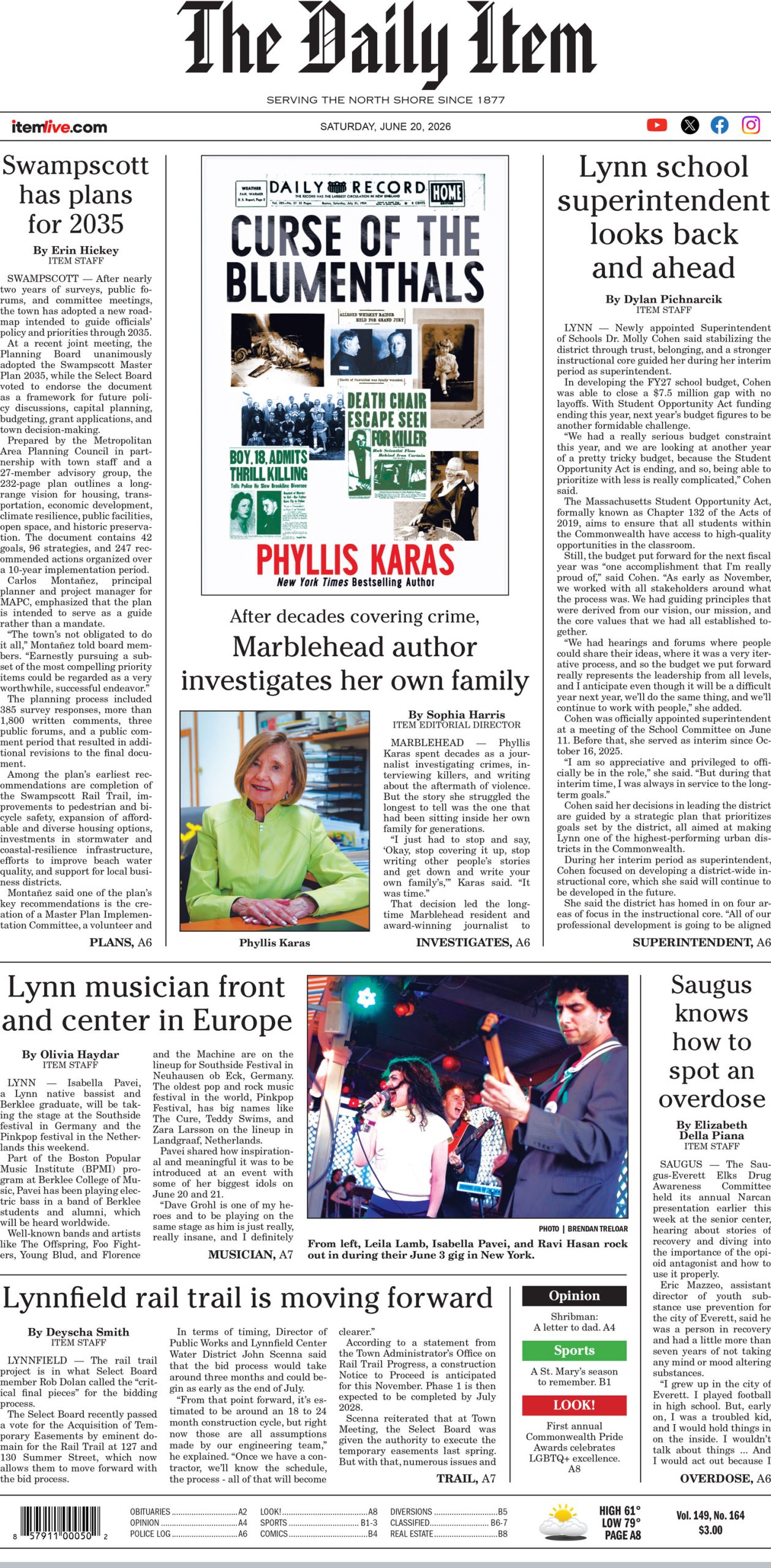
Today’s Page 1: June 20, 2026
Saugus knows how to spot an overdose
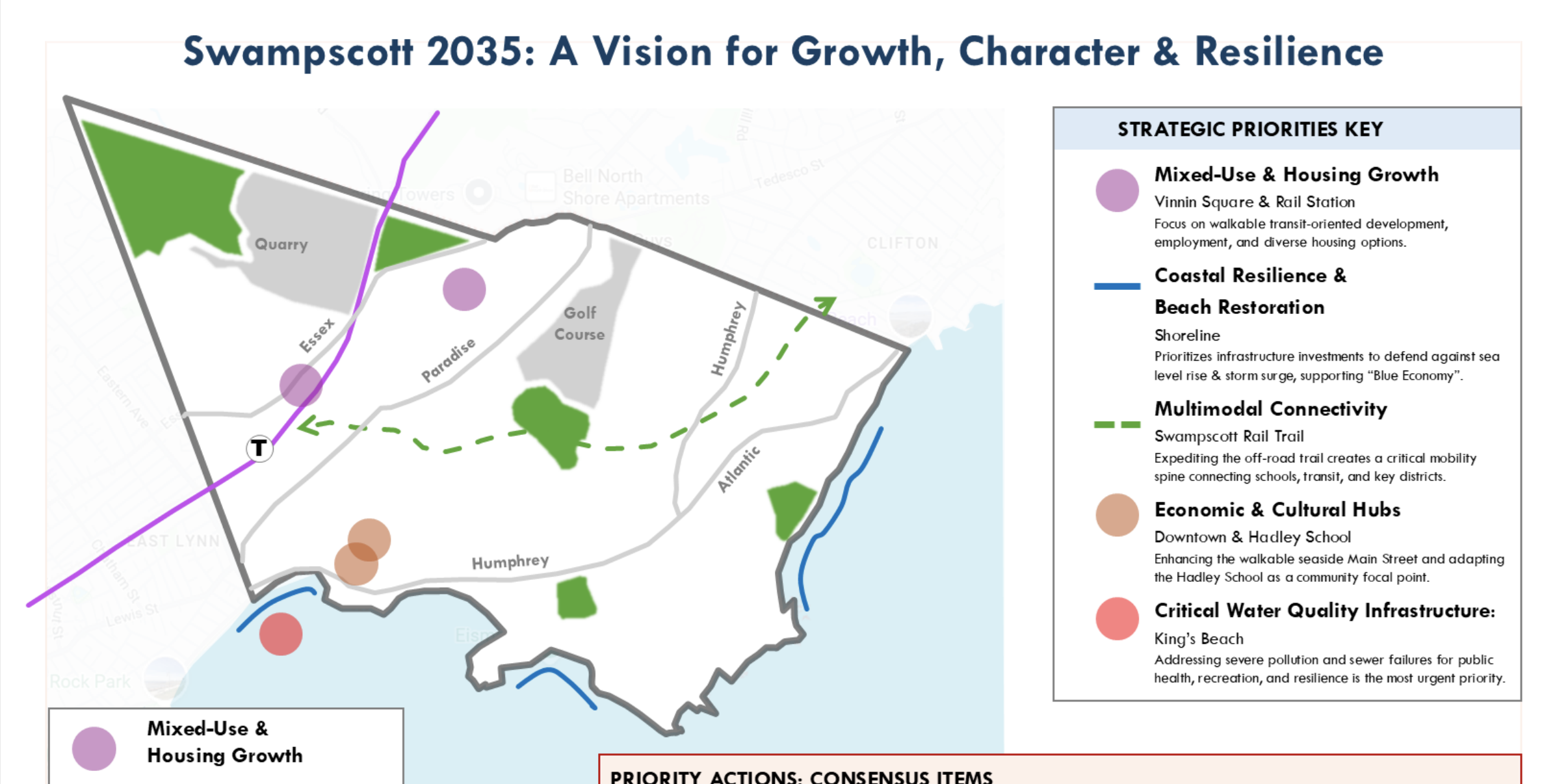
Swampscott has plans for 2035
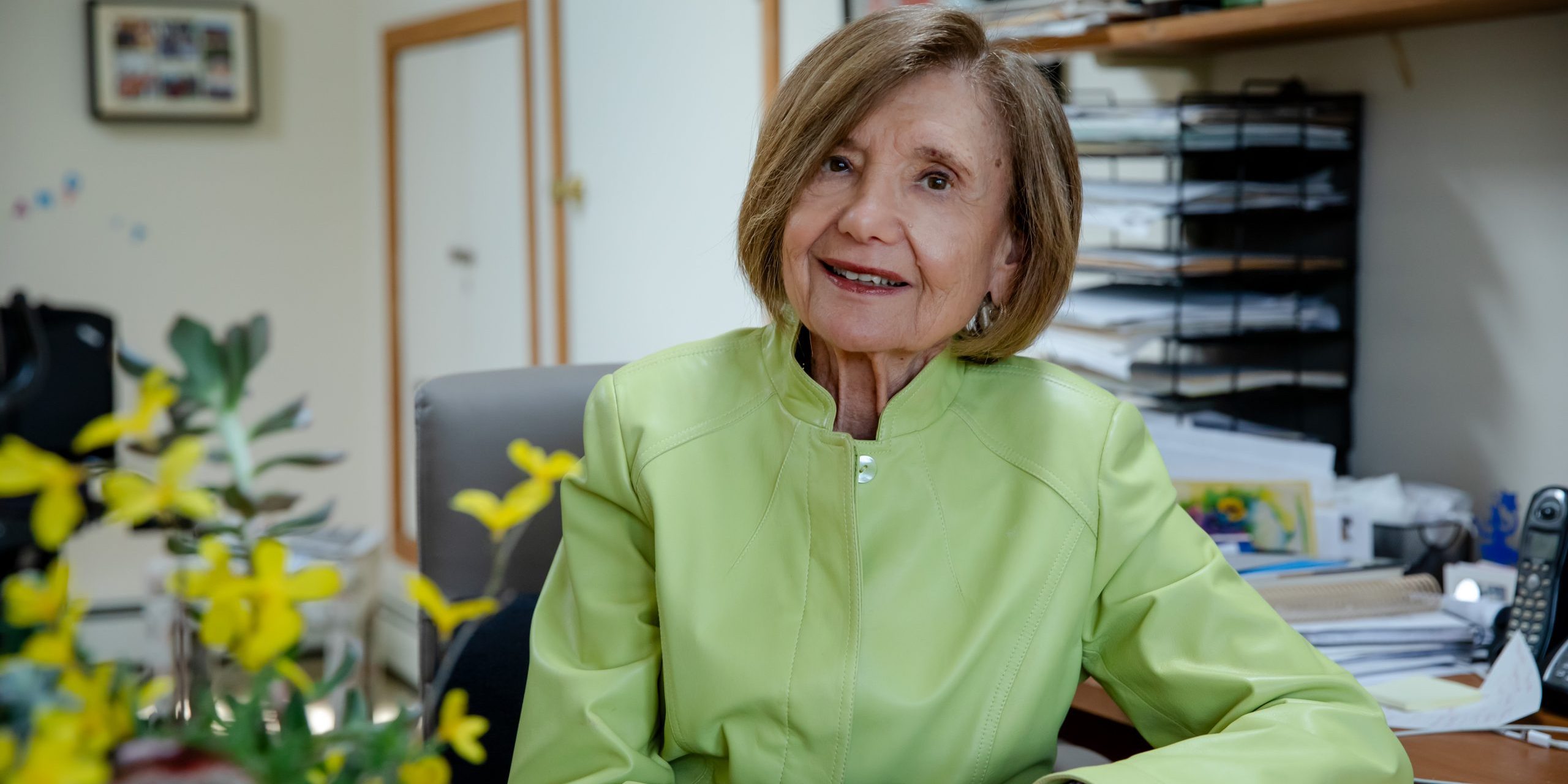
After decades covering crime, Marblehead author investigates the secrets inside her own family

Lynnfield rail trail is moving forward

Police Logs: June 18, 2026

A St. Mary’s season to remember
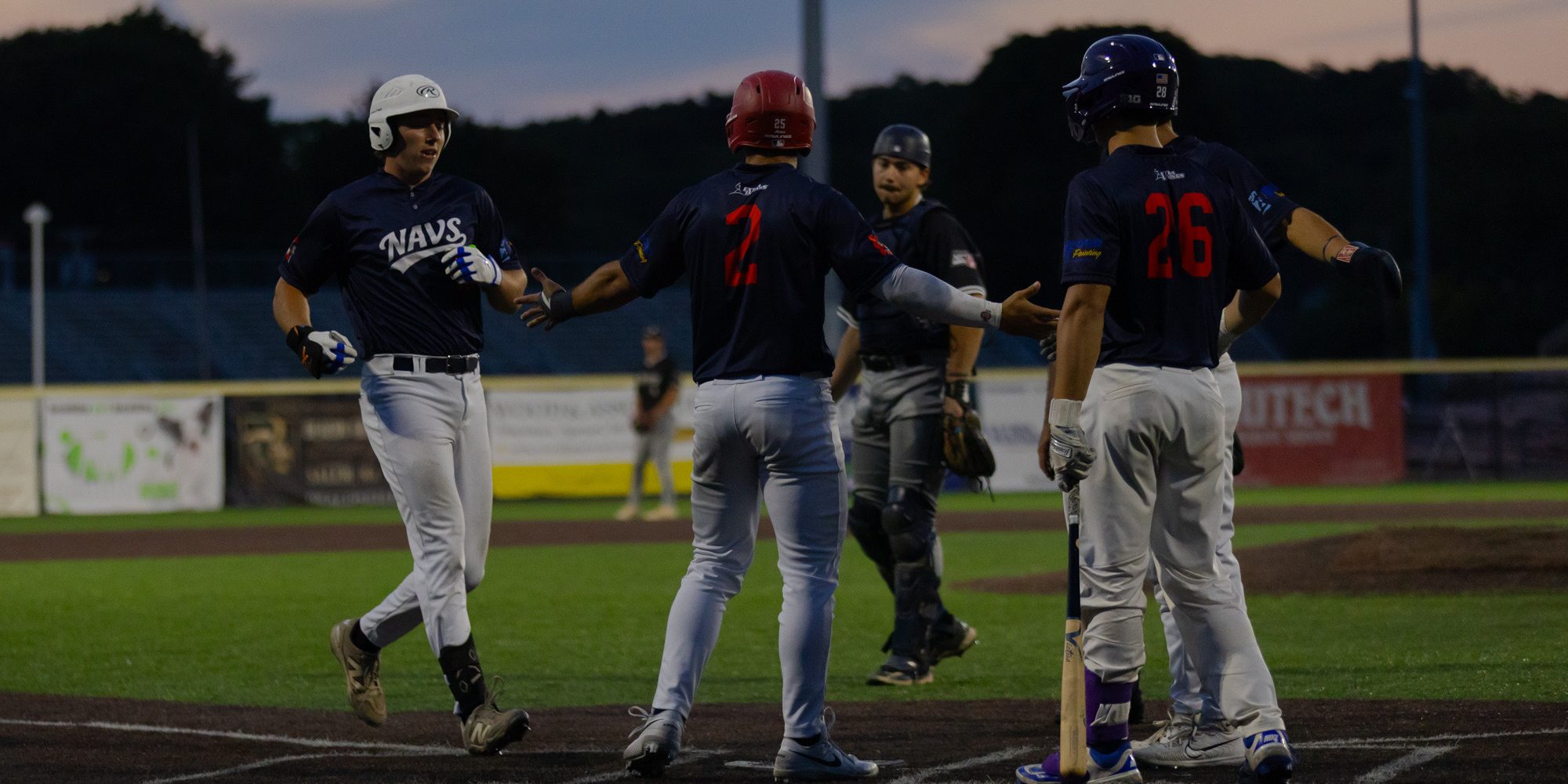
Team of the Week – North Shore Navigators

Shribman: A letter to dad
Commentary: High-deductible health plans are being sold as a cure. They aren’t.
Lynn school superintendent looks back and ahead
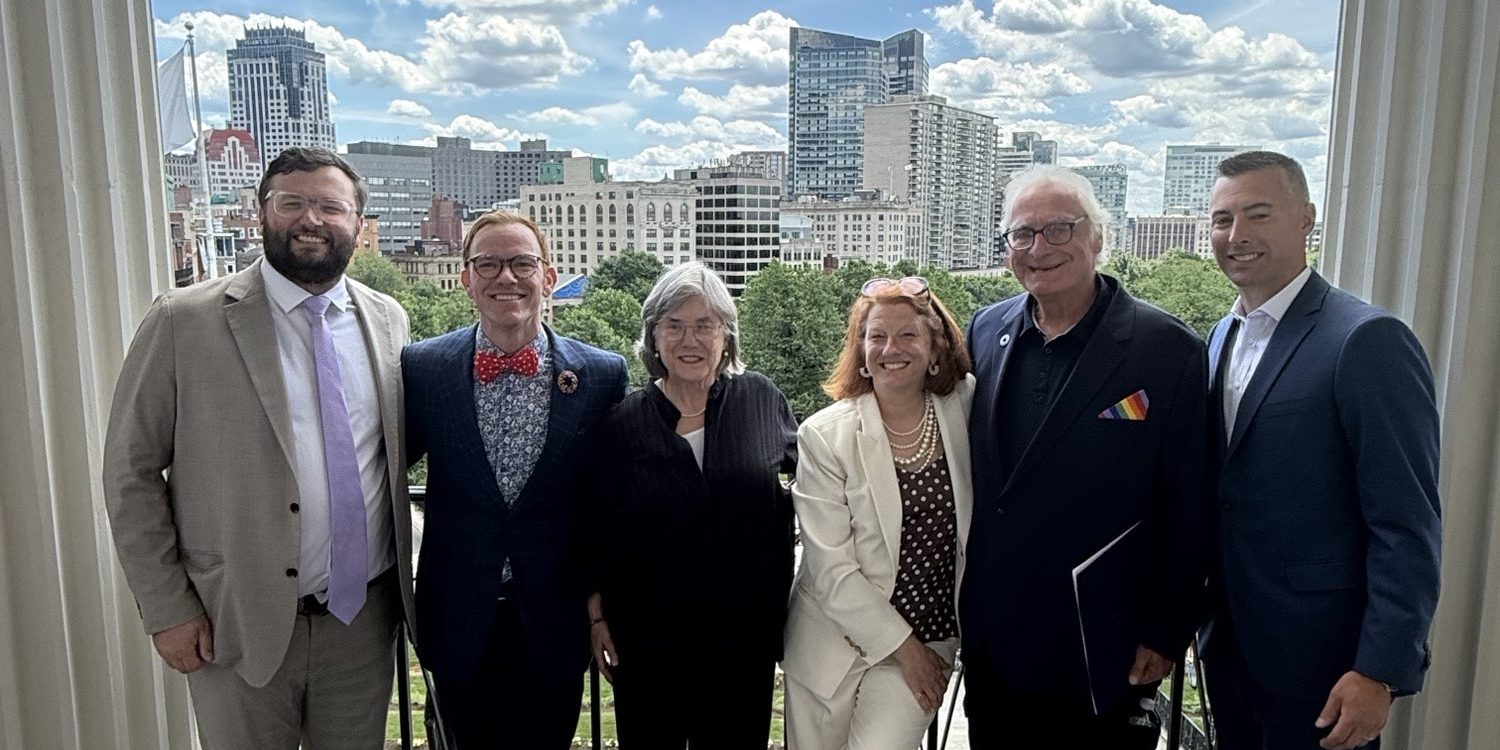
First annual Commonwealth Pride Awards celebrates LGBTQ+ excellence