

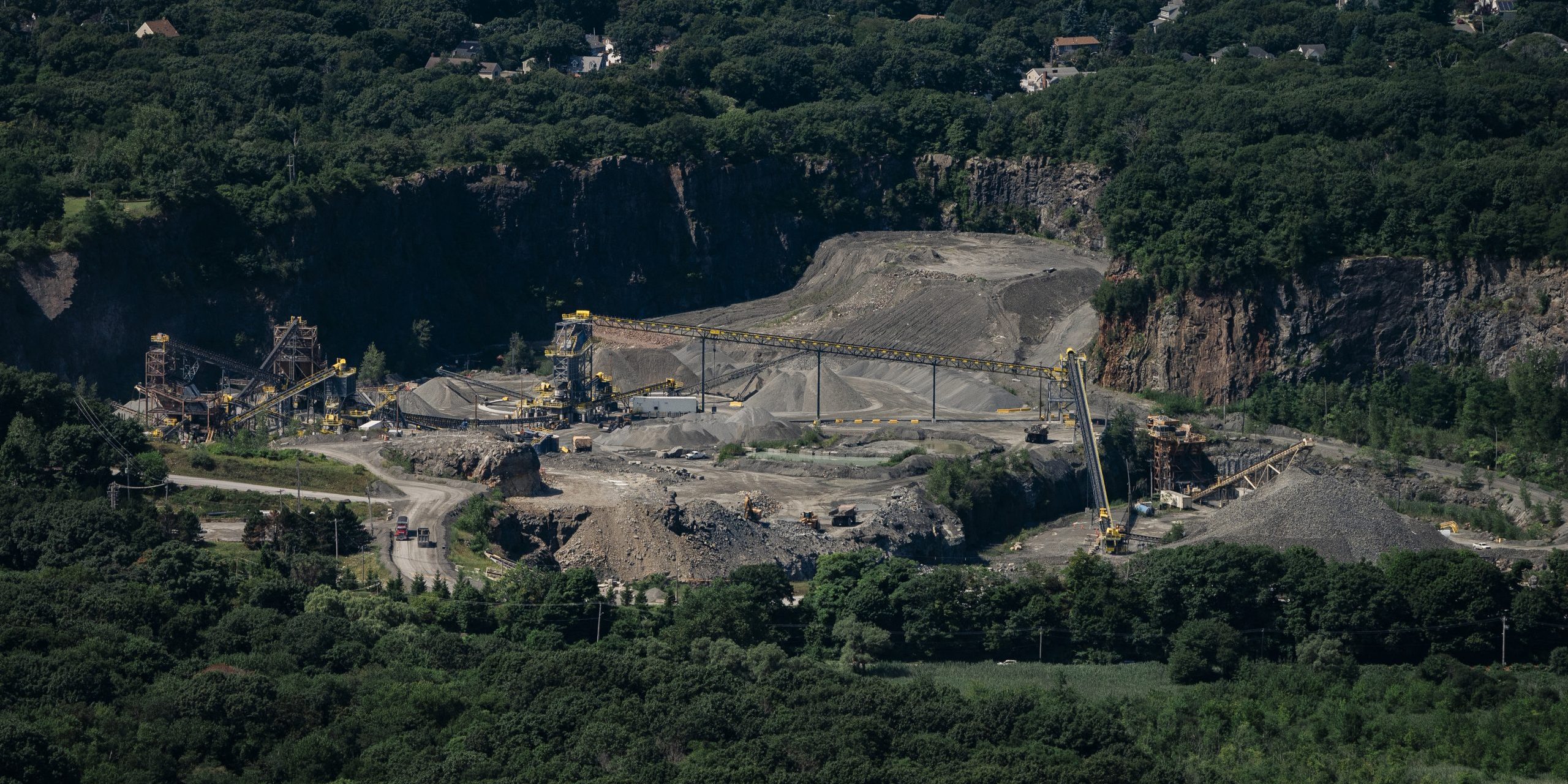
SWAMPSCOTT — As questions about blasting, dust, and air quality at the town’s quarry take a public stage and officials prepare to renew Amrize’s annual operating permit, members of the Board of Health are working to establish a more active role related to the quarry’s oversight.
The Board of Health met Tuesday with Earth Removal Advisory Committee (ERAC) Chair Joe Markarian, who outlined how the quarry permitting process works and discussed the board’s historically limited involvement in quarry oversight.
Markarian acknowledged that previous boards largely relied on the expertise of John Picariello, who had been serving on ERAC as a Board of Health appointee for several years. Picariello recently resigned from the Board of Health-appointed seat, but will be reappointed by the Select Board to fill a separate vacant position on the committee.
Board Chair Gargi Cooper said the discussion was part of the board’s effort to better understand its role in matters related to the quarry.
“Again, this is new to us,” she said. “I didn’t even know we had an appointee. I think to be effective, we want to understand … it has to do with air pollution, dust, and nuisance, and that’s all under us.”
Cooper noted that residents do sometimes bring quarry-related concerns to the Board of Health, but the board has not previously had any formal ability to act upon those resident concerns.
“We receive the complaints around it, but then we don’t actually have any skin or teeth in the game,” she said.
Markarian said he welcomed greater involvement from the Board of Health, particularly when they felt there were areas concerning public health.
“Whatever opinion you have on whatever you think is in your jurisdiction, you should comment on,” he said. “Information is key, and we’re not looking to keep information out like that.”
ERAC reviews Amrize’s annual permit before forwarding it to the Select Board for approval. Markarian said the committee’s interactions with quarry operator Amrize are typically concentrated on the permitting process, which stretches from March 31 through July 1, with relatively little activity during the rest of the year unless specific issues arise.
Markarian spoke to the board about blasting activity at the quarry, which has been a source of concern for some nearby residents. The permit allows up to 50 blasts annually, though Markarian said the company has not come close to that number in recent years. He also said residents receive multiple notifications between 48 and 2 hours before each blast, and ERAC reviews vibration data afterward to ensure compliance within permit limits.
“We look at the blast data after every blast to make sure Amrize are within the parameters and the limits set in the permit,” Markarian said. “The last two and a half years or so, every single blast has been in conformance with the permit.”
Markarian said that while residents often report vibrations, noise, and other impacts from blasting, formal complaints — which must be submitted in writing — are rarely filed.
Board members also discussed how air quality is monitored near the quarry, and whether existing reporting provides enough useful information on public health impacts.
Board member George Allen said his review of the air quality report prompted questions about whether alternative methods could provide a clearer picture of conditions near the quarry and any potential impacts on surrounding neighborhoods.
Allen noted that reports are addressed to the Board of Health, despite the board historically having little direct involvement in reviewing them.
“The quarry’s air pollution reports that are prepared by their consultant, Tech Environmental … are actually addressed to the Board of Health,” Allen said. “That’s what started this whole conversation about … other approaches to doing it.”
Markarian said Allen’s analysis had already prompted discussions about potential changes to air-quality monitoring, and that ERAC expects to revisit the issue after the permit is approved.
“What George said about our current way of doing things was enlightening,” Markarian said. “We had nobody to look at that stuff.”
To strengthen the Board of Health’s involvement moving forward, members unanimously appointed Allen as the board’s representative to ERAC. Allen, who has extensive experience in air-pollution research, will serve as a voting member and liaison between the two bodies.
24World Media does not take any responsibility of the information you see on this page. The content this page contains is from independent third-party content provider. If you have any concerns regarding the content, please free to write us here: contact@24worldmedia.com
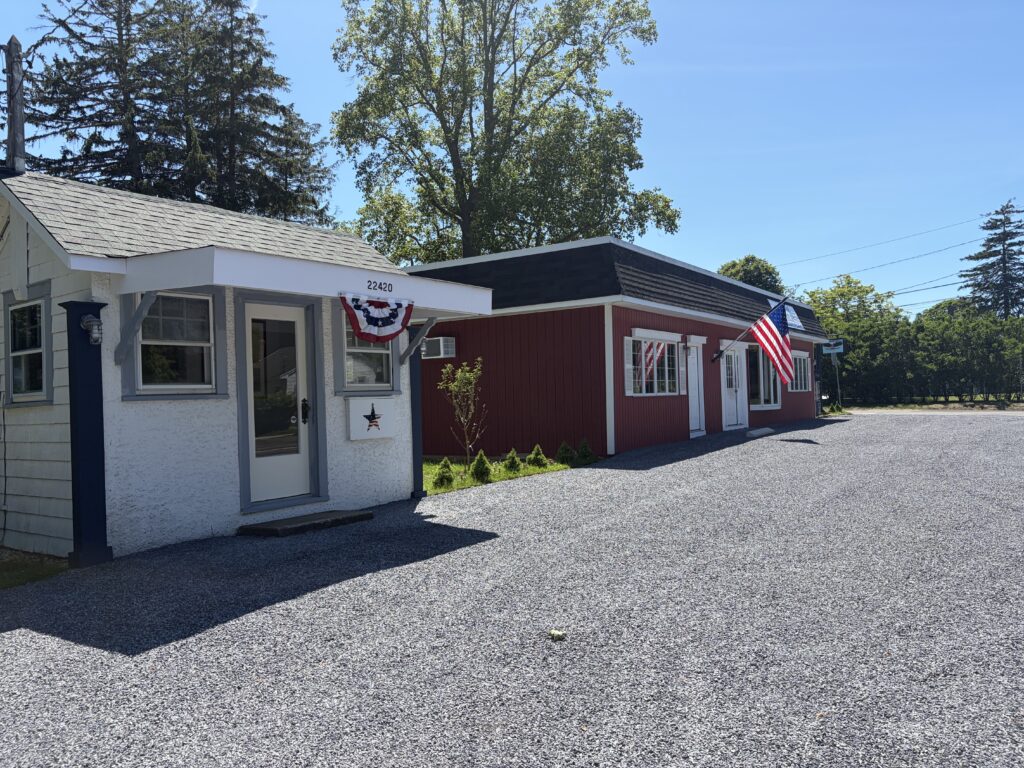
The North Fork may soon have a new Willy Wonka to take over for Orient’s beloved Candy Man. A new sign...
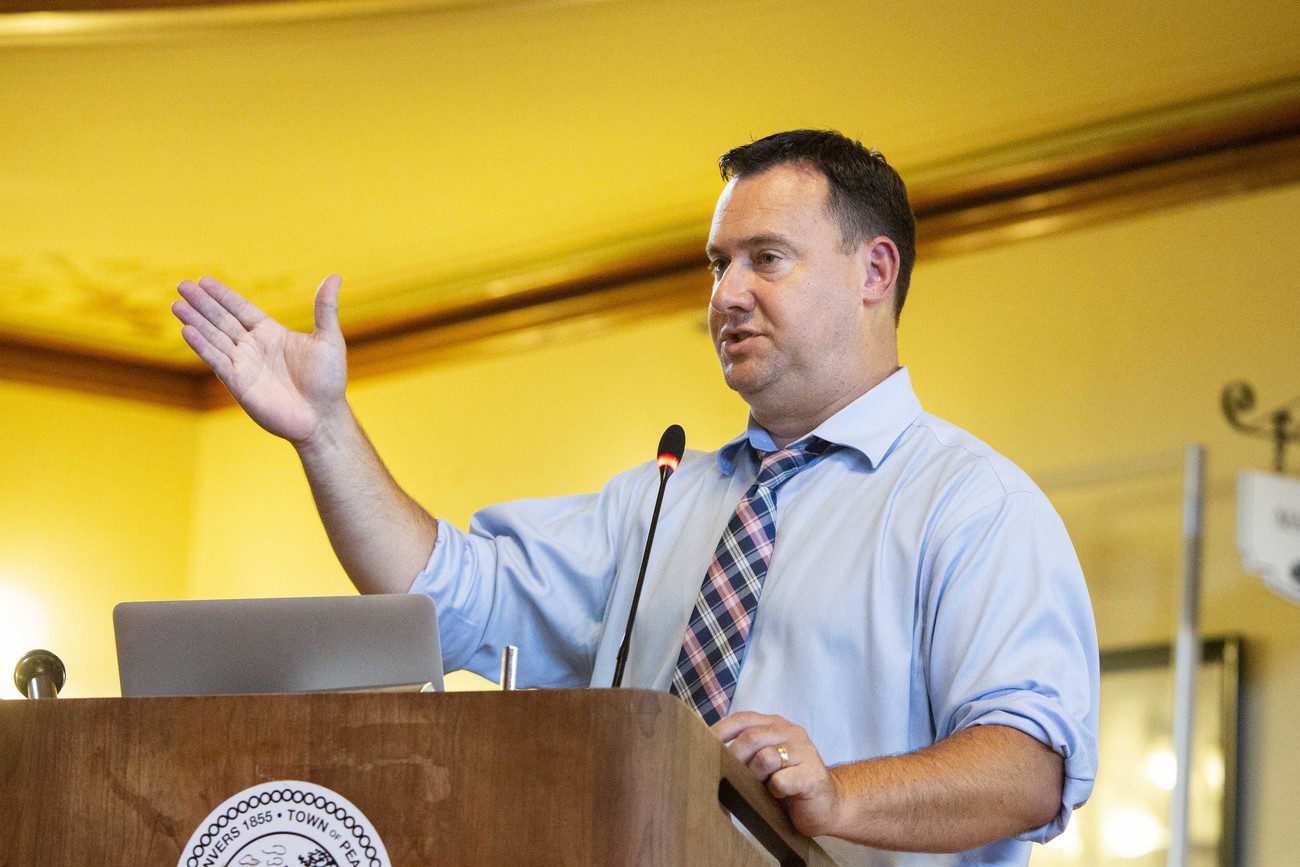
PEABODY — At Tuesday night’s Peabody Finance Committee meeting, City Council members reviewed the...
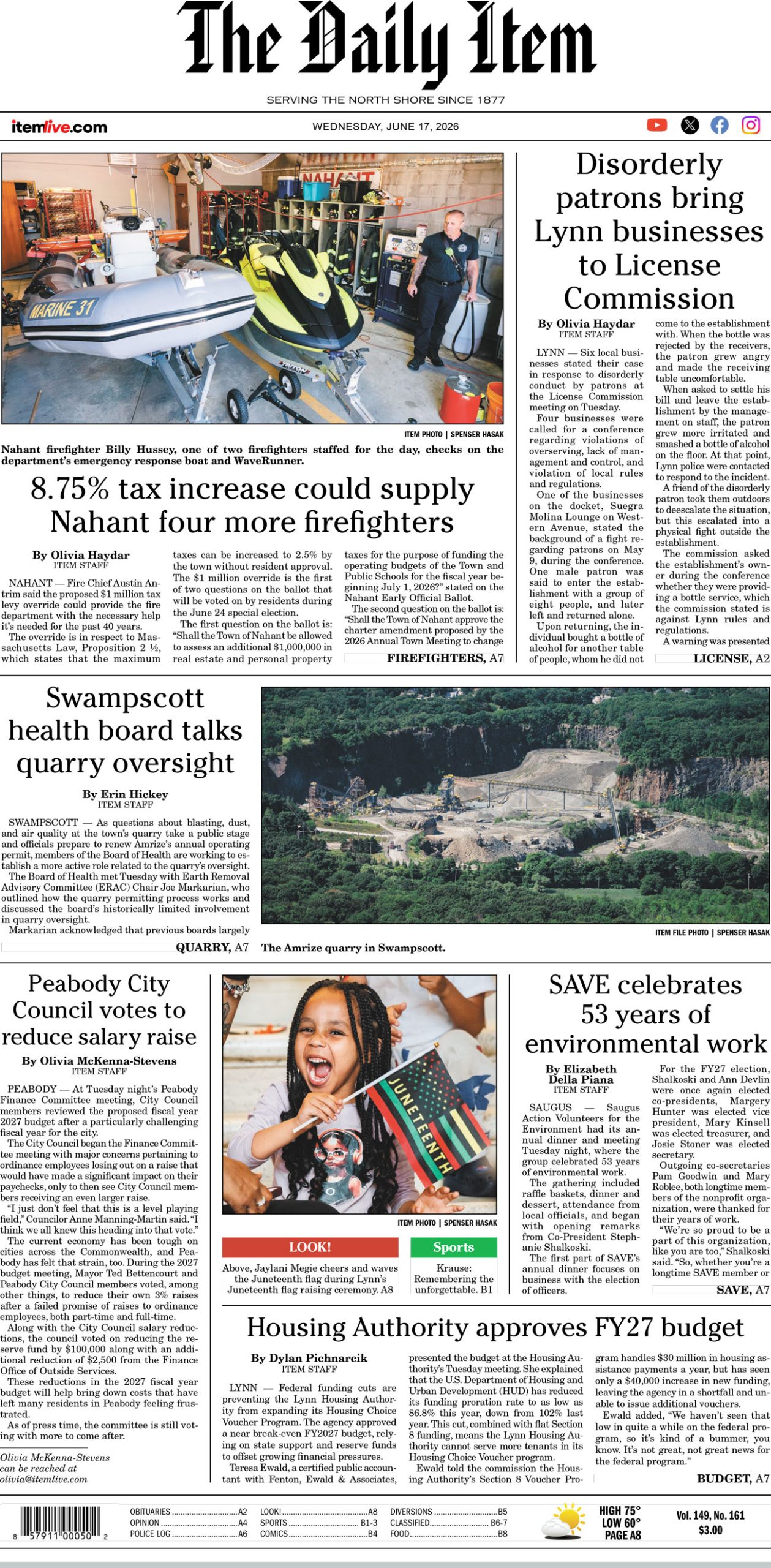
The post Today’s page 1: 6-17-26 appeared first on Itemlive. Source...
SWAMPSCOTT — As questions about blasting, dust, and air quality at the town’s quarry take a public...

LYNN — Six local businesses stated their case in response to disorderly conduct by patrons at the...
LYNN — Federal funding cuts are preventing the Lynn Housing Authority from expanding its Housing Choice...
SAVE celebrates 53 years of environmental work

Police Logs June 15, 2026

8.75% tax increase could supply Nahant 4 more fire fighters

North Fork ‘golf doctor’ explores modern life in new book

Krause: Remembering the unforgettable

Sjursen, Topp, Moric, and McFadden receive Fenwick honors

Lynnfield’s Lily Alves did it her way

Commentary: Ukraine’s cheap drones and combat robots offer hope for the good guys

Editorial: Protecting the First Amendment

Lynn English athletes score Greater Boston League All-Star honors
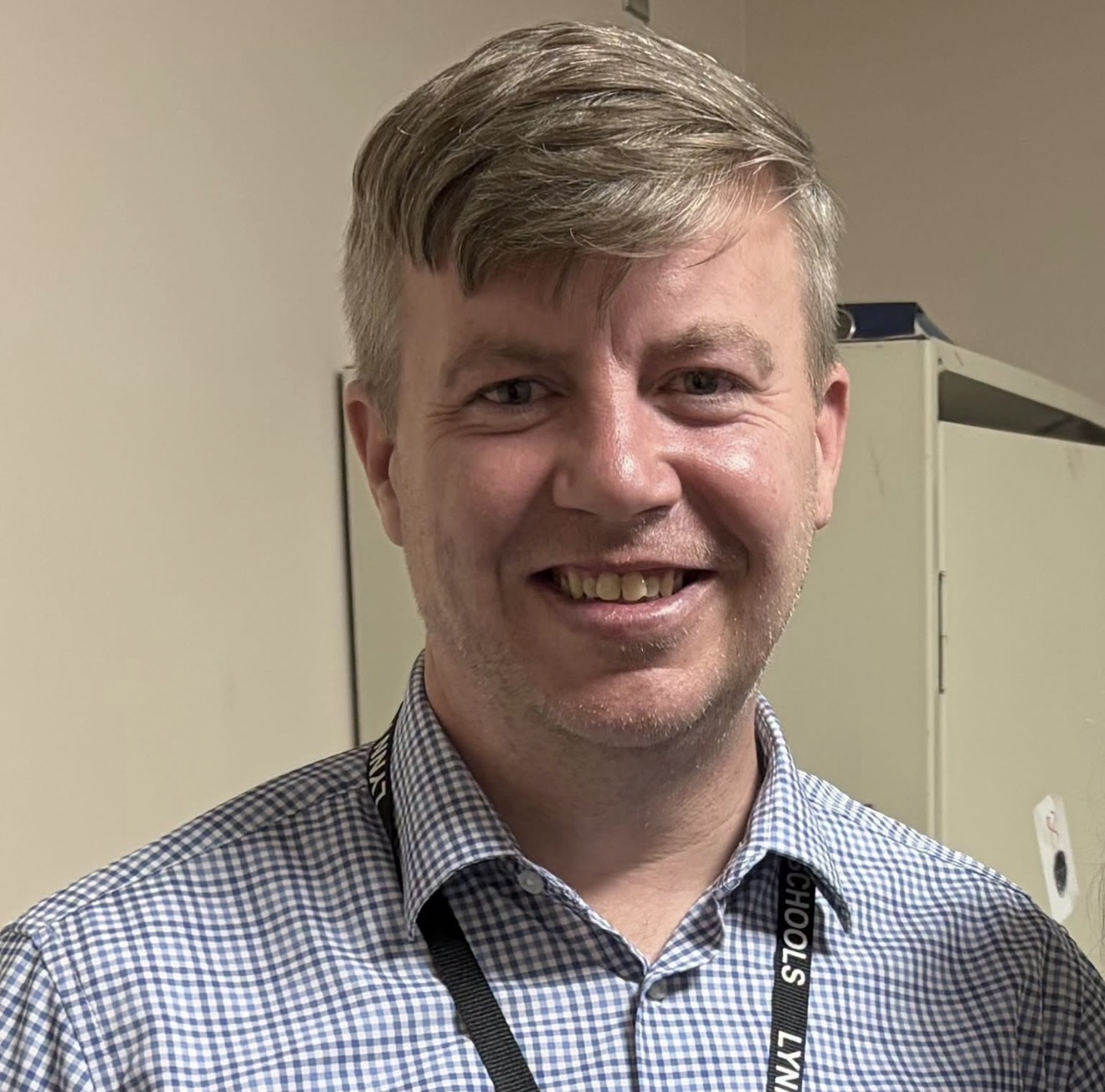
McCuish named principal at Lynn Vocational Technical Institute
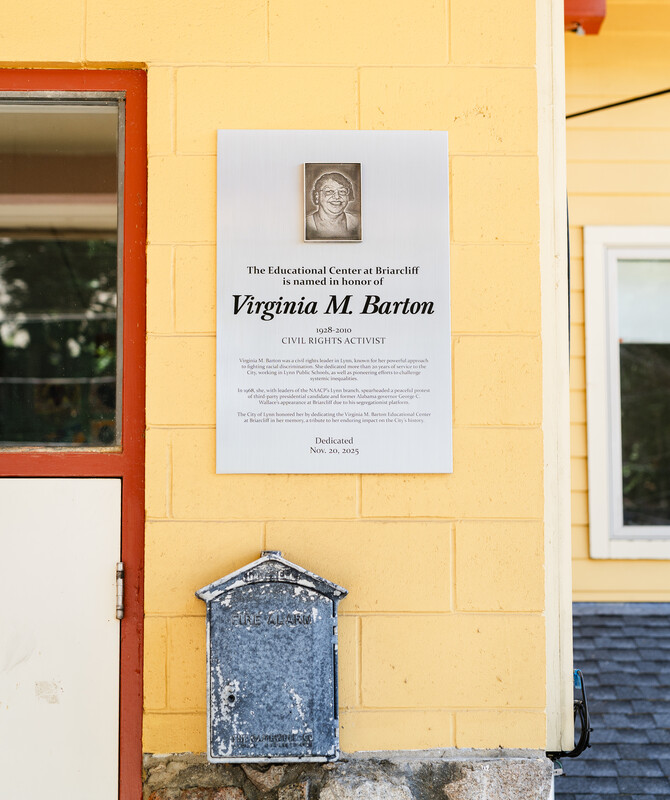
Plaque honoring Virginia M. Barton installed at school