

SWAMPSCOTT — New England is warming faster than most of the world — and the changes are already reshaping winters, coastlines, and everyday life across the region.
This was the message from Salem State University professor Stephen Young, who presented his latest climate research Monday night at the Unitarian Universalist Church of Greater Lynn. His presentation was sponsored by the Swampscott Conservancy.
Drawing from a 2025 paper he co-authored with his son, Jonathan, Young said the region is not just warming, but that warming — and all the climate effects that come alongside it — are accelerating.
“New England is warming faster than the globe — we’re one of the faster warming regions outside the Arctic,” he said.
According to his research, temperatures in New England have risen by more than 2.5 degrees Celsius since 1900, with about three-quarters of that increase coming since the late 1980s. Winters, in particular, are changing the fastest, warming at nearly twice the rate as other seasons.
That shift is already visible on the ground.
“The winter minimum has [gotten] eight degrees warmer than it used to be,” Young said. Cold snaps today are significantly milder than they were a century ago — even if they don’t always feel like it.
At the same time, New England is rapidly losing one of its historically defining features: snow.
The problem, Young said, is not necessarily that the snow has stopped — as anyone on the North Shore this winter would know. In fact, the rate of major snow events, those that dump 20+ inches in a single storm, has increased exponentially since the late 20th century.
Paradoxically, this rise in major snowstorms can be attributed to rising temperatures. “The warmer the air gets, the more moisture you hold,” Young said. When the air gets cold enough, all that moisture is released. “The atmosphere … it can hold on to so much moisture, and it just dumps all the water out of the air.”
At the same time, rapidly changing temperatures are causing declines in the overall snow cover — as in the great melt of March 2026. New England has seen widespread declines in snow cover. In the southern states, there have been more than 30% less snow-covered days since 2000. Young pointed to the disappointing ski season out west in the Rockies this year, saying that in some places, that loss is even more dramatic.
“We are really witnessing the disappearance of snow,” Young said. “Every single part of New England experienced the loss of snow cover.”
The disappearance of snow is not just an aesthetic change — it’s part of a loop that is making the region warmer even faster. Snow reflects sunlight into the atmosphere, but without it, more heat is absorbed by the ground.
“When snow cover disappeared … the temperature rose,” Young said. His research found a strong link between declining snow cover and rising land surface temperatures, suggesting that the loss of snow is actively contributing to warming trends.
Beyond temperature, Young pointed to broader climate impacts already unfolding across New England, including more intense storms, flooding, and drought.
“What’s happening is we’re getting heavier rainstorms,” he said, explaining that a warmer atmosphere holds more moisture before releasing it all at once. That dynamic can lead to what he described as “weather whiplash,” where periods of drought are followed by sudden, severe flooding — a pattern that has become more common in recent years.
The changes extend to the ocean as well. Warming waters in the Gulf of Maine, influenced in part by shifting ocean currents, are among the fastest in the world and are contributing to regional climate shifts.
The combination of rising temperatures, shrinking winters, and more extreme weather is already affecting ecosystems, infrastructure, and local economies, from coastal flooding to impacts on industries like fishing, agriculture, and winter recreation.
Still, Young emphasized that the trends he presented are not projections — they are based on decades of observed data from weather stations and satellites. The takeaway, he said, is that climate change in New England is no longer a distant concern.
“These changes are not future possibilities,” his research concludes. “They are happening now.”
While much of the talk focused on data and long-term trends, Young closed with a more practical message about what individuals can do — starting with civic engagement.
He encouraged residents to stay informed and involved in policy decisions that shape climate action at the local, state, and national levels, emphasizing that voting remains one of the most direct ways to influence how communities respond to a changing climate.
Beyond the ballot box, Young pointed to everyday choices — from energy use to transportation — as small but meaningful ways to reduce emissions. Still, he stressed that large-scale change will require coordinated policy and community-level action.
“We’re not changing the world individually … it’s a systematic thing,” he said. “We still have a democracy … talking about climate change — that’s an important thing.”
24World Media does not take any responsibility of the information you see on this page. The content this page contains is from independent third-party content provider. If you have any concerns regarding the content, please free to write us here: contact@24worldmedia.com
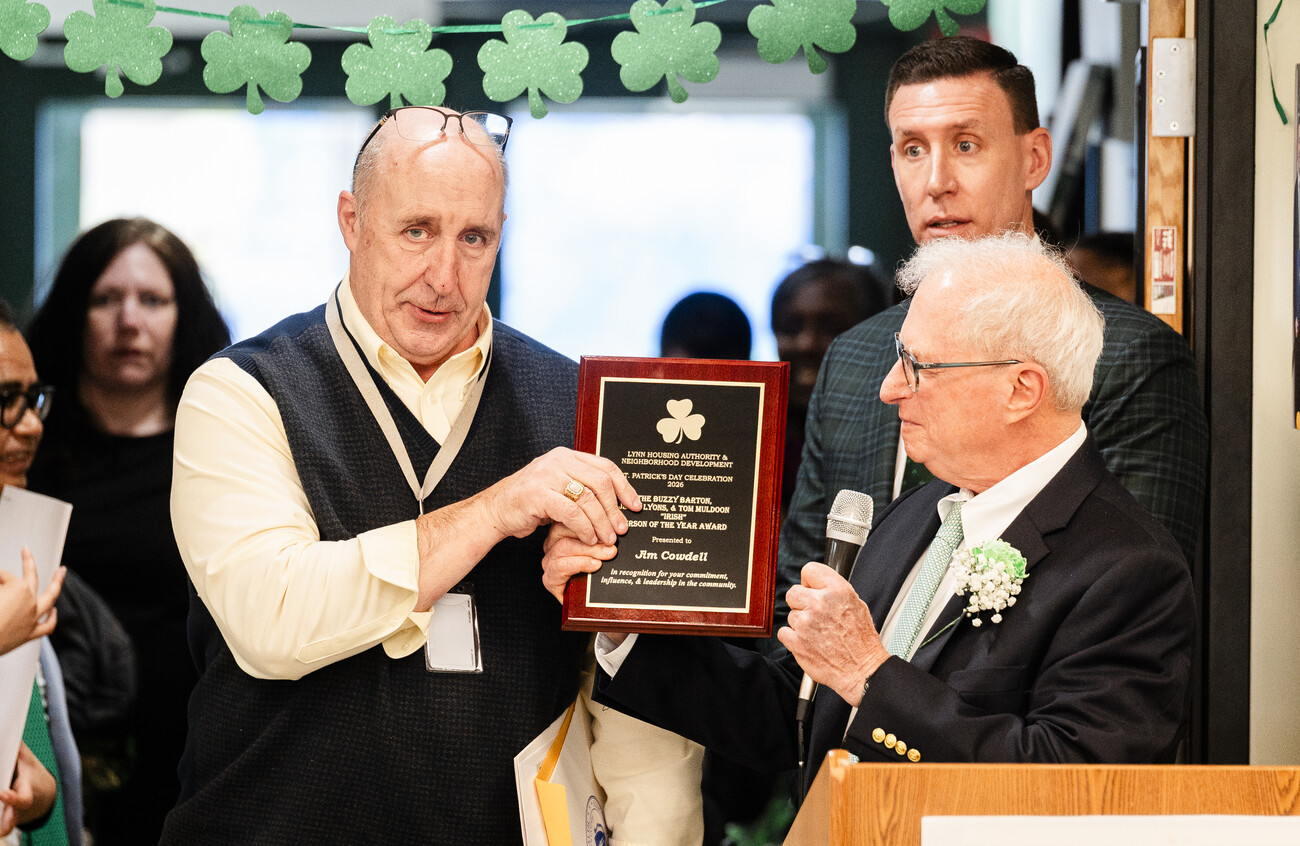
LYNN— James Cowdell, Lenny Peña, Adelle Abdallah, and Lisa Tobin were the honorees at the 28th Lynn...
PEABODY — The School Committee recently approved the academic year 2026-27 calendar, with the first day...

All address information, particularly arrests, reflects police records. In the event of a perceived...

SAUGUS — A Saugus man was sentenced in federal court in Boston for leading a North Shore-based drug...
PEABODY — Northshore Mall, the premier shopping, dining, and entertainment destination serving...
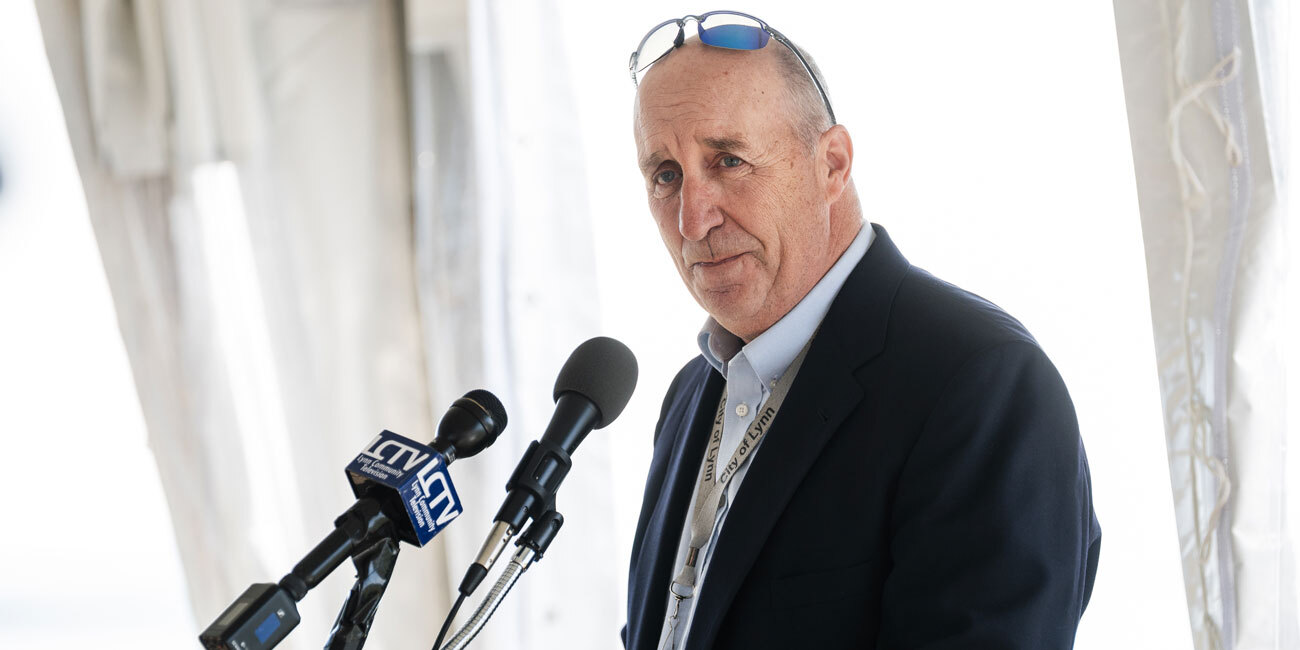
For Jim Cowdell, it was three strikes, and he’s out. After 40 years as a public servant in the city,...

Editorial: With AI demand surging, Texas can’t stand in the way of renewables

Commentary: The trillion dollar Iran war
Commentary: Trump’s ‘just for fun’ war talk shows a dangerous trivialization
Saugus staple goes for gelato
60 years later, a Lynn hero is honored
Two-sport captain Tessa Andriano ready for one last swing
North Fork high schools named to 2025 AP Honor Roll

Krause: Don’t light off the Roman candle just yet

Athlete of the Week – Bishop Fenwick’s Celia Neilson
PBMC named among New York’s best hospitals
Custer Observatory to host first-ever Messier Marathon stargazing event
Today’s page 1: 3-17-26