


Editorial written by The Dallas Morning News Editorial Board
Texas is already the nation’s top wind power producer and is poised to expand solar energy and industrial battery storage this year.
But as the state grapples with increased energy demands due to population growth and the influx of large users like crypto mines and massive data centers used to power artificial intelligence, lawmakers must remain open to renewable energy.
If they don’t, Texas risks falling behind in the energy race. Texans should not find themselves short on electricity because the grid can’t keep up with demand, whether that demand comes from industry, new residents, or millions of people asking chatbots to generate images and answer silly questions.
The U.S. Energy Information Administration projects that Texas will receive about 40% of new solar capacity and 53% of new battery storage capacity added nationwide this year.
And much of the new energy expected in Texas is renewable or helps store energy for future use. According to data from the Electric Reliability Council of Texas, which manages most of the state’s power grid, about 87% of the electric capacity planned to connect to the grid in the next six years are solar, wind, or battery plants. Only about 13% are new gas plants.
But these alternate sources won’t solve the grid’s reliability challenges alone. Texas will continue to need dispatchable power sources, like natural gas, but blocking other sources of energy would be a mistake. Wind, solar, and battery storage are among the fastest ways to add new electricity to the grid at a time when demand is growing rapidly.
For years, Texas has maintained a relatively hands-off approach to energy development, reflecting the state’s broader reputation for being lightly regulated. But the last legislative session introduced some bills that would have curbed renewable energy if they had passed, requiring new rules and fees on these projects. Lawmakers should be careful about adding barriers to energy development as the state wades into increased energy demand by AI and data centers.
One of the stipulations that did pass is that during emergencies, ERCOT can tell data centers and other large energy consumers that they have to disconnect from the grid and use their own backup power. This was a smart move to make sure there is as much electricity available as possible when demand spikes.
ERCOT estimates that demand for power will nearly double by 2030, and that in the coming months, we could begin to see times when energy supply falls short of demand, especially during times of heightened demand like in the summer heat or during winter cold snaps.
If Texas is to succeed in navigating the energy fight with AI, both renewable and traditional energy sources will play a role to meet rising demand and keep the lights on.
24World Media does not take any responsibility of the information you see on this page. The content this page contains is from independent third-party content provider. If you have any concerns regarding the content, please free to write us here: contact@24worldmedia.com
Editorial written by The Dallas Morning News Editorial Board Texas is already the nation’s top wind...

In late 2002, as the U.S. was on the precipice of invading Iraq, the president’s top budget official...
Little shocks me these days, but when I heard President Donald Trump’s remark this weekend that after...
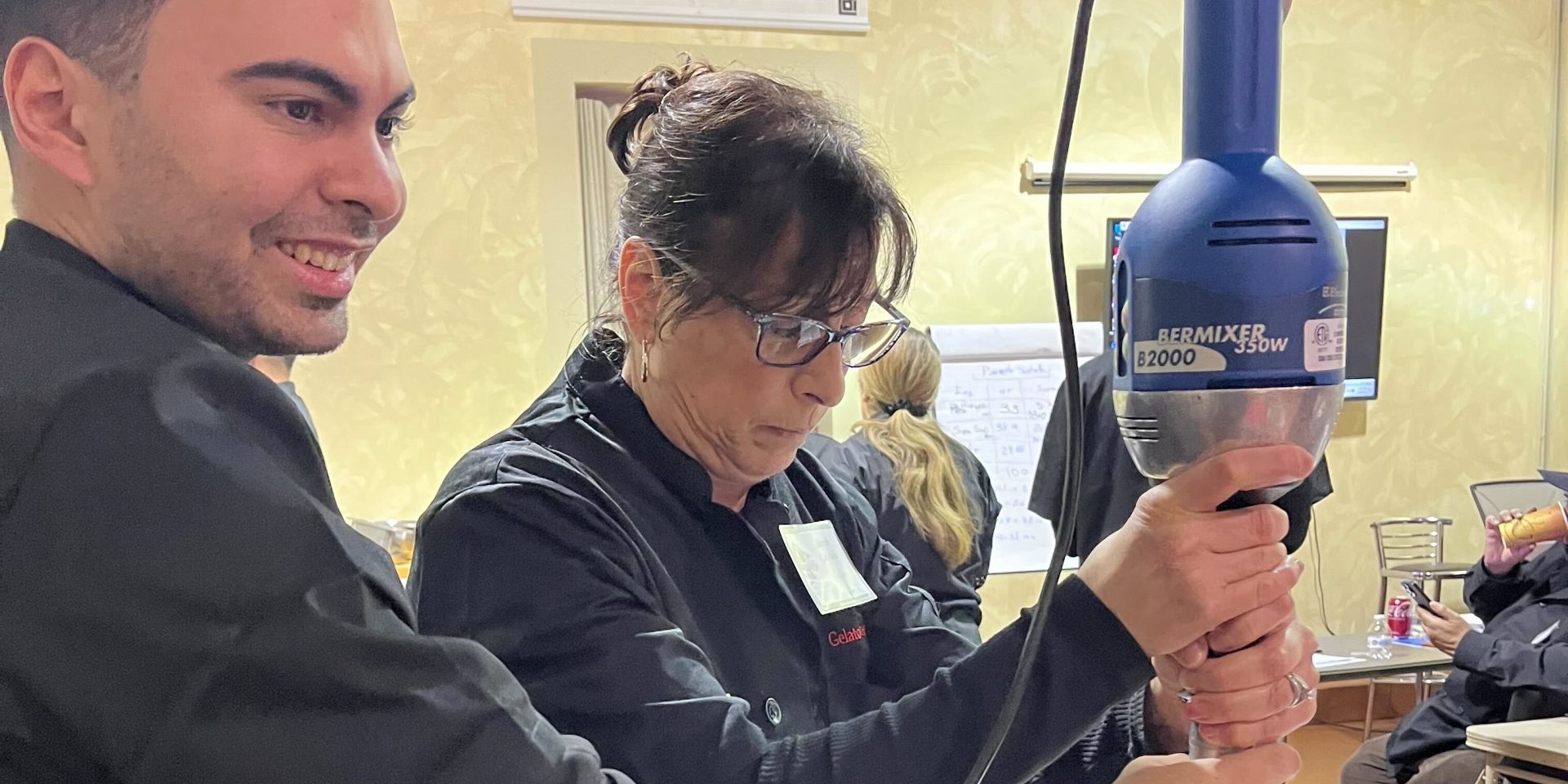
SAUGUS — Soc’s Ice Cream shop has anchored Saugus summers for decades past, and co-owner Sharon...
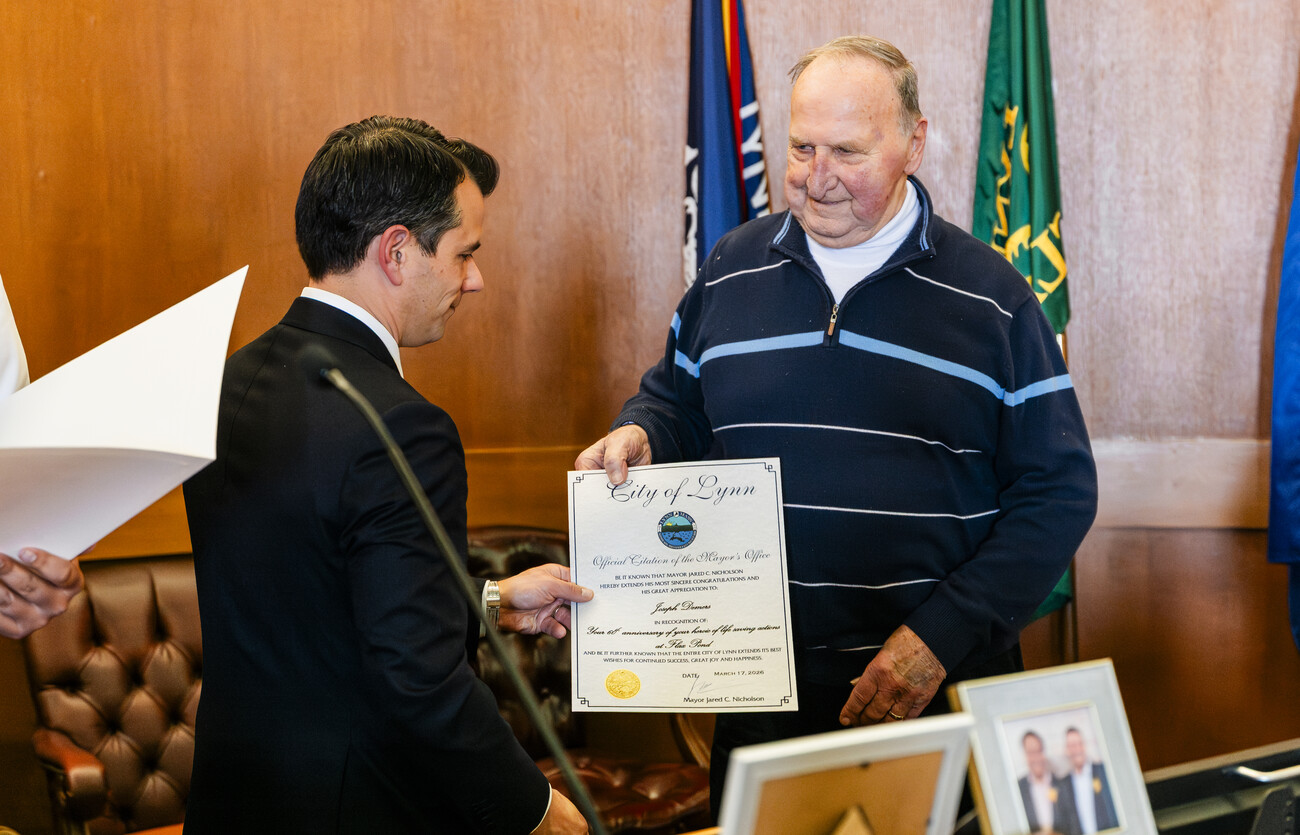
LYNN– The city of Lynn recognized Joseph A. Demers after 60 years for his heroic actions at Flax Pond...

MARBLEHEAD — Over the last four years, Marblehead’s Tessa Andriano has been making a name for herself...

North Fork high schools named to 2025 AP Honor Roll

Krause: Don’t light off the Roman candle just yet

Athlete of the Week – Bishop Fenwick’s Celia Neilson
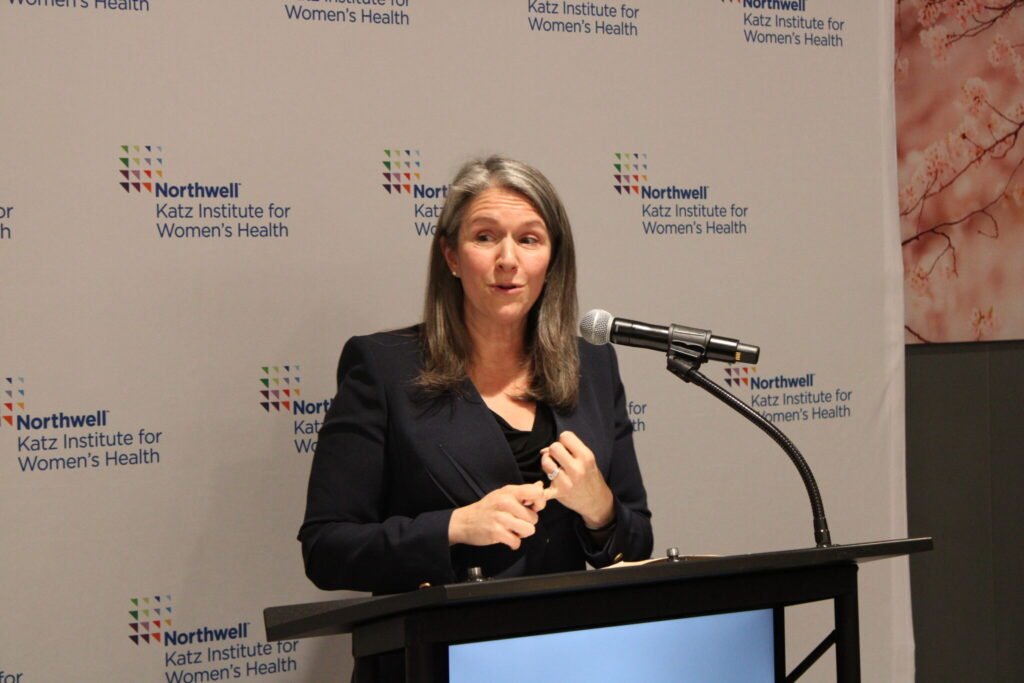
PBMC named among New York’s best hospitals
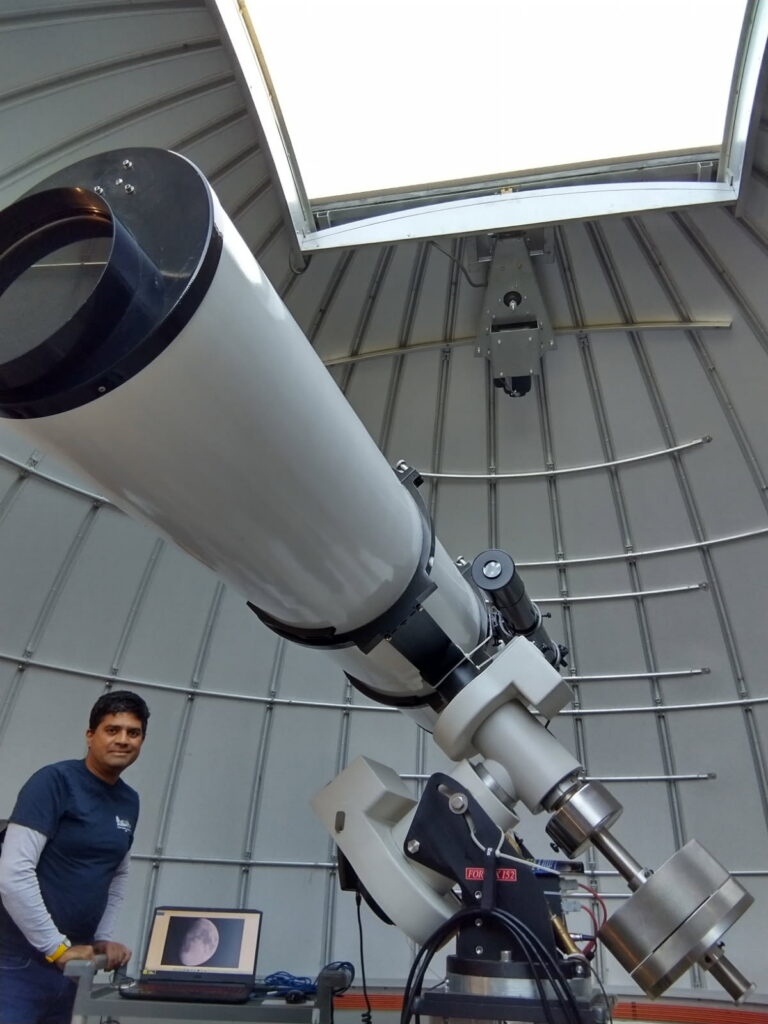
Custer Observatory to host first-ever Messier Marathon stargazing event

Today’s page 1: 3-17-26
Nahant conservation advances funding proposals

Sal Giarratani: The wheel still spins around and around
Commentary: Don’t let lobbyists win a liability shield for Big Oil

Police logs 3/15/2026 – Itemlive

Bridgewell announces 2026 gala honorees

LTTE: Coyotes in the urban areas